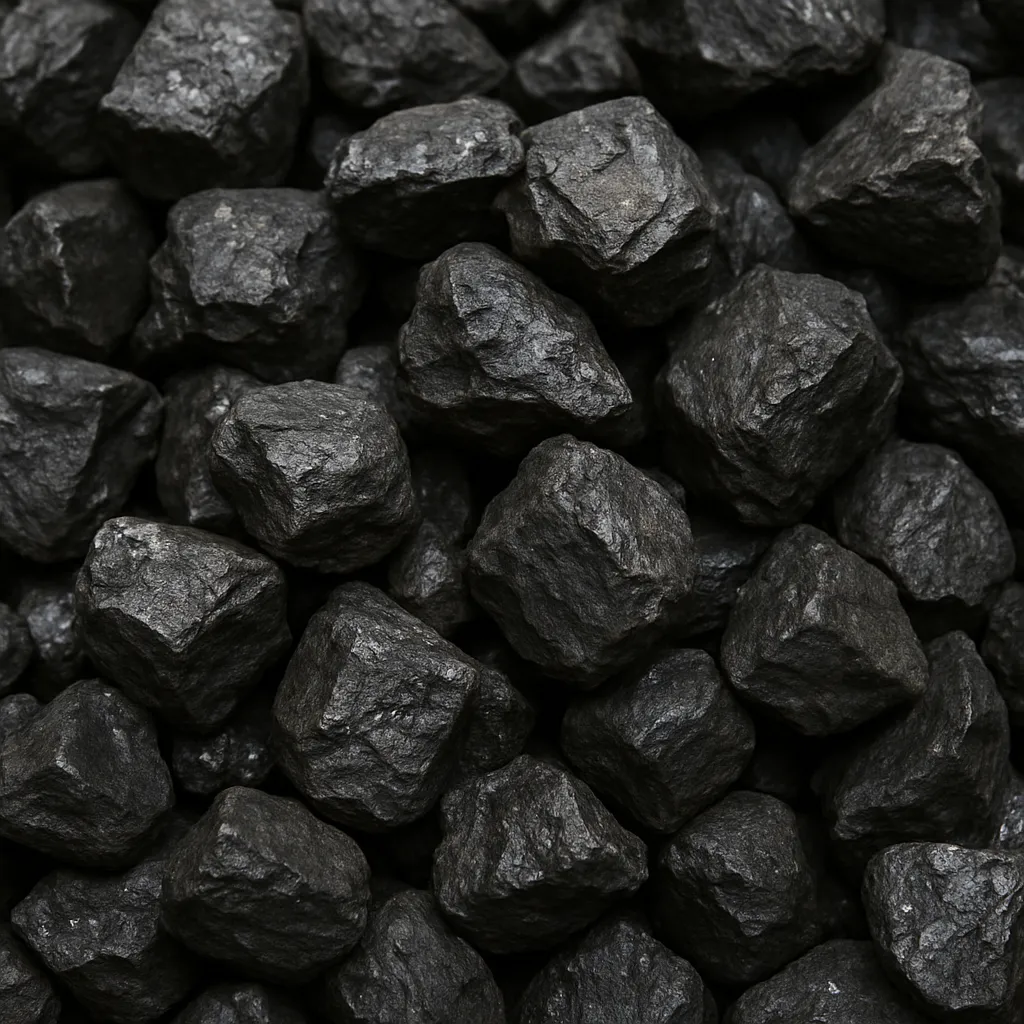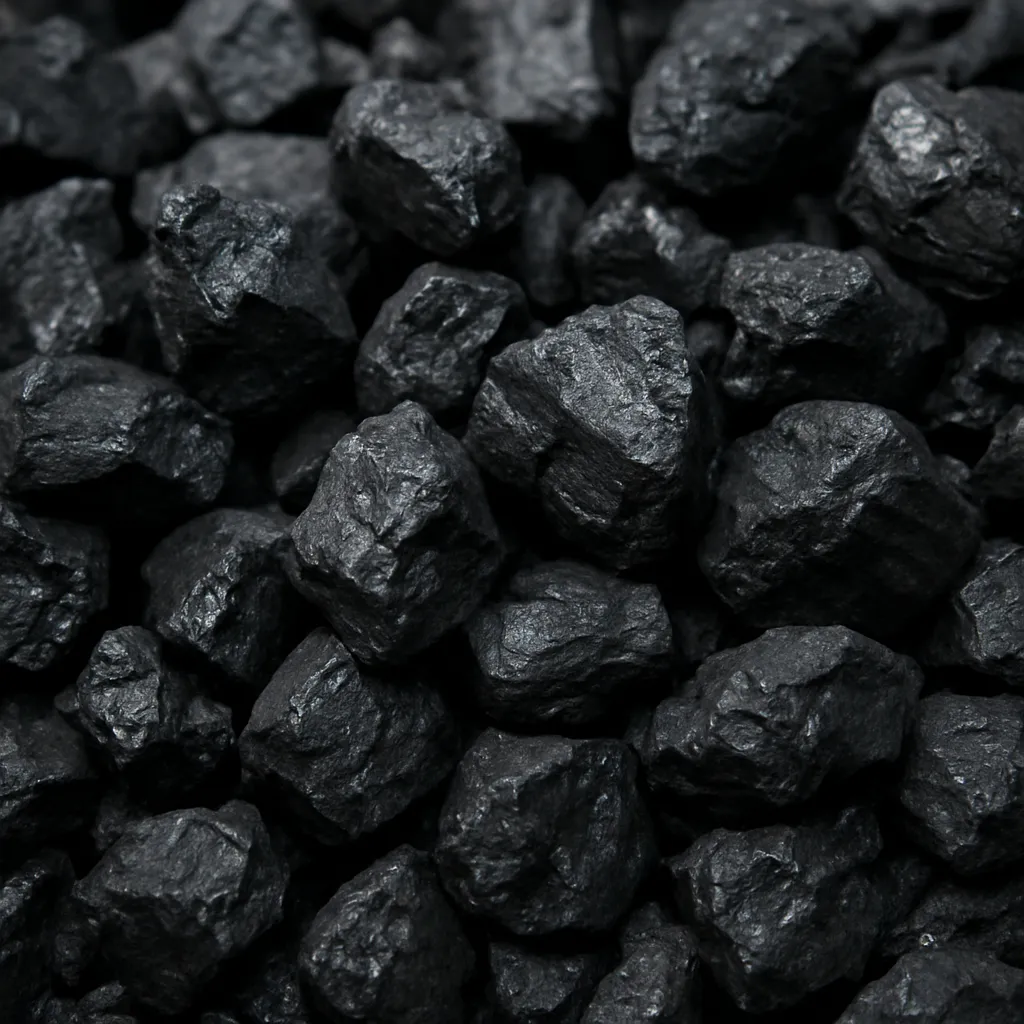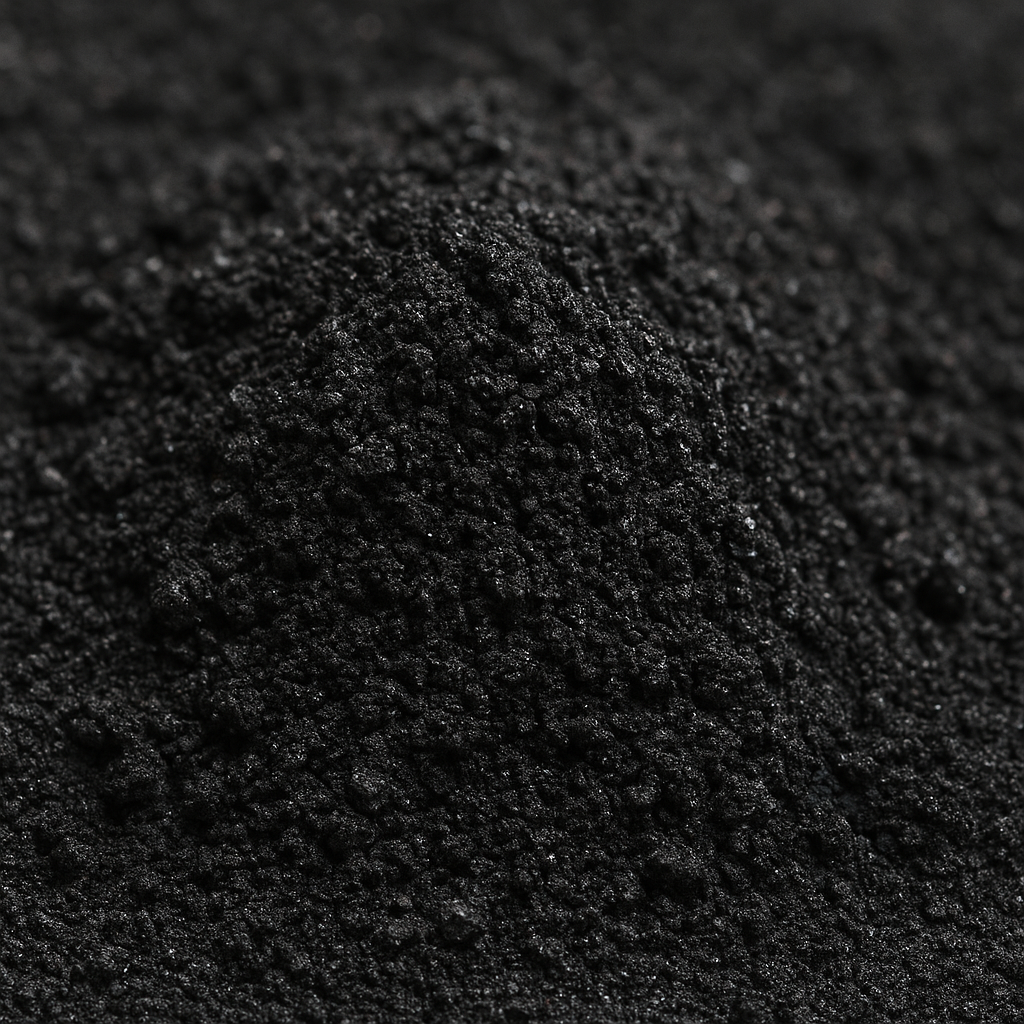
Ultra-fine coal occupies a unique niche within the global coal supply chain: it is both a by-product of mining and preparation and a deliberately produced feedstock for specific industrial applications. Characterized by very small particle sizes and a high surface area, ultra-fine coal raises technical, economic and environmental challenges — and at the same time offers important opportunities for value recovery, fuel flexibility and advanced chemical processes. The following sections describe where ultra-fine coal occurs and is produced, how it is processed and used, its economic and statistical context, environmental and safety considerations, and emerging trends that may redefine its role in the energy and materials landscape.
Occurrence, production and geographic distribution
The term “ultra-fine coal” is used variably across industry and research. In general it refers to coal particles that are significantly smaller than conventional mill product or run-of-mine coal after primary crushing. Typical size ranges described as ultra-fine include particles below 0.5 mm (500 µm), and in many process contexts “ultra-fine” refers to fractions below 100–75 µm or even <20 µm for slurries and advanced applications. Ultra-fine coal is generated at multiple stages:
- Mined coal broken during extraction and comminution (crushing and grinding) in mines and preparation plants;
- Coal beneficiation and cleaning, where liberation of mineral matter produces fine fractions;
- Coal handling, transport and stockpile abrasion that creates dust and fines;
- Deliberate micronization for specific applications (e.g., pulverized coal injection, coal-water slurry fuels, gasification feedstocks).
Geographically, ultra-fine coal is produced wherever significant volumes of coal are mined and processed. The largest coal-producing regions therefore account for the greatest absolute quantities of fines:
- China — by far the largest producer and consumer of coal globally; consequently, Chinese mines and preparation plants generate the largest volumes of coal fines and deliberate ultrafine products.
- India — large-scale mining and rapid growth in thermal and metallurgical consumption produce both industrial ultrafine products and significant fines.
- United States, Australia, Russia, Indonesia and South Africa — major exporters and domestic users where fines are generated and increasingly recovered for value.
On a global scale, coal production in recent years has been on the order of 7–8 billion tonnes per year (varying year to year and by data source). The fraction of production that appears as ultrafine fines depends strongly on geology, mining method and the intensity of crushing: typical industry estimates suggest fines generation can range from a few percent up to 20–30% of processed tonnage in some operations, with 5–15% commonly reported for many surface mines and preparation circuits. The precise figure varies by region and technology; many plants now invest to reduce uncontrolled fines generation because of environmental, safety and resource-loss concerns.
Processing methods and industrial applications
Separation and beneficiation of ultra-fine coal
Ultra-fine coal particles present technical challenges to conventional gravity separation because their low settling velocities make traditional methods inefficient. Specialized processes and equipment used to treat ultra-fine coal include:
- Flotation (conventional and column flotation) — widely applied for liberation and recovery of ultrafine coal where surface chemistry is exploited to separate organic matter from mineral impurities.
- Oil agglomeration and selective agglomeration — using oil or hydrophobic binders to gather fine coal particles into larger agglomerates that can be dewatered and sold.
- Enhanced gravity and hydrocyclone circuits — to deslime and concentrate fine fractions prior to other treatments.
- Advanced physico-chemical methods — selective flocculation, surfactant techniques, ultrasonic and microwave-assisted flotation to improve recovery of sub-100 µm particles.
- Thermal and mechanical dewatering — centrifuges, pressure filters, thermal dryers and twin-screw extruders to reduce moisture and prepare fines for sale or further conversion.
End uses and value-added products
Recovered ultra-fine coal can be converted into a range of products and fuels that create commercial value while mitigating waste streams:
- Briquetting and pelletization — fines are bound into larger, transportable briquettes or pellets for domestic heating, industrial fuel or reductant use. Agglomeration improves handling and reduces spontaneous combustion risk.
- Coal-water slurry fuel (CWS) — stable slurries of ultrafine coal in water serve as an alternative liquid fuel for boilers and furnaces; typical particle sizes are in the micron range to ensure stability and combustion efficiency.
- Pulverized and micronized coal for combustion — ultrafine pulverized coal can be burned more completely and rapidly in modern boilers and in micronized coal injection (MCI) systems for steel blast furnaces, partially replacing coke.
- Gasification feedstock — ultrafine coal has higher reactivity and can be advantageous for entrained-flow gasifiers used in coal-to-syngas and coal-to-liquids (CTL) processes.
- Carbon products — fine coal can be processed into activated carbon, coke breeze, or serve as a precursor for carbon-based materials after appropriate treatment.
Economic and statistical perspective
From an economic viewpoint, ultra-fine coal straddles the line between waste and resource. Fines left untreated represent lost energy value and ongoing liabilities (dust control, tailings management, reclamation costs). Conversely, effective recovery and upgrading convert a low-value stream into commercial products, improving resource efficiency and mine-site economics.
Market drivers and value recovery
- Price pressure on primary coal products encourages recovery of fines as a margin-enhancing activity. When thermal coal prices are high, fines treatment yields direct revenue; during low-price periods, fines recovery helps offset operational costs.
- Metallurgical markets create particular demand for fines as pulverized coal injection (PCI) or micronized coal, because these uses help steelmakers reduce coke consumption and lower manufacturing costs.
- Policies and regulations that increase costs for waste disposal or impose stricter stockpile management favor investment in beneficiation of fine streams.
Actual economic performance is site-specific. A preparation plant that can convert, say, 5–15% of its feed into a saleable fines product will see different returns depending on local coal prices, capital costs for beneficiation equipment, and markets for products such as briquettes, CWS or PCI coal. Capital intensity varies: flotation and dewatering lines require investment but can be amortized over decades, while low-capital briquetting may be attractive for smaller operations.
Statistical context
Key statistical points to understand the context of ultra-fine coal:
- Global coal production: on the order of 7–8 billion tonnes annually in the early 2020s (annual variations occur due to energy demand, policy changes, and economic cycles).
- Proportion of fines: industry practitioners report widely varying fines generation; conservative ranges are 5–20% of processed coal as fines, with higher proportions in intensive comminution or in coal seams that are friable.
- Recovery rates: modern beneficiation can recover a substantial portion of ultrafine carbon (often 50–90% of the combustible material in the fines stream), depending on technology and feed composition.
Concrete, globally harmonized statistical reporting for coal fines specifically is limited, because national and corporate statistics usually record production and consumption of coal by grade and use, not by particle-size fraction. As a result, much of the data on ultra-fine coal volumes and economic value comes from company disclosures, plant case studies and research literature rather than from a single consolidated public dataset.
Environmental, health and safety considerations
Ultra-fine coal presents several environmental and safety concerns that shape how it is managed:
- Dust and air quality — ultrafine coal dust is easily mobilized; dust control is necessary to protect worker health and nearby communities.
- Spontaneous combustion risk — fines with high surface area oxidize more rapidly than lump coal; stockpiles and tailings require management to prevent self-heating and fires.
- Water pollution and tailings — slimes ponds and fine coal waste can leach dissolved solids and heavy metals; proper treatment and closure plans are essential.
- Explosive hazards — ultrafine coal dust, when dispersed in air, can create combustible atmospheric mixtures that require intrinsic safety in handling and storage.
Mitigation strategies include rapid dewatering and stabilization (briquetting or pelletizing), covered conveyors and stockpiles, dust suppression systems, and controlled storage conditions. Regulatory frameworks in major mining countries increasingly require demonstration of minimization of fugitive dust and proper tailings management, which in turn supports investment in fines recovery and utilization.
Technological innovations and future trends
The role of ultra-fine coal in the broader energy transition and materials economy will evolve with technologies that improve recovery economics and reduce environmental impacts. Important trends include:
- Improved flotation reagents and processes that raise recovery of ultrafine carbon while lowering water and reagent consumption.
- Integration of ultrafine coal feedstocks into chemical conversion pathways (gasification followed by Fischer–Tropsch synthesis or methanol production) which value the high reactivity of fine particles.
- Developments in agglomeration and binder technologies that create durable, high-energy briquettes suitable for industrial use and transport.
- Digital process control and sensors that optimize plant performance to minimize uncontrolled fines generation and to maximize recovery yields.
- Growing emphasis on circular-economy solutions: converting wastes into products, recovering heat and materials from tailings, and integrating renewable energy with coal processing for lower-carbon value chains.
At the same time, the global push to decarbonize energy systems creates an ambiguous outlook for coal as a commodity. Demand projections differ across scenarios: some foresee sustained coal use, especially in Asia for power and industry in the medium term, while others project steep declines consistent with aggressive climate policies. In either case, the economic logic of converting a waste stream (ultrafine coal) into usable products is strong: whether for short-to-medium term power and metallurgy needs or as a feedstock for chemical conversion with carbon capture, recovering value from fines improves resource efficiency and reduces environmental liabilities.
Practical case examples and operational lessons
Operators that have successfully managed ultrafine coal streams offer practical lessons:
- Invest early in fines minimization at source: improved crusher and conveyor design, staged reduction of comminution intensity, and optimized plant layouts reduce downstream processing costs.
- Match technology to market: a remote mine selling to local industrial users may prefer simple briquetting; export-oriented plants may invest in micronization and drying for PCI or pulverized fuel markets.
- Consider water balance and tailings integration: fine processing often increases water demand; closed-loop water systems and dry stacking of dewatered fines reduce environmental footprint and long-term liabilities.
- Health and safety planning: measure and control dust, monitor stockpile temperatures, and design storage to minimize ignition risk.
Anecdotally, mines that turn 10% of their processed tonnage from a low-value fines stream into a saleable product often see a meaningful uplift in margin and a lowered cost of environmental compliance. Where fines are converted into higher-value metallurgical or slurry fuel products, the value uplift can be more pronounced, but requires greater capital and market development.
Conclusions and outlook
Ultra-fine coal is a multifaceted material: a challenge for handling and environmental management, a potential waste stream, and at the same time an opportunity for value recovery and industrial use. Its importance is anchored in the global scale of coal production — because wherever large volumes of coal are produced, ultrafine fractions will be created — and in the diversity of technologies that can economically convert those fractions into useful fuels and products. Managing ultra-fine coal effectively requires coordination across mine design, processing technology, market development and environmental controls. Advances in separation, agglomeration, drying and conversion technologies, together with regulatory drivers for waste minimization, will shape the economics and environmental footprint of ultrafine coal in the decades ahead.
Key terms emphasized
- ultra-fine
- coal fines
- pulverized
- beneficiation
- flotation
- briquetting
- gasification
- combustion efficiency
- spontaneous combustion
- circular economy