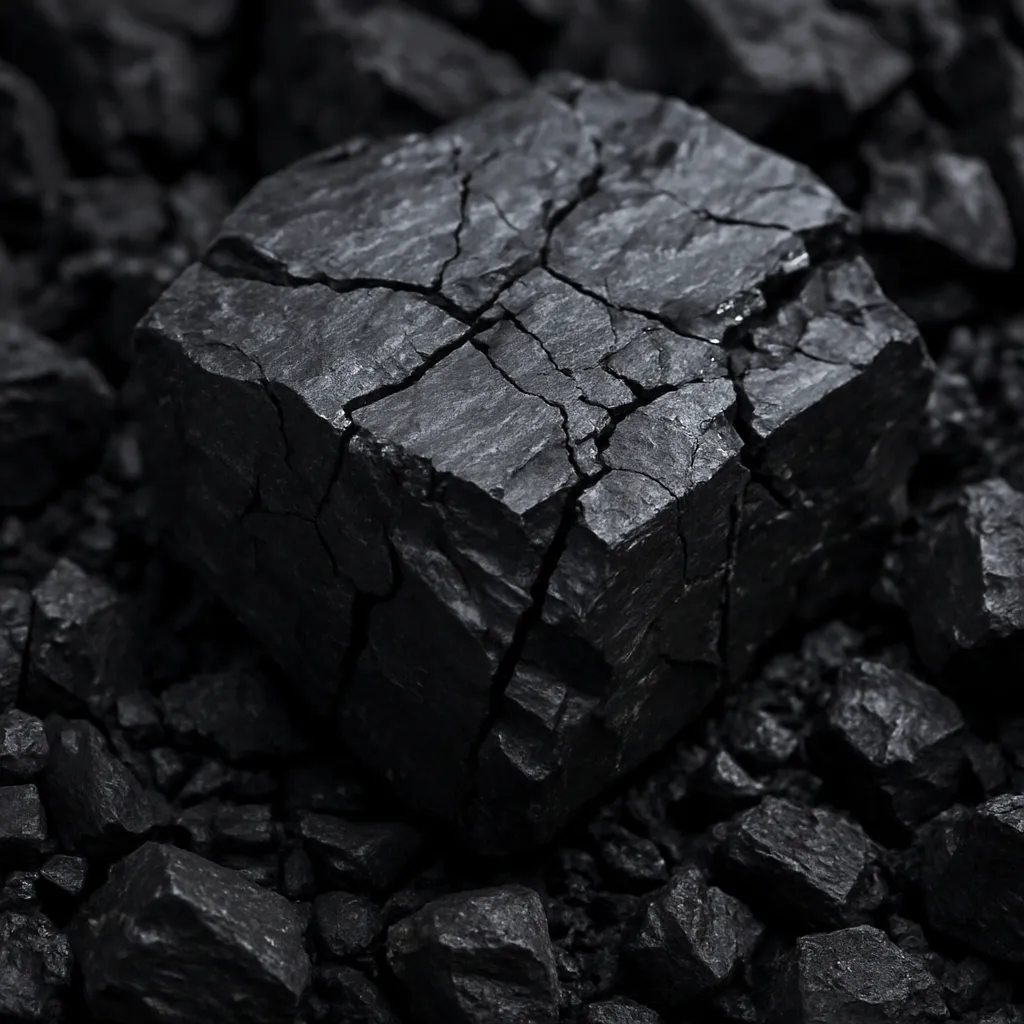
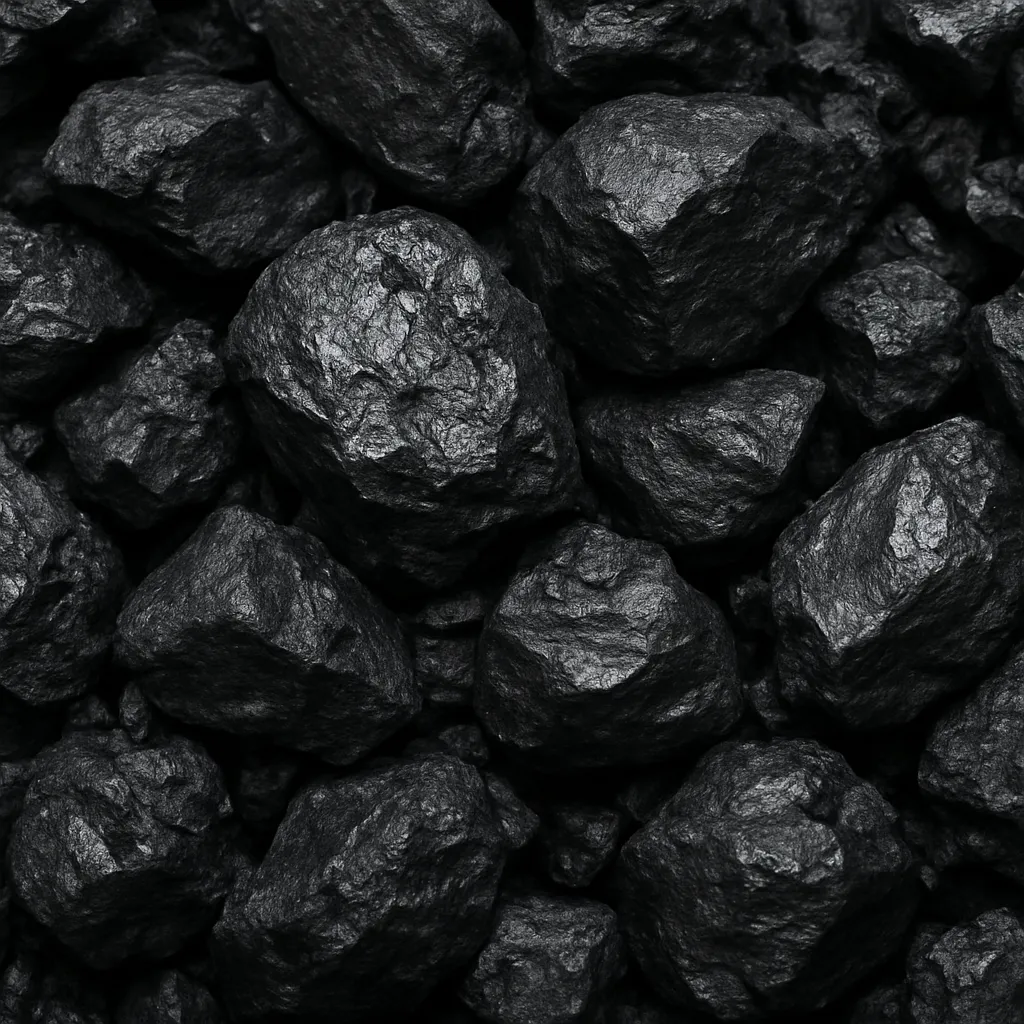
Heating coal plays a continuing and complex role in the modern energy system. This article explores the geological occurrence, mining and processing, global production and trade, economic importance, industrial uses, environmental challenges and future perspectives related to coal used primarily for heat and power. Throughout the text you will find technical, economic and statistical information that helps explain why coal remains both indispensable in some regions and controversial in global climate policy debates. Key concepts such as heating coal, types of coal, mining techniques and policy responses are described to give a broad, practical picture useful for industry professionals, students and interested readers.
Geology, types and distribution of heating coal
Coal is a sedimentary rock formed from the accumulation and progressive transformation of plant material under conditions of burial, heat and pressure over millions of years. Coal occurs in seams or beds within sedimentary basins and differs in rank and composition according to the degree of coalification and the original vegetation and depositional environment. For the purposes of heating and power generation, the most important categories are lignite, sub-bituminous and bituminous coals, while anthracite has niche domestic and industrial applications due to its high carbon content and calorific value.
– Lignite (brown coal): low rank, high moisture, lower energy content, widely used in locally supplied power plants and district heating systems. Typical calorific values range from ~8 to 20 MJ/kg (about 2,000–4,800 kcal/kg), depending on moisture content.
– Sub-bituminous and bituminous coal: medium to higher rank commonly used in large thermal power plants. Calorific values for these coals typically range from ~18 to 28+ MJ/kg.
– Anthracite: the highest rank of coal, with low volatiles, high fixed carbon and calorific value typically above 30 MJ/kg; used where a clean-burning fuel is needed for heating or metallurgical processes.
Coalbearing basins are geographically widespread. Major basins and producing regions include:
- East and South Asia: China (largest global producer and consumer), major basins in Shanxi, Inner Mongolia and Xinjiang.
- South Asia: India’s vast Gondwana and Damodar basins.
- Oceania: Australia’s Bowen and Hunter basins supply both domestic industry and exports.
- North America: the Powder River Basin (Wyoming and Montana), Appalachian Basin, Alberta and British Columbia in Canada.
- Russia and Central Asia: large reserves across the Kuzbass (Kemerovo), Pechora and eastern basins.
- Africa: South Africa’s Highveld and major coalfields in Mozambique and Botswana, increasingly important for regional power.
- Europe: Poland, Germany and the Czech Republic have historically large coal provinces; many are undergoing transition.
Mining methods, processing and local uses
Coal extraction methods depend on seam depth, geology and environmental/social constraints. Surface or open-pit mining (strip mining) is used where seams are near the surface; underground mining (longwall, room-and-pillar) is required for deeper deposits.
Major extraction techniques:
- Open-pit mining: economical for shallow, laterally extensive seams. It yields large quantities quickly but has large land disturbance and reclamation requirements.
- Underground mining (longwall and bord-and-pillar): used for deep, more valuable seams. Longwall mining supports high productivity but needs complex ventilation and ground control systems.
- Specialized techniques: auger mining, highwall mining, and in some regions mountaintop removal (notable in parts of the USA) where environmental impacts are acute.
Processing and grading for heating coal includes crushing, screening, washing (to remove ash and impurities) and sizing to produce grades appropriate for power plants, stove coal and industrial boilers. Washed or beneficiated coals with lower ash and sulfur content are preferred in many markets because they improve boiler performance and reduce emissions.
Local uses vary from central power generation in large utility plants to district heating and small-scale household stoves. In colder climates and in countries with abundant domestic lignite or bituminous reserves, coal remains a cost-effective fuel for base-load electricity and heat production, especially where alternatives are expensive or grid infrastructure limits other options.
Global production, trade and economic significance
Coal is one of the most traded and economically significant fossil fuels. In the early 2020s global coal production was in the range of roughly 7.5–8.5 billion tonnes per year (all ranks combined), with some year-to-year variation driven by demand, policy changes and market dynamics. Production is concentrated: China accounts for around 45–50% of global production, followed by India, Indonesia, the United States, Australia and Russia among the top producers. These figures vary by year and by the measure used (raw tonnage, energy content, or marketable output).
Trade flows are shaped by coal quality, transportation costs and regional supply-demand balances. Thermal coal for power generation is exported in large quantities from Australia and Indonesia to Asian markets (China, India, Japan, South Korea, Southeast Asia), while metallurgical or coking coal used in steelmaking has distinct trade patterns with Australia and Canada as major suppliers. Coal imports are crucial for countries with limited domestic supplies but large power demand.
Economic impacts:
- Direct employment: Coal mining remains an important employer in producing regions, encompassing extraction, processing, transport and support services. Employment numbers vary by country; where mechanization is extensive, productivity per worker is high but employment lower.
- Regional development: Coal projects stimulate local economies through infrastructure, royalties and taxation, but can also create dependencies and challenges for diversification when mines close.
- Government revenues: Taxes, royalties and export levies on coal are significant fiscal contributors in producing nations.
- Price volatility: Thermal coal prices have shown pronounced volatility over recent years, with spikes due to supply interruptions, extreme weather and energy crises (notably sharp price rises in 2021–2022) and subsequent adjustments as markets responded.
Statistical snapshot and indicators
Key statistical indicators for coal and heating coal include:
- Production (annual tonnes): global production ≈ 7.5–8.5 billion tonnes (early 2020s).
- Consumption by sector: electricity and heat generation consume the largest share of thermal coal; industry (cement, brick, chemical processes) also uses coal directly for process heat.
- Share of electricity generation: coal historically supplied roughly one-third to 40% of global electricity; this share fluctuates based on gas prices, renewable additions and policy-driven retirements of coal plants.
- Proved reserves: global proved recoverable coal resources are commonly estimated in the order of several hundred billion to around a trillion tonnes, depending on definitions and reporting; at current consumption rates these reserves would last several decades to more than a century, though practical, economic and policy constraints alter extractability.
Regional examples:
- China: largest producer and consumer; coal fuels a substantial portion of electricity production and heavy industry. Domestic coal policy balances security of supply with pollution control and gradual emissions reduction.
- India: heavy reliance on coal for electricity and industrial boilers; domestic coal expansion has been a development priority to ensure electrification and industrial growth.
- Australia and Indonesia: key exporters of thermal coal to Asian markets; export volumes are sensitive to international demand and shipping constraints.
- Europe: many countries have reduced coal shares in favor of gas and renewables, but some countries with significant lignite reserves retain coal-fired plants for grid stability and local employment.
Role in industry and technology
Coal’s main industrial role is providing reliable, dispatchable thermal energy. It is the backbone fuel for large-scale thermal power plants and provides process heat to industries such as cement, brick manufacture and chemical production. In some regions, coal is also used in district heating networks and for residential heating in specific markets where alternatives are less accessible.
Technology and efficiency:
- Modern coal-fired plants with ultra-supercritical (USC) turbine technology achieve higher thermal efficiencies (over 45% in some cases), reducing specific fuel consumption and CO2 emissions per MWh compared to older subcritical plants.
- Co-firing biomass with coal and fuel switching to lower-carbon fuels are paths used to reduce lifecycle emissions while retaining existing infrastructure.
- Coking coal (metallurgical coal) is essential for traditional blast-furnace steelmaking; while not a primary heating coal, it is crucial to industry and often commands higher prices than thermal coal in commodity markets.
- Carbon capture, utilization and storage (CCUS) when applied to coal-fired plants can dramatically lower CO2 emissions per unit of energy — the technology is known and demonstrated at varying scales but is capital intensive and requires supportive policy and transport/storage infrastructure.
Environmental impacts and policy responses
Coal combustion is one of the largest single sources of greenhouse gas emissions globally and contributes to local air pollution (particulate matter, sulfur dioxide, nitrogen oxides, mercury). It also affects land and water through mining impacts, such as habitat loss, subsidence, acid mine drainage and water consumption.
Important aspects:
- Emissions: Coal is the dominant fossil fuel source of CO2 emissions and is a major contributor to air pollution-related morbidity and mortality in regions with weak emissions controls.
- Pollutant control: modern plants install flue gas desulfurization (FGD), selective catalytic reduction (SCR) and particulate filtration (baghouses, electrostatic precipitators) to meet air quality standards.
- Policy instruments: carbon pricing, emissions trading systems, coal plant retirement schedules, and subsidies or taxes all influence coal demand. Several OECD countries have implemented firm phase-out timelines for coal-fired electricity; many developing economies still rely on coal for affordable energy and industrial growth.
- Just transition: managing the socio-economic impacts on coal-dependent communities—jobs, health, retraining and economic diversification—is a major policy challenge accompanying decarbonization.
Interesting facts, historical perspective and cultural dimensions
Coal shaped the Industrial Revolution and the development of modern economies. Some notable points:
- Historically, the availability of local coal deposits determined early industrial locations, transport infrastructure (railways, ports) and urbanization patterns.
- Coal-fired steam technology catalyzed long-distance shipping and rail transport, changing the global economy in the 18th and 19th centuries.
- In many coal regions, cultural identity and political influence are intertwined with mining traditions; songs, literature and local festivals commemorate coal-mining heritage.
- Technological shifts have reduced the labor intensity of coal production dramatically — a single modern longwall face can produce in a day what once required many dozens of miners.
Challenges and the path forward
The future of heating coal is shaped by several competing forces:
- Climate policy and emissions reduction imperatives push utilities and governments to retire coal plants or retrofit them with CCUS.
- Energy security and affordability considerations sustain coal use in regions with limited gas or renewable penetration and inadequate storage or grid flexibility.
- Technological innovation (higher-efficiency plants, CCUS, co-firing, hydrogen-based steelmaking) could reduce coal’s environmental footprint, but widespread adoption requires supportive economics and policy frameworks.
- Market dynamics — including the cost and supply of alternatives (natural gas, renewables, batteries), international coal prices and shipping constraints — will influence trajectories in the coming decades.
Concluding observations
Coal, and specifically the fuels categorized as thermal coal for heat and power, remain a major element of the global energy mix despite strong policy and market pressures to decarbonize. Regions with abundant coal mining resources continue to leverage local supplies for economic and energy security reasons, while other countries move to reduce consumption through plant retirements and cleaner technologies. Statistical trends in production, trade and electricity generation show resilience but also volatility, and the balance between climate goals and near-term energy needs will determine coal’s role over coming decades. Understanding coal’s geology, market mechanisms, technological options and socio-economic impacts is essential for developing pragmatic, equitable and effective energy policies.