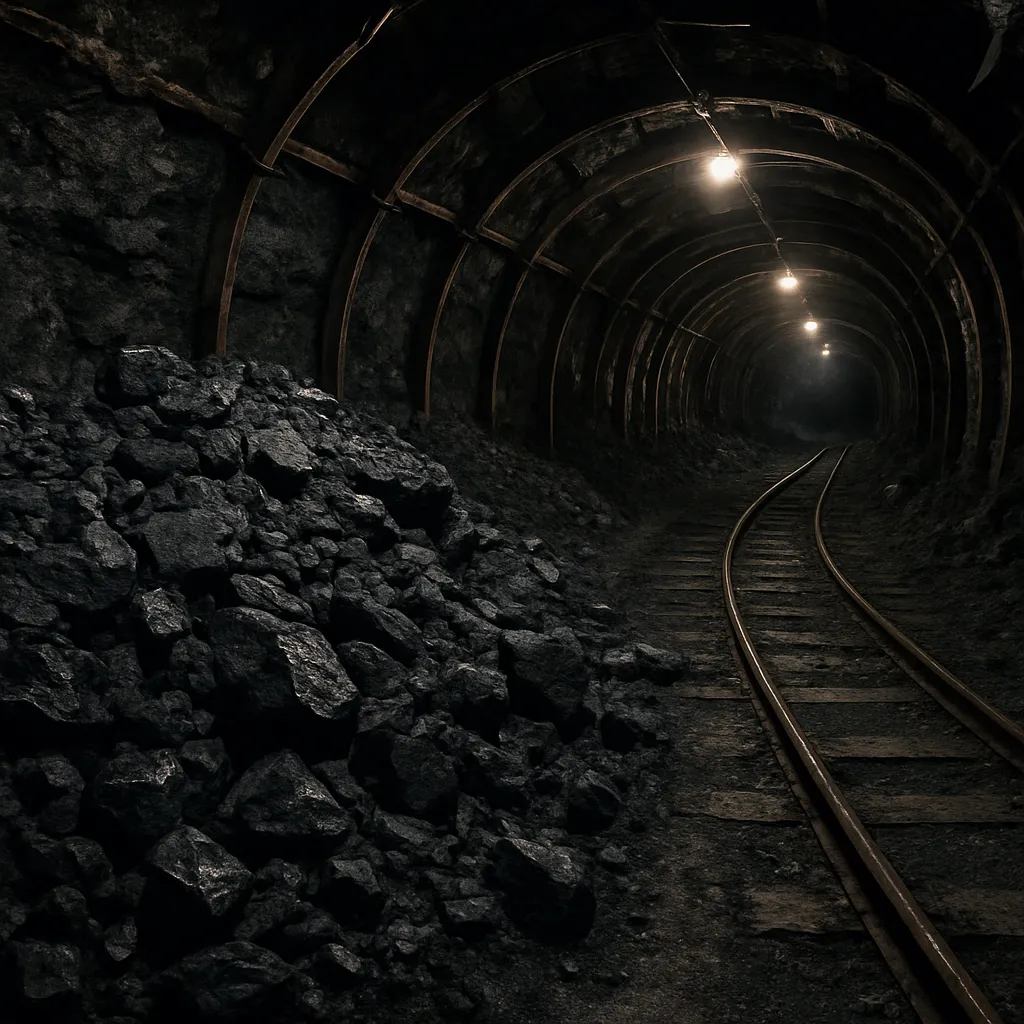
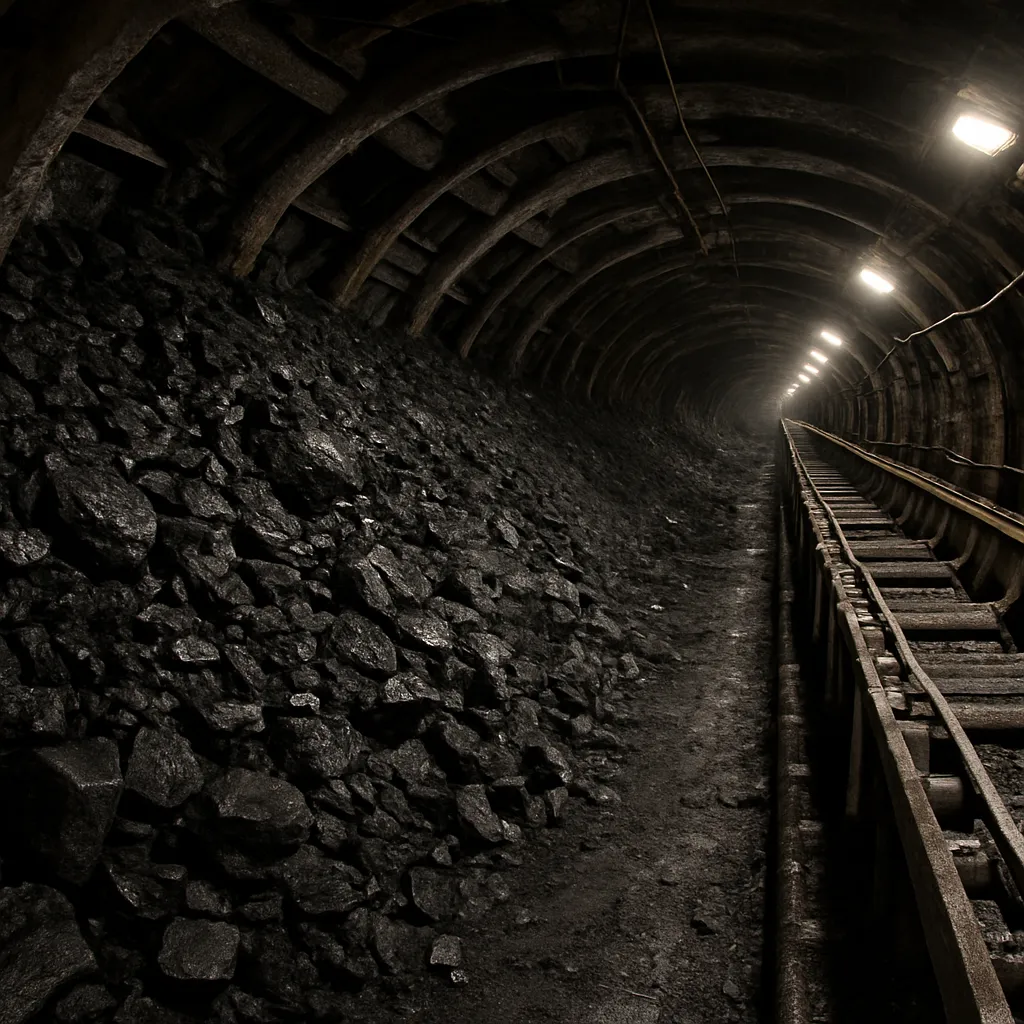
Thermal PCI coal occupies a specific and growing niche at the intersection of the energy and steel industries. Often referred to simply as PCI coal (Pulverized Coal Injection coal), this category of non-coking coal is chosen for its suitability to be ground, transported pneumatically and injected into blast furnaces to partially replace coke or used in thermal applications where pulverized feed is preferred. The following article examines the geological occurrence, mining regions, technical characteristics, economic significance, market statistics (where available), industrial uses, environmental considerations and future trends related to Thermal PCI coal.
Geological occurrence and formation
Coal is a sedimentary rock formed primarily from the accumulation, compaction and alteration of plant material in ancient peat-forming environments such as swamps, marshes and bogs. Over geological time and under conditions of rising pressure and temperature, peat transforms into lignite, sub-bituminous, bituminous and ultimately anthracite coal. PCI coal typically originates from bituminous seams, including low-volatile to medium-volatile bituminous ranks, and sometimes from higher-quality sub-bituminous deposits that meet required technical specifications.
Typical geological settings for PCI-suitable coal include Carboniferous, Permian and younger Mesozoic coal basins. These basins often exhibit layered coal seams interleaved with sandstones, shales and occasional volcanic tuffs that influence coal quality. Regionally significant coalfields that supply PCI-suitable material are found in:
- Australia (Bowen and Surat Basins, Hunter Valley)
- Russia (Kuznetsk Basin, Kansk-Achinsk)
- United States (Appalachian, Powder River Basin — though PRB is lower rank)
- South Africa (Highveld and Waterberg)
- China (Shanxi, Inner Mongolia)
- Colombia, Indonesia and Mongolia (various basins contributing export volumes)
Mining and principal producing regions
PCI coal is produced both by large, mechanized open-pit (surface) mines and underground mines. The selection of mining method depends on seam depth, overburden thickness and regional mining practices. The global trade in non-coking thermal coals means that PCI-quality coal is mined in one region and shipped to steelmaking hubs in another.
Major producers and exporters of coal that can be adapted for PCI use include Australia, Indonesia, Russia, the United States, South Africa and Colombia. China is both a major producer and consumer but also imports specific grades to meet industrial requirements. European markets historically relied on domestic sources but now import larger volumes of seaborne thermal coal.
Regional highlights
- Australia: Supplies a wide range of thermal and semi-soft coals with consistent calorific values and competitive logistics to Asia and global markets. Several Australian mines produce PCI-suitable bituminous coals with low sulfur and moderate ash.
- Russia: The Kuznetsk Basin (Kuzbass) provides large volumes of medium-volatile bituminous coal that can be blended for PCI. Russia’s rail export corridors to Europe and Asia are strategic for steelmakers.
- United States: Appalachian and Illinois Basin coals can meet PCI specs after beneficiation; Powder River Basin (PRB) coals are lower rank but sometimes used in power generation rather than PCI.
- South Africa: Highveld coals are targeted for both power and metallurgical uses in African and export markets.
- Indonesia & Colombia: Important seaborne suppliers, especially for Asian steel and power markets; coals are often blended to attain PCI specifications.
Characteristics and technical specifications of Thermal PCI coal
PCI coal is not a single standardized product but rather a set of coal properties that make a particular coal suitable for pulverized coal injection into a blast furnace or for other pulverized thermal uses. Steelmakers and coal traders evaluate multiple parameters to determine suitability:
- Calorific value (Gross calorific value): Typical PCI coals have a calorific value in the range of approximately 16–30 MJ/kg (3,800–7,200 kcal/kg) on an as-received or dry basis depending on rank. Higher calorific value coal allows greater energy injection per unit mass.
- Ash content: Preferably low to moderate (often below 12–15% ash for higher-quality PCI coals), since ash carried into the blast furnace affects slag chemistry and refractory life.
- Sulfur and phosphorus: Low sulfur is preferred to limit SOx emissions and prevent adverse effects on steel quality. Phosphorus must be controlled because it can affect final steel properties.
- Volatile matter: Medium-volatile coals are often favored for PCI because they ignite more easily and improve combustibility when injected.
- Hardgrove Grindability Index (HGI): A measure of how easily the coal can be pulverized. PCI coals need acceptable grindability to reach required particle size distributions.
- Moisture and friability: Low inherent moisture and appropriate friability ensure consistent pneumatic transport and avoiding blockages or handling issues.
Coal blending is commonly used to match furnace requirements: a blend optimizes calorific value, ash fusibility, reactivity and cost. Laboratory testing and pilot trials help determine optimal blends for a given blast furnace.
Industrial uses and significance
Thermal PCI coal has two principal industrial roles: pulverized coal injection into blast furnaces in iron and steelmaking, and, less commonly in that form, use as pulverized fuel for boilers in power plants.
Pulverized Coal Injection (PCI) in steelmaking
PCI has become a key technology in modern blast furnace operations. By injecting pulverized coal through tuyeres directly into the raceway of the furnace, steelmakers can reduce the consumption of metallurgical coke — a higher-value and more polluting product derived from coking coals.
- Typical PCI rates have historically ranged from 50 to 200 kg per ton of hot metal (kg/thm). Advanced installations and high-injection blast furnaces can reach and sometimes exceed 200–250 kg/thm, with peak trials reported above 300 kg/thm in specialized furnaces.
- Benefits include reduced coke demand (lowering coke-making costs and emissions), potential energy cost savings and flexibility in feedstock sourcing.
- Challenges include controlling furnace thermodynamics, maintaining reduction conditions, managing slag chemistry and ensuring stable operation at high PCI rates.
Power and other thermal uses
While PCI-grade coals are optimized for injection, similar pulverized thermal coals are used in pulverized fuel (PF) boilers for electricity generation and industrial steam. However, most global thermal coal for power plants is not specifically selected for PCI properties and instead prioritized for calorific value and boiler compatibility.
Economic and statistical overview
Global coal production and trade are large-scale and complex. While precise PCI-specific statistics are not always published as a separate category, the following broader data points and estimates provide context for the scale and economic relevance of PCI coal.
- Global coal production: In recent years (early 2020s) world coal production has been on the order of approximately 7–8 billion tonnes per year across all coal types (thermal and metallurgical). Thermal coal accounts for a substantial majority of that volume.
- Seaborne thermal coal market: Annual seaborne thermal coal trade is typically several hundred million tonnes (commonly 600–700 Mt/yr in years of high trade), and a notable share of that can be attributed to coals suitable for PCI or blending into PCI mixes.
- Steel industry consumption: Global crude steel production in recent years has been around 1.7–1.9 billion tonnes annually. Blast furnace-basic oxygen furnace (BF-BOF) routes still account for roughly 70% of steel production, meaning PCI technology is directly relevant to a large portion of steelmaking feedstock consumption.
- PCI consumption estimate: While global aggregated PCI-specific tonnages are not always published, industry estimates suggest PCI consumption is on the order of tens to low hundreds of millions of tonnes per year, depending on penetration rates, furnace types and regional practices. High-PCI countries and large integrated steel producers represent the bulk of that use.
- Price dynamics: Prices for PCI-suitable coals follow broader thermal coal market trends but carry premiums or discounts depending on quality attributes (ash, sulfur, calorific value) and logistics. Historically, Australian and Indonesian seaborne coals set much of the pricing tone for Asian markets; Russia, Colombia and South Africa influence supply diversification and price competition.
Because steelmaking economics are sensitive to raw material prices, the ability to substitute expensive coke with cheaper PCI coal can improve margin flexibility for integrated mills — provided operational constraints and quality impacts are managed properly.
Environmental and regulatory considerations
Coal use, including PCI coal, is a central focus of environmental policy debates due to emissions associated with combustion, mining impacts and lifecycle greenhouse gas effects.
- CO2 emissions: Burning coal releases CO2. Injected coal partially replaces coke (which itself causes CO2 emissions in coking and combustion), but the net CO2 balance depends on comparative carbon intensities and process efficiencies. In some cases, PCI can reduce overall emissions per ton of steel by lowering coke production and associated emissions from coke ovens.
- Local air pollutants: Sulfur oxides (SOx), nitrogen oxides (NOx), particulates and mercury require controls in both power plants and steelworks. Low-sulfur PCI coals help minimize some emissions.
- Mining impacts: Surface mining can cause land disturbance, water impacts and biodiversity loss; regulatory frameworks and reclamation programs aim to mitigate these effects.
- Regulatory trends: Stricter emissions standards, carbon pricing and decarbonization goals are driving steelmakers to explore alternative reductants (natural gas-based direct reduction, hydrogen, scrap electric arc furnaces) and to optimize PCI use as a transitional measure.
Market trends, innovations and future outlook
Several trends are shaping the future role of Thermal PCI coal in industry:
- Higher PCI rates: Technological improvements in injection systems, furnace control and coal preparation allow furnaces to increase injection rates, reducing dependence on coke.
- Blending and preparation: Advanced coal beneficiation, drying and blending improve consistency and reduce ash and moisture penalties; tailor-made PCI blends are more common.
- Alternative reductants: As hydrogen direct reduction and electric steelmaking become more prominent in decarbonization roadmaps, PCI is likely to serve as a transitional technology in many regions rather than a long-term solution everywhere.
- Supply chain resilience: Geopolitical and logistics considerations influence sourcing decisions; steelmakers may diversify suppliers or seek long-term contracts for PCI-quality coals.
- Environmental constraints: Carbon pricing and stricter emissions targets may either constrain PCI use or incentivize efficiency measures that make PCI less carbon-intensive on a per-ton basis.
Technical and operational considerations for steelmakers
Successful PCI implementation requires coordination across fuel procurement, plant engineering and metallurgical control:
- Coal handling and grinding: Crushers, mills and classifiers must deliver consistent particle size for reliable combustion and penetration into the raceway.
- Pneumatic transport: Conveying systems and injectors must maintain flowability and prevent blockages, especially when using higher-moisture or sticky coals.
- Combustion control: Furnace temperature profile and reducing atmosphere need close monitoring as injected coal changes heat distribution and reducing gas composition.
- Refractory and tuyere wear: Higher injection rates can alter thermal and chemical loads on tuyeres and surrounding refractory, requiring adaptations in maintenance and materials.
- Testing and qualification: Pilot trials and gradual ramp-ups help avoid operational shocks; thorough characterization of coal properties (ash fusion, grindability, volatile behavior) is critical.
Interesting facts and practical notes
- The practice of pulverized coal injection dates back several decades and has steadily advanced in sophistication, shifting from small replacement percentages to meaningful shares of the reductant burden in modern furnaces.
- Not all thermal coals are good PCI coals. Some low-rank coals (e.g., very high-moisture lignites) are unsuitable without drying and conditioning.
- Blending inferior coals with higher-quality PCI coals can create workable mixtures, but complex interactions (ash fusion temperature, slag chemistry) must be modeled.
- In some jurisdictions, incentives for reduced coke use and emissions provide financial motivation to increase PCI adoption, though long-term decarbonization may ultimately favor non-coal-based routes.
Summary
Thermal PCI coal is a specialized segment of the broader thermal coal market, selected for its combustion, handling and ash properties that make it appropriate for pulverized coal injection into blast furnaces. It plays an important role in modern steelmaking by offering an economic route to reduce coke consumption and improve operational flexibility. Major producing regions supply PCI-quality coals to global steel hubs, and market dynamics reflect coal quality, logistics and evolving environmental policies. While PCI can contribute to efficiency gains and transitional decarbonization in steel production, the long-term trajectory of PCI will be influenced by technological shifts toward lower-carbon steelmaking pathways as well as regulatory and market pressures to reduce lifecycle greenhouse gas emissions.