This article explores lignite — the lowest-rank form of coal often called “brown coal” — examining its geological origins, physical and chemical properties, where it occurs and is mined, its role in modern electricity generation and industry, the economic and social implications of lignite mining, environmental concerns and mitigation technologies, and trends that may shape its future. The text combines general scientific description, industry practice and practical statistics and examples to give a broad and balanced picture of this important fossil fuel.
Formation, properties and classification
Lignite is a type of coal formed during the early stages of coalification, when plant material buried in sedimentary basins undergoes biochemical and geochemical transformation under relatively low pressure and temperature. Compared with higher-rank coals (sub-bituminous, bituminous and anthracite), lignite retains more of its original plant structure and contains a higher content of moisture and volatile matter.
Typical physical and chemical characteristics
- Moisture content: typically between 25% and 60% by weight, which reduces heating value and increases handling and transport costs.
- Calorific (heating) value: generally in the range of 8–20 MJ/kg (2,000–5,000 kcal/kg), depending on rank and moisture.
- Volatile matter and fixed carbon: lignite is rich in volatile matter and relatively low in fixed carbon compared with higher-rank coals.
- Ash and sulfur: ash content varies widely; sulfur content may be low to moderate but can be significant in some deposits, influencing emissions control requirements.
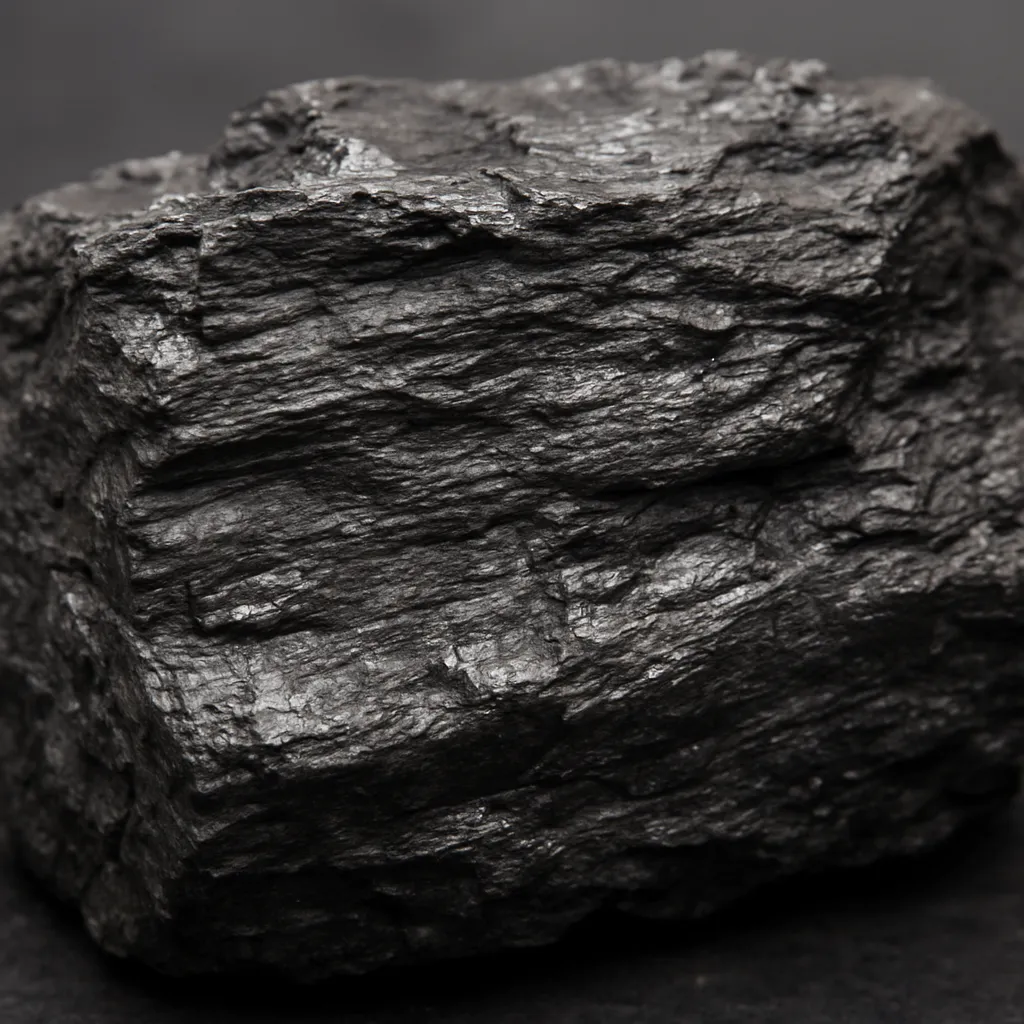
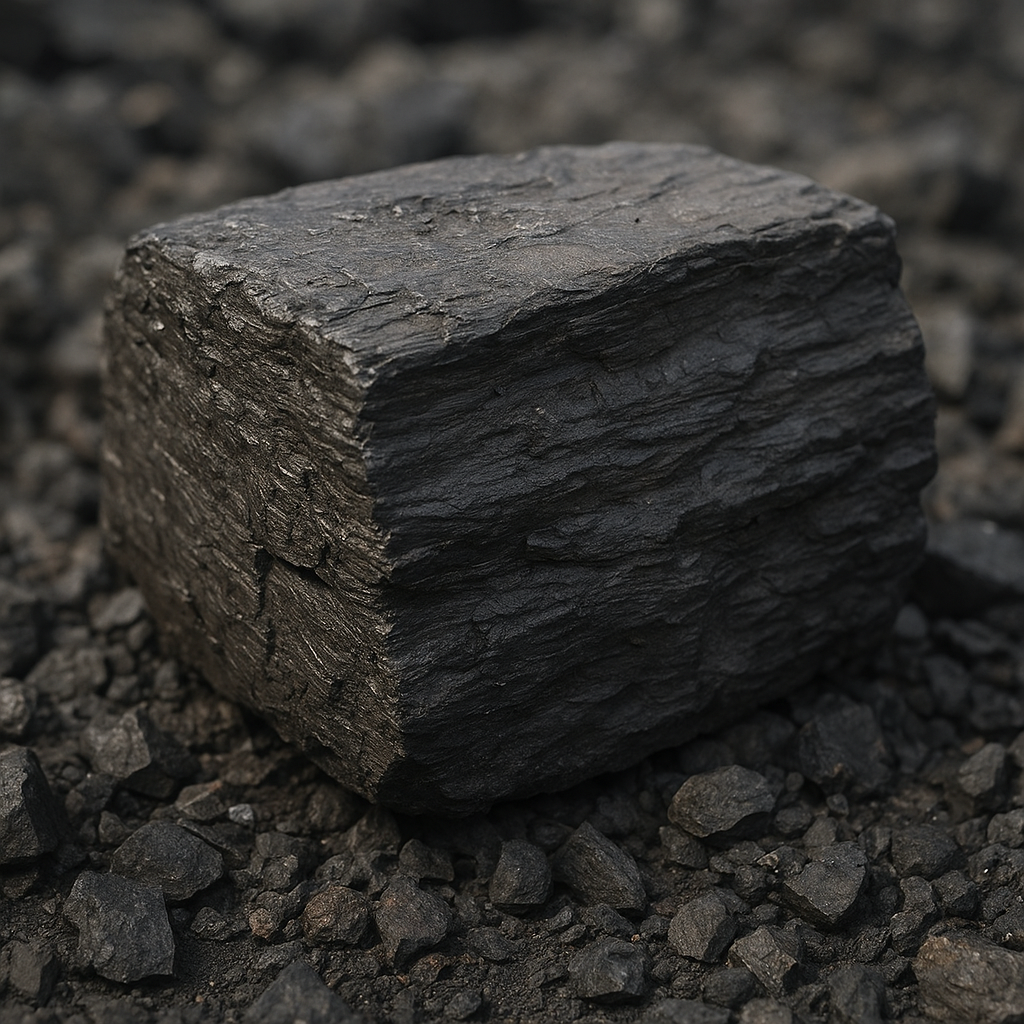
- Appearance and texture: often brown, crumbly and friable; does not form hard coal seams like bituminous coal and is frequently mined in thick, near-surface layers.
The combination of low energy density and high moisture makes lignite less suitable for long-distance transport; consequently it is typically used in mine-mouth power plants or processed locally into briquettes, pellets or upgraded solid fuels.
Where lignite occurs and how it is mined
Lignite deposits are widespread globally but most economically exploited where thick, near-surface seams allow cost-effective extraction. Lignite is found in sedimentary basins that were once peat-forming wetlands during the Tertiary and Quaternary periods. Mining methods and local geology determine the economics and environmental footprint of operations.
Major producing regions and countries
- Europe: Europe is a key region for lignite, with significant deposits and production in Germany (Rhineland and Lusatia basins), Poland, the Czech Republic, Greece, Bulgaria and Romania. Surface mines and large mine-mouth power stations dominate in central and southeastern Europe.
- North America: In the United States, notable lignite production occurs in North Dakota, Texas and Montana; lignite is used primarily for regional electricity generation and in some cases for industrial applications and experimental gasification projects.
- Russia and Eurasia: Russia contains widespread low-rank coals including lignite and sub-bituminous reserves used regionally.
- Asia and Australia: While countries such as China, India and Australia are major coal producers overall, much of their production is higher-rank coal. However, low-rank coals including lignite and sub-bituminous coal are important domestically in some provinces and regions.
- Other areas: Lignite occurs in limited amounts on most continents where appropriate sedimentary basins exist; many smaller deposits supply local markets.
Mining techniques
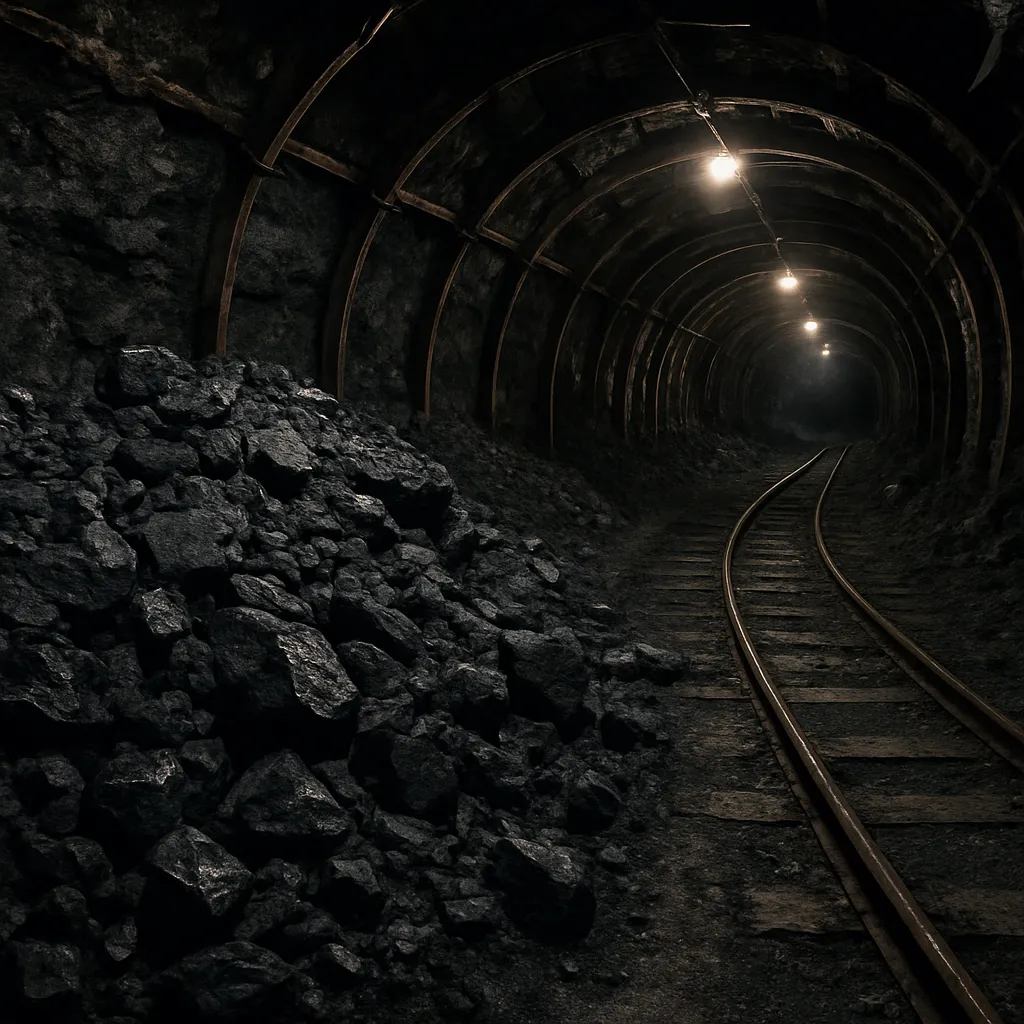
Because lignite seams are frequently shallow and laterally extensive, open-pit (surface) mining is the dominant extraction method. This enables high volumes at relatively low unit cost but produces large landscape disturbance. Underground mining is less common but used where seams are deeper or surface impact needs to be reduced. Typical mine components include overburden removal with large earth-moving equipment, conveyor systems to transport coal to adjacent power plants, and extensive water management systems to deal with groundwater.
Economic importance and industrial uses
Lignite plays an important role in regional energy security and industrial development in areas with accessible deposits. Its low price and proximity to consumers make it an economical fuel for electricity generation and district heating, sustaining jobs and local economies in mining regions. However, lignite’s lower energy density and higher emissions profile complicate its economic attractiveness in a carbon-constrained world.
Main uses
- Power generation: The largest single use of lignite is for generating electricity in mine-mouth thermal power plants designed for low-grade fuels.
- District heating and combined heat-and-power (CHP): Lignite can be used in CHP plants to supply heat to towns and industrial processes, improving overall fuel-use efficiency.
- Briquetting and solid fuels: Lignite can be dried and compressed into briquettes or pellets to increase its energy density for domestic or industrial use.
- Gasification and liquefaction: Technically feasible routes such as gasification (to produce syngas for chemicals or power) and liquefaction to liquid fuels exist, but they are capital-intensive and typically economical only with policy support or high fuel prices.
- Cement and construction materials: In some regions, lignite ash and by-products are co-utilised in cement production or other industrial applications.
Economic and social dimensions
Lignite mining and power generation create regional employment, tax revenue and infrastructure investment. Many towns and communities in lignite basins have economies closely tied to the mines and power plants. Economic planning for transition is essential as many governments pursue decarbonisation strategies; closure plans can require retraining, investment in alternative industries and reclamation funding. The balance between low-cost domestic fuel and climate obligations generates intense policy debates in many countries.
Environmental and public health impacts
Lignite combustion and mining have pronounced environmental footprints. Because of high moisture and lower carbon content, more fuel is needed per unit of electricity compared with higher-grade coals; this generally results in relatively high carbon dioxide (CO2) emissions per megawatt-hour and significant emissions of pollutants unless controlled.
Key environmental concerns
- Greenhouse gas emissions: Lignite-fired power plants emit significant CO2; per unit of generated electricity they often emit more than plants burning higher-rank coals or natural gas.
- Air pollutants: Sulfur dioxide (SO2), nitrogen oxides (NOx), particulate matter (PM) and trace metals such as mercury can be released from lignite combustion, requiring pollution-control systems.
- Water impacts: Mining may lower groundwater tables, alter hydrology, and require large volumes of water for processing and dust suppression.
- Landscape and biodiversity: Surface mining transforms landscapes, removes vegetation and soil, and can fragment habitats; reclamation and restoration are expensive and take decades.
- Human health: Communities near mines and coal-fired plants can experience elevated respiratory and cardiovascular risks associated with air pollution and dust.
Mitigation and control technologies
Modern lignite-fired plants commonly use flue gas desulfurization (FGD), selective catalytic reduction (SCR) for NOx control, electrostatic precipitators or fabric filters for particulates, and activated carbon injection for mercury control. Advanced options to reduce the carbon footprint include higher-efficiency plant designs, retrofitting with carbon capture systems (CCS), co-firing with biomass to lower net emissions, and switching to alternative fuels. CCS on lignite plants is technically feasible but expensive due to the large volumes of CO2 produced per unit of energy.
Statistics, trends and notable examples
While precise annual production and reserve numbers change year by year, several consistent patterns are observable: lignite remains a key domestic fuel in certain countries; most uses are local or regional because of transport economics; and its role is under pressure from climate policy and competition from lower-carbon electricity sources.
Representative technical statistics
- Typical lower heating values for lignite: 8–20 MJ/kg.
- Typical moisture content: 25–60% by weight.
- CO2 intensity: lignite-fired electricity production tends to have a higher CO2 output per MWh than hard coal and substantially higher than natural gas; often an increase of 10–30% relative to bituminous coal on a per-MWh basis (exact value depends on plant efficiency and fuel quality).
Notable mines and power plants
- Germany: Large open-pit operations in the Rhineland and Lusatia are among the world’s most visible lignite landscapes, supplying nearby large thermal power stations. Germany historically produced some of the largest lignite volumes in Europe.
- Poland: The Bełchatów power station (central Poland) is one of Europe’s largest single lignite-fired plants, supplied by a large adjacent open-pit mine. Many Polish regions rely on lignite for baseload power.
- United States: North Dakota and Texas lignite mines supply local mine-mouth power plants; US lignite resources also underpin research into gasification and synthetic fuel approaches.
- Greece and Balkans: Several countries in southeastern Europe rely on lignite for a substantial share of electricity generation and district heating.
Market and policy trends
Many governments in Europe and elsewhere have announced plans to reduce coal use, driven by climate targets, air quality policies, and economics of renewables. In some cases, lignite phase-out timelines have been set (for example, EU member states negotiating their national pathways), while in other contexts lignite remains part of energy security strategies. The economics of lignite are shaped by local subsidies, CO2 pricing (emissions trading systems), and the availability of alternatives such as natural gas, renewables with storage and energy efficiency improvements.
Technological developments and future outlook
The future of lignite will be determined by a combination of technical feasibility, economics and public policy. Several technological pathways could extend the life of lignite in a lower-carbon economy, but all are technically and/or economically challenging.
Key technological options
- High-efficiency thermal plants: Improving the thermal efficiency of lignite-fired plants reduces CO2 emissions per MWh and can be achieved with advanced steam cycles and better fuel handling.
- Drying and upgrading: Pre-drying and upgrading technologies can reduce moisture, increasing heating value and improving combustion efficiency; these processes add cost and energy penalties.
- Co-firing and fuel blending: Co-firing lignite with biomass or higher-grade coal can reduce net carbon intensity.
- Gasification and polygeneration: Lignite gasification produces syngas that can be used for electricity, heat or as chemical feedstock; integrated gasification combined cycle (IGCC) plants can achieve higher efficiencies and are amenable to CO2 capture.
- Carbon capture, utilisation and storage (CCUS): Capturing CO2 from lignite plants is feasible but subject to high capital and operating costs because of the large volumes of CO2.
Socio-economic transition measures
Because lignite-based economies often involve concentrated employment and public revenues, a just transition requires investment in retraining, economic diversification, environmental remediation and social support. Regions historically dependent on lignite mining can leverage infrastructure, land and workforce skills for renewable energy projects, industrial redevelopment and ecological restoration, but this takes coordinated policy and financing.
Interesting facts and broader perspectives
- Local fuel logic: Lignite is generally uneconomic to transport long distances. This mine-mouth characteristic explains why it persists in areas where high-quality alternatives would need to be imported.
- Historical role: In the 19th and 20th centuries, lignite was a key driver of industrialisation and electrification in many parts of Europe where it provided a cheap, accessible energy source.
- Landscape legacies: Large open-pit lignite mines have created unique post-mining landscapes; some have been transformed into lakes, recreation areas, or used for forestry and new land uses after reclamation.
- Research and innovation: Lignite has prompted research into low-rank coal upgrading, advanced combustion systems, and CO2 capture technologies because its high emissions intensity poses a major climate challenge.
Conclusions and considerations
Lignite remains an important but contentious energy resource. In many regions it provides affordable, reliable electricity and supports local economies; at the same time it contributes disproportionately to CO2 emissions and local environmental degradation. The balance between economic benefits and environmental costs varies by country and community. Technological options (efficiency improvements, drying/upgrading, gasification, CCS) can reduce the environmental footprint but involve substantial costs. Policy choices about energy systems, carbon pricing, and social transition measures will largely determine whether lignite’s role shrinks rapidly in the coming decades or whether it remains part of the energy mix in certain regions for a longer period. For communities dependent on lignite, carefully planned transitions that combine economic diversification, workforce retraining and environmental remediation are essential to achieve sustainable outcomes.