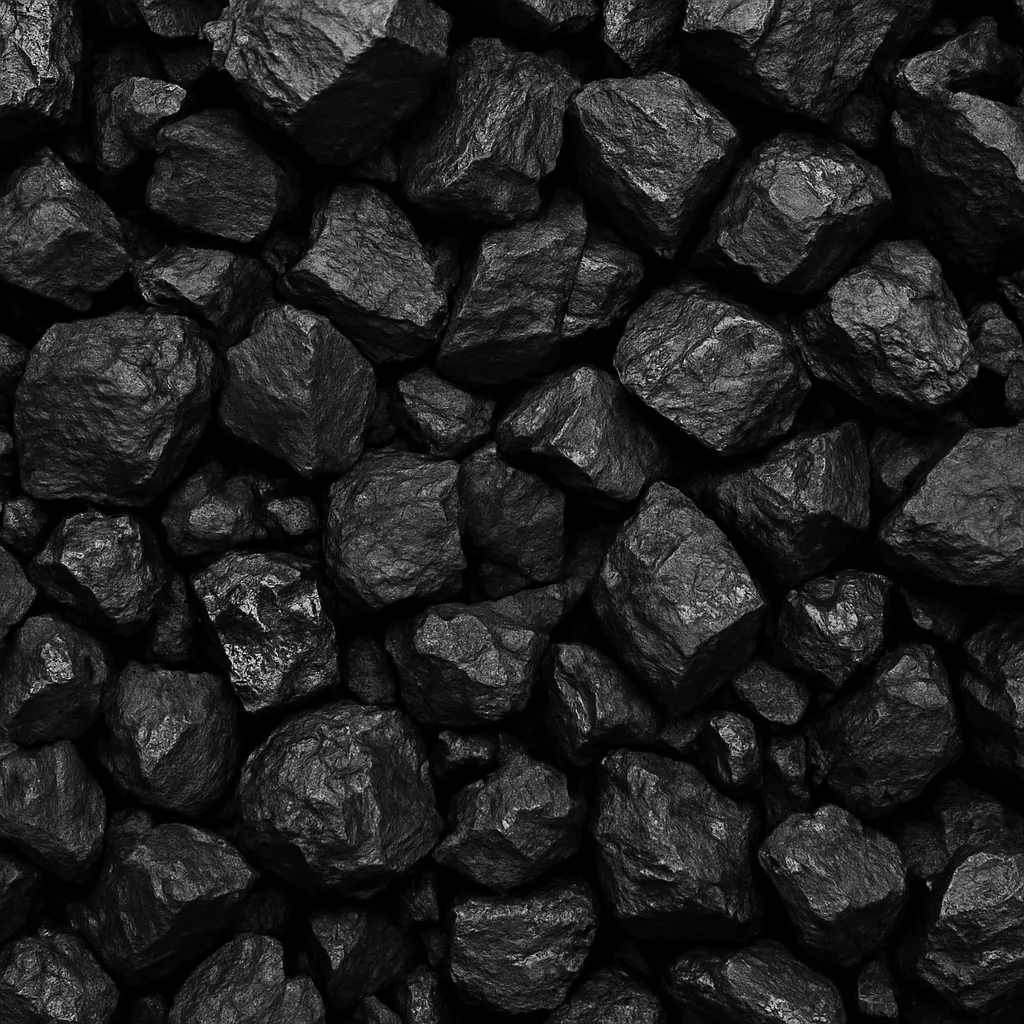
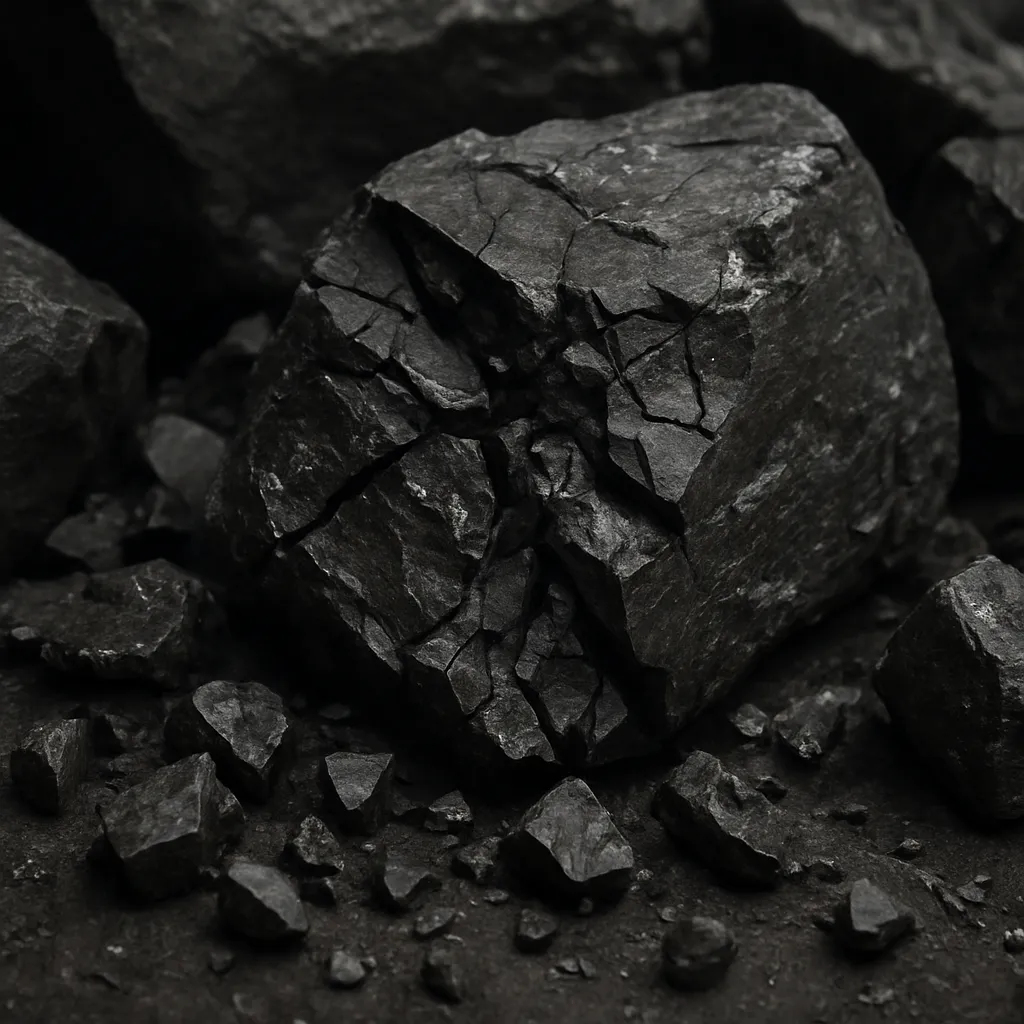
Steam coal, commonly referred to as thermal coal, is the coal type primarily used to produce heat and generate electricity. Unlike metallurgical coal used in steelmaking, steam coal is burned in power stations and industrial boilers, where its energy content is converted to steam and then mechanical or electrical energy. This article explores the geology, global distribution, economic importance, trade patterns, environmental impacts, and technological trends surrounding steam coal, with statistical context and practical observations about its current and likely future role in the global energy system.
Geology, Types and Properties of Steam Coal
Coal forms from the accumulation and compaction of plant material over geological time. Steam coal covers a range of coal ranks and qualities, typically including bituminous, sub-bituminous and lignite varieties that are suitable for combustion in boilers and power plants. Key physical and chemical properties that determine the usefulness of steam coal are calorific value (energy content), moisture, volatile matter, fixed carbon, ash content and sulfur.
Rank and calorific value
- Higher-rank coals (high-volatile bituminous) have higher calorific values and lower moisture, making them more energy-dense and efficient for transport and large power plants.
- Lower-rank coals (sub-bituminous and lignite) have higher moisture and lower heating value; they are often used in mine-mouth power plants where transport cost would be prohibitive.
Combustion characteristics and quality concerns
The choice of steam coal depends on boiler design (pulverised fuel, fluidised bed, grate-fired), desired emissions profile, and cost. Coals with high ash or sulfur require additional handling, pollution control and sometimes blending to meet emissions and operational requirements.
Where Steam Coal Occurs and Where It Is Mined
Major coal-bearing basins are distributed across all inhabited continents. Steam coal occurrences are widespread, with large, economically recoverable reserves concentrated in a few countries with extensive coal geology.
Top producer countries
- China: The world’s largest coal producer and consumer. Much of China’s coal production is used domestically for electricity generation, district heating and industry.
- India: Large domestic production focused on thermal power; India’s coal sector is key to its energy security and development strategy.
- United States: Significant production in the Powder River Basin (sub-bituminous) and Appalachian Basin (bituminous).
- Australia: Major producer and exporter—Australia supplies both thermal and metallurgical coal to global markets.
- Indonesia: Large exporter of thermal coal, with extensive surface and some underground mines focused on seaborne shipments.
- Russia, South Africa, Colombia and Poland are also notable producers with significant thermal coal output.
Regional characteristics
- Asia: Dominated by domestic production and consumption in China and India; Southeast Asian exporters (Indonesia) serve regional and global markets.
- Oceania: Australia plays a major role as a seaborne exporter to Asia.
- Americas: The United States and Colombia supply both domestic needs and export markets.
- Africa & Europe: South Africa is an important coal exporter; several European countries have significant reserves but many are in decline due to policy shifts.
Global Production, Consumption and Trade: Statistical Overview
Coal remains one of the most widely traded and consumed fossil fuels in the world. While trends vary by country and region, several broad statistical patterns stand out.
Production and consumption magnitudes
Global coal production and consumption are measured in million tonnes (Mt) or million tonnes of coal equivalent. In recent years, global coal consumption has hovered in the range of roughly 7 to 8.5 billion tonnes (all coal types), with steam coal comprising the majority because of its use in power generation. Consumption saw a rebound in the early 2020s due to higher demand for electricity and industrial heat, particularly in Asia.
Seaborne trade
Seaborne trade concentrates the export-import flows of thermal coal. Annual seaborne thermal coal trade typically ranges around 1.1–1.3 billion tonnes, though it fluctuates with economic cycles, weather patterns, and geopolitical events. Major export hubs include Indonesia, Australia, Russia (ports on the Pacific and Atlantic), Colombia (Caribbean and Pacific), and South Africa (Richards Bay).
Major importers
- China: by far the largest importer historically when domestic supply constraints or quality requirements drove purchases; however, China relies mostly on its own production.
- India: significant importer, though it relies heavily on domestic mines as well.
- Japan, South Korea, Taiwan: import high-quality thermal coal for baseload power that complements gas and nuclear.
- European markets and Southeast Asian nations: variable importers depending on policy and local generation mix.
Price trends and benchmarks
Thermal coal prices are tracked by regional benchmarks such as API2 (Northwest Europe) and API4 (Richards Bay, South Africa), and various Indonesian reference prices for FOB cargoes. Prices experienced substantial volatility during 2021–2023 due to supply chain disruptions, commodity market turbulence, and geopolitical events. Benchmark prices rose sharply at times, reflecting tightened supply, then moderated as markets adjusted and demand-side pressures changed.
Economic and Industrial Importance
Steam coal is central to energy systems, industrial heat, and economic development in many countries. Its low capital cost for power plants, the reliability of coal-fired plants for baseload power, and the abundance of reserves make it an important economic asset.
Electricity generation role
Coal-fired generation has historically been the backbone of electrification in many regions, supplying consistent and dispatchable power. Globally, coal has supplied roughly one-third to two-fifths of electricity generation in recent years, making it the single largest source in many metrics. This share varies: in OECD countries it has declined as gas and renewables rose, while in developing and emerging economies coal often remains dominant.
Employment and local economies
Mining and coal-fired power plants provide direct employment in extraction, transport, and plant operations, and indirect jobs in equipment supply, engineering, and port services. In many coal-producing regions, the industry is a significant source of local fiscal revenue and community livelihoods.
Trade balances and export revenues
For major exporters, thermal coal generates significant foreign exchange. Indonesia and Australia, in particular, have built substantial export industries that support ports, shipping, and logistics sectors.
Environmental and Health Impacts
Combustion of steam coal produces greenhouse gases, air pollutants and solid residues. These impacts have driven policy scrutiny and efforts to reduce coal’s environmental footprint.
Greenhouse gas emissions
Coal combustion emits more CO2 per unit of energy than oil or natural gas. Coal-fired power plants are among the largest stationary sources of CO2 globally. As a result, emissions from coal are a primary focus in national climate strategies and global efforts to limit warming.
Air pollutants and public health
Combustion releases sulfur dioxide (SO2), nitrogen oxides (NOx), particulate matter (PM), and mercury unless controlled. These pollutants contribute to acid rain, smog, respiratory illness and environmental degradation. Modern plants often use flue gas desulfurization, selective catalytic reduction and particulate filters to limit pollutants, but such controls increase the cost of generation.
Solid residues and water impacts
Coal combustion residuals (ash and slag) require disposal or beneficial reuse; poor management can contaminate groundwater and soils. Mining operations can alter landscapes, affect water tables, and cause subsidence if not properly managed.
Mitigation, Technologies and the Future of Steam Coal
Policy, technology and economics are shaping the future role of steam coal. Decarbonisation goals, fuel competition, and advances in technology will determine coal’s trajectory.
Efficiency improvements and plant upgrades
High-efficiency, low-emissions (HELE) coal technologies—such as ultra-supercritical (USC) plants—reduce CO2 per MWh by improving thermal efficiency. Retrofitting older plants or replacing them with HELE units can reduce emissions intensity, although absolute emissions may remain high without fuel switching.
Carbon capture, utilisation and storage (CCUS)
Carbon capture and storage (often written CCS or CCUS) is a technology pathway to reduce CO2 emissions from coal plants by capturing and storing CO2 underground. While technically feasible, CCUS faces high costs, energy penalties and infrastructure challenges. Deployment in power generation remains limited but is an important area of research and demonstration.
Blending, co-firing and alternative fuels
Co-firing biomass with coal or blending coal with lower-carbon fuels can reduce net emissions per unit of electricity. Co-firing allows existing assets to remain operational while lowering lifecycle carbon, but sustainable biomass supply and lifecycle accounting are complex.
Policy drivers and market dynamics
Carbon pricing, air quality regulations, subsidies for renewables and energy efficiency, and investor pressures have reduced coal’s competitiveness in many regions. Conversely, energy security concerns, the need for reliable baseload power, and lower short-term capital costs can support continued coal use in some nations.
Trade-offs, Geopolitics and Energy Security
Coal policy is not only about climate; it intersects with geopolitics, domestic industry policy and energy access. For import-dependent countries, diversified supply and long-term contracts can mitigate price volatility. For exporters, access to markets and commodity price cycles shape investment decisions.
Geopolitical shocks and market responses
Events such as major supply disruptions or geopolitical conflict can sharply affect coal markets, causing price spikes and prompting short-term switching between fuels in power generation. Such shocks also accelerate policy conversations about strategic reserves, diversification and domestic resource development.
Just transition and social implications
Reducing coal use has social implications in mining regions: job losses, reduced local revenues and community change. Policymakers stress the need for a just transition—retraining, economic diversification and social safety nets—to manage coal phase-down without undue social harm.
Interesting Facts and Lesser-Known Aspects
- Steam coal varieties can be blended to achieve specific combustion and emission characteristics in individual power plants.
- Mine-mouth lignite-fired plants are among the cheapest sources of electricity per MWh (capital and fuel costs considered) but are also among the most carbon-intensive when measured per unit of electricity.
- Some countries with abundant coal reserves have postponed large-scale coal phase-out due to energy access, industrial needs or fiscal considerations.
- Technological advances are enabling lower-emission coal use in the short term, but long-term climate goals imply a declining role unless CCUS becomes economically scalable.
Concluding Perspective
Steam coal remains a major component of the global energy mix. It provides reliable, dispatchable power and supports industry and employment in many regions. However, its environmental footprint and the global commitment to reduce greenhouse gas emissions are reshaping its economic and policy context. In the near term, coal will likely remain important in regions with growing energy demand and limited alternatives. Over the medium to long term, the pace of coal decline will depend on the affordability and scalability of low-carbon alternatives—renewables, storage, gas with lower emissions, and widespread CCUS—along with national policy choices balancing climate objectives, energy security and socio-economic impacts.
Key words emphasized in the text: steam coal, thermal coal, electricity, China, India, exporters, seaborne trade, emissions, coal-fired power plants, CCS.