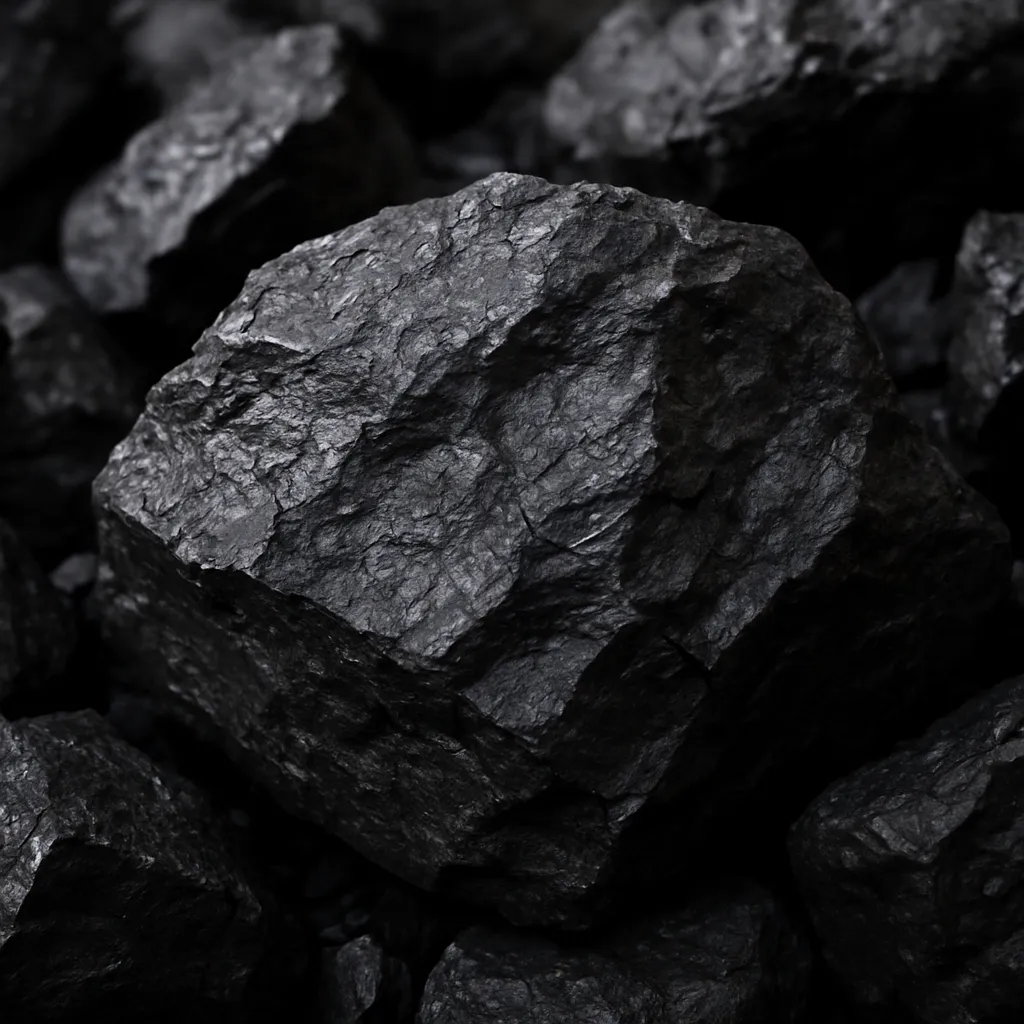
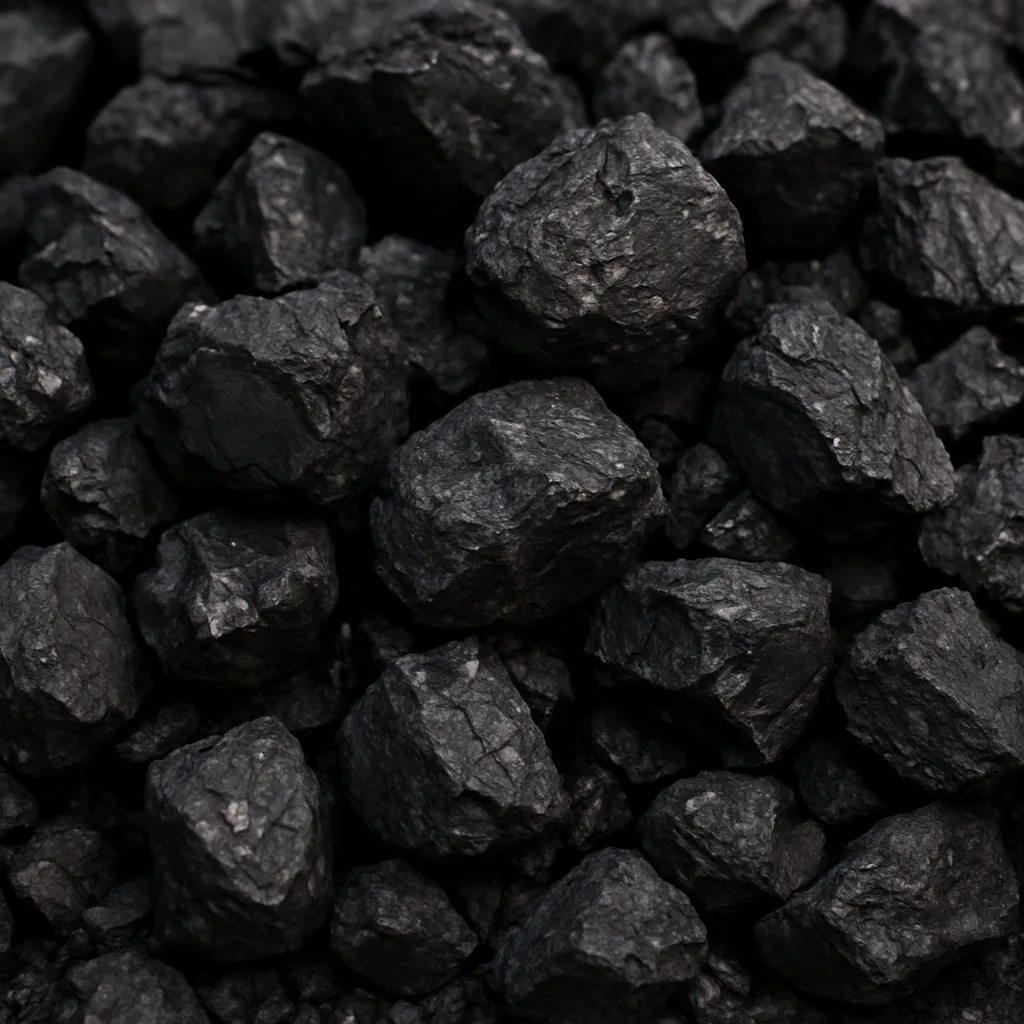
Soft coking coal occupies a specific and important niche within the family of bituminous coals. It combines properties that make it partially suitable for metallurgical processes, particularly when blended with stronger coking coals, while also being used in other energy and industrial applications. This article reviews the geological characteristics, major producing regions, uses in industry—especially in steelmaking—economic and trade aspects, environmental implications, and market outlook for soft coking coal, with approximate statistical context from the early 2020s.
Geological characteristics and classification
Coal classification depends on rank, maceral composition and coke-making behavior. Within the metallurgical coal category, coals are often described as hard coking coal, semi-soft coking coal, and soft coking coal (sometimes called weak coking coal). Soft coking coal typically has lower plasticity and lower ability to form a coherent, high-strength coke when carbonized alone. Key technical properties include:
- Rank and proximate analysis: soft coking coals are usually medium- to high-volatile bituminous coals. Typical ranges are fixed carbon roughly 55–75%, volatile matter 20–35%, with ash and moisture varying by deposit.
- Coke-making indices: soft coking coals have a lower free swelling index (FSI) and lower crucible contraction compared to hard coking coals. Their resulting coke is less strong and porous.
- Chemical composition: sulfur and ash contents can vary significantly by seam. Good metallurgical practice favors low sulfur and low ash coals, or the use of washing and beneficiation to achieve acceptable qualities.
Because soft coking coals make inferior coke by themselves, they are typically blended with harder coking coals to reach a target coke strength, size distribution and reactivity suitable for blast furnace operation. They are also evaluated for alternative metallurgical roles such as pulverized coal injection (PCI) or for briquetting and coke oven adjustments.
Major deposits and producing regions
Soft coking coal occurs in many basins worldwide wherever bituminous coal ranks prevail. Significant producing regions include Australia, Russia, North America, China, Colombia, Canada and parts of Central and Eastern Europe. Distribution often mirrors broader metallurgical coal production patterns.
Australia
Australia is a dominant player in the global seaborne coking coal market. Key basins such as the Bowen Basin (Queensland) and the Newcastle/Upper Hunter regions (New South Wales) host large volumes of metallurgical coal, including both hard and softer coking grades. Australian producers commonly blend coals from different seams to produce coking blends tailored for export customers. On the seaborne market, Australia typically accounts for the largest share of coking coal exports.
Russia
Russian metallurgical coal comes mainly from the Kuznetsk Basin (Kuzbass), the Pechora and the Far East deposits. Russia is a major exporter of coking coal and supplies a mix of hard and softer coking coals to Asia and Europe. Logistics routes (rail and port access) influence which customers receive which quality grades.
North America
The United States (Appalachian basins, Illinois Basin, Powder River Basin for thermal products) and Canada (British Columbia — Elk Valley) produce coking coals used domestically and exported. Appalachian coal traditionally supplies high-quality coking blends, while Canadian metallurgical coal, particularly from the Elk Valley, includes hard coking coals but also semi-soft and soft types used in blends.
China and India
China is both the world’s largest coal producer and the largest consumer. Domestic coal includes very large volumes of bituminous coals with variable coke-making properties; domestic soft coking coals are blended and used within integrated steel complexes. India produces significant coking coal domestically but also imports seaborne coking coal to satisfy its steel industry demand.
Other regions
Colombia, South Africa, Poland, the Czech Republic and a number of other countries produce metallurgical coal of varying quality. In Central Europe, historically important coking coal seams are often of variable quality and increasingly subject to economic and regulatory pressures.
Mining, beneficiation and processing
Mining methods for soft coking coal mirror those for other bituminous coals and include both underground and surface (open-pit) operations depending on seam depth and geology. Extraction is followed by processing steps that improve coal quality and consistency for customers:
- Washing and dense medium separation remove ash and some sulfur-bearing minerals, improving energy value and coke performance.
- Blending strategies combine coals of different plasticity, rank and ash characteristics to meet coke oven and blast furnace specifications.
- Coking preparation may include homogenization, crushing and sizing to optimize oven feed and coke size distribution.
Soft coking coals, when beneficiated, can become more competitive for metallurgical use. However, beneficiation increases production costs, which affects the economics of supply and the ultimate market destination for the coal.
Industrial uses and significance in steelmaking
The primary industrial use of coking coals is in the manufacture of metallurgical coke, a porous carbon material used as a reducing agent and structural support in blast furnaces. Soft coking coal contributes to steelmaking in several specific ways:
- Blending: Soft coking coals are blended with harder coals to produce a suitable coke blend; using soft coals reduces overall feedstock costs when they are cheaper than hard coking grades.
- Coke Oven Operation: The physical and chemical behavior of soft coking coals affects oven pressure, time-to-quench and coke size distribution; process control is adjusted accordingly.
- Pulverized Coal Injection (PCI): Some soft coking coals can be used for PCI to provide heat and reduce coke consumption in blast furnaces, although coal quality and reactivity determine suitability.
- Alternative uses: Where metallurgical demand is limited, soft coking coals may be used in power generation, as feedstocks for briquettes, or in some chemical processes.
Because steelmaking accounts for a large share of metallurgical coal consumption, the quality attributes of soft coking coal influence furnace efficiency, coke consumption rates, and ultimately production costs for steelmakers. Even lower-quality or softer coking coals remain valuable when integrated into well-designed blends.
Economic and trade aspects
The economics of soft coking coal are shaped by demand from the steel industry, supply fundamentals, and logistics. Some salient points:
- Seaborne market importance: A significant portion of global metallurgical coal trade occurs via the seaborne market, where major exporters (notably Australia, Russia, Canada and the US) supply importing nations such as China, India and Japan.
- Price volatility: Coking coal prices have historically been more volatile than thermal coal prices due to the concentrated nature of supply, the sensitivity of steel production to feedstock quality, and episodic disruptions (extreme weather, mine accidents, export restrictions, and geopolitical tensions). The early 2020s saw pronounced volatility including sharp price spikes and subsequent corrections.
- Logistics and port capacity: Transport costs, rail bottlenecks and port throughput affect delivered prices and can make certain regional supplies more competitive.
- Blending economics: Steelmakers often optimize their blends to balance cost and coke quality; this creates demand for a spectrum of coal qualities, including soft coking coal, which can fill pricing and quality niches.
Market shares are concentrated: in the seaborne metallurgical coal market, Australia is the leading exporter, accounting for the largest portion of shipments, followed by Russia, the United States and Canada. Import demand is dominated by China and India, which together consume large shares of seaborne metallurgical coal, though China also produces substantial domestic quantities.
Statistical context and approximate figures
Quantitative statements about coal markets vary by year, but the following approximate figures reflect the early 2020s context:
- Total global coal production (thermal + metallurgical) was on the order of 7–8 billion tonnes annually. Metallurgical coal (the category that includes soft coking coal) represented roughly 10–15% of total production, i.e., on the order of several hundred million to around one billion tonnes per year, depending on definitions and the reporting year.
- Seaborne metallurgical coal exports are dominated by a few countries: Australia often supplies roughly 35–45% of the seaborne coking coal market, with Russia supplying a significant portion (often in the 15–25% range), and Canada, the United States and Colombia making up other major shares.
- Price dynamics: Spot prices for various coking coal grades have historically ranged widely — from levels comparable to or slightly above thermal coal in low-price periods to several times higher during supply shortages. The first half of the 2020s saw episodes of rapid increases driven by supply disruptions and strong steel demand.
Note: these numbers are approximate and indicative. Exact values depend on the specific reporting year and on whether one counts raw coal, clean coal after washing, or different product definitions.
Environmental and regulatory considerations
Use and production of soft coking coal are subject to environmental concerns similar to other fossil fuels, with some industry-specific issues:
- Greenhouse gas emissions: Coke production and blast furnace steelmaking are carbon-intensive. The steel industry is under pressure to decarbonize, which reduces long-term demand risk for all types of coking coal, even though near-term needs persist.
- Local impacts: Mining operations—both open-pit and underground—affect land, water and air quality. Dust, runoff and landscape alteration are managed by regulatory frameworks, rehabilitation programs and industry best practices.
- Cleaner coke technologies and alternative ironmaking: There is active development of lower-emission steelmaking routes, including hydrogen-based direct reduction, increased electric arc furnace (EAF) use with recycled steel, and improved coke oven and blast furnace efficiency. These developments could lower demand for metallurgical coal over the medium to long term.
Despite the pressures, many steelmakers and coal producers are investing in mitigation: carbon capture at industrial sites, co-processing of biomass, improved energy efficiency in coke ovens and more targeted use of premium coals to minimize overall environmental footprint per tonne of steel produced.
Market trends and technological developments
Several trends influence the role of soft coking coal in the coming decades:
Short- to medium-term
- Blending flexibility remains valuable: Steelmakers will continue to use a mix of coal types to optimize costs and coke quality.
- Logistics and supply security: Countries that rely on imports may diversify suppliers or seek domestic alternatives.
- Price cycles: Metallurgical coal prices will remain exposed to cyclical steel demand and episodic disruptions.
Long-term
- Decarbonization of steelmaking: The transition to low-carbon steelmaking technologies could reduce demand for metallurgical coal. However, a significant installed base of blast furnaces means the transition will take time, keeping metallurgical coal relevant for years to come.
- Role of innovation: Improved coke oven efficiency, use of injectants (PCI/PCIc) and advanced beneficiation can change the mix of coal qualities demanded, potentially boosting the attractiveness of certain soft coking coals for specific roles.
Regional economic and social significance
In many producing regions, coal mining—including production of soft coking coal—remains a major employment and revenue source. Mining supports direct jobs in extraction and processing and indirect jobs in logistics, equipment supply and local services. In some areas, the fiscal contributions from coal royalties and taxes provide funds for public investment. Conversely, regions dependent on coal face economic and social challenges as global markets evolve and decarbonization policies advance, prompting discussions on just transition strategies to diversify local economies.
Practical considerations for buyers and steelmakers
Selecting and using soft coking coal requires technical and commercial judgment. Key considerations include:
- Quality control: Understanding FSI, Gieseler fluidity, ash chemistry and sulfur content is essential for blending and predicting coke behavior.
- Supply reliability: Mines with consistent production and logistics that minimize variability are preferred.
- Cost-versus-performance tradeoffs: Using more soft coking coal can reduce feedstock costs but may increase coke consumption or reduce furnace productivity; the right balance depends on local economics and technical constraints.
For many steelmakers, soft coking coal is a flexible component of feedstock strategy rather than a standalone solution.
Conclusion
Soft coking coal plays a pragmatic role in the metallurgical coal spectrum: it is not a substitute for high-strength hard coking coal when used alone, but its economic value lies in blending, supporting furnace operations via PCI and providing cost-effective feedstock options where appropriate. Major producing regions such as Australia, Russia, the United States, and Canada supply markets that include the enormous steel producers in China and India. While the industry faces long-term structural change driven by decarbonization, soft coking coal will remain relevant in the near and medium term as the steel sector balances cost, availability and emissions reduction pathways.