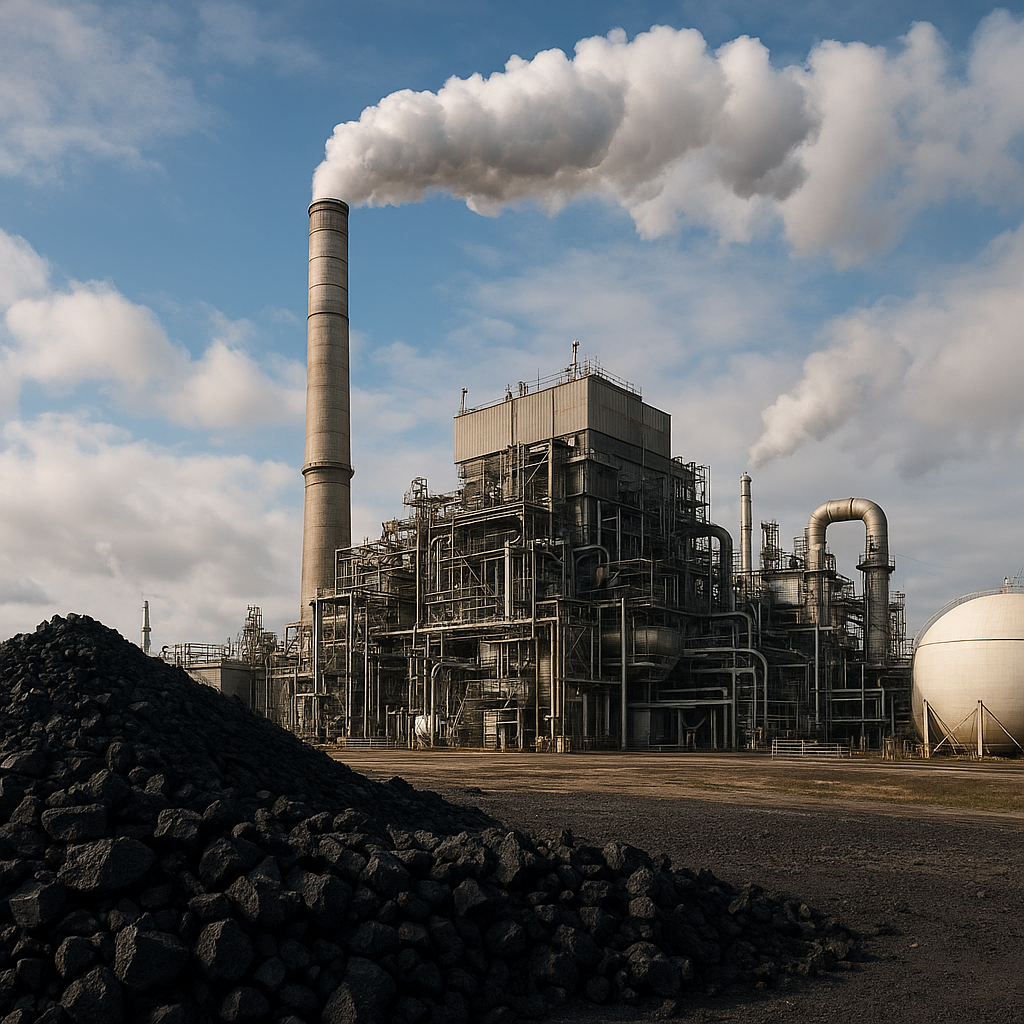
The significance of Coal in shaping the contour of modern economies across Asia cannot be overstated. From powering sprawling manufacturing hubs to underpinning national grids, this resource has remained a cornerstone of industrial growth across the region. As governments and investors grapple with evolving demands, the interplay between resource adequacy, market dynamics, and environmental stewardship emerges at the forefront of strategic planning. This article explores the multifaceted role of coal, examines the mechanisms of coal stock trading, and investigates related themes that influence the energy landscape in Asia.
Historical Evolution of Coal Usage
Asia’s journey with coal began in the late 19th century, when nascent industries in India, China, and Japan adopted steam-driven machinery. Rapid urbanization and the advent of railways amplified the demand for this abundant fuel. Over decades, reserves discovered in Shanxi, Queensland, and Kalimantan have underwritten expansion, making Asia the world’s largest coal consumer. The transformation from small-scale manual mining to mechanized extraction exemplifies how technological progress and policy priorities shaped production.
Major milestones include the establishment of state-owned enterprises in China during the 1950s, India’s Coal Nationalisation Act of 1973, and the privatization waves in Indonesia and Australia in the 1990s. Each shift influenced cost structures, worker safety standards, and supply chain efficiencies. In less than two centuries, coal evolved from local hearth fuel to the bedrock of entire power sectors, thanks to large-scale thermal power plants and integrated steel mills.
Coal Reserves and Mining Practices
Asia is endowed with vast coal deposits, particularly in China, India, Indonesia, and Australia. Governments place high strategic value on secure access to energy resources, leading to diverse extraction strategies:
- Opencast mining: Primarily used in regions with shallow seams, this method yields large volumes at relatively low cost but raises environmental concerns.
- Underground mining: Preferred for deep seams, involving longwall or room-and-pillar techniques to optimize recovery ratios.
- Coal-bed methane extraction: Capturing gas emitted during coal removal, which can then be sold or used for power generation.
Modern mines invest heavily in safety automation, real-time monitoring, and dust suppression systems. Meanwhile, emerging projects focus on meeting sustainability benchmarks, such as land reclamation and water recycling, aligning with stricter environmental regulations across the region.
Coal Stock Markets and Financial Instruments
Coal trading extends far beyond physical delivery. Futures, forwards, options, and swaps allow producers, utilities, and speculators to manage price risks. Key trading hubs include the China Zhengzhou Commodity Exchange, Newcastle in Australia, and Rotterdam in Europe, where benchmarks like API2 and API4 reflect coal’s global value.
Investors track indicators such as stockpiles at major ports, power plant inventories, and shipping freight rates to gauge supply-demand balances. Financial institutions offer structured products tied to coal indices, while over-the-counter (OTC) trades cater to customized risk profiles. However, complexity grows as carbon pricing mechanisms and climate policies influence the underlying commodity.
- Hedging strategies: Utilities lock in future prices to stabilize generation costs.
- Speculative positions: Traders exploit anticipated shifts in market volatility.
- Environmental, social, and governance (ESG) linked bonds: Capital raising for mines meeting reduced carbon footprints.
Environmental and Regulatory Challenges
Although coal offers reliable energy, its combustion releases significant quantities of greenhouse gases, sulfur dioxide, and particulate matter. Rising public awareness and international commitments, such as the Paris Agreement, exert pressure to curb emissions. In Asia, countries navigate between developmental imperatives and climate responsibilities.
Regulatory measures include:
- Emission standards: Limits on sulfur, nitrogen oxides, and mercury released by power plants.
- Carbon taxes and cap-and-trade systems: Financial incentives to reduce CO2 output.
- Moratoriums on new plants: Temporary halts in granting permits in pollution hotspots.
Compliance demands significant capital outlays for flue gas desulfurization, selective catalytic reduction, and particulate filters. Mines face regulations on land rehabilitation, water discharge, and community resettlement, which can impact profitability and project timelines.
Technological Innovations and Clean Coal Technologies
To reconcile coal utilization with environmental targets, several advanced technologies have emerged:
- Carbon capture and storage (CCS): Capturing CO2 emissions from power plants or industrial facilities and sequestering them underground.
- Integrated gasification combined cycle (IGCC): Converting coal into syngas to drive highly efficient gas turbines.
- Coal beneficiation and washery processes: Enhancing calorific value while reducing ash and moisture content.
- Fluidized bed combustion: Improving fuel flexibility and lowering pollutant formation.
Governments and corporations co-invest in demonstration projects to scale up these solutions. While initial expenditures are steep, long-term gains include reduced compliance costs, extended asset lifespans, and improved public acceptance of coal-fired facilities.
Future Prospects and Transition Strategies
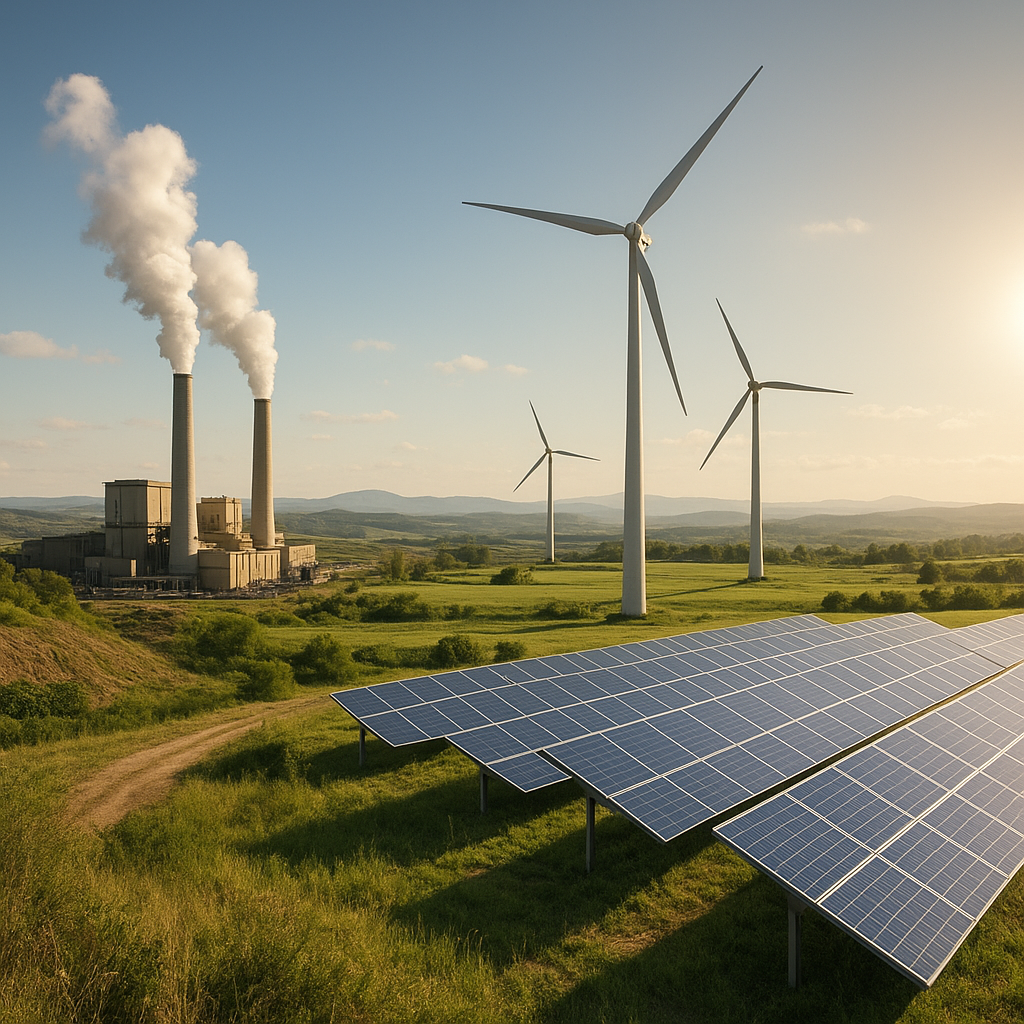
Economic forecasts for coal in Asia are mixed. Some nations, like Vietnam and Indonesia, plan capacity expansions to meet growing electricity needs. Others, such as Japan and South Korea, are accelerating renewable energy deployments and pioneering hydrogen-blending trials. The transition hinges on several critical factors:
- Affordability of alternatives: Cost parity between coal and solar, wind, or nuclear sources.
- Grid modernization: Enhancing flexibility to integrate intermittent renewables.
- Energy security: Balancing domestic mining with imports to avoid supply disruptions.
- Investor sentiment: Divestment trends prompted by ESG mandates.
Ultimately, aligning short-term energy demands with long-term sustainability objectives will define policy choices. Coal is unlikely to vanish overnight, but its future role may shift toward peaking plants, flexible operations, and linkage with carbon capture networks. Financial instruments will adapt as carbon pricing, regulatory frameworks, and emerging technologies reshape value chains, compelling stakeholders to innovate or risk obsolescence in a rapidly evolving energy marketplace.