The story of coal weaves through centuries of human endeavor, fueling revolutions and shaping landscapes. Its journey from a rudimentary heat source to a cornerstone of global energy systems reflects shifts in technology, market dynamics, and environmental consciousness.
Historical Rise and Spread
Coal’s significance accelerated during the 18th and 19th centuries. The discovery of abundant reserves in Great Britain propelled the industrial age. Mines emerged in regions like Northeast England, Wales, and central Scotland. Early extraction relied on manual labor, winding systems, and minimal safety measures. Over decades, innovations such as the steam engine increased output and reduced costs.
The steam engine, perfected by inventors like James Watt, became synonymous with coal power. Factories, railways, and shipping fleets harnessed its force. In North America, the Appalachian Basin and Illinois Basin yielded vast quantities of bituminous and anthracite coal. By mid-19th century, coal had overtaken wood as the primary fuel for locomotives and urban heating.
European coalfields also experienced rapid expansion. In Germany’s Ruhr Valley and France’s Nord-Pas-de-Calais region, mining corporations integrated extraction, processing, and transportation. Canals and rail lines linked pitheads to industrial cities. Urban populations grew around these hubs, creating new labor classes and social dynamics. Coal towns offered employment but carried hazards—from mine collapses to black lung disease.
Coal Stocks and Markets
Financial markets treat coal as both a commodity and a corporate sector. Companies like Peabody Energy and Glencore Coal operate global portfolios of mines, rail assets, and shipping contracts. Investors analyze factors such as production costs, geopolitical stability, and regulatory landscapes before allocating capital.
Market Drivers
- Global Demand: Emerging economies in Asia rely heavily on coal for electricity generation and industrial activity.
- Price Volatility: Weather events, labor strikes, and policy shifts can trigger rapid price swings on commodity exchanges.
- Currency Fluctuations: Export revenues from coal sales depend on foreign exchange rates, affecting profitability.
Investment Strategies
Portfolio managers may use coal futures and ETFs to hedge exposure or speculate on price movements. Long-term investors scrutinize corporate balance sheets and reserve quality. Digital platforms now offer retail traders access to coal-related securities, broadening market participation.
Technological Advances in Mining
Continuous improvement in extraction and processing technologies has transformed safety, efficiency, and environmental performance. Mechanized longwall mining and automated conveyor systems minimize manual labor while maximizing yield.
- Technology Integration: Sensors and drones conduct real-time inspections of mine conditions and structural integrity.
- Wastewater Treatment: Advanced filtration systems reduce contamination of local waterways by mine effluents.
- Carbon Capture Trials: Pilot plants explore post-combustion capture of emissions from coal-fired power stations.
Environmental Impact and Regulation
Coal combustion releases substantial carbon dioxide, sulfur dioxide, nitrogen oxides, and particulate matter. These pollutants contribute to climate change, acid rain, and respiratory illnesses. Governments have imposed stringent regulations to curb harmful outputs.
Policy Frameworks
- Clean Air Acts: Legislation in the United States and Europe mandates maximum emission caps and promotes scrubber installation.
- Carbon Pricing: Carbon taxes and cap-and-trade systems assign a cost to greenhouse gas releases, incentivizing cleaner alternatives.
- Mine Reclamation Laws: Companies must restore landforms and ecosystems after mining operations cease.
Despite controls, environmental advocates continue to challenge new coal projects on grounds of biodiversity loss, water usage, and health risks. Proponents argue that high-efficiency, low-emission (HELE) plants can bridge the gap while renewable capacity scales up.
Transition, Sustainability, and the Future
Global trends indicate a gradual shift away from coal to embrace renewable sources. Yet, coal remains vital for countries lacking reliable alternatives or facing rapid growth in electricity demand.
- Energy Security: Some nations perceive coal as a domestic resource that enhances energy independence.
- Economic Considerations: Coal mining supports livelihoods in regional communities and contributes to national GDP.
- Transition Policies: Just transition frameworks aim to retrain workers and diversify local economies.
Innovative technologies like carbon capture and storage (CCS) and coal-to-liquid processes hold promise but face cost and scalability hurdles. Meanwhile, research into sustainability emphasizes life-cycle assessments, waste valorization, and circular economy principles to reduce coal’s environmental footprint.
Broader Impacts and Global Dialogue
International forums such as the United Nations Framework Convention on Climate Change (UNFCCC) and the International Energy Agency (IEA) orchestrate dialogues on coal’s role in meeting climate goals. Recommendations include phasing out inefficient plants, boosting renewables, and investing in grid modernization.
At national levels, energy ministers weigh the trade-offs between economic growth, social equity, and ecological health. Coal-exporting countries negotiate bilateral agreements to maintain market access while aligning with decarbonization commitments. Consumers and activists leverage social media campaigns to pressure utilities and policymakers into adopting cleaner energy mixes.
Conclusion of Developments
Coal’s narrative is one of innovation, conflict, and adaptation. From powering the first industrialized cities to fueling emerging economies, it has underpinned human progress while posing profound challenges. As the world navigates a complex energy landscape, coal’s legacy will influence decisions on investment, corporate strategy, and international cooperation.
Emerging Opportunities
Despite uncertain demand trajectories, opportunities exist in coal-related spheres:
- Mine Rehabilitation: Converting former mining sites into renewable energy parks or ecological reserves.
- Clean-Tech Partnerships: Joint ventures between coal firms and green-tech companies to commercialize low-carbon solutions.
- Financial Instruments: Development of sustainability-linked loans and green bonds tied to emission reductions.
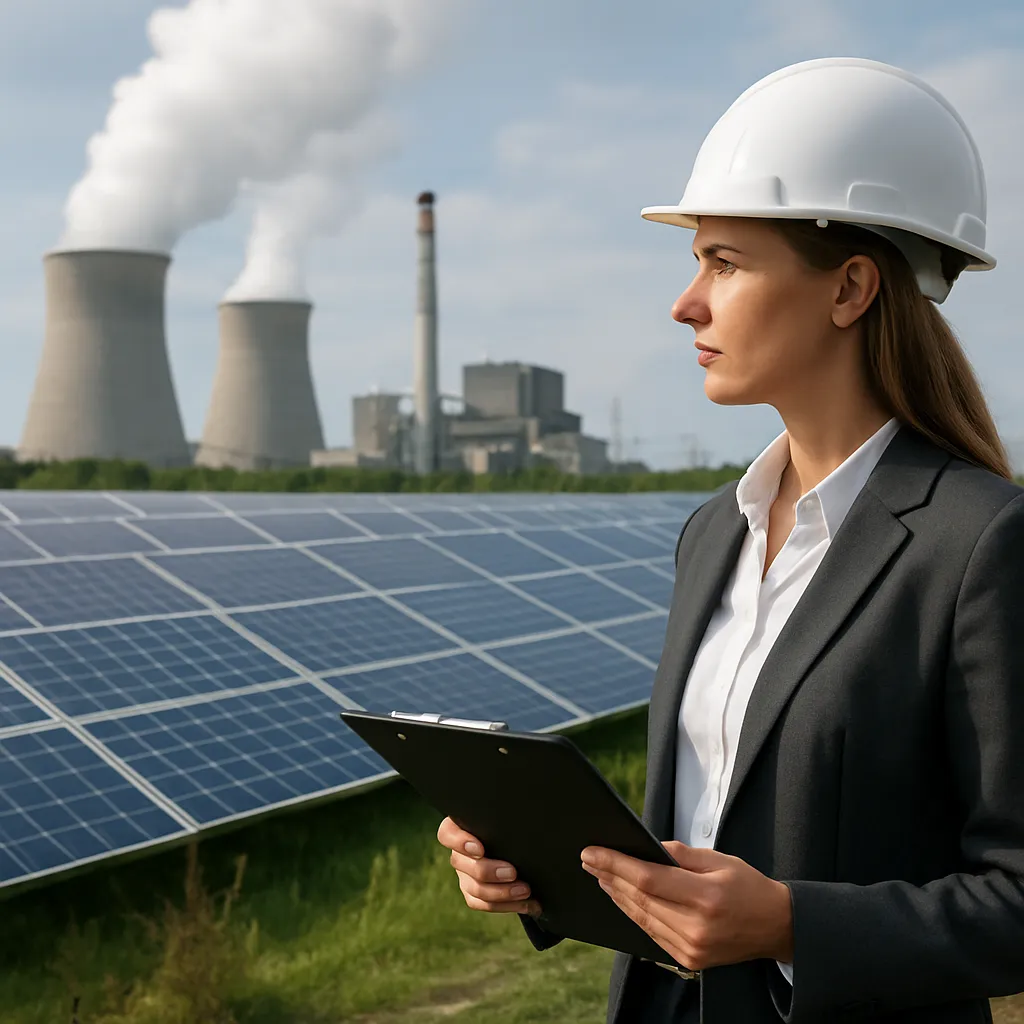
Meanwhile, stakeholders explore hybrid systems combining coal plants with solar, wind, or battery installations to optimize load balancing. The ability to integrate intermittent renewable sources with reliable baseload capacity underscores coal’s potential transitional role.
Key Takeaways for Stakeholders
- Policymakers must balance reliability, affordability, and environmental protection.
- Investors should monitor evolving markets and regulatory landscapes to manage risks and seize opportunities.
- Communities affected by coal operations need support in workforce development and economic diversification.
- Researchers and engineers continue to refine methods to mitigate the industry’s ecological footprint.
Looking Ahead
The future of coal will be shaped by breakthroughs in cleaner technologies, shifting energy policies, and changing societal expectations. Whether it remains a transitional fuel or a long-term energy pillar, its story is far from over. Coal’s complex legacy underscores the necessity of informed dialogue, collaborative innovation, and strategic foresight.