
Lean coal
This article explores the technical, economic and geopolitical dimensions of what is commonly referred to as “lean coal” — lower-energy, lower-volatile types of coal often used for power generation rather…

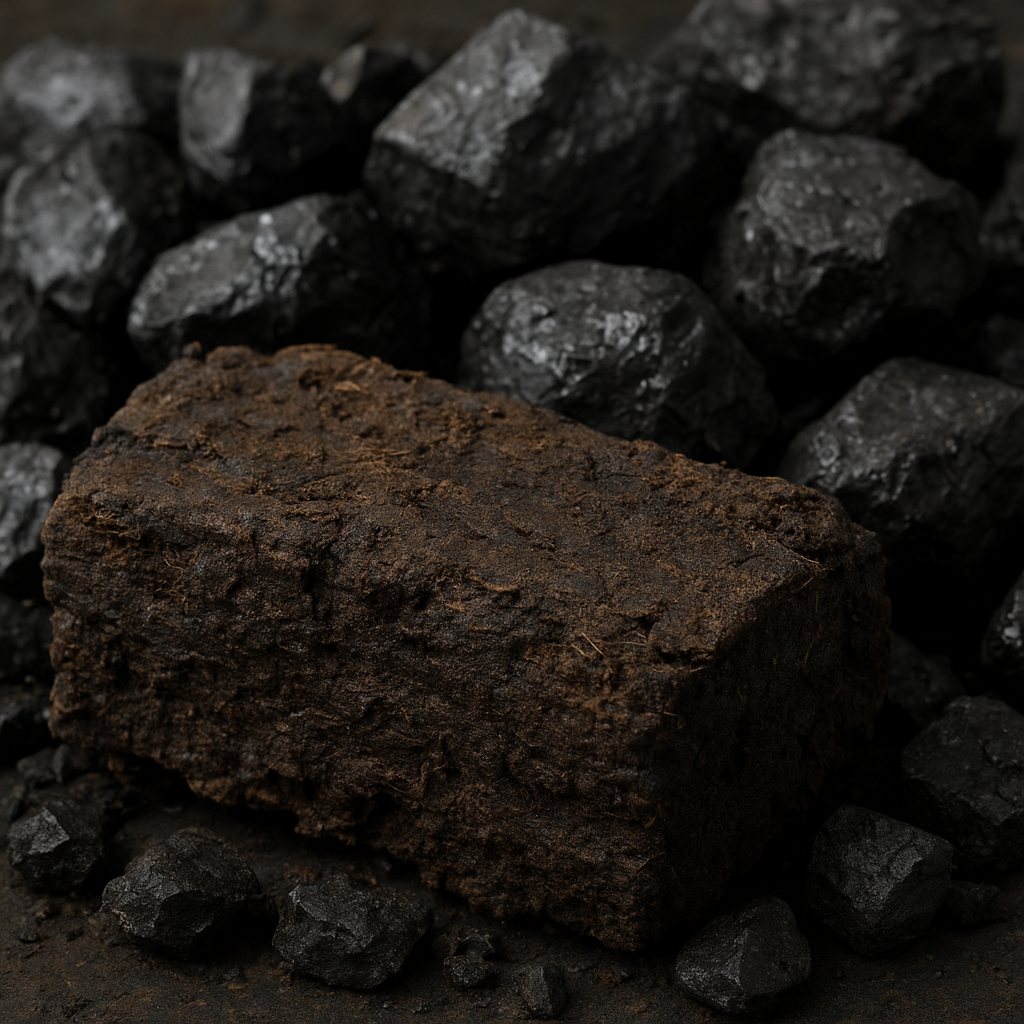
Peat coal
Peat, often called peat coal in some regional contexts, occupies a unique place between organic soil and true coal both geologically and economically. Formed over thousands of years from partially…


Brown coal
This article explores brown coal (commonly called lignite) in detail: its geological origins, where it is found and mined, its economic and industrial roles, statistical snapshots of production and consumption,…


Sub-bituminous coal
Sub-bituminous coal is an intermediate rank of coal that bridges the gap between lignite and bituminous coal. It plays a crucial role in modern energy systems, particularly in power generation,…


Low-volatile bituminous coal
Low-volatile bituminous coal is a high-rank coal grade prized for its elevated carbon content, strong coking properties and relatively low volatile matter. This article examines its geological characteristics, global distribution,…


Soft coking coal
Soft coking coal occupies a specific and important niche within the family of bituminous coals. It combines properties that make it partially suitable for metallurgical processes, particularly when blended with…


Coking coal
Coking coal, also known as metallurgical coal, is a specialized type of coal used primarily for producing coke, the essential carbonaceous material in traditional iron and steelmaking. Unlike thermal coal…


How Climate Agreements Affect the Coal Industry
The role of coal in global energy systems has long been a subject of complex debate. As nations balance growing electricity demands with environmental responsibilities, the dynamics of the coal…
