The following article provides a comprehensive overview of the Suek Tugnui Mine, a coal mining site associated with the Russian energy and mining company SUEK. It describes the mine’s location and geological context, the types of coal produced, operational characteristics, economic and logistical significance, and environmental and social considerations. Where precise public data about the Tugnui site is limited, the text places the mine in the wider context of SUEK’s portfolio and the Russian coal industry to give a clear picture of its likely role and importance.
Location and geological setting
The Suek Tugnui Mine is part of Russia’s extensive coal-mining landscape in Siberia and the Russian Far East. Publicly available, detailed technical information specifically naming the Tugnui site is relatively scarce in international sources; however, the mine is generally referenced as one of the assets associated with SUEK, one of Russia’s largest coal producers. SUEK’s operations are concentrated in the major coal-bearing regions of the country — including the Siberian basins such as the Kansk-Achinsk and Kuzbass (Kuznetsk Basin), as well as deposits in the Russian Far East — and the Tugnui site should be considered in that operational geography.
Geologically, Siberian coal basins are characterized by layered sedimentary sequences formed from peat and plant material accumulated in ancient swamp and lacustrine environments. These sequences were later buried and subjected to variable heat and pressure creating a spectrum of coal ranks from lignite and sub-bituminous to bituminous and, in some basins, anthracite. The exact rank of coal at the Tugnui site is not always explicitly published, but SUEK’s portfolio typically includes both thermal coals used for power generation and coking coals used in steelmaking.
Mining methods and on-site operations
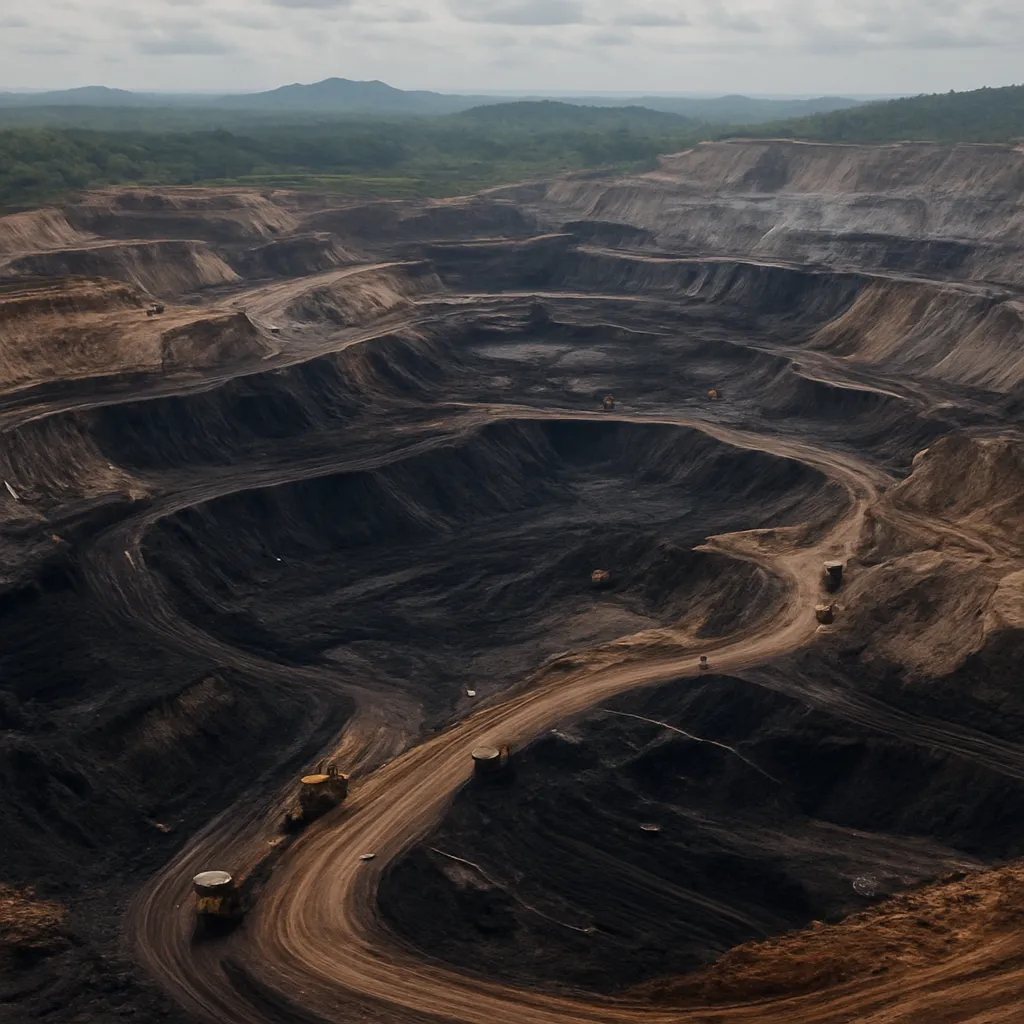
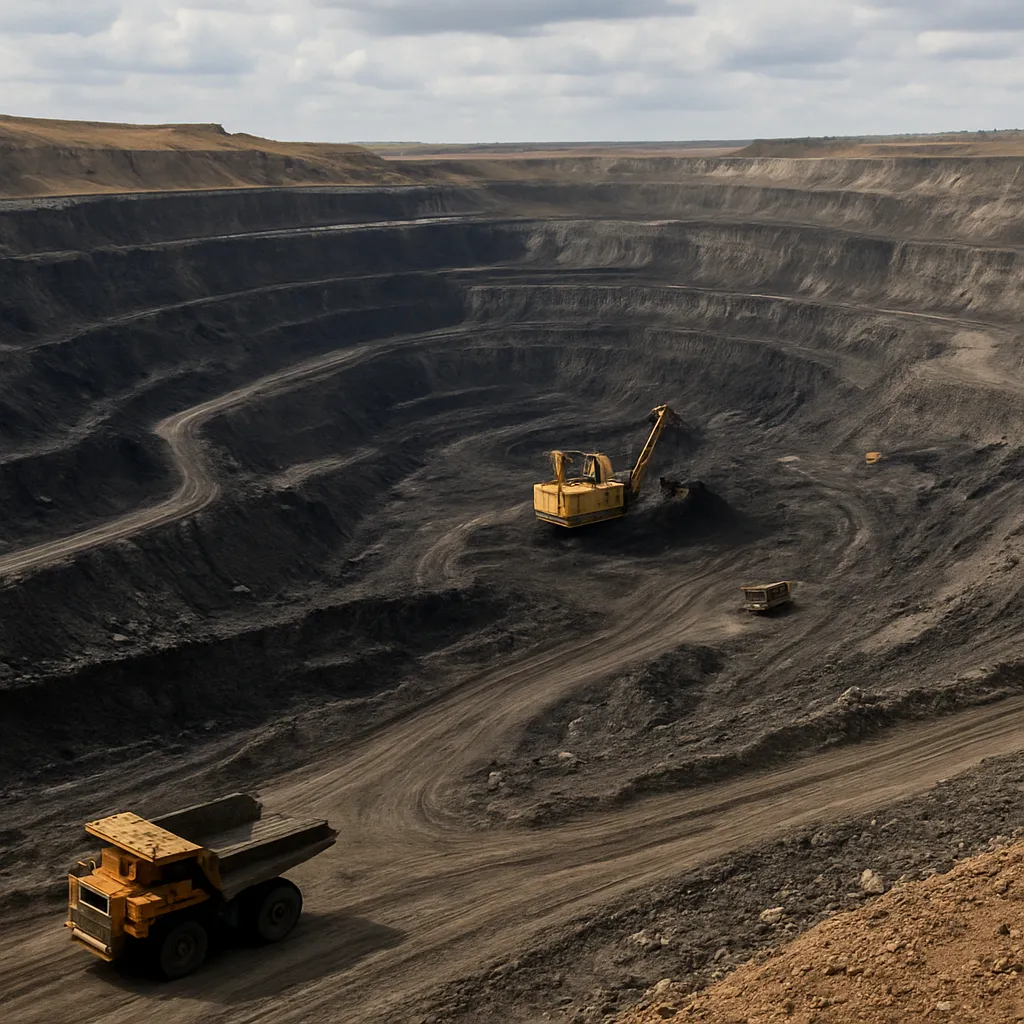
Suek Tugnui Mine operations likely follow the standard Russian practices for large-scale coal extraction, which mostly involve open-pit (surface) mining for shallow, laterally extensive seams and underground mining for deeper, high-quality seams. SUEK has historically relied on efficient surface-mining techniques in its large Siberian deposits — large-scale strip mining and the use of heavy earth-moving equipment (draglines, excavators, and trucks) — combined with conveyor systems and crushing/processing plants.
Typical site layout and facilities
- Open-pit benches and haul roads: Designed for high productivity and heavy equipment access.
- Processing plant: Washing and preparation facilities to upgrade raw run-of-mine coal, reducing ash and improving calorific value where required.
- Stockyards and load-out: Storage yards, blending areas, and rail load-out facilities for shipment.
- Infrastructure: On-site power, workshops, water treatment, and worker accommodations (camp or township).
Given the strategic approach SUEK has used across its assets, the Tugnui mine is likely integrated into regional transport networks — notably rail links to main trunk lines that serve export terminals on the Pacific coast and domestic thermal power stations.
Coal types and product specification
SUEK’s mining portfolio covers a range of coal grades. For a site like Tugnui, possible products include:
- Thermal coal (low- to mid-grade): Primarily used for electricity generation in domestic power plants and in some export markets.
- Coking coal (metallurgical coal): Higher-rank coals used in steel production; when present, these commands premium pricing in global markets.
- Washed coal: Coal processed to lower ash and sulfur content, improving calorific value and meeting buyers’ specifications.
The chemical and physical characteristics of coal from a given mine — calorific value, ash content, sulfur content, volatile matter, and fixed carbon — determine its market placement and treatment before sale. SUEK invests in beneficiation plants to upgrade coal to the desired specifications, thereby increasing market flexibility and reducing penalties from buyers.
Economic importance and role in the industry
The Tugnui mine’s economic significance should be viewed at two levels: local/regional impact and its contribution to SUEK’s national and international position.
Regional and local economic impact
- Employment: Mines of this scale typically provide direct jobs in mining, processing, logistics, and administration and indirect jobs in services, retail and supply chains.
- Local infrastructure development: Road and rail improvements, power and communications investments, and local social infrastructure (clinics, schools) often accompany large mining operations.
- Fiscal contributions: Taxes, royalties and other payments support regional budgets and public services.
National and corporate significance
SUEK is a major player in the Russian coal industry and in global coal markets. While exact, site-level production figures for Tugnui may not be publicly disaggregated, its role should be understood as part of SUEK’s broader strategy to supply both domestic energy markets and international customers, particularly in Asia. At the corporate level, coal assets like Tugnui help SUEK:
- Diversify product mix between thermal and metallurgical coals.
- Secure supply chains for power utilities and industrial consumers.
- Enhance export capacity to Asian markets where demand for thermal coal and coking coal has been significant.
For context, SUEK’s aggregate production in recent years placed it among the world’s largest coal miners. Public reports and industry analyses indicate that SUEK’s annual coal production has historically been in the range of roughly 100–120 million tonnes per year, though production varies year-to-year depending on market conditions and operational changes. The Tugnui mine contributes to this total as part of SUEK’s regional production base.
Transport, export routes and logistics
Transport logistics are central to the value chain of any Russian coal mine. For sites located in eastern Siberia and the Russian Far East, typical logistic routes include:
- Rail: The Trans-Siberian and other regional railway links are primary arteries for transporting coal to ports and domestic customers.
- Port terminals: Pacific coast terminals (for example, in Primorsky Krai and Khabarovsk regions) serve Asian markets such as China, Japan, South Korea and others.
- Inland power customers: Local thermal power stations may be supplied by short-haul rail or road transport.
Efficient load-out systems and access to reliable rail capacity are essential. SUEK has historically invested in rail logistics and port relationships to ensure its coal can reach export markets competitively. Any site like Tugnui benefits from such corporate-level infrastructure planning.
Environmental and social considerations
Coal mining poses well-known environmental and social challenges, and responsible operators are expected to mitigate impacts through planning and investment. Key concerns and typical mitigation measures relevant to a site like Tugnui include:
- Land disturbance: Open-pit operations remove topsoil and vegetation. Progressive land reclamation and rehabilitation are standard measures to reduce long-term landscape impacts.
- Air quality: Dust control, covered conveyors, water sprays, and enclosed handling reduce particulate emissions during mining, crushing and loading.
- Water management: Tailings and water from processing plants require treatment to prevent contamination of local waterways; modern facilities include treatment plants and closed-circuit water systems.
- Greenhouse gases: Coal combustion is a major source of CO2; while mine-site emissions (from diesel equipment and methane) are smaller in absolute terms, operators monitor and implement measures to reduce fugitive methane and improve efficiency.
- Community engagement: Employment programs, community investment, compensation, and transparent consultation processes help manage social impacts.
SUEK and other major Russian miners publish environmental reports describing measures implemented at their sites, such as dust suppression, wastewater treatment and progressive reclamation. For a mine like Tugnui, compliance with regional environmental permitting and adherence to corporate environmental standards are expected parts of operations.
Safety, workforce and operational challenges
Worker safety is a continuous priority in coal mining. Common elements of a safety program include strict procedural controls, regular training, mechanization to reduce manual exposure to hazardous conditions, and emergency preparedness. Russian mining regulation requires adherence to national safety standards and inspections by regulatory bodies.
Operationally, mines in Siberia face challenges such as:
- Harsh climate: Cold winters complicate equipment maintenance and worker safety.
- Remote locations: Logistics for supplies, parts and skilled personnel require robust planning.
- Market volatility: Fluctuations in global coal prices affect investment decisions and production pacing.
Statistical context and market indicators
While site-level public data for Tugnui may be limited, several useful statistics and indicators frame the mine’s environment:
- Russian coal production: Russia is one of the world’s largest coal producers; in recent annual cycles the country produced roughly 400–450 million tonnes of coal per year across all grades (thermal and metallurgical).
- SUEK’s role: SUEK has been a leading contributor to Russia’s total output, typically producing in the order of 100–120 million tonnes annually at its peak, depending on the reporting year and market conditions.
- Export markets: A significant share of Russia’s coal exports flow to Asian markets, with major customers historically including China, South Korea, Japan and increasingly Southeast Asian and South Asian buyers.
- Price sensitivity: Steam (thermal) coal prices and coking coal prices can diverge significantly; higher-quality metallurgical coal generally commands stronger prices tied to global steel production levels.
For site-specific numbers such as annual production, reserve estimates, or workforce size at Tugnui, company reports, regional permitting documents, or governmental mining registries are the most reliable sources. When available, these sources provide definitive figures; in their absence, the mine’s contribution to SUEK’s corporate totals can be inferred.
Historical background and development trajectory
The development of coal fields in Siberia and the Russian Far East accelerated during the Soviet period and continued through post-Soviet restructuring and private investment. SUEK grew by acquiring and modernizing many legacy assets, improving mechanization, and integrating logistics. The evolution of a site like Tugnui typically follows phases:
- Exploration and evaluation: Geological surveys and drilling to quantify resources and reserves.
- Development: Establishment of mine infrastructure, access roads, and plant facilities.
- Production ramp-up: Increasing output while optimizing processing and logistics.
- Life-of-mine planning: Reserves conversion and staged mining to ensure long-term supply and closure planning.
As markets and technology evolve, mines like Tugnui may be targets for ongoing investment in processing (to produce higher-quality, washed coal), railroad improvements, and environmental upgrades.
Future outlook and strategic considerations
The future for any coal asset is shaped by several intersecting trends:
- Energy transition dynamics: Global efforts to reduce greenhouse gas emissions create long-term pressure on thermal coal demand in certain markets, while short- to medium-term demand can remain strong in others.
- Regional demand: In Asia, demand for coal for both power generation and metallurgical use has been resilient; Russia’s proximity provides logistical advantages to these markets.
- Operational optimization: Investment in washing plants, emissions control, and methane mitigation improves competitiveness and compliance with stricter buyer specifications.
- Regulatory environment: Domestic and international environmental regulations, carbon pricing mechanisms and trade policies will shape the mine’s economics.
For the Tugnui site, being part of a major producer like SUEK offers strategic advantages: scale economies, integrated logistics, and access to capital for modernization. The mine’s economic future will depend on maintaining cost competitiveness, meeting evolving product specifications, and managing environmental and social responsibilities effectively.
Interesting facts and broader context
- Integration into industrial chains: Mines like Tugnui are not just raw-material sites; they are nodes in broader energy and metallurgical chains that power industry and exports.
- Technological modernization: SUEK has introduced more mechanized fleets, digital monitoring and remote operations at many sites to improve safety and productivity — trends likely mirrored at Tugnui.
- Seasonality effects: In Siberia, winter weather affects operations, requiring specialized equipment and logistics planning.
- Community legacy: Coal towns and worker settlements associated with mines have unique cultural and socioeconomic histories tied to the industry.
Conclusion: The Suek Tugnui Mine should be seen as a component of SUEK’s extensive coal-mining network in Russia. While precise public site-level data may be limited, the mine’s likely product mix, logistical connections, and role in regional employment and fiscal contributions reflect the standard footprint of large Siberian coal operations. Its future performance will depend on market dynamics, corporate investments in efficiency and environmental management, and shifts in regional and global demand for coal.