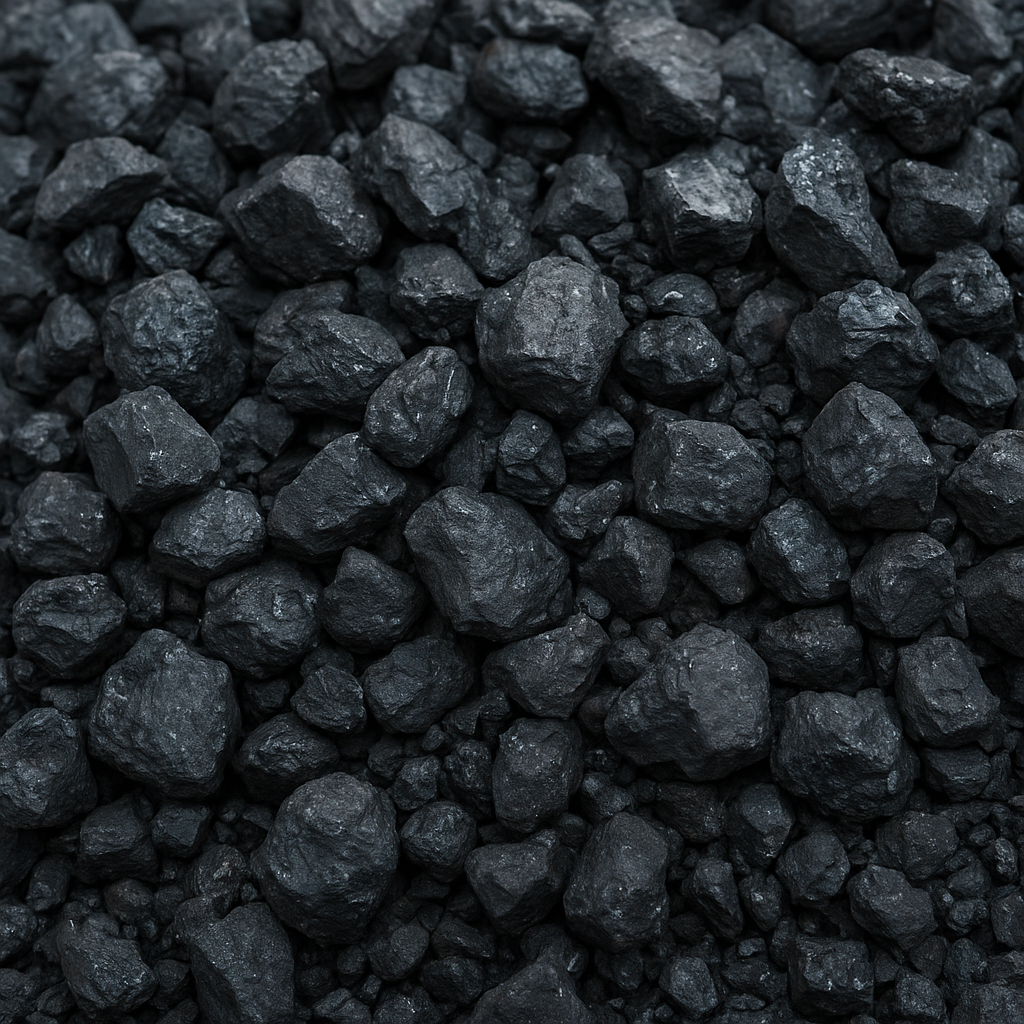
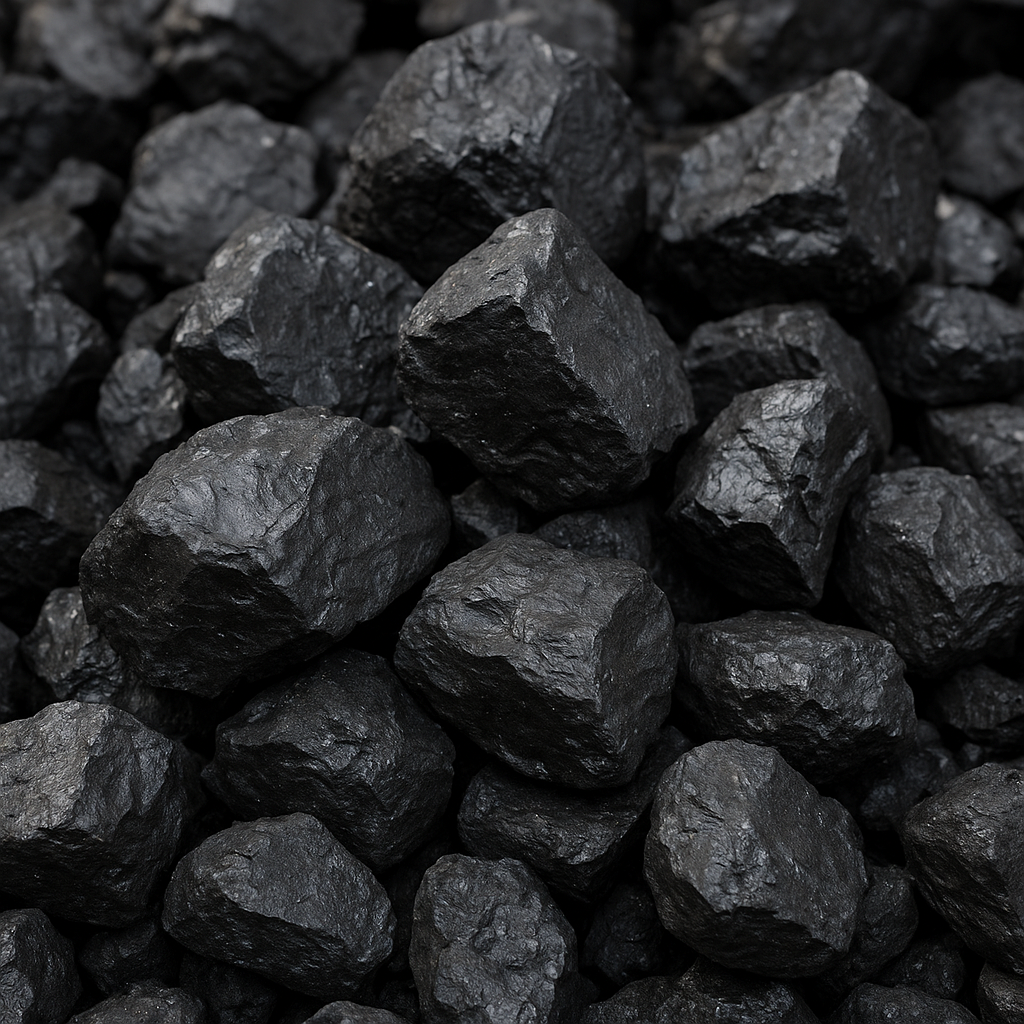
Sub-bituminous coal is an intermediate rank of coal that bridges the gap between lignite and bituminous coal. It plays a crucial role in modern energy systems, particularly in power generation, because of its widespread availability and generally low sulfur content. This article examines the geological characteristics, geographic distribution, mining and processing practices, economic significance, statistical trends, industrial uses and environmental considerations associated with sub-bituminous coal. The goal is to provide a comprehensive, balanced overview useful for energy professionals, policy makers and the general reader interested in fossil fuel markets and technologies.
Geology, Rank and Physical Properties
Sub-bituminous coal is defined by its rank in the coalification sequence: it has undergone more metamorphism than lignite but less than bituminous coal. As a result, it exhibits a set of predictable physical and chemical characteristics that differentiate it from other ranks. Typical features include higher moisture content than bituminous coal, generally lower fixed carbon content, and a moderate amount of volatile matter. These properties influence its heating value, combustion behavior and suitability for particular technologies.
Typical ranges for sub-bituminous coal (these ranges are approximate and vary by deposit):
- Moisture content: roughly 15–30% (as-mined basis)
- Calorific value (gross calorific value): approximately 8,300–11,500 BTU per pound (about 19–27 MJ/kg)
- Sulfur content: commonly low, often below 1% by weight; many deposits are low-sulfur which is attractive for power plants facing emissions limits
- Ash yield: varies widely (5–20% or more) depending on sediment input during deposition
- Rank: typically sub-bituminous A, B or C in ASTM classification, reflecting a small range in fixed carbon and heating value
The relatively high inherent moisture reduces the energy per ton compared to higher-rank coals, which affects transportation economics and combustion efficiency. In practice, these characteristics make sub-bituminous coal especially suited for certain boilers, fluidized bed combustion systems and for near-mine power plants.
Global Distribution and Major Producing Regions
Sub-bituminous coal occurs in many parts of the world where peatlands and sedimentary basins underwent burial and mild coalification. Major regions and producing countries include:
- United States: The Powder River Basin (PRB) in Wyoming and Montana is the world’s most celebrated sub-bituminous coal province. PRB coal is characterized by low sulfur and low to moderate heating value. The PRB has been a dominant source of US thermal coal for decades and supplies many large coal-fired power plants across the country via rail transport.
- Australia: Australia produces a range of coal ranks; some basins and mines produce sub-bituminous grades suitable for domestic power plants and for export markets where lower sulfur is valued.
- Russia: Large Russian basins contain diverse ranks of coal, including sub-bituminous seams used in power generation and local industry.
- Canada and parts of Central Asia often have significant sub-bituminous resources used for domestic generation.
- Other countries with localized sub-bituminous deposits include portions of Europe, India, and parts of South America. In many developing systems, sub-bituminous and lignite coals are exploited where transportation costs favor near-field generation.
Globally, the most prominent sub-bituminous play is the Powder River Basin. The sheer volume of PRB coal has influenced US electricity markets, environmental compliance strategies (because of its low sulfur), and rail logistics. Many industrial decisions—especially plant siting and fuel procurement—are shaped by the availability of this and other large sub-bituminous resources.
Mining, Processing and Supply Chains
Sub-bituminous coal is extracted using both surface (open-pit or strip) mining and underground methods, with surface mining dominating in large, low-overburden basins such as the PRB. Surface mining allows for high production rates and relatively low cost per ton, but it also produces large volumes of overburden and necessitates extensive land reclamation.
After extraction, sub-bituminous coal may undergo preparation steps such as crushing, screening, and washing to reduce ash and improve handling. Because of its high moisture, dried or beneficiated products can sometimes be produced to raise the calorific value per shipment, although drying adds cost and complexity. Logistics—especially rail and barge—are central to distributing sub-bituminous coal from mine-mouth regions to power plants. Transportation economics often determine whether coal is burned near the mine or exported to distant markets.
Key supply chain features:
- Mine-mouth generation is common where low energy density makes long-distance transport uneconomic.
- Long-distance shipments (e.g., from PRB to Eastern US utilities) are feasible due to highly developed rail systems, but they add delivered cost.
- Coal export requires port facilities that can handle wet, bulky material efficiently; many sub-bituminous exports are blended with higher-rank coal to meet buyer calorific specifications.
Economic and Statistical Overview
Sub-bituminous coal makes an important economic contribution in producing regions because of its role in electricity generation, local employment, rail and port activity, and sometimes exports. Economically, sub-bituminous coal tends to be priced lower on a per-ton basis than higher-rank coals because its energy content per ton is lower. Buyers typically compare delivered cost on a per-MMBtu (or per-GJ) basis rather than per ton.
Statistical trends and observations (general):
- In the United States, sub-bituminous coal (largely from PRB) has been a major portion of thermal coal by tonnage for many years; it has often supplied a large share of coal burned for power because of low mine-mouth cost and favorable sulfur content.
- Globally, coal remains a significant portion of electric power generation, although its market share varies by region. In the 2010s and early 2020s, coal use in power generation remained high in several large emerging economies even as many developed economies curtailed coal-fired generation.
- In recent years, international coal markets have seen strong volatility driven by demand shifts (e.g., recovery from economic slowdowns), policy changes (decarbonization targets), and logistics constraints. These trends affect sub-bituminous coal supply and pricing, especially where it can be exported competitively.
Because sub-bituminous coal is typically marketed by energy content (MMBtu) and quality (ash, moisture, sulfur), producers and buyers negotiate contracts that often include shipment, handling and quality-adjustment clauses. In many markets, market prices of sub-bituminous coal reflect coal-on-rail or coal-on-ship delivered costs rather than mine-gate prices alone.
Industrial Uses and Power Generation
The principal use of sub-bituminous coal is in electric power plants. Its combination of relatively low cost and low sulfur content made it particularly appealing after air quality regulations tightened sulfur dioxide emissions in many countries. Sub-bituminous coal is also used in some industrial processes requiring thermal energy where its physical and combustion properties are acceptable.
Combustion technologies optimized for sub-bituminous coal include:
- Supercritical and subcritical pulverized coal boilers designed to manage higher moisture fuels with appropriate flame stabilization strategies.
- Circulating fluidized bed (CFB) boilers, which accommodate variable fuel quality and enable in-situ sulfur capture via sorbents, allowing efficient combustion of lower-grade coals.
- Coal drying and pre-treatment systems, which can modestly raise the calorific value and reduce handling/transport costs.
Electric utilities typically weigh multiple factors when deciding to burn sub-bituminous coal: delivered cost per unit energy, emissions compliance cost (e.g., for NOx, SOx and particulates), boiler fuel flexibility, and strategic fuel diversity. In many mid- to large-scale coal fleets, mixing coals of different ranks is a common practice to meet performance and emissions targets.
Environmental and Regulatory Considerations
Sub-bituminous coal has some environmental advantages and disadvantages relative to other coal ranks. Its characteristic low sulfur content helps reduce sulfur dioxide emissions for a given thermal output, potentially easing the compliance burden with acid rain and SO2 control regulations. However, several important environmental concerns remain:
- Higher moisture means more mass transported and burned per unit of energy, which can increase transport emissions and handling energy.
- CO2 emissions per unit of energy produced are comparable across coal ranks when normalized to heat output, so sub-bituminous coal does not inherently solve greenhouse gas challenges; in some practical cases, lower heating value can lead to higher emissions per ton moved or burned if systems are not optimized.
- Mining impacts, particularly from large surface mines, include land disturbance, habitat loss, water quality impacts and the need for reclamation. Reclamation practices vary by jurisdiction and are a major component of mine permitting and post-mining obligations.
- Methane released during mining (coal mine methane) can be a significant local greenhouse gas source; capture and utilization programs are sometimes economically viable and reduce fugitive emissions.
- Combustion by-products—fly ash, bottom ash, and gypsum from flue gas desulfurization—require careful management and sometimes find beneficial uses in construction materials.
Regulatory environments heavily influence the competitiveness of sub-bituminous coal. In jurisdictions tightening CO2 emissions (carbon pricing, emissions trading systems, or direct regulation), coal faces increased cost pressure relative to gas, renewables and energy efficiency. Conversely, where air quality concerns focus primarily on sulfur and particulate control, sub-bituminous coal’s low sulfur can be an advantage.
Markets, Trade and Macroeconomic Role
Sub-bituminous coal participates in both domestic and international markets, though its lower energy density tends to favor local or regional consumption. Notable market dynamics include:
- Dominance of mine-mouth generation in places with large sub-bituminous deposits; utilities or captive power plants are often co-located with mines.
- In export markets, sub-bituminous coal is sometimes blended with higher-rank coals to meet calorific and handling specifications demanded by buyers.
- Price sensitivity: because sub-bituminous coal is relatively inexpensive to produce in large surface mines, it can place downward pressure on regional coal prices, affecting the viability of higher-rank or higher-cost operations.
- Employment and regional economic dependence: coal towns and supply chain businesses (rail, port services, equipment suppliers) can be heavily dependent on the continued operation of sub-bituminous mines.
Statistical snapshots: while precise year-to-year figures vary, some broad observations hold. In recent decades, PRB and similar high-volume sub-bituminous sources helped lower average delivered coal prices in large consuming regions. Global coal demand has experienced cyclical trends tied to economic growth, energy policy and fuel substitution. Notably, in the early 2020s, global coal demand temporarily rose in response to higher overall energy demand and fluctuating gas prices, underscoring coal’s residual role as a dispatchable thermal fuel in many power systems.
Technological Innovations, Mitigation and Future Outlook
Technological and policy trends will shape sub-bituminous coal’s role in the coming decades. Key areas of innovation and mitigation include:
- Advanced combustion technologies (e.g., ultra-supercritical boilers, improved fluidized bed systems) that raise efficiency and reduce emissions per unit of electricity produced.
- Coal drying and beneficiaton to increase delivered calorific value and reduce transport costs.
- Carbon capture, utilization and storage (CCUS) applied to coal-fired units—successful commercial deployment could materially change the climate profile of coal-based generation, though cost and scale remain substantial barriers.
- Coal mine methane capture and utilization projects that reduce greenhouse gas emissions and sometimes produce an additional revenue stream.
- Integrated energy planning that uses sub-bituminous coal in flexible, lower-emission configurations alongside renewables and storage.
Outlook considerations:
- In regions with strong decarbonization mandates, the long-term market for any unabated coal—including sub-bituminous—faces structural decline unless CCUS and other mitigation are widely adopted and cost-effective.
- In fast-growing emerging economies where rapid electrification and industrial growth continue, coal (including sub-bituminous) may remain part of the generation mix for years, especially if low-cost supply and limited gas infrastructure favor coal.
- Policy instruments (carbon pricing, emissions standards, renewable mandates) will be decisive in determining whether sub-bituminous coal is retrofitted, retired or repurposed over the next one to two decades.
Interesting Facts and Lesser-Known Points
– Some large sub-bituminous deposits were formed in extensive coastal plains and intermontane basins where high rates of peat accumulation were later buried by sediment during transgression and regression cycles.
– Because of the high moisture and friable nature of some sub-bituminous coals, spontaneous combustion in stockpiles can be a management concern; adequate ventilation and handling practices mitigate this risk.
– In some jurisdictions, sub-bituminous coal is blended with biomass co-firing as a transitional strategy to reduce lifecycle carbon intensity while maintaining dispatchable thermal capacity.
– Sub-bituminous coal’s low sulfur content historically enabled utilities to comply with sulfur dioxide limits without expensive flue gas desulfurization, but modern environmental priorities often require additional controls for particulates, mercury and CO2.
Conclusion
Sub-bituminous coal remains a significant energy resource in many regions due to its abundance, low sulfur content and low mine-mouth cost. It is primarily used for electricity generation and is especially notable for large surface-mined basins such as the Powder River Basin in the United States. While it offers some environmental advantages relative to higher-sulfur coals, it still presents greenhouse gas and land-use challenges that must be addressed through improved technology, emissions controls and policy frameworks. The future of sub-bituminous coal depends heavily on the pace of decarbonization, investment in mitigation technologies such as CCUS, and the evolving economics of energy systems that increasingly incorporate renewables, gas, storage and efficiency measures.