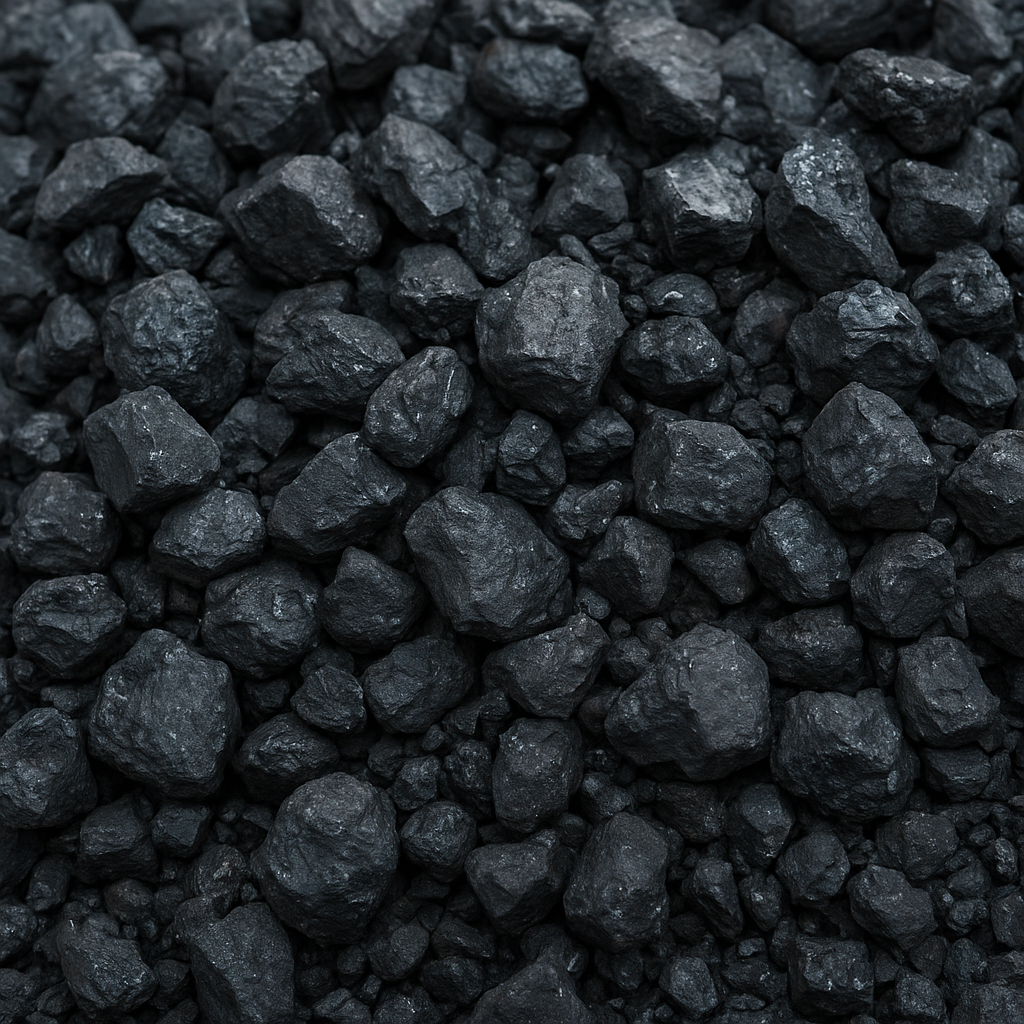
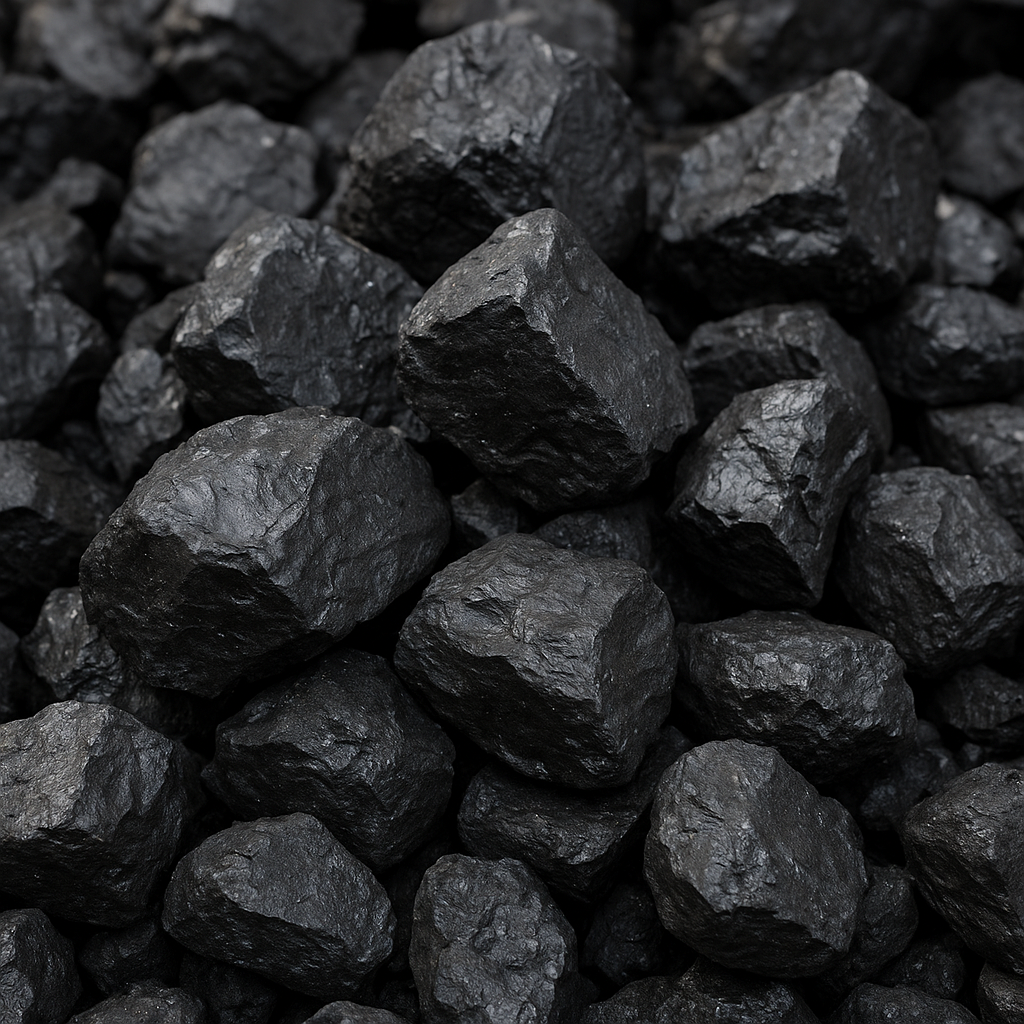
Sub-bituminous C is a specific rank of coal that plays a quiet but important role in global energy systems. Positioned between lignite and higher-rank bituminous coals, sub-bituminous C combines relatively low heating value with favorable environmental characteristics such as generally low-sulfur content. This article explores its geological occurrence, major mining regions, economic and industrial roles, environmental implications, and statistical context, offering a rounded portrait of why this fuel remains relevant in the 21st century.
Geological and technical characteristics
Sub-bituminous coals are part of the coal rank continuum, formed from peat through increasing pressure, heat and time. Within the sub-bituminous category, the designation “Sub-bituminous C” is used in standard classification schemes to indicate a coal with relatively lower fixed carbon, higher inherent moisture, and modest heating value compared with sub-bituminous A or B. Typical physical and chemical features include:
- Carbon content: generally in the range of about 35–45% on a dry basis, reflecting incomplete coalification compared with bituminous coals.
- Moisture: comparatively high, often 15–30% (and in some deposits even higher), which reduces energy density on a mass basis and influences transportation economics.
- Heating value (gross calorific value): typically lower than bituminous coal—common figures for sub-bituminous coals run approximately 8,000–11,000 Btu/lb (about 18–25 MJ/kg), though specific values vary by deposit and rank within the sub-bituminous group.
- Sulfur: frequently low (<1% by weight) in many important deposits, making sub-bituminous C an attractive thermal fuel where sulfur emissions are a regulatory or environmental concern.
- Ash content: variable, depending on geology and washability; ash can range from low to moderate amounts and has significance for combustion performance and disposal.
Because of the high moisture and lower energy density, sub-bituminous C performs differently in combustion systems than higher-rank coals: it generally produces less heat per tonne, requires careful handling and sometimes pre-drying for certain applications, but it also often needs less flue-gas desulfurization investment due to its naturally low sulfur.
Where it occurs and where it is mined
Sub-bituminous coal deposits are found across multiple continents, often associated with relatively recent geological basins (Tertiary and late Mesozoic formations). Important regions and examples include:
- United States — The Powder River Basin (PRB) of Wyoming and Montana is the world’s largest single source of low-sulfur sub-bituminous coal and is a primary producer of sub-bituminous C material. PRB coal is distinctive for low sulfur and low to moderate heating value, making it widely used in U.S. utility power generation.
- Australia — Several basins contain sub-bituminous seams used for domestic power generation and export. Australia’s coal sector is diverse and includes sub-bituminous deposits alongside higher-rank black coals.
- Russia — Large coal basins in Siberia and the Russian Far East include sub-bituminous deposits that support domestic energy and industrial uses.
- Indonesia and parts of Central Asia and South America — Various basins yield sub-bituminous to low-volatile bituminous coals suitable for domestic power and industrial users; the rank and quality can vary widely.
- Other regions: sub-bituminous coal is also found in parts of Europe, Canada, China, and Africa, though distribution and commercial importance depend on local geology and economic factors.
Mining methods for sub-bituminous deposits are typically surface (open-pit) mining where seams are near the surface, as with much of the Powder River Basin. Underground mining occurs for deeper seams but is less common for sub-bituminous coal due to typical basin geometries.
Economic and statistical context
Sub-bituminous C occupies a specific niche in the global coal market: it is primarily a thermal coal used in electricity generation and in some industrial heating applications. Economically, several factors influence its market dynamics:
- Lower energy density per tonne increases transportation cost per unit of useful heat, favoring local or regional supply chains (e.g., large mines supplying nearby power plants or delivered by rail to regional grids).
- Low-sulfur content makes it attractive where sulfur dioxide emissions are regulated; utilities often prefer such coal to avoid the capital and operating costs of desulfurization systems.
- Price competitiveness versus natural gas and renewables: in some markets, sub-bituminous coal remains cost-competitive for baseload electricity where infrastructure and historical reliance on coal exist.
Statistical highlights (approximate and reflective of trends in the early 2020s):
- Global coal production in the early 2020s hovered around 7–8 billion tonnes annually (all ranks combined), with thermal coal—of which sub-bituminous is a part—representing the majority of consumption because of power generation demand.
- In the United States, the Powder River Basin supplies a significant share of national coal output; PRB coal was responsible for a substantial portion of U.S. electric utility coal deliveries, often cited as over a third of U.S. coal production in certain recent years. Much of this material is sub-bituminous.
- On an energy-content basis, sub-bituminous coals require larger mass flows to produce the same electricity output as higher-rank coals; this impacts shipping volumes, rail logistics, and port throughput statistics in coal-exporting regions.
Market pricing for sub-bituminous C typically lags that of higher-grade thermal coals due to lower heating value, but low-sulfur characteristics and stable long-term contracts with utilities can provide predictable revenue streams to producers. Trade flows depend on both domestic consumption patterns (utilities contracting from local mines) and export competitiveness; while some sub-bituminous coals are exported, their lower energy density often makes long-distance export less favorable unless price and logistical conditions compensate.
Industrial significance and uses
Sub-bituminous C is predominantly a thermal coal for electricity generation. Key industrial and operational roles include:
- Utility power plants: large pulverized-coal boilers are commonly designed or adapted to burn sub-bituminous coals, often with specific burner settings, drying systems, or blending strategies to manage moisture and combustion characteristics.
- Blending feedstock: utilities may blend sub-bituminous coal with higher-rank coals to achieve desired heat rates, reduce fuel cost, or meet emission targets while maintaining boiler stability.
- Industrial steam and process heat: certain industrial facilities (cement, pulp and paper, chemical plants) use sub-bituminous coal where process heat requirements and local supply make it economical.
- Coal-to-liquids and gasification (limited): technically feasible, but high moisture and lower calorific value make sub-bituminous less attractive for some conversion routes compared with higher-rank coals unless feedstock is inexpensive and processing technology is optimized.
Operational considerations are important: high-moisture coals reduce boiler efficiency and require adaptations—such as increased fuel throughput and possible fuel drying—to achieve the same electrical output. Nevertheless, the low sulfur content reduces the need for sulfur control technologies, producing cost savings and regulatory compliance advantages in many contexts.
Environmental aspects and regulation
Environmental performance of sub-bituminous C must be evaluated across the fuel cycle: mining, transportation, combustion, and post-combustion emissions control. Important points include:
- Combustion CO2 emissions per unit of energy are generally similar to other coals when compared on an energy basis; however, because sub-bituminous coals have lower energy per mass, CO2 emissions per tonne burned are lower only insofar as less carbon per tonne exists, but on a per-MWh basis the emissions are comparable to other coal types.
- Lower sulfur content typically translates into lower SO2 emissions from combustion, easing compliance with sulfur-oxide regulations and often reducing the need for extensive flue-gas desulfurization equipment.
- High moisture raises lifecycle emissions related to transport and drying (if drying is used), as additional energy inputs may be required to improve fuel quality.
- Mining impacts: surface mining, common for many sub-bituminous basins, creates land-disturbance issues requiring reclamation. Regions such as the Powder River Basin have extensive reclamation regulations and active programs to restore post-mining landscapes to grassland or other uses.
- Methane emissions: coal mining can release methane, a potent greenhouse gas. Mitigation strategies include capture for power generation or flaring, particularly in regions where methane concentrations are commercially recoverable.
Policy and regulatory trends—such as emissions pricing, renewable energy mandates, and stricter air quality standards—affect the competitiveness of sub-bituminous coal. In jurisdictions moving rapidly toward decarbonization, demand for coal of all ranks tends to decline; in others, economic and infrastructure realities sustain coal-fired generation where it remains a reliable baseload option.
Logistics, handling and technological adaptations
Because sub-bituminous C often carries high moisture, handling and logistics are key economic factors:
- Rail and barge transport: increased mass per unit energy leads to higher transportation costs per delivered MWh, so proximity to demand centers or efficient bulk transport systems improves economic viability.
- Fuel preparation: washing, blending and, in some cases, mechanical or thermal drying are used to improve fuel consistency and heating value for power plants.
- Boiler modifications: burners, combustion control systems and emission-control equipment are optimized for sub-bituminous characteristics to maintain efficiency and reduce unburned carbon or slagging.
Innovations in coal handling and combustion—such as feedstock pre-drying using waste heat or circulating fluidized-bed combustion that tolerates a wider range of feedstock qualities—have sustained sub-bituminous use where economics and regulatory settings allow.
Socioeconomic impacts and regional importance
In many mining regions, sub-bituminous coal has significant socioeconomic roles:
- Employment: large surface mines and associated rail and port operations provide direct and indirect employment in rural and regional economies.
- Local revenues: royalties, taxes and lease payments support local governments and community services in producing regions.
- Energy security: domestic sub-bituminous resources can reduce dependence on imported fuels, supporting stable electricity supply in countries with abundant reserves.
However, communities also face transition challenges as energy systems decarbonize. Just transition policies, workforce retraining, mine reclamation commitments and economic diversification are increasingly relevant in regions historically dependent on coal extraction and coal-fired generation.
Interesting facts and lesser-known aspects
Several points about sub-bituminous C that are notable or counterintuitive:
- Despite lower heating value, sub-bituminous coals can be desirable for utilities because their low-sulfur content helps meet emissions standards without expensive post-combustion controls.
- Large single-basin supplies—such as the Powder River Basin—create economies of scale that reduce delivered fuel costs to nearby power plants, offsetting some disadvantages of lower energy density.
- High-moisture coals can sometimes be dried using waste heat from power plants, improving boiler efficiency and reducing net emissions per MWh.
- Because sub-bituminous coal is often mined in large surface operations, modern mines can achieve low marginal production costs per tonne, sustaining competitiveness under certain market conditions.
Outlook and future considerations
The future role of sub-bituminous C in energy systems depends on multiple factors:
- Energy policy and climate action: strong decarbonization policies and carbon pricing reduce coal demand overall, pressuring sub-bituminous coal markets as well.
- Technological change: more efficient turbines, carbon capture and storage (CCS) retrofit viability, and greater renewable integration influence whether coal plants fueled by sub-bituminous coal remain economically justified.
- Market fundamentals: natural gas prices, electricity demand growth, and regional reliability needs will continue to shape coal usage in the near and medium term.
In scenarios where CCS becomes cost-effective at scale, lower-cost, low-sulfur sub-bituminous coals could be part of a transitional pathway to decarbonized electricity in regions lacking rapid renewable deployment capacity. Conversely, in places with aggressive renewable build-outs and storage deployment, demand for all coal types—including sub-bituminous—may continue to decline.
Summary
Sub-bituminous C is a versatile but specialized rank of coal characterized by moderate carbon content, comparatively high moisture, lower heating value, and often low-sulfur composition. Geologically widespread, it is particularly important in regions such as the U.S. Powder River Basin and parts of Australia and Russia. Economically, it serves as an affordable thermal fuel for power generation where transport logistics and environmental regulations align in its favor. Environmentally, it presents trade-offs—lower sulfur emissions but similar CO2 intensity per unit energy—requiring thoughtful policy, technological adaptation, and planning for community transitions as energy systems evolve. For utilities and regions that rely on it, sub-bituminous C remains an important component of the contemporary energy mix while also being subject to the broader forces of decarbonization and changing market economics.