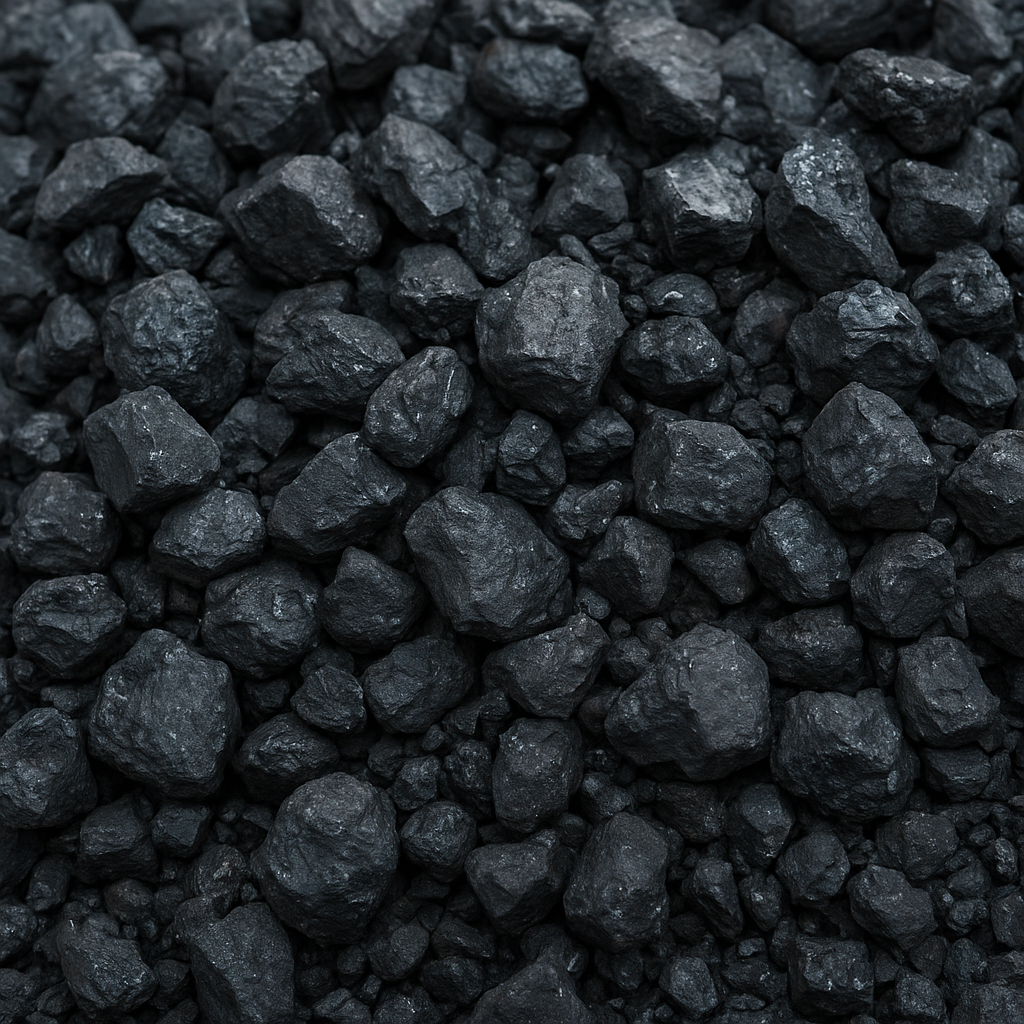
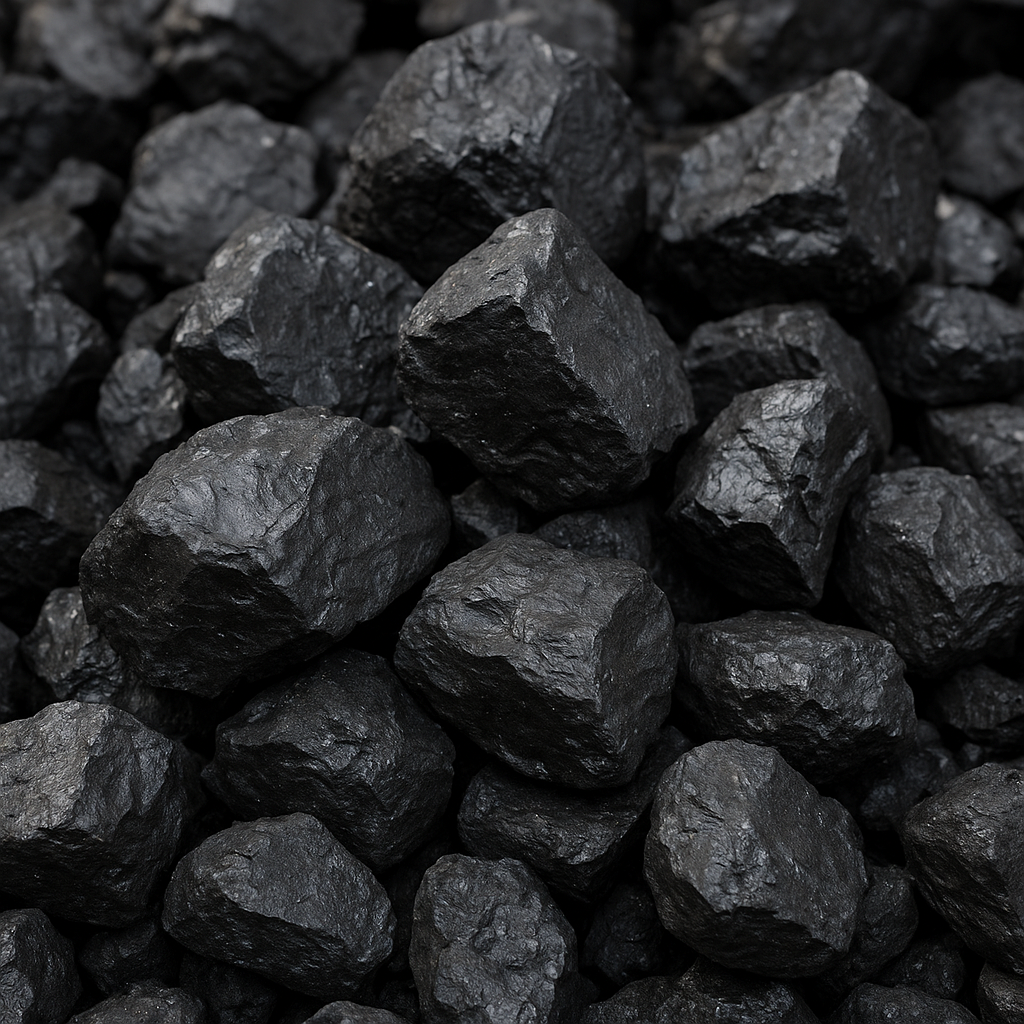
Sub-bituminous B coal is a low- to medium-rank thermal coal that plays an important role in contemporary energy systems, particularly for power generation. It sits between lignite and bituminous coal in terms of carbon content, heating value and moisture, and is mined widely by surface methods in many parts of the world. This article reviews the geological characteristics, global distribution, mining and processing methods, economic and industrial significance, environmental implications, and likely future trends related to sub-bituminous B coal.
Geological characteristics and classification
Coal rank is determined by the degree of coalification—the geological process that converts plant material into coal under pressure and temperature over geological time. Sub-bituminous coal represents a stage of coalification that is more mature than lignite but less mature than bituminous coal. Within classification systems such as ASTM D388, sub-bituminous coals are subdivided (commonly into A, B and C) to reflect differences in carbon content, volatile matter and heating value. Sub-bituminous B occupies an intermediate position in this sub-category.
Typical technical characteristics of sub-bituminous B include:
- Moderate fixed carbon and relatively high volatile matter compared with higher-rank coals.
- Elevated inherent moisture content (commonly in the range of roughly 15–30% by mass), which reduces thermal efficiency on a mass basis but often aids in easier handling compared with wet lignite.
- Lower calorific value than most bituminous coals; typical gross calorific values for sub-bituminous ranks are often cited in the approximate range of 8,000–11,000 Btu/lb (≈18–26 MJ/kg), with sub-bituminous B near the middle of that band depending on local geology and seam characteristics.
- Generally low to moderate sulfur content, which can make sub-bituminous coals attractive to utilities seeking to meet sulfur dioxide emission limits without expensive fuel switching or extensive flue gas desulfurization.
Because of the higher moisture and volatile matter, sub-bituminous B coal tends to produce different combustion characteristics than higher rank coals—often a softer flame, variation in ignition behavior, and sometimes higher particulate emissions per unit mass if not optimally burned. These properties influence boiler design and combustion control strategies at power plants that burn sub-bituminous coal.
Global distribution and major producing regions
Sub-bituminous coals are found in many basins worldwide. Their distribution is driven by paleoenvironmental factors (peat-forming wetlands) and subsequent burial and coalification. Significant occurrences and producing regions for sub-bituminous coal include:
- Powder River Basin (United States) — The PRB in Wyoming and Montana is one of the world’s largest deposits of low-sulfur, low- to medium-rank coal. Much of the PRB output is sub-bituminous and it has been a backbone of U.S. thermal coal supply for decades due to its combination of large reserves and low-cost surface-mining economics.
- Australia — Large basins such as the Bowen and Galilee basins produce substantial volumes of thermal coal, much of which is sub-bituminous to low-volatile bituminous. Australian coals are a major source of exports to Asia.
- Indonesia (Kalimantan and Sumatra) — Indonesia’s export thermal coal tends to be low to mid-rank and includes significant sub-bituminous tonnages, supporting large export markets in Asia.
- Russia and Central Asia — Several large basins (including some parts of Siberia and the Russian Far East) host sub-bituminous deposits that supply domestic and export markets.
- Canada (Alberta) and other North American basins — Sub-bituminous seams are common in western Canadian deposits where they are mined for power generation.
- China and India — Both countries have vast coal resources that include lower-rank coals, though the domestic supply mix is heterogeneous and often includes large amounts of bituminous and lower-grade coals used regionally.
Reserves of sub-bituminous coal are considerable in many producing countries. In the United States, the Powder River Basin alone contains very large—often described as “vast”—recoverable resources that have underpinned decades of electricity-sector supply and the growth of rail and port infrastructure dedicated to coal transport.
Mining methods and processing
Most sub-bituminous coal is mined by surface methods where seams are near the surface and lateral continuity is favorable. Surface mining techniques include open-pit / strip mining, truck-and-shovel systems, and large-scale dragline operations. Advantages of surface mining for sub-bituminous seams include lower mining costs per tonne, high productivity and the ability to mine large contiguous seams.
Where seams are deeper or geology dictates, underground mining (longwall and room-and-pillar) is sometimes used, though this is less common for the typically shallow sub-bituminous deposits.
Processing commonly focuses on:
- Cleaning (washing) to reduce ash and impurities where economically justified.
- Drying and beneficiation to reduce moisture and increase heating value per unit mass; techniques include thermal dryers, fluidized-bed dryers and other emerging technologies aimed at improving plant efficiency.
- Blending — sub-bituminous coal is often blended with higher-rank coals to optimize combustion characteristics in existing boilers and to meet contract specifications for quality.
Because sub-bituminous coal often has high moisture, logistics and handling systems are designed to minimize moisture gain or loss in transit, and to avoid spontaneous combustion risks associated with exposed stockpiles of moist, oxidizing coal.
Economic importance and market dynamics
Sub-bituminous B coal is primarily a thermal fuel for electricity generation, serving base-load and sometimes peaking plants. Its economic attractiveness depends on several interacting factors:
- Low mining cost in large surface-mined basins — surface mining reduces the delivered cost per tonne compared with many underground operations.
- Lower sulfur content reduces the need for expensive sulfur-removal equipment at plants or lowers the cost of compliance with emissions regulations.
- Shipping and rail logistics — proximity to major load centers or ports can make sub-bituminous coal highly competitive in regional markets.
- Global and regional demand dynamics — industrial growth and electricity demand in Asia have historically driven strong demand for thermal coal exports, including sub-bituminous grades.
Typical market roles include domestic use (for utilities near mines) and export supply (for seaborne markets). For example, in countries with large basins like the PRB, a substantial portion of national thermal generation historically relied on locally mined sub-bituminous coal; in export-oriented producers, sub-bituminous coal competes in the international seaborne thermal coal market against other grades from Australia, Indonesia, Russia and elsewhere.
Statistical context and notable figures
Quantitative statistics for coal vary by year and source; the following points summarize the broad statistical landscape for sub-bituminous coal in the context of global coal markets (figures are indicative and intended to convey scale rather than precise, time-bound numbers):
- Global coal production in the 2010s–2020s has typically been in the range of several billion tonnes per year, with thermal coal representing the majority of that output. Sub-bituminous coal contributes a meaningful fraction of global thermal coal production, particularly in regions with large low-rank deposits.
- In the United States, the Powder River Basin has been the single largest producing coal region for decades, supplying a major share of the nation’s thermal coal. At times, PRB output has equaled or exceeded one-third of U.S. coal production, though the U.S. production and the PRB’s share have fluctuated with market and regulatory conditions.
- Australia and Indonesia have been top exporters of thermal coal globally; a significant portion of the exported thermal coal is low- to medium-rank, including sub-bituminous grades tailored for Asian power markets.
- Price volatility in the thermal coal market is notable. Prices are influenced by seasonal demand, economic growth, fuel-switching to gas or renewables, and geopolitical events that affect shipping and trade. Sub-bituminous coal prices generally track the broader thermal coal complex but are also influenced by local mining costs and qualities (e.g., moisture and calorific content).
Readers seeking the most recent numerical data (annual production figures by basin or country, reserve estimates, and price series) should consult up-to-date datasets from national geological surveys, energy agencies (e.g., IEA, EIA), and industry sources. Such sources provide the year-by-year detail necessary for investment analysis or policy assessment.
Industrial significance and applications
The dominant use of sub-bituminous B coal is in steam-cycle power plants for electricity generation. It is generally not used for metallurgical coke because its low fixed-carbon content and high volatiles make it unsuitable for coking processes without expensive treatment. Other industrial applications include:
- Direct firing in industrial boilers for process heat and district heating where economies favor local coal use.
- Feedstock for coal gasification and chemical processes in regions where coal-to-liquids or coal-to-chemicals are economically or strategically pursued (technical viability depends on project economics and product demand).
- Blending with higher-rank coal grades to meet specific boiler and emissions requirements at power plants.
Innovation around sub-bituminous coal tends to focus on improving thermal efficiency (e.g., drying technologies to reduce moisture), lowering emissions (e.g., improved particulate controls, selective catalytic reduction for NOx), and capturing carbon (CCS) in applications where coal remains part of the energy mix.
Environmental impacts and mitigation
Like all fossil fuels, sub-bituminous coal has environmental impacts across its lifecycle—from mine-site disturbance to combustion emissions. Key points include:
- Compared to higher-rank coals, sub-bituminous coals often have lower sulfur and some lower trace-element concentrations, which can reduce SO2 and certain heavy metal releases per tonne of coal burned. However, because of higher moisture and lower heating value, more coal (by mass) may be required to produce the same energy, which can offset some environmental advantages.
- CO2 emissions per unit of electrical energy generated can be higher or similar to other coals once moisture and plant thermal efficiency are considered. Improving boiler efficiency and integrating carbon mitigation technologies are critical to reducing lifecycle greenhouse gas intensity.
- Mining impacts—especially from surface mining—include land disturbance, habitat loss, water management challenges, and the need for reclamation and long-term monitoring. Regulatory frameworks in many countries require progressive reclamation and obligations for mine closure.
- Mitigation technologies at the power plant level include flue gas desulfurization (when sulfur is non-negligible), particulate controls (baghouses, electrostatic precipitators), NOx controls (low-NOx burners, SCR), and emerging carbon capture options for new and retrofitted plants.
Policymakers and utilities must weigh the lower-sulfur advantages of many sub-bituminous coals against the broader climate policy imperatives that aim to reduce—or phase out—coal-fired generation in favor of lower-carbon alternatives.
Outlook, trends and strategic considerations
The future role of sub-bituminous B coal will be shaped by a combination of market forces, climate policy, technology, and energy-security considerations:
- In many OECD countries, long-term demand for coal has trended down due to retirements of coal plants, competition from natural gas and renewables, and greenhouse gas reduction policies. This typically reduces domestic markets for sub-bituminous coal in those regions.
- In parts of Asia and other emerging economies, demand for thermal coal may persist for years to come as countries prioritize affordable and reliable electricity supply. Here sub-bituminous coal can remain competitive, particularly where local deposits exist or where low-sulfur specifications are valued.
- Technological advances—such as efficient drying, co-firing with biomass, and commercially scaled CCS—could extend the practical life of coal-fired generation in a lower-carbon context, but these technologies face economic and deployment challenges.
- Supply-chain resilience and geopolitical issues affect seaborne coal markets; producers and buyers must manage transport logistics, contractual exposures, and regulatory shifts that can affect prices and flows.
Strategically, operators of sub-bituminous coal assets often evaluate options such as mine optimization, diversification of product streams (e.g., producing higher-value washed coal), and investments in emissions reductions to maintain access to markets as environmental standards tighten.
Case study highlight: the Powder River Basin
The Powder River Basin exemplifies how a large sub-bituminous province can shape national coal economics. Key features of the PRB story include:
- Large-scale surface mining that delivered low-cost, low-sulfur coal to U.S. utilities for decades.
- Substantial investment in rail and terminal infrastructure to move coal from mines to power plants and export facilities.
- Market dynamics in recent years that have included competition from cheap natural gas, plant retirements, and regulatory pressures—factors that have altered production patterns and forced companies to adapt operationally and financially.
The PRB case illustrates both the strengths (large reserves, low cost) and vulnerabilities (market exposure to fuel competition and environmental policy) of major sub-bituminous producing regions.
Concluding observations
Sub-bituminous B coal remains a significant element of the global thermal coal portfolio. Its combination of moderate heating value, relatively low sulfur, and prevalence in large surface-minable deposits gives it important commercial roles—especially in power generation and in regional export markets. Yet the energy transition, emissions concerns and evolving market dynamics mean that the future of sub-bituminous coal will increasingly depend on technological adaptation, regulatory environments, and how quickly alternative energy sources and carbon-mitigation options scale. For policymakers, investors and industry stakeholders, the focus will likely remain on balancing reliable, affordable energy supply with environmental performance and long-term sustainability.