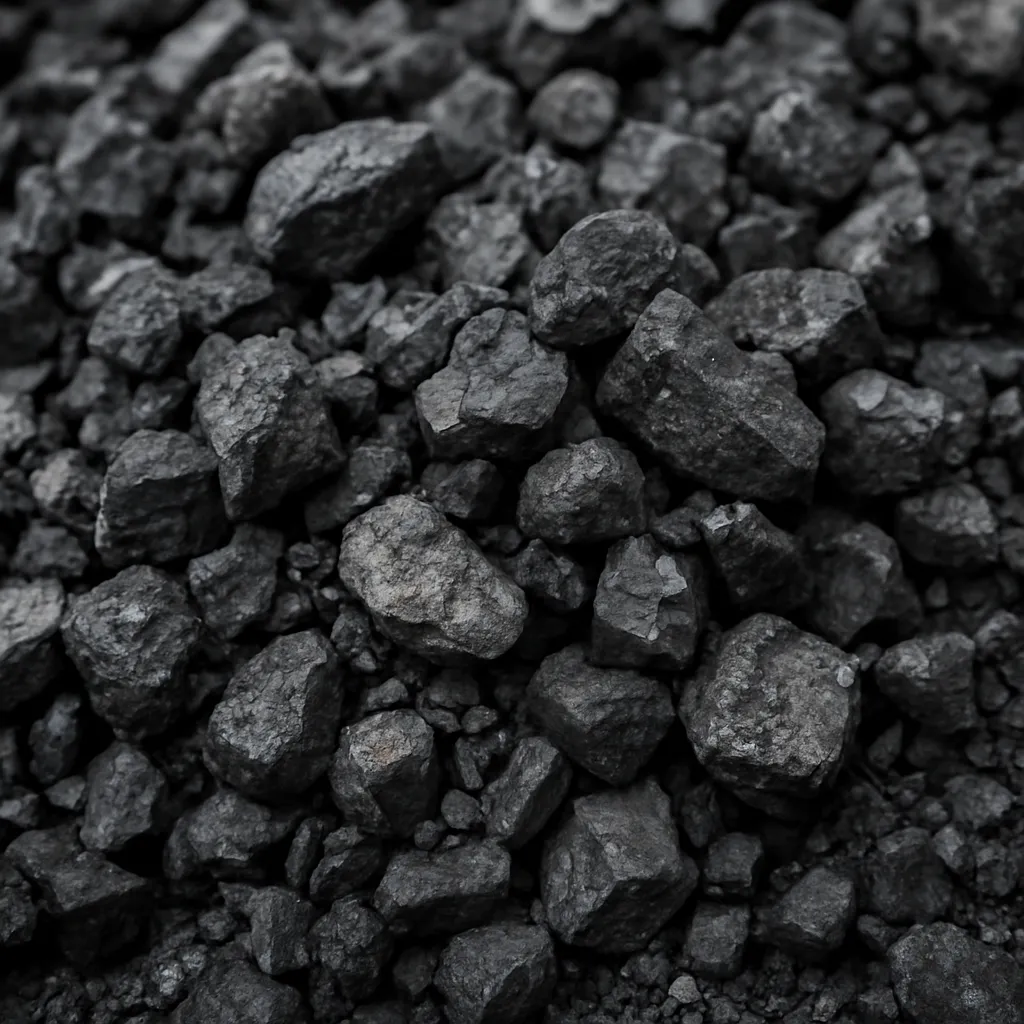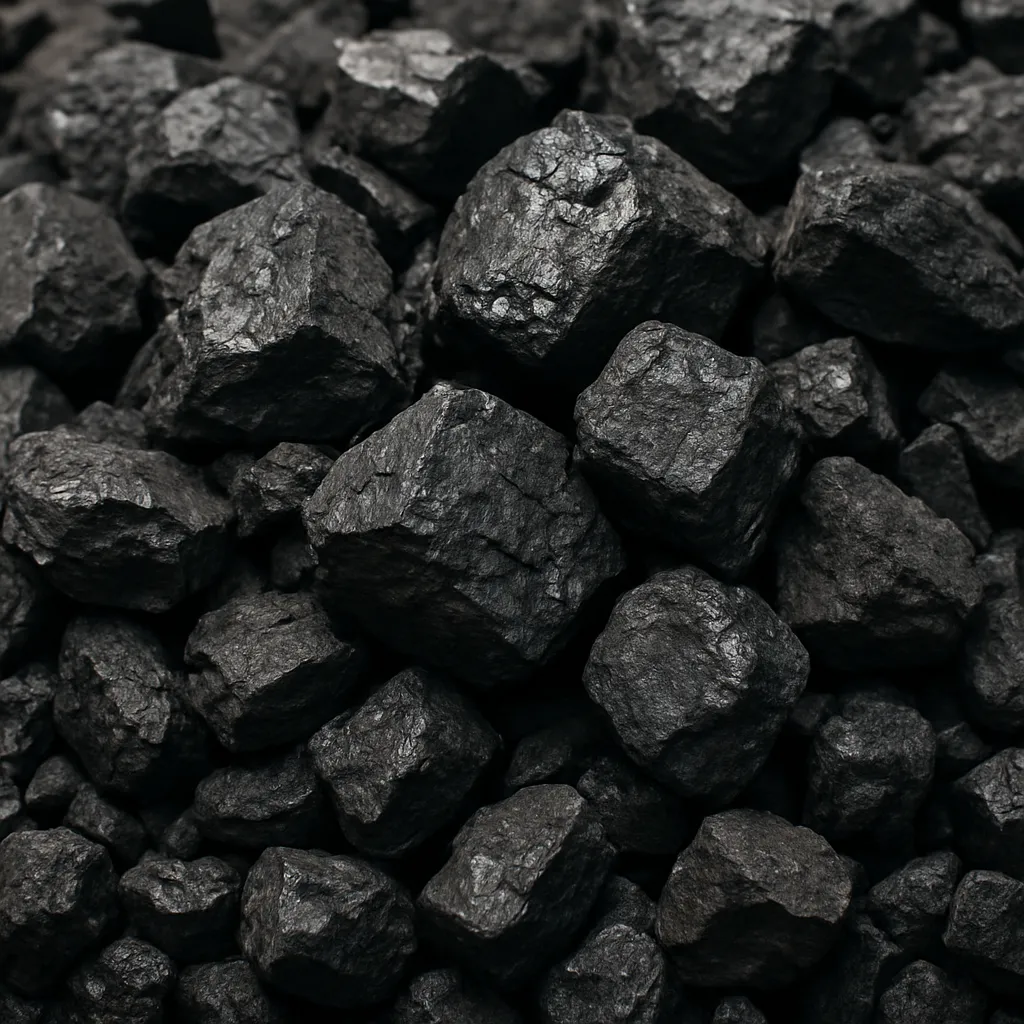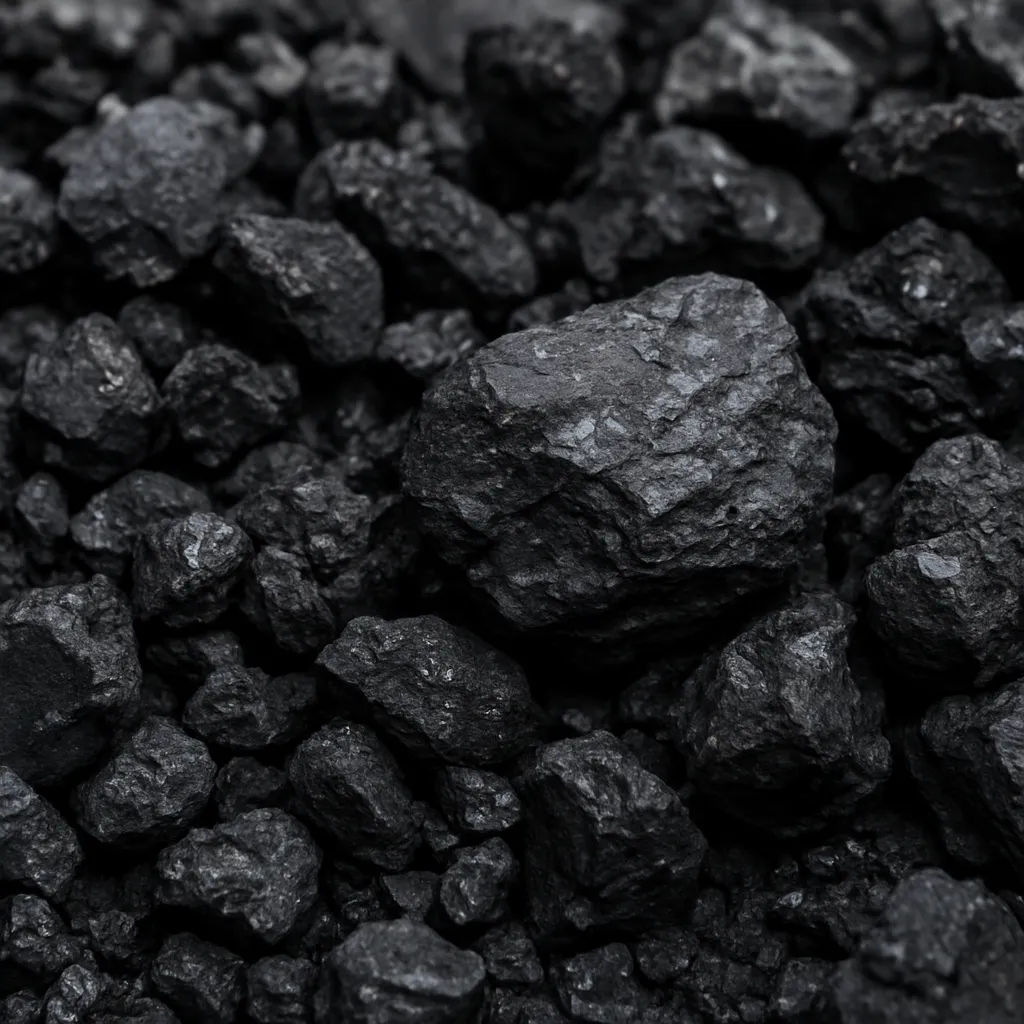
Specialty metallurgical blend coal occupies a distinct and strategically important place in the global energy‑metals chain. Unlike steam coal used predominantly for power generation, metallurgical (or coking) coal is selected and blended to meet precise physical and chemical requirements that enable the production of high‑quality coke — an essential reducing agent and structural material in traditional iron and steelmaking. This article examines the nature of specialty metallurgical blends, where they occur and are mined, their economic and statistical significance, technical and industrial roles, environmental and market dynamics, and noteworthy technical details and trends shaping their future.
Nature and technical characteristics of specialty metallurgical blend coal
Metallurgical coal is not a single homogeneous material but a family of coals with properties that make them suitable for conversion into coke. Specialty blends are deliberately engineered mixes of different raw coals — often from several seams and mines — to achieve target characteristics for coke performance in various steelmaking processes. Key engineered outcomes include high mechanical strength, appropriate porosity, low impurity levels, and tailored reactivity.
Primary physical and petrographic properties
- Rank: Most metallurgical coals are high‑ to medium‑rank bituminous coals. Rank influences volatile matter and plasticity, which are crucial during cokemaking.
- Plasticity and caking behavior: Coking coals must soften, swell and resolidify to form a coherent coke mass. Tests such as the Gieseler plastometer and Free Swelling Index (FSI) measure these properties.
- Volatile matter: Controls coke porosity and strength; blends are adjusted to reach optimum volatile contents.
- Ash and sulfur: Low ash and low sulfur are desirable; ash chemistry (SiO2, Al2O3, Fe2O3, CaO) affects slag formation and furnace operation.
- Phosphorus: For some steel grades, particularly specialty and stainless steels, low phosphorus feedstocks are required to meet metallurgical specifications.
- Other indices: CRI (Coke Reactivity Index) and CSR (Coke Strength After Reaction) are critical metrics that characterize how coke behaves under CO2 reactivity and its residual strength — central to blast furnace performance.
What makes a blend “specialty”
A specialty metallurgical blend typically targets a high‑value application or a constrained feedstock situation. Examples include blends formulated for:
- high‑strength blast furnace coke for integrated steel plants that require low coke rates and high throughput;
- foundry coke with controlled size distribution and reactivity for cupola and induction furnace operations;
- low‑phosphorus or ultra‑low sulfur blends to meet strict alloy steel specifications;
- blends optimized for advanced processes such as pulverized coal injection (PCI) where coal injection quality and volatile profile are critical.
Blending is both an art and a science: analytical laboratories measure proximate/ultimate analysis and petrographic composition, while cokemaking trials and pilot ovens validate blend performance.
Where specialty metallurgical coals occur and where they are mined
Geologically, metallurgical coals formed in ancient peat swamps that later underwent burial and coalification, often during the Carboniferous, Permian and younger periods depending on the basin. Today, economically extractable metallurgical coals are concentrated in specific sedimentary basins around the world.
Major producing regions
- Australia: The country is the world’s preeminent exporter of seaborne metallurgical coal, especially from the Bowen Basin (Queensland) and parts of New South Wales. Australian coals range from premium hard coking coal to semi‑soft coking coal and form the backbone of many international blends.
- Canada: British Columbia’s Elk Valley is renowned for high‑quality hard coking coal; Canadian producers supply premium blends to Asian and European steelmakers.
- United States: The Appalachian Basin (eastern US) and the Illinois Basin produce metallurgical coals, though a significant portion of US metallurgical coal is consumed domestically. The Powder River Basin is mainly thermal coal.
- Russia and the CIS: Large metallurgical coal reserves exist in the Kuznetsk Basin (Kuzbass) and other regions; Russia historically supplies both domestic steel demand and export markets.
- Colombia: An important seaborne supplier of metallurgical coal, with major shipments to Europe and Asia.
- South Africa, China and Mozambique: Each country has metallurgical coal production with varying quality and export profiles; infrastructure and policy shape export potential.
- Mongolia: Emerging as a supplier of coking coal to China due to geographic proximity.
Mining methods and preparation
Metallurgical coal is mined via a mix of underground and surface methods. Longwall and bord-and-pillar mining are common underground techniques for deep seams, while open‑cut (open‑pit) operations are used where seams are near surface. After extraction the coal is typically crushed, screened and washed in coal preparation plants to reduce ash and unwanted impurities. Washed coal yields a higher‑quality product for specialty blends, but washing produces slurry and tailings that require environmental management.
Economic, trade and statistical overview
Specialty metallurgical blend coal is a high‑value commodity within the broader coal market. Its price, availability and quality directly influence steel production costs and competitiveness. Below is an overview of market structure, trade volumes, pricing behavior and economic impacts.
Seaborne trade and market size
The global seaborne trade of metallurgical coal (coking coal) represents a sizable but smaller market than thermal coal. As of the early 2020s, annual seaborne trade of metallurgical coal tended to fall roughly within the range of 200–300 million tonnes per year, with variability driven by steel demand, Chinese import policy, and disruptions such as pandemic‑era logistics interruptions and geopolitical events. Australia is the dominant seaborne supplier, accounting for a majority share of the market — often cited around half or more of global exports — followed by significant contributions from Canada, Russia, Colombia and the United States.
Prices and volatility
Metallurgical coal prices are more volatile than thermal coal due to tighter supply/demand balances and the premium nature of high‑quality products. Price spikes can occur during supply disruptions (mine closures, transport bottlenecks), sharp rebounds in steel demand, or policy shifts in large importers. In the early‑to‑mid 2020s, met coal experienced dramatic price swings driven by pandemic recovery, Chinese restrictions on Australian imports at times, and later by energy and supply shocks tied to wider geopolitical developments. Spot prices for premium hard coking coal have at times moved from relatively modest levels to several hundred US dollars per tonne in acute tightness, then retraced as supply and demand rebalanced.
Economic significance and employment
For producing regions, metallurgical coal delivers substantial export revenues and high‑value employment. Mines and related services (trucking, rail, port operations, coal washing plants) create direct and indirect jobs and support local economies in remote areas. For steelmaking nations that rely on imports, availability of specialty blends affects industrial competitiveness — especially for producers of high‑grade steels and specialty alloys where feedstock quality is non‑negotiable.
Supply chain resilience and geopolitics
Because metallurgical coal is a critical upstream input, trade disruptions or sanctions can have rapid knock‑on effects on steelmakers. Events such as changes to Chinese import patterns, logistical congestion at ports, or sanctions affecting particular exporters have highlighted the strategic dimension of metallurgical coal supply. Diversification of suppliers and long‑term supply contracts are common risk‑mitigation strategies adopted by major integrated steel companies.
Role and significance in the steel and foundry industries
Metallurgical coal and the coke derived from it are central to several steelmaking routes and specialty metal processes. Their technical characteristics influence furnace operation, product quality and emissions.
Coke production and blast furnace operations
- Coke is produced in coke ovens where blended metallurgical coals are heated in the absence of air to drive off volatiles and produce a porous, carbon‑rich product. The physical strength and reactivity of coke determine how it supports burden materials in the blast furnace and how it behaves in the reducing environment.
- In a blast furnace, coke has a dual role: it is both a fuel (supplying heat and carbon for reduction) and a structural scaffold for maintaining permeability and gas flow through the burden. Poor coke performance can reduce furnace efficiency or force reduced throughput.
- Typical coke rate (the mass of coke consumed per tonne of hot metal) varies by technology and level of PCI use, but historically has been a significant component of the cost base for integrated steelmaking. The trend toward higher PCI and adjustments in burden chemistry has reduced coke rates in many modern plants.
Foundry coke and specialty uses
Foundry coke, which is often sized and processed differently from blast furnace coke, is essential for cupola and some induction furnace operations, providing energy and reducing conditions appropriate for melting cast irons and specialty alloys. Specialty blends can be engineered to produce coke grades that meet stringent foundry specifications for impurity control, size, and reactivity.
Role in reducing fossil carbon and transitional technologies
While metallurgical coal is central to traditional ironmaking, the industry is exploring alternatives to reduce scope‑1 CO2 emissions. Technologies such as hydrogen‑based direct reduced iron (DRI) and electric arc furnaces (EAF) fed by scrap or direct reduced iron are part of the decarbonization pathway. Nevertheless, many steel grades — and millions of tonnes annually — still rely on coking coal, especially where high‑quality iron units are required. Consequently, specialty metallurgical blends remain critical in the near to medium term even as the sector transitions.
Blending practices, quality control and laboratory testing
Engineering a specialty metallurgical blend requires detailed coal characterization and iterative testing. The goal is to combine coals with complementary properties to produce coke with the desired strength, reactivity and impurity profile at a commercially acceptable cost.
Common blending strategies
- Mixing high volatile semi‑soft coking coals with lower volatile strong coking coals to balance plasticity and coke strength.
- Adding non‑caking or weakly caking coals in small proportions to control swelling and porosity where necessary.
- Including washed coals to lower ash and adjust mineral matter chemistry.
- Using tailings or middlings only when acceptable for specific applications and when environmental constraints are managed.
Analytical and bench‑scale testing
Laboratory tests commonly used include proximate and ultimate analysis, vitrinite reflectance, petrographic composition, FSI, dilatation, Gieseler plasticity and coke oven pilot tests. Pilot ovens and crucible tests simulate coking behavior, while industrial cokemaking trials validate large‑scale performance. Continuous feedback between mine sampling, laboratory testing and plant performance underpins reliable blend design.
Environmental, regulatory and future outlook
The environmental footprint of metallurgical coal extends from mining impacts through cokemaking emissions and blast furnace CO2. Regulatory pressure to reduce greenhouse gas emissions and local pollutants is reshaping operations across the value chain.
Environmental impacts and mitigation
- Mining impacts: land disturbance, water use and tailings management are prominent concerns. Progressive rehabilitation and stricter environmental controls mitigate long‑term impacts.
- Cokemaking and emissions: traditional by‑product coke ovens emit volatile organic compounds and other pollutants; many modern plants use non‑recovery ovens with heat recovery and emissions controls.
- CO2 emissions: coke production and blast furnace ironmaking are carbon‑intensive. Measures to reduce emissions include improving energy efficiency, increasing the share of PCI, employing biomass co‑combustion where feasible, and ultimately transitioning to lower‑carbon ironmaking routes.
Technological and market transitions
The steel sector’s decarbonization creates both risk and opportunity for metallurgical coal markets. In the near term, specialty blends remain indispensable for many steel products. Over the medium to long term, advances in hydrogen DRI, circular steelmaking (greater scrap use), and carbon capture and storage (CCS) could reduce coking coal demand. Producers of metallurgical coal are responding by investing in productivity, lower‑emission mining technologies, and by engaging in commodity risk management to stabilize revenues.
Noteworthy statistics and trends (summary)
Below are concise, contextualized observations about the specialty metallurgical coal market as observed into the early 2020s:
- Seaborne metallurgical coal trade typically ranged in the order of approximately 200–300 million tonnes per year; exact volumes fluctuate with global steel output.
- Australia supplies the single largest share of seaborne metallurgical coal, often exceeding a plurality or majority of exports, with Canada, Russia, Colombia and the United States as other important sources.
- Spot prices for premium hard coking coal are volatile; during periods of acute tightness they have reached levels multiple times higher than long‑run averages, demonstrating the premium value of specialty blends.
- Technological trends — increased PCI use, more efficient blast furnace practices, and incremental declines in coke rate — influence overall coking coal demand, but not uniformly across regions or product grades.
- Environmental and policy drivers are accelerating investment in alternative ironmaking routes (hydrogen DRI, EAF), but fullscale substitution of coke in global steelmaking is a multi‑decade transition given current industrial realities.
Interesting technical and historical notes
– Many of the world’s best coking coals were formed during specific geological intervals when organic deposition and subsequent burial produced vitrinite‑rich coals well suited to plasticity and caking behavior.
– The transformation from raw coal to coke is a classical example of a thermochemical process: slow heating in the absence of oxygen removes volatile constituents and rearranges the coal’s carbon matrix to form a rigid, porous structure.
– Coke quality has long been a limiting factor in blast furnace modernization: improvements in coke strength and reactivity have enabled higher furnace productivity and longer campaign lives.
– Specialty blends often command significant contractual premiums because they reduce downstream variability, improve metallurgical yields, and lower the risk of furnace instability.
Concluding observations
Specialty metallurgical blend coal is a high‑value, technically demanding commodity that underpins a large portion of global steel production. Its economic importance extends beyond raw tonnage: quality, consistency and logistical reliability directly affect steelmakers’ ability to produce high‑value products. Although long‑term trends toward decarbonization will reshape demand, the path will be incremental and uneven, meaning specialty metallurgical blends will remain strategically important in the near to medium term. Investment in responsible mining, precise blend engineering, and supply‑chain resilience will continue to be central themes for producers, traders and steelmakers alike.