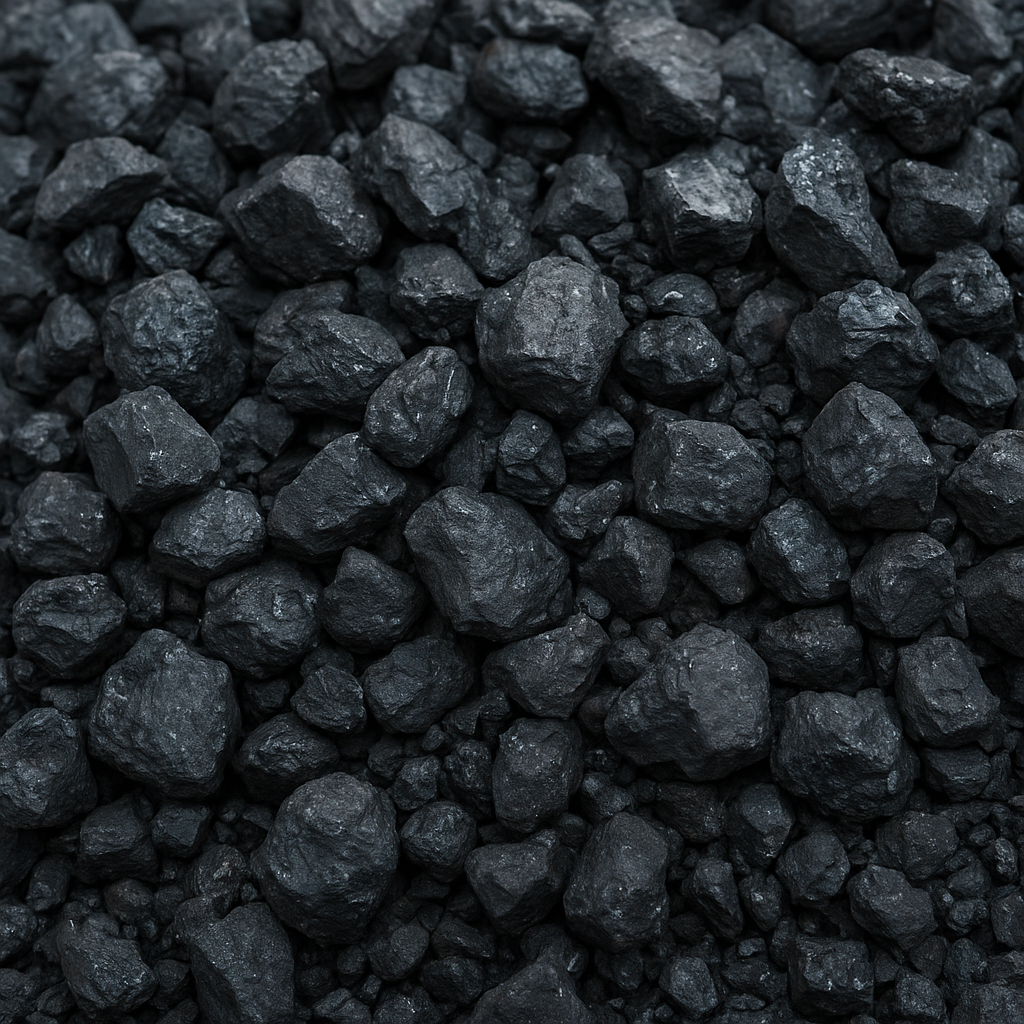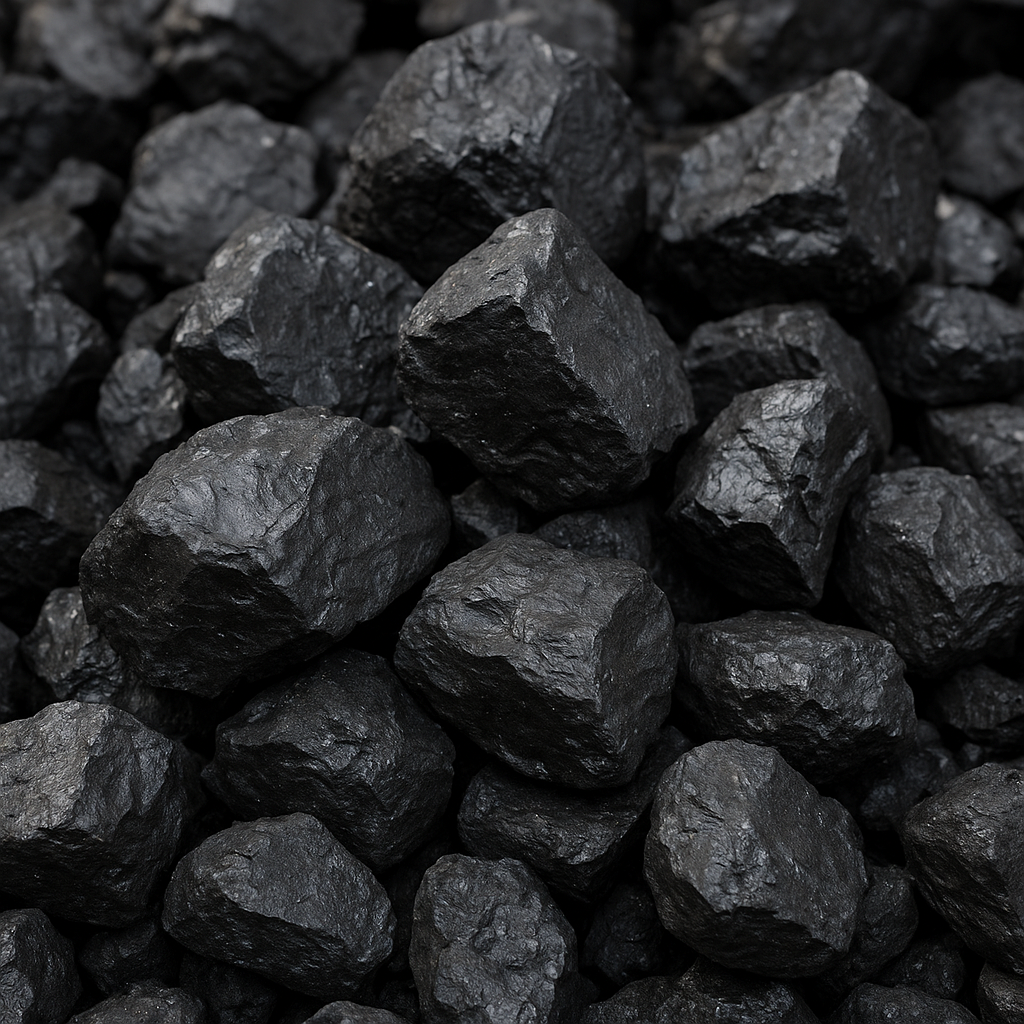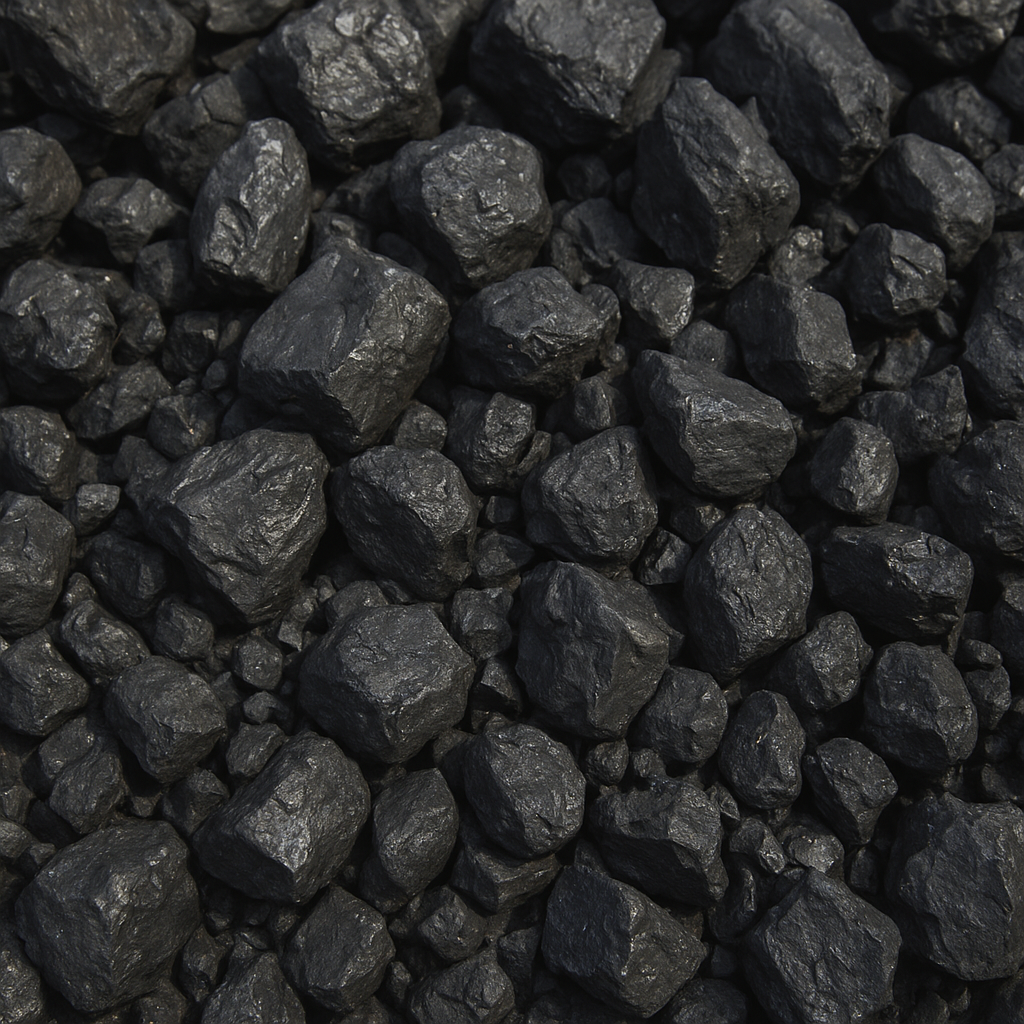
This article examines sized coal — coal that has been crushed, screened and graded into defined particle ranges for specific industrial uses. Sized coal plays a crucial role in power generation, steelmaking and other industrial processes because particle size strongly influences combustion behavior, handling, and product quality. Below you will find a detailed overview of its classification, geological occurrence, global production and trade, economics and statistics, industrial significance, processing methods, logistics, and environmental considerations.
Nature, classification and technical characteristics of sized coal
Coal is a heterogeneous natural resource that ranges in particle size from large lumps down to dust. After extraction, coal is commonly processed in preparation plants where it is crushed and screened into defined size fractions. The term sized coal usually refers to these graded fractions intended for particular markets, in contrast to raw run-of-mine coal or pulverised coal products. Typical commercial size categories vary by market and region but commonly include fractions such as:
- lump coal (e.g., > 50 mm),
- nut coal (e.g., 25–50 mm),
- pea coal (e.g., 10–25 mm),
- stoker (e.g., 6–25 mm),
- fine coal and powdered (< 6 mm down to microns) used for pulverised fuel applications.
Sizing matters because it affects combustion stability, heat release rate, and the formation of pollutants. For example, larger lumps burn more slowly and are preferred in some domestic and industrial stoker furnaces, while thermal power plants often require coal ground to a very fine size for efficient pulverised-fuel combustion. In contrast, metallurgical and coking applications demand specific size ranges to ensure proper coke oven operation and blast furnace performance.
Key technical parameters associated with sized coal
- Calorific value (gross and net): energy content per unit mass.
- Moisture content: influences heating value and handling.
- Ash content and ash fusion temperature: important for slagging and disposal.
- Volatile matter and fixed carbon: determines combustion characteristics.
- Sulfur and trace elements: affect emissions and compliance.
- Particle size distribution and gradation: critical for feeding systems and combustion control.
Coal washing and beneficiation are often applied to sized coal to reduce impurities (ash, sulfur) and to upgrade calorific value. The end result is higher-quality sized coal tailored to end-users’ specifications — for example, a 25–50 mm washed thermal coal with low ash for an overseas power plant contract.
Where sized coal occurs and where it is mined
Coal deposits formed over geological time under varied paleoenvironmental conditions; large deposits occur on most continents. Sized coal itself is not a specific seam or formation — it is a processed product derived from mined coal. The geographical distribution of sized coal therefore mirrors global coal mining regions, with processing plants located near major mines or port terminals to supply local and international markets.
Major coal-producing countries that supply the bulk of the world’s sized coal include:
- China — the world’s largest producer and consumer. Significant basins include Shanxi, Inner Mongolia, Shaanxi and Xinjiang.
- India — large reserves and substantial production centered in Jharkhand, Odisha, Chhattisgarh and West Bengal.
- United States — key basins are the Powder River Basin (PRB) in Wyoming and Montana, and the Appalachian region.
- Australia — major production in Queensland and New South Wales, with extensive export-oriented sized coal (thermal and coking).
- Russia — large deposits in the Kuznetsk Basin (Kuzbass), Kansk-Achinsk and Far Eastern basins.
- Indonesia and Colombia — major exporters of thermal sized coal serving Asian markets.
- South Africa — significant production in Mpumalanga and export-oriented infrastructure on the east coast.
In practical terms, sized coal is produced at surface and underground mining operations where crushing and screening are part of the coal preparation plant. Coastal terminals and inland distribution depots often perform additional sizing and blending to meet contractual specifications for international buyers or local utilities.
Regional differences in sizing preferences
- Asian thermal plants often import medium-to-coarse sizes (e.g., 10–50 mm) for bulk handling and stockpiling, while some prefer finer fractions for fluidised bed and pulverised systems.
- Steelmakers require tightly controlled coking coal size distributions, as coke quality and strength depend on particle size and chemistry.
- Domestic markets in Europe and parts of Africa commonly demand larger lump sizes for small-scale boilers and household use.
Economic and statistical overview of sized coal
Coal remains a major global commodity with sizeable volumes traded as both raw and sized products. Although the long-term trend in some regions is declining coal use due to climate policies and renewables growth, coal continues to underpin electricity generation and heavy industry in many countries.
Approximate global figures (early 2020s) to provide context:
- Global coal production: roughly 7–8 billion tonnes per year (all types combined).
- Global coal consumption: similar range, with consumption concentrated in a few large markets (China alone accounts for around half of global coal use).
- Coal in power generation: coal provided approximately one-third to 40% of global electricity generation in the early 2020s; in many emerging economies the share is higher.
- Trade flows: Australia and Indonesia are the leading exporters of thermal coal by tonnage; Australia, Russia and the United States are major suppliers of metallurgical coal. Major importers include China, India, Japan, South Korea and European countries.
- Prices and market dynamics: sized-coal prices depend on grade (calorific value, ash, sulfur), size specification, shipping logistics, and global demand for thermal versus metallurgical coal. Price volatility has been observed due to supply shocks, weather events, geopolitical tensions and shifts in energy policy.
Employment and local economic impacts are significant in coal regions: mining operations, preparation plants, transport and port services support thousands of jobs directly and many more indirectly. In export areas, sized coal contributes substantially to foreign exchange earnings and regional infrastructure development.
Market segmentation and contract structures
Sized coal is traded under a variety of contract types:
- Long-term contracts between miners and utilities or steelmakers specifying size, grade, price indexation and delivery terms.
- Spot market sales where cargoes of specified size and quality are sold to immediate buyers — these are sensitive to short-term supply-demand imbalances.
- Blended cargos that mix different sizes and qualities to meet a buyer’s calorific and ash specifications.
Because handling equipment (conveyors, screens, feeders) is size-dependent, the end-user often specifies tight control on gradation and sizing. Premiums or penalties are applied in contracts based on whether shipments meet declared sieve analyses.
Industrial uses and significance in manufacturing and energy
Sized coal is integral to multiple sectors:
- Power generation — sized coal fed into boilers or pulverisers is central to conventional thermal power plants.
- Steel production — coking coal sized and blended for coke ovens is critical for producing metallurgical coke used in blast furnaces.
- Cement and lime production — coal of particular sizes provides controlled combustion profiles in kilns.
- Household and small-industrial heating — lump and nut sizes are preferred for stoves and small boilers.
- Coal-to-chemicals and gasification — certain size fractions are favoured for fedstock storage and gasifier feed systems.
The value of sized coal to industry stems from predictable performance: consistent calorific input, reduced handling problems (bridging, dust), and lower emissions when quality is controlled. For steelmakers, the physical behaviour of coal during coking — swelling, plasticity, coke strength — is sensitive to both chemical composition and particle size. For power plants, well-sized coal leads to better combustion efficiency and lower unburnt carbon losses.
Examples of size-dependent applications
- Pulverised coal combustion (PCC): coal is ground to pulverised form — particle sizes in the tens of microns — to achieve rapid and efficient combustion in large boilers.
- Fluidised bed combustion (FBC): coal is often milled to a coarser but controlled size to maintain fluidisation and reduce elutriation.
- Pulverised Coal Injection (PCI) in blast furnaces: typically uses coal sized and milled to pass through specific sieves to ensure reliable injection rates and combustion in the tuyere zone.
Processing, handling, logistics and quality control
Production of sized coal involves multiple steps:
- Crushing: primary, secondary and tertiary crushers reduce run-of-mine lumps to target size ranges.
- Screening: vibrating screens, rotary trommels and air classifiers separate size fractions.
- Washing and beneficiation: dense medium separation, jigging and flotation remove ash and impurities, improving calorific value.
- Blending: to meet specifications, plants blend coals from different seams or batches to achieve uniform quality.
- Piling and reclaiming: controlled stockpiling (with windbreaks and moisture control) reduces spontaneous combustion and dust losses.
Logistics for sized coal include rail, barge and ocean bulk shipping. Bulk terminals often perform final sizing and blending, and provide sampling and laboratory testing to certify shipments. Real-world challenges include:
- Dust control during loading/unloading — both a safety and environmental imperative.
- Spontaneous combustion risk in poorly managed stockpiles, particularly for fine and high-volatile coals.
- Coordination of transportation to prevent segregation of size fractions during handling.
Quality control typically relies on routine sampling and proximate/ultimate analyses. Contractual terms specify allowable tolerances in sieve analysis (particle size distribution), calorific value, moisture and ash. Penalty mechanisms compensate buyers for off-spec shipments or reward suppliers for premium qualities.
Environmental, regulatory and future trends affecting sized coal
Coal combustion is a major source of CO2 and air pollutants such as SO2, NOx and particulates. Consequently, environmental regulations influence the demand for higher-quality sized coal and for beneficiation practices that lower ash and sulfur before combustion. Key considerations include:
- Emission controls at end-use: flue gas desulfurisation (FGD), selective catalytic reduction (SCR) for NOx, and particulate filters change the economics of coal grades.
- Carbon pricing and net-zero commitments: many utilities are reducing coal use or retrofitting plants with carbon capture; this affects long-term demand for thermal sized coal.
- Water and land management at mines and preparation plants: regulatory and social licence pressures require reclamation, reduced effluent and minimized dust.
Technological developments are shaping the future for sized coal:
- Improvements in coal preparation and washing increase the yield of high-value sized fractions.
- Advanced screening technologies and real-time on-belt analyzers improve quality control and reduce wastage.
- Carbon capture and storage (CCS) and co-firing with biomass or hydrogen-enriched fuels could prolong the life of some coal-fired infrastructure, while changing the specifications required of sized coal.
Economic pressures and pivot to lower-carbon energy
In many advanced economies, policies incentivising renewables and electrification are reducing demand for coal-fired generation. However, in developing and industrialising countries, coal remains attractive for its affordability and reliability. This bifurcated demand creates niche markets for high-quality sized coal (metallurgical coke export markets, Asian thermal imports) even as overall tonnages may decline in some regions.
Interesting facts, case studies and notable statistics
– The process of creating sized coal can increase the market value of a raw coal stream significantly: washing and grading reduce ash and moisture, effectively increasing the energy content per tonne and command higher prices on international markets.
– In export logistics, coal is often shipped in homogeneous cargoes of specific size ranges to match buyer handling equipment and to avoid segregation during transport. For example, an export cargo specified as 10–50 mm will be sampled and certified with a sieve analysis to ensure uniformity.
– China’s dominance: China consumes roughly half of global coal; therefore, shifts in Chinese policy or demand have outsized effects on prices and trade flows for sized coal. When Chinese imports tightened or expanded, global prices have reacted sharply.
– Coal’s role in steel: despite strong decarbonisation targets in many countries, steelmaking still depends heavily on coke derived from sized coking coals. Research into hydrogen-based direct reduction and electric arc furnace routes is progressing, but large-scale transition is capital-intensive and will take years, maintaining demand for metallurgical sized coal in the near term.
– Safety and handling: sized coal reduces many operational hazards related to dust and spontaneous combustion versus unmanaged fines, but fines still pose storage and environmental challenges that must be actively managed.
Conclusions and outlook
Sized coal is a versatile and strategically important product of the coal industry. By aligning particle size, chemistry and physical cleanliness with end-user requirements, sized coal enables reliable combustion, efficient steel production and predictable logistics. The market for sized coal is shaped by geology (where coal is found), mining and processing technologies, international trade patterns, and increasingly by environmental regulations and decarbonisation policies.
Going forward, the sized coal market will likely see continued segmentation: premium, low-ash and low-sulfur sized coals for export and industrial users; locally tailored sizes for remaining coal-fired power plants in transitional economies; and continued demand for high-quality coking coal until low-carbon steel technologies are widely deployed. Meanwhile, improvements in mining, washing, screening and emissions control will influence competitiveness, and innovations such as CCS and fuel co-firing could reshape the life cycle of sized coal in energy systems.
Key terms highlighted in this article: sized coal, thermal, metallurgical, coking, gradation, efficiency, emissions, transportation, mining, global demand.