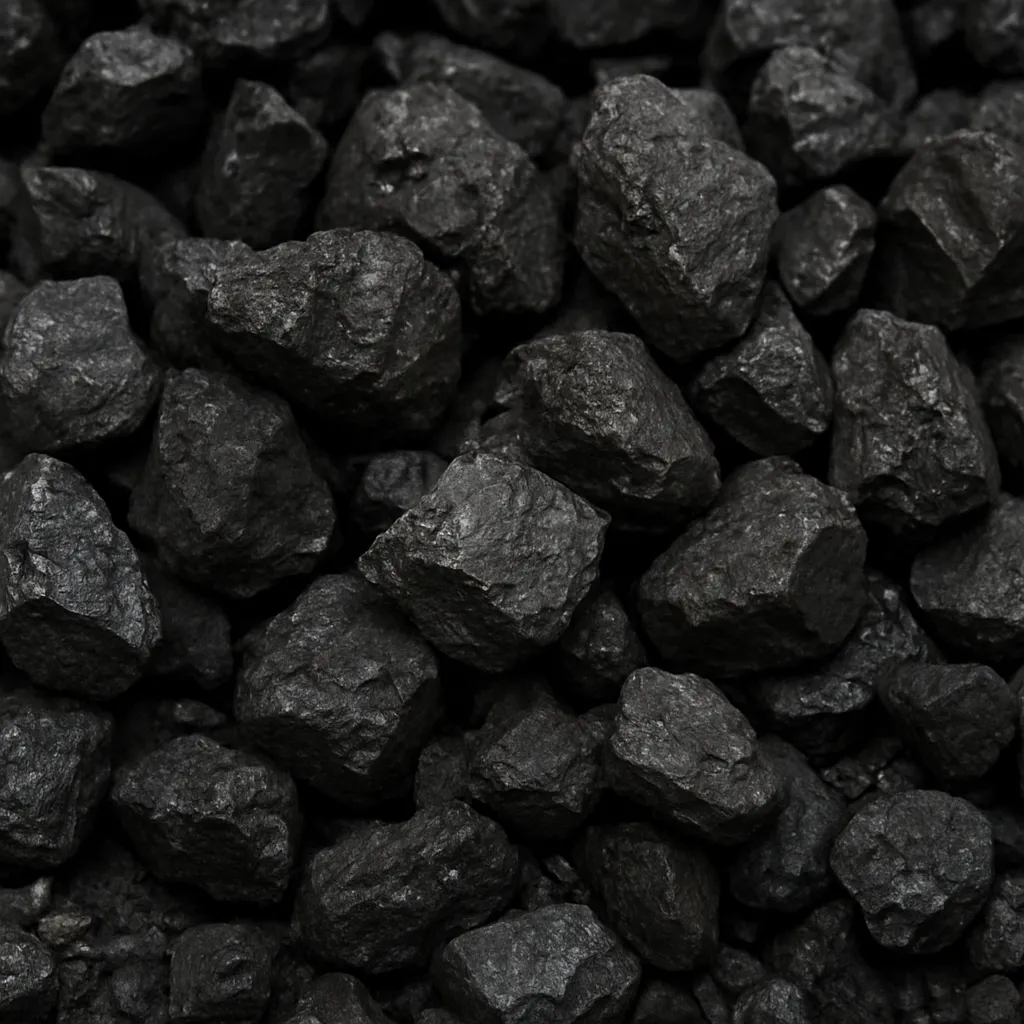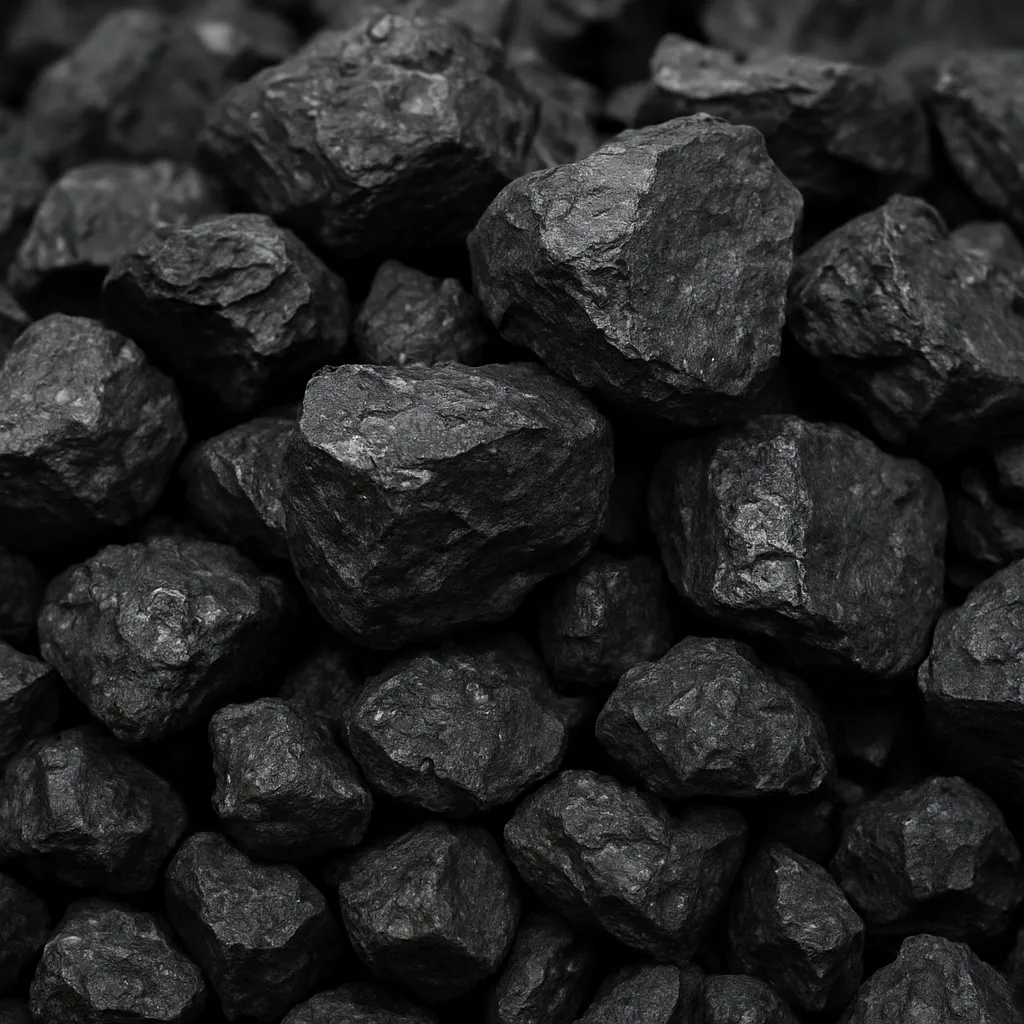
This article examines the characteristics, occurrence, mining, economic significance and industrial role of the Prime PCI blend — a category of coals specifically tailored for pulverized coal injection (PCI) into blast furnaces. It covers geological origins, major producing regions, technical specifications, market dynamics, and future trends, with practical statistics and estimates where available. The aim is to provide a comprehensive resource for engineers, analysts and decision-makers interested in this important coal product and its role in global steelmaking.
Geology, Formation and Occurrence of Prime PCI Blend Coals
Coals suitable for pulverized coal injection are not a single geologic type but rather a group of coals selected and often blended to achieve the combination of physical and chemical properties required by blast furnace operators. These coals commonly originate from bituminous to sub-bituminous rank deposits formed in peat-accumulating basins during the Carboniferous through Tertiary periods. The natural occurrence of such coals is tied to large sedimentary basins where vegetation accumulated, was buried and thermally altered under pressure.
Typical geological settings for PCI-grade coals include:
- Interior continental basins (e.g., the Powder River Basin in the United States) containing sub-bituminous coals with low sulfur and low ash.
- Permo-Carboniferous and Mesozoic basins (e.g., Kuzbass in Russia; Gunnedah and Bowen Basins in Australia) producing bituminous coals that can be blended for both high calorific value and favorable grindability.
- Highveld and Witbank basins in South Africa with coals traditionally used for both metallurgical and injection applications after beneficiation.
The distribution of suitable deposits is therefore global: Asia, Australasia, North America, South America, Europe and Africa all host coals that can be formulated into Prime PCI blends. What differentiates a PCI blend is human selection and processing rather than geology alone: coals are often washed, milled, and mixed to target volatile matter, ash content, sulfur levels, calorific value and grindability.
Where Prime PCI Blend Is Mined: Major Producing Regions and Suppliers
Prime PCI blends are produced in and exported from several key coal mining regions worldwide. The choice of supply depends on proximity to steelmaking centers, shipping logistics, and the ability of mines to supply consistent, high-quality material. Important producing regions and suppliers include:
- Australia — Bowen Basin and Gunnedah Basin are major exporters of metallurgical and PCI-suitable coals. Australian coals are prized for predictable quality, low ash and well-managed logistics to Asia-Pacific steel mills.
- South Africa — Highveld and Witbank basins supply coals used for PCI, particularly to regional steelworks and for export to markets in Europe and Asia.
- Russia — Kuznetsk (Kuzbass), Kansk-Achinsk and Far-Eastern deposits export coals suitable for injection to European and Asian mills.
- United States — Illinois Basin and other regions produce coals that can be tailored to injection; Powder River Basin provides large volumes of low-sulfur, low-rank coal used in some blends.
- Colombia and other South American producers — supply low-sulfur coals and blends competitive for certain markets.
- Indonesia — while more known for thermal coal, some Indonesian coals are incorporated into PCI blends for specific energy and sulfur profiles.
Many large steel producers maintain long-term contracts with suppliers in these regions and invest in blending and logistics to ensure supply security. The movement of PCI coals follows major shipping routes from export hubs (e.g., Newcastle, Richards Bay, Rotterdam) to steelmaking ports close to blast furnaces.
Physical and Chemical Properties that Define a Prime PCI Blend
A Prime PCI blend is designed to meet operational needs inside a blast furnace while minimizing adverse effects on furnace chemistry and downstream processes. Critical properties include:
- Calorific value (gross calorific value, typically measured in MJ/kg) — PCI coals often range from ~18 to >30 MJ/kg depending on rank. Higher calorific value reduces mass injected but can affect flame characteristics.
- Volatile matter — volatility influences combustion behavior in the tuyere zone. A controlled volatile content helps ensure stable combustion and appropriate gasification.
- Ash content and composition — low ash (often <15% desirable) reduces slag formation and handling costs; ash fusibility matters for furnace lining and slag chemistry.
- Sulfur — low sulfur (<1% desirable) is preferred to limit SOx emissions and negative impacts on steel quality.
- Hardgrove Grindability Index (HGI) — influences how the coal mills and pulverizers perform. Higher HGI generally eases comminution and lowers energy use in grinding.
- Moisture — lower inherent moisture improves heating value delivered to the furnace.
- Particle size distribution — pulverizing to the optimal fineness ensures rapid combustion in the tuyere; typical particle size targets are tailored to burner design.
Because a single raw coal rarely meets all targets, many suppliers offer blended products — combining two or more coals to balance calorific value, volatility, ash and HGI. The name Prime PCI blend typically denotes a premium, quality-controlled blend with consistent performance characteristics and guaranteed specifications.
Technical Performance in Blast Furnaces and Operational Considerations
PCI is injected through the tuyeres of a blast furnace to provide a portion of the reducing agent and thermal energy needed to produce hot metal. The benefits and considerations include:
- Fuel substitution: PCI partially substitutes metallurgical coke, reducing coke consumption and associated costs. Injection also helps manage furnace permeability and internal heat balance.
- Injection rates: Modern blast furnaces commonly operate with PCI injection rates ranging from ~50 to more than 200 kg per ton of hot metal (kg/tHM), depending on furnace design, raw materials and operating strategy. Many plants target 80–150 kg/tHM as a practical range.
- Combustion and reactivity: The coal must combust rapidly in the raceway to deliver reducing gases; therefore, grindability and volatility are essential.
- Impact on coke quality and consumption: Increased PCI reduces the production and consumption of coke but excessive injection can compromise furnace permeability and stability if ash or volatiles are not properly balanced.
- Interaction with sinter and pellets: The composition of burden materials affects the optimal PCI blend and rate; operators coordinate base burden chemistry with injection schedules.
Economic, Market and Statistical Context
Prime PCI blends occupy a strategic economic niche at the intersection of coal markets and the global steel industry. Several macro statistics and estimates help quantify this relationship:
- Global coal production: Recent global coal output is on the order of roughly 7.5–8.0 billion tonnes per annum (values vary year to year and by data source). Coal remains one of the largest energy commodities worldwide.
- Global crude steel production: The World Steel Association reports annual crude steel production in the range of approximately 1.8–1.9 billion tonnes in the early 2020s. The majority of this output is still produced via the blast furnace-basic oxygen furnace (BF-BOF) route, though the share varies by region.
- BF share and implied PCI demand: If around 60–70% of crude steel is produced via BF-BOF, and if the average PCI injection rate is ~100 kg/tHM, a rough arithmetic estimate gives on the order of 100–150 million tonnes per year of pulverized coal injected globally (this is an estimate that depends on BF throughput, actual injection rates and the fraction of steel produced via blast furnace routes).
- Price dynamics: PCI coal prices vary by quality, origin and market conditions; in recent years price ranges have generally fluctuated from roughly US$60/ton to over US$140/ton FOB for higher-quality PCI coals, though spikes and regional differences occur especially during supply shocks or geopolitical events.
- Trade flows: Major exporters of PCI-suitable coals include Australia, Russia, South Africa and Colombia, while major importers are concentrated in East and South Asia (China, Japan, South Korea, India), Europe and the Middle East where BF steel plants are located.
These statistics imply that the PCI market represents a significant but not dominant share of the global coal trade. Its value to steelmakers stems from cost savings (less coke), operational flexibility, and the ability to use a broader range of coals, which affects global demand patterns and freight flows.
Industrial Significance: Why Prime PCI Blend Matters for Steelmakers
The industrial relevance of a Prime PCI blend lies in its ability to improve furnace economics and flexibility while maintaining metal quality. Key benefits include:
- Cost reduction: By substituting a portion of coke (which is expensive and energy-intensive to produce) with PCI, blast furnace operators reduce production costs. Coke ovens are capital- and energy-intensive, so any reduction in coke requirement improves overall margins.
- Operational flexibility: PCI enables quick adjustments to furnace thermal and reductant balance, allowing operators to respond to variations in burden quality or demand.
- Lower capital intensity per unit of production: Increased PCI can reduce the need for additional coke-making capacity when steel production rises.
- Feedstock diversification: Blending enables use of coals that might otherwise be unusable for cokemaking, turning lower-value coals into valuable injected fuel sources.
The practical outcome is that a high-quality, consistent Prime PCI blend supports more stable furnace performance, predictable refractory life, and potentially lower overall carbon intensity per tonne of hot metal compared with a furnace relying entirely on coke — but only to a limited extent, since PCI still involves coal combustion and CO2 emissions.
Logistics, Blending and Quality Control
The production and delivery of Prime PCI blends require integrated logistics and stringent quality control:
- Washing and beneficiation: Many coals destined for PCI are washed to remove rock and lower ash and sulfur, improving furnace performance and reducing slagging.
- Blending facilities: On-site or near-mine blending plants combine coals to specification. Blending can be adjusted dynamically to match furnace needs.
- Handling and storage: PCI coals are more susceptible to spontaneous combustion risks than high-rank coals; careful storage, inerting and monitoring are important.
- Grinding and milling: Delivering coal at the right particle size is essential. Mill capacity and reliability are central for maintaining steady injection rates.
- Supply chain integration: Long-term contracts, shipping charters and port infrastructure underwrite secure deliveries; disruptions can materially affect steel operations.
Environmental Considerations and Decarbonisation Trends
Although PCI brings operational advantages, from a climate perspective it remains a fossil fuel technology. Important environmental considerations include:
- CO2 emissions: Injected coal contributes to direct CO2 emissions from the furnace. While PCI can reduce coke production (which itself emits CO2 during cokemaking and in the furnace), net carbon benefits are limited and depend on the comparative emissions of coke-making versus direct coal injection.
- Air pollutants: Sulfur and nitrogen compounds and particulate emissions remain concerns; low-sulfur PCI blends and modern abatement systems help mitigate these issues.
- Alternatives to coal injection: Natural gas injection and injection of pulverized biomass, waste materials or hydrogen are being trialed and, in some plants, deployed to reduce fossil CO2 intensity. Hydrogen-based direct reduction (H-DRI) is a strategic decarbonisation pathway that could displace BF-BOF and thereby reduce long-term demand for PCI coals.
- Regulatory and market pressures: Emissions regulations, carbon pricing and corporate decarbonization commitments are putting pressure on BF operators to reduce reliance on coal or to adopt carbon capture and storage (CCS) where feasible.
Thus, while Prime PCI blends remain economically important today, their role may evolve as the steel industry adopts lower-carbon technologies. In the medium term, high-quality PCI blends that minimize sulfur and ash will be favored while carbon-reduction pathways mature.
Interesting Technical and Historical Notes
A few additional points that often interest technical audiences:
- Historical development: PCI technology matured from the mid-20th century onward as an efficiency measure; injection rates have steadily increased with improved injectors, burners and coal preparation.
- Injector design matters: Different nozzle and lance systems handle particle sizes and flow rates differently; a Prime PCI blend is matched to the furnace and injection equipment.
- Thermochemical role: Injected coal participates in combustion and indirect reduction (via CO and H2 generated in the raceway); the volatile fraction and char reactivity are key to the balance between combustion and gasification processes in the lower furnace.
- Coal blending as an art: Experienced metallurgists and coal scientists often treat blending as an empirical craft — small adjustments in blend composition can significantly improve furnace stability and extend campaign life.
Outlook and Strategic Implications
The near-term outlook for Prime PCI blends remains tied to trends in global steel production, BF operational strategies and regional supply dynamics. Key forward-looking points:
- Demand persistence in Asia: Many large steel mills in China, India, Japan and South Korea continue to rely on BF-BOF routes for much of their production. This sustains demand for PCI blends in the medium term.
- Potential plateau or decline in the long run: Institutional decarbonization commitments and the rise of DRI (especially hydrogen-based DRI) and electric arc furnace (EAF) capacity suggest a potential long-term reduction in demand for injection coals.
- Premium for quality and reliability: As the market becomes more carbon-focused, coals and blends that enable lower emissions per tonne of steel and consistent furnace performance will command a premium.
- Integration with low-carbon solutions: Hybrid approaches — combining higher PCI rates with CCS, biomass co-injection or hydrogen injection — may extend the useful life of existing furnaces while reducing carbon footprints.
Concluding Remarks
Prime PCI blend coals occupy a pragmatic position in the contemporary steelmaking landscape: they are a cost-efficient means to reduce coke consumption, provide operational flexibility and allow the use of a wider palette of coal resources. Geologically widespread and supplied from major producing regions such as Australia, Russia and South Africa, these blends are engineered to meet critical parameters like calorific value, ash content, sulfur levels and grindability (HGI), which together determine performance in the blast furnace environment.
From an economic standpoint, PCI supports the large global steel industry — producing roughly 1.8–1.9 billion tonnes of crude steel annually — and implies significant flows of pulverized coal, possibly on the order of 100–150 million tonnes per year under plausible assumptions about blast furnace share and average injection rates. Yet the technology is also situated within a changing energy and regulatory landscape: decarbonisation pressures, alternative injectants and new steelmaking routes will influence demand and the value proposition for Prime PCI blends in coming decades.
For engineers and procurement professionals, the central takeaway is that the value of a Prime PCI blend lies as much in its operational predictability and logistical reliability as in its raw analytical specifications. Secure supply chains, robust quality control, and careful blending strategies remain decisive in converting geological coal resources into an industrial commodity that helps keep the world’s blast furnaces running.