The Khushuut Coal Mine is one of the lesser-known but regionally important coal mining sites in western Mongolia. Located in a remote part of the country, the mine exemplifies many of the characteristics of Mongolian small-to-medium scale coal operations: deposits of economically useful coal close to local demand centers, reliance on surface mining methods, significant logistical challenges, and an ongoing dialogue between economic development and environmental stewardship. This article summarizes the location, geology, products, economic role, technical aspects, and broader significance of Khushuut and similar mines in Mongolia, bringing together geological, socioeconomic, and industry perspectives.
Location and Geological Setting
The Khushuut site lies in western Mongolia, an area defined by mountain ridges of the Altai range and intermontane basins. The region is characterized by continental climate conditions with cold winters and relatively dry summers, which influence mining operations and infrastructure maintenance. The deposit occurs in sedimentary sequences typical for coal-bearing basins in Mongolia, where Late Paleozoic to Mesozoic strata host coal seams of variable thickness and rank.
Deposit characteristics
Khushuut’s seams are generally near-surface, making them amenable to open-pit mining. The coal is of variable rank, often classified between sub-bituminous and bituminous categories in many Western Mongolian deposits. This means the coal is most commonly used for thermal (power generation and heating) purposes, although pockets of higher-quality material may have limited coking potential. Thickness and lateral continuity of seams vary; this heterogeneity is typical for the region and affects mine planning and economic viability.
- Topography: Basin and valley settings near the Altai mountains.
- Seam depth: Typically shallow (suitable for surface mining).
- Coal rank: Predominantly sub-bituminous to bituminous.
- Mineralogy: Variable ash and moisture contents; sulfur generally low to moderate.
Mining Methods, Infrastructure and Logistics
Operationally, Khushuut follows the model of many regional Mongolian mines: relatively small-scale, mechanized open-pit extraction combined with on-site or nearby processing and storage facilities. The remoteness of the site means that access to rail connections—critical for large-scale coal export—is often absent, so road transport to regional hubs or border crossings is the default approach.
Extraction and processing
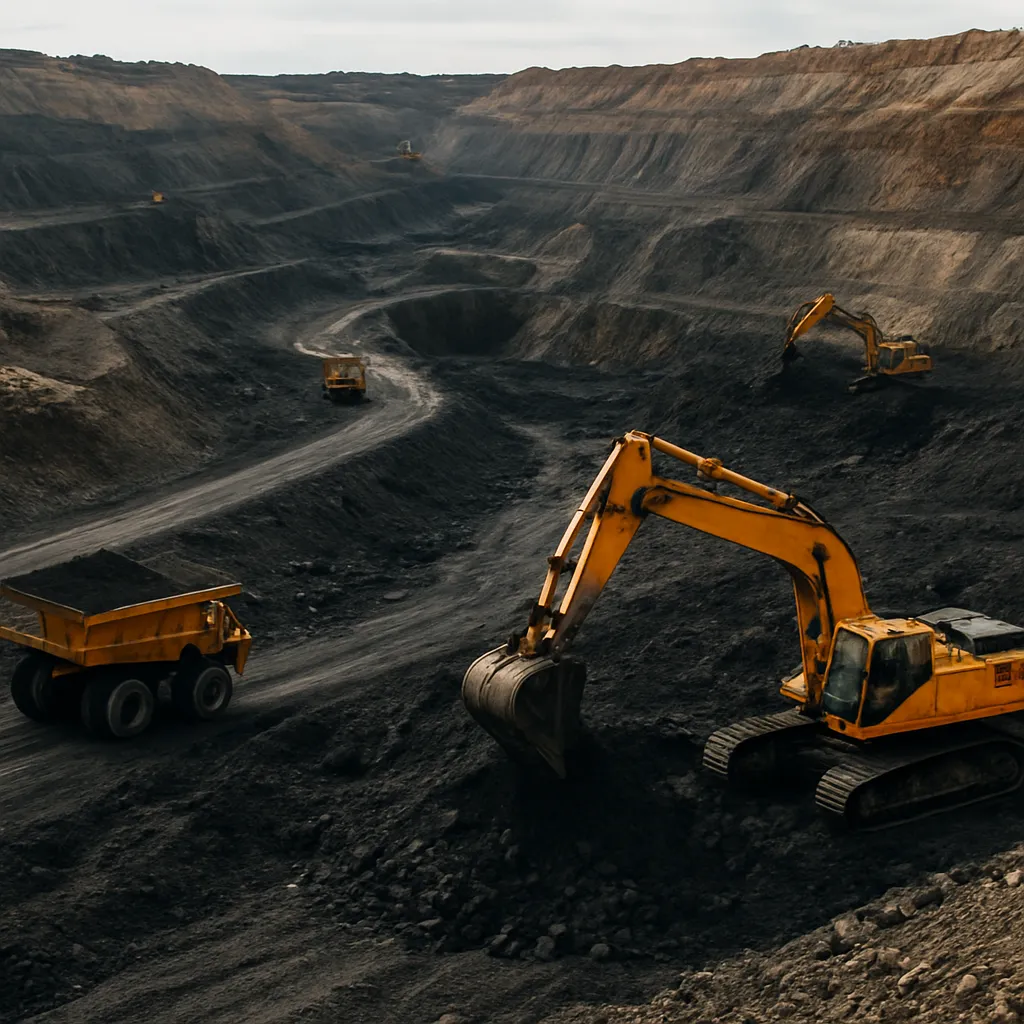
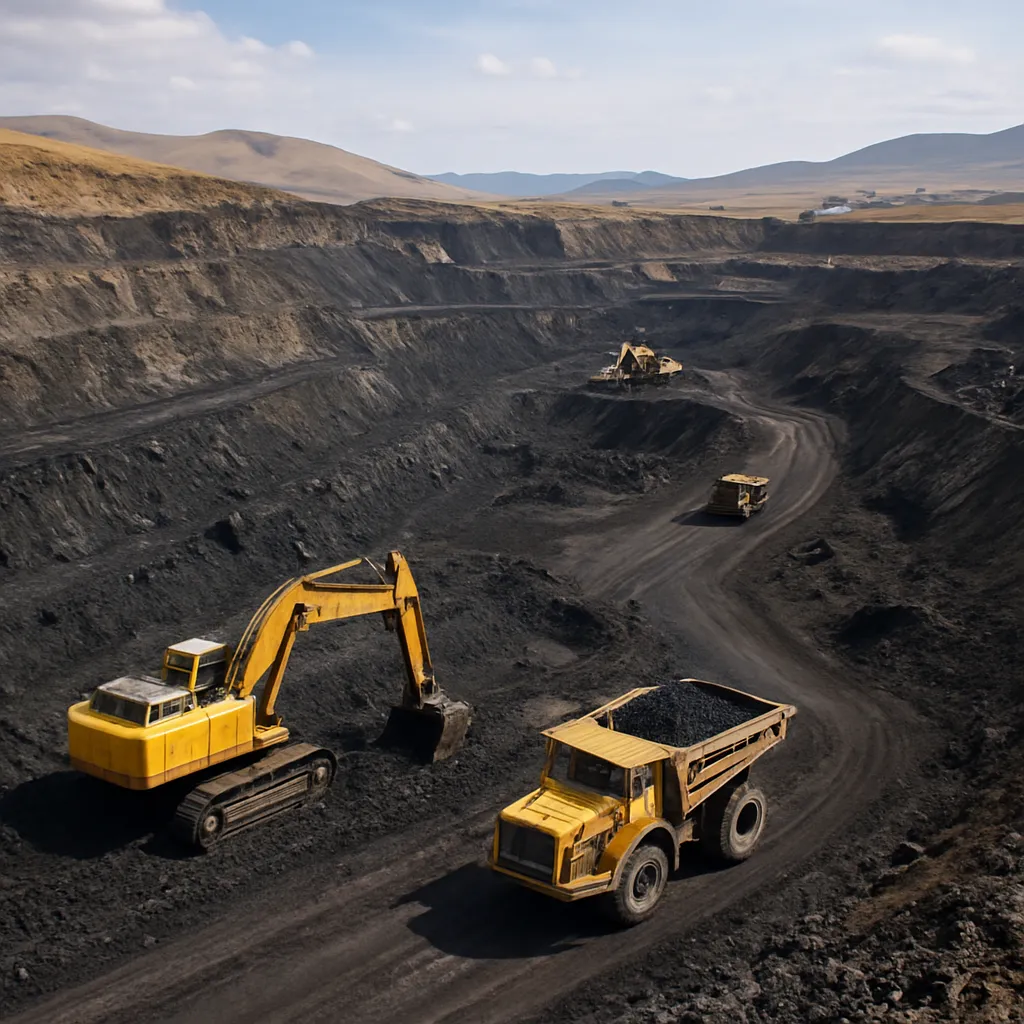
Open-pit mining at Khushuut typically uses bulldozers, excavators, and haul trucks, with ancillary equipment for overburden removal and benching. Crushing and screening may be limited to coarse sizing for local power plants or heating markets. Where quality permits, some producers operate simple washing or beneficiation plants to reduce ash content and increase calorific value.
Transport and market access
Transport is a major cost driver. Without direct rail, coal is loaded onto trucks and transported over regional roads which can be seasonally affected by weather. The principal market determinants for Khushuut are domestic energy demand (local power plants, district heating) and cross-border trade to China if logistics permit. Lack of large-scale rail linkages typically keeps throughput modest compared to Mongolia’s flagship mines in the south.
Economic and Social Role
Khushuut plays a role that is disproportionate to its size: supplying energy and employment to local communities, generating regional government revenues, and acting as a stepping stone for local infrastructure upgrades. While national headlines often focus on mega-projects, smaller operations are essential to Mongolia’s energy security and rural economies.
Employment and regional development
Mining operations create direct jobs in extraction, processing, maintenance and logistics. Indirect employment—services, transport, catering, and equipment servicing—also supports local livelihoods. For remote communities, mine-related wages and infrastructure investments (such as improved roads, power, and communications) can be significant. However, employment levels fluctuate with production cycles and commodity prices, so impacts can be uneven over time.
Fiscal contribution
Revenue streams include royalties, land use fees, corporate taxes, and local levies. For a small-to-medium mine like Khushuut, contributions typically support regional budgets and community development projects. Exact fiscal figures vary by operator and year; smaller mines often contribute several million dollars in total annually when production and commodity prices are favorable, though this is contingent on declared production and contractual terms.
Production, Quality and Statistics
Reliable, site-specific production statistics for some regional mines are not always publicly reported in detail. For Khushuut, available open-source data tend to be limited, and figures can change year to year depending on market demand, investment and infrastructure. Nevertheless, some general observations can be made about production scale and coal quality.
Typical production scale
- Smaller mines in western Mongolia often produce from tens to hundreds of thousands of tonnes per year. Khushuut, given its geologic setting and transport constraints, is typically within this range rather than the multi-million tonne class of the largest Mongolian mines.
- Production can be highly seasonal, with winter heating demand sometimes driving increased domestic off-take.
Coal quality metrics
Key indicators for coal quality include moisture, ash, calorific value (gross calorific value—GCV), volatile matter, and sulfur content. For Khushuut-type coals:
- GCV: Often in the sub-bituminous to bituminous range (specific values vary by seam and washability).
- Ash: Can be moderate; beneficiation reduces ash to improve marketability.
- Sulfur: Frequently low to moderate, making some seams attractive for domestic use with limited emissions controls.
Because detailed laboratory values for Khushuut are not always published, exact numbers should be sourced from operator reports or government geological surveys when precision is required.
Environmental and Social Considerations
Mining in fragile ecosystems raises concerns. Khushuut’s environment—cold, semi-arid steppe and mountain systems—is susceptible to disturbance, and responsible management is required to limit impacts on water, soil, pasturelands and local communities.
Environmental impacts
Typical impacts include landscape alteration from open pits, dust generation, changes to hydrology from dewatering or surface runoff, and potential contamination from mining waste if not properly managed. In Mongolia, water is scarce in many regions, increasing the importance of prudent water management strategies for beneficiation and dust control.
Mitigation and rehabilitation
Best practices include progressive land reclamation, controlled dust suppression, wastewater treatment and closure planning that restores or stabilizes land for future uses (often grazing or limited agriculture). Engagement with local herding communities is vital, given the traditional dependence on pastures.
Strategic Importance and Future Prospects
Although not a national flagship, Khushuut contributes to Mongolia’s diversified mining sector. Small and medium mines provide flexibility for domestic energy supply and can complement larger export-oriented operations. Several factors will determine Khushuut’s trajectory in the coming years.
Drivers for growth
- Domestic energy demand: Local and regional heating and power needs can sustain production.
- Infrastructure improvements: Road upgrades or new rail links would markedly increase market reach and potential scale.
- Investment in beneficiation: Washing facilities that lower ash and increase calorific value can raise the economic value of extracted coal.
Constraints and risks
- Logistics: High transport costs without rail access limit competitiveness in export markets.
- Environmental regulation: Stricter emissions and reclamation rules increase operating costs.
- Commodity price volatility: Coal price swings influence profitability and investment appetite.
Industry Context: How Khushuut Fits into Mongolian Coal Mining
Mongolia’s coal industry is dominated in public perception by a handful of very large mines, but the national supply chain is supported by many smaller deposits. Khushuut illustrates the role of regional mines in:
- Supplying local heating and industrial needs where national grid connections are limited.
- Providing employment and economic activity in remote provinces.
- Acting as practical laboratories for testing beneficiation and small-scale export models.
From a macroeconomic standpoint, these smaller mines diversify revenue sources and provide resilience in local energy systems. Strategically, improving logistics corridors could transform the economics of regional deposits like Khushuut, enabling aggregated transport to larger markets or export hubs.
Interesting Facts and Operational Highlights
Several aspects of Khushuut and similar operations are notable:
- Seasonality of demand: Heating requirements in winter drive spikes in domestic off-take, which impacts production scheduling and worker deployment.
- Community connections: Local herding economies often intersect with mine operations; careful land use agreements are important.
- Potential for modernisation: Small investments in wash plants, dust control, and road maintenance can yield high marginal returns by improving coal quality and reducing wastage.
- Opportunities for value addition: Where coal quality supports it, briquetting or small-scale coke production can create local value chains.
Conclusions and Outlook
The Khushuut Coal Mine typifies the many small-to-medium sized coal operations that form the backbone of regional energy and economic activity in Mongolia. While not on the scale of international export giants, Khushuut’s combination of accessible seams, local market relevance and sensitivity to logistics makes it economically meaningful for its province. Investment in transport infrastructure, environmental management and modest processing capabilities would likely increase the mine’s value and longevity.
For policymakers and investors, the key considerations include balancing short-term economic gains with long-term sustainability, managing water and land use effectively, and integrating mine planning with regional development to ensure benefits reach local communities. With appropriate management, sites like Khushuut can continue to supply essential energy, create jobs, and support Mongolia’s balanced growth in the mining sector.