This article presents a comprehensive overview of the Kazimierz–Juliusz coal mine in Poland: its location, geology, mining operations, the type and quality of coal, economic and social importance, environmental challenges and reclamation efforts, plus historical context and current status. The text aims to give a clear picture for readers interested in industrial heritage, energy policy, regional development and mining technology. Key terms throughout the article are highlighted to help skimming readers quickly identify the most relevant concepts.
Location and Geological Setting
The Kazimierz–Juliusz mine is situated in southern Poland within the historic industrial region known as Zagłębie Dąbrowskie, part of the larger Upper Silesian Coal Basin. The mine’s municipal affiliation is with the city of Sosnowiec (or its immediate vicinity), which is one of the major urban centers in the Silesian Voivodeship. This region has been a core area of Polish coal mining for more than 150 years, with densely developed mining infrastructure, rail links, and industrial complexes.
Geologically, Kazimierz–Juliusz exploited seams formed in the Carboniferous period, which are typical of the Upper Silesian basin. These seams are layered and vary in depth and thickness; they are part of a stratigraphic sequence that includes multiple coal seams separated by layers of shale, sandstone and claystone. Coal in this part of the basin is primarily bituminous in rank, with local variations between grades used for steam, heating and metallurgical coke production.
Regional Geology and Seam Characteristics
- Stratigraphy: Multiple productive seams at variable depths, overlain by sedimentary rocks typical for the Carboniferous basin.
- Coal rank: Predominantly medium- to high-rank bituminous coal, with sections suitable for coking in some horizons.
- Structural features: Faults, folds and local thinning/thickening of seams that influence mining methods and economics.
Mining Operations and Coal Characteristics
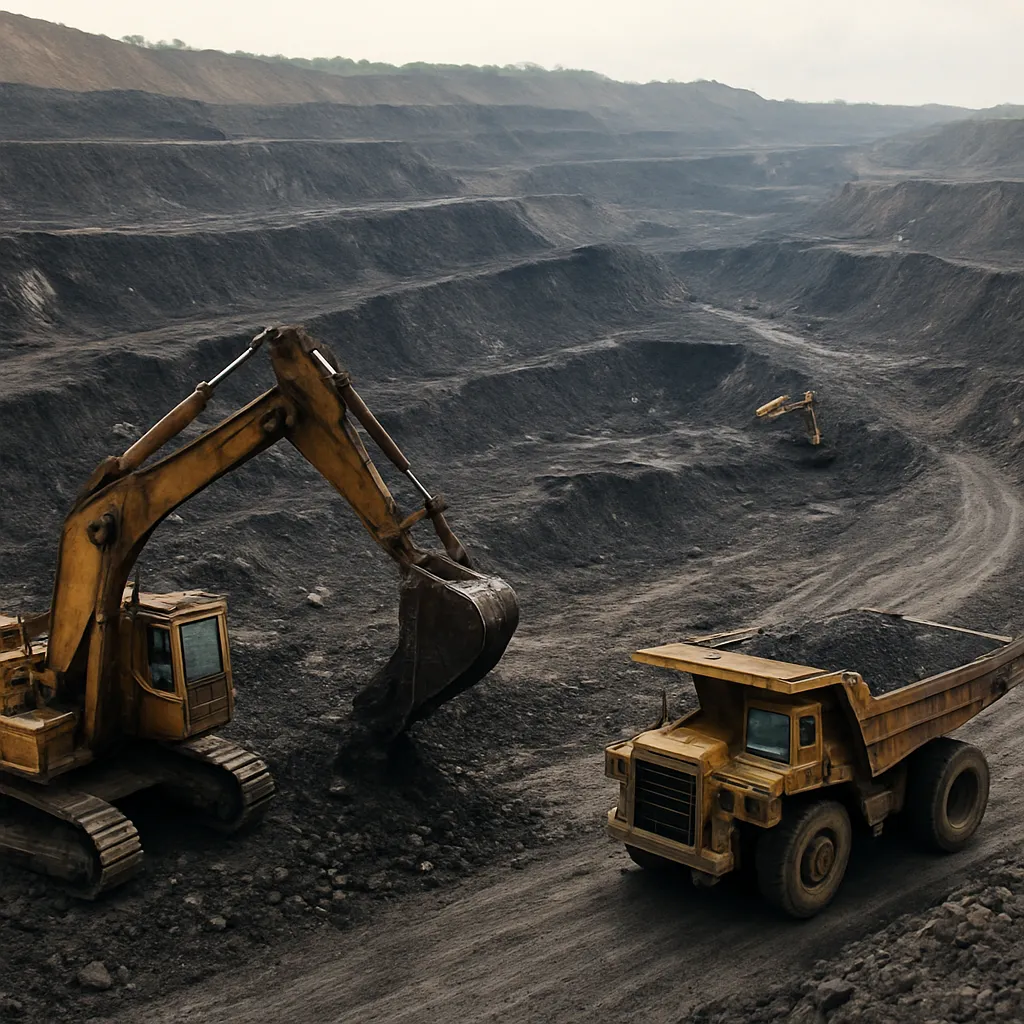
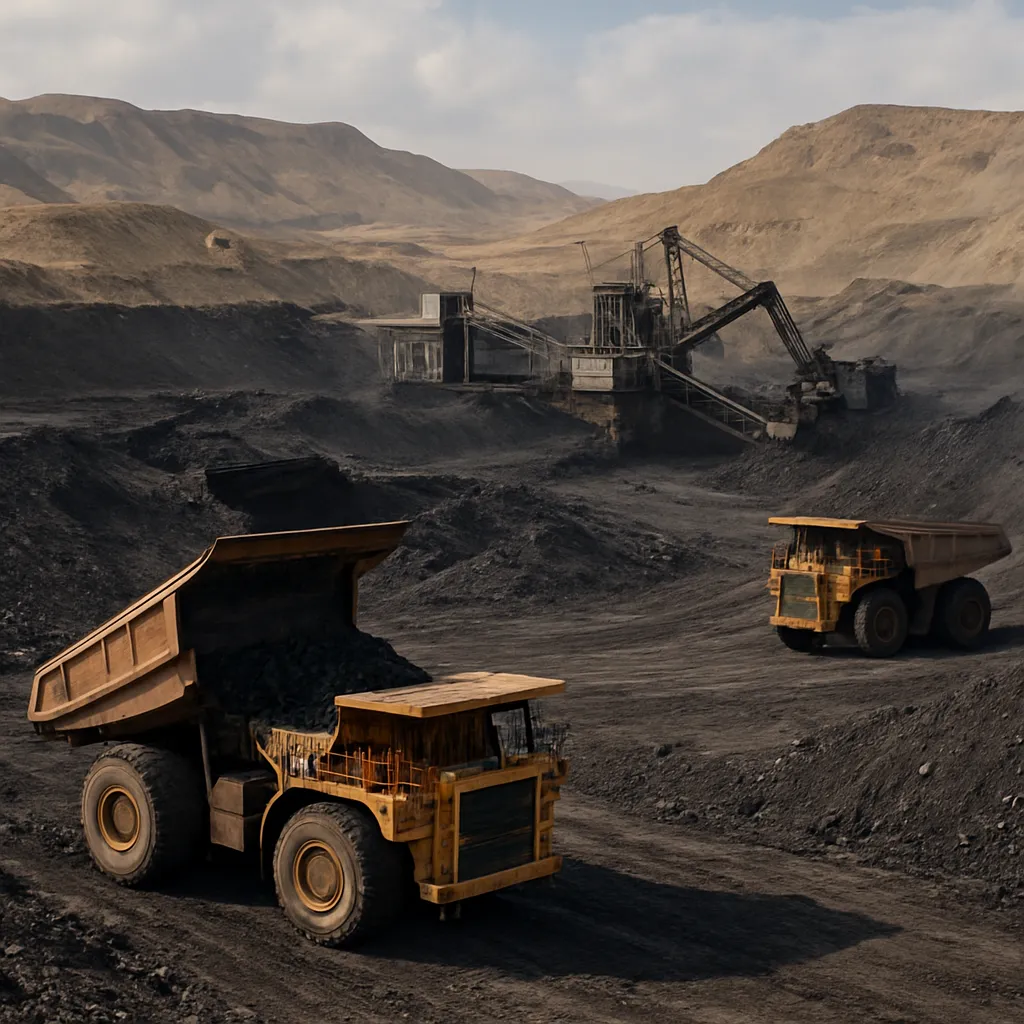
Kazimierz–Juliusz historically operated as a conventional underground coal mine employing longwall and room-and-pillar methods adapted to the seam geometry. Over its operational life, the mine incorporated mechanized face equipment, conveyor belt systems for material transport, and surface installations for processing and dispatch. Typical productivity at face level depended heavily on seam thickness, methane hazard, geotechnical conditions and the degree of mechanization.
Type of Coal and Uses
The coal extracted from Kazimierz–Juliusz is best described as bituminous, with parts of the deposit containing coal suitable for coking (metallurgical) purposes and other parts more suited for steam and domestic heating. Modern classification divides such coals into grades used by power plants, coke ovens, and local industry. Quality indicators include calorific value, volatile matter, ash content and sulfur content; in the Upper Silesian deposits these parameters vary but often produce economically valuable coal for multiple end-uses.
Mining Methods and Technology
- Underground mining: Longwall mining with powered supports and shearers has been the dominant extraction method where seam conditions allowed.
- Ventilation and safety: Ventilation networks mitigated methane and dust risks. Gas monitoring and local safety protocols have been crucial because methane can be present in Carboniferous coal seams.
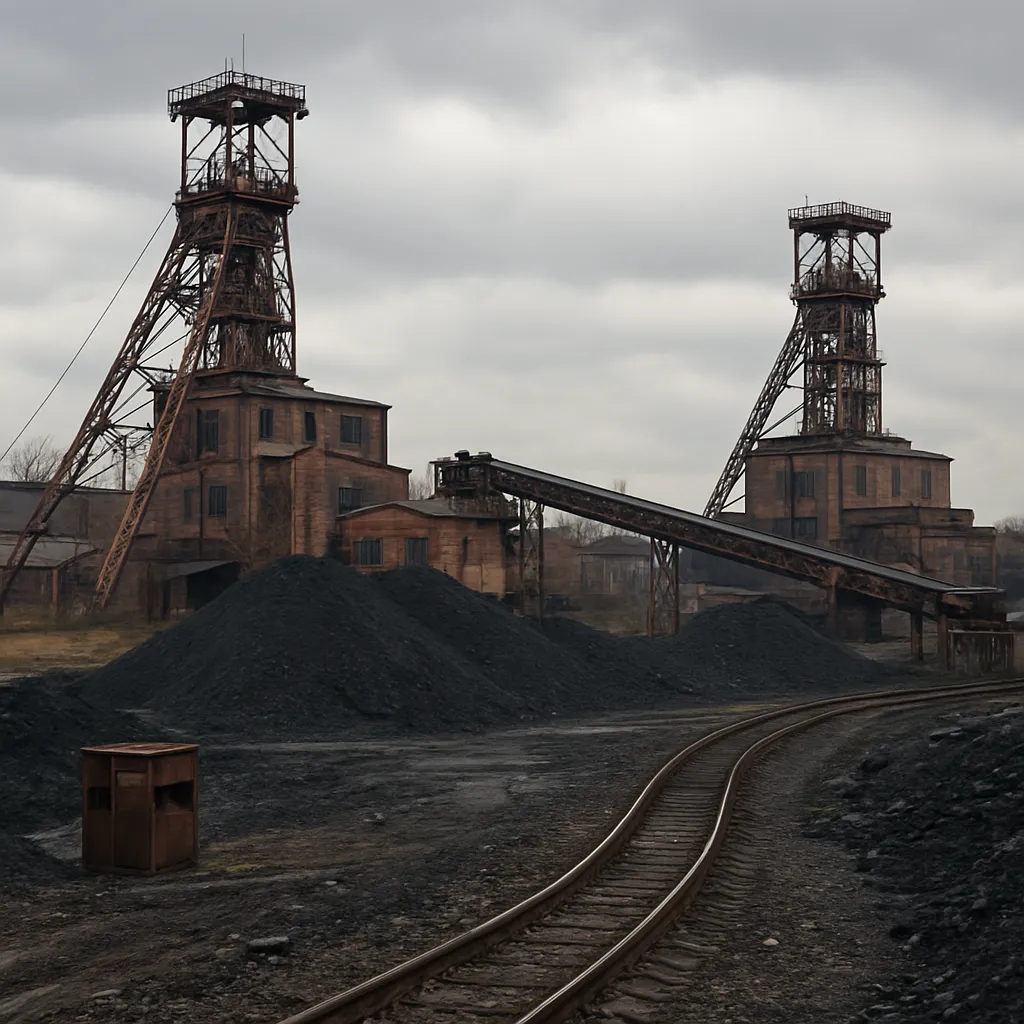
- Surface infrastructure: Colliery shafts, hoists, workshops, coal preparation plants and rail spurs for regional distribution.
Economic and Social Importance
The presence of Kazimierz–Juliusz contributed significantly to the local and regional economy for decades. Mines in the Zagłębie Dąbrowskie area were engines of employment, urban development and ancillary industries (metallurgy, heavy engineering, transport and services). The mine’s operations supported both direct employment in mining and indirect jobs in local supply chains, making it a focal point for community identity and labor traditions.
Employment and Regional Economy
Historically, a single medium-to-large coal mine in the region would employ from several hundred to a few thousand workers when fully active, including miners, engineers, administrative staff and maintenance crews. Employment levels fluctuated with production cycles, commodity prices and policy changes. The multiplier effect of mining meant that for every mine job there were additional roles in logistics, machinery repair, and local commerce.
Role in Energy and Industry
Coal from Kazimierz–Juliusz fed a mix of consumers: local power plants, industrial furnaces, and coking ovens supplying the steel sector. During the peak decades of Polish heavy industry (mid-20th century), such collieries were essential for national energy security and metallurgical raw material supply. Their logistical connections to rail and road networks enabled distribution across Silesia and beyond.
Historical Development and Current Status
Like many Polish mines, Kazimierz–Juliusz has undergone phases: initial development, expansion during industrialization, modernization waves, and later restructuring driven by economic transition and environmental regulations. State ownership and consolidation characterized the mid-20th century, with subsequent shifts as Poland transitioned to a market economy and as the national coal sector faced competitive pressures and climate policy constraints.
Key Historical Phases
- Establishment and growth: Development of shafts and infrastructure to access productive seams; growth synchronized with regional industrial demand.
- Modernization: Introduction of mechanized face equipment and improved safety systems to increase productivity.
- Restructuring and decline: Economic reforms, lower-cost energy alternatives and environmental policies led to partial closures, workforce reductions and asset rationalization in many Polish mines.
The specific current status of Kazimierz–Juliusz (active, reduced, mothballed or closed and undergoing reclamation) may vary depending on recent company decisions and government policy. In recent decades there has been a trend across Poland toward consolidation of mines, closure of less economic coal faces, and gradual transition of some sites to other uses or to post-mining reclamation and heritage projects.
Environmental Challenges and Reclamation
Coal mining is associated with a range of environmental impacts. Kazimierz–Juliusz, like other collieries, faced issues such as land subsidence, water table changes, spoil heaps, minewater discharge, particulate emissions and legacy contamination. Modern environmental management focuses on mitigation, monitoring and remediation strategies to reduce impacts on local ecosystems and communities.
Typical Environmental Issues
- Subsidence: Underground voids can cause ground movement, affecting buildings and infrastructure.
- Minewater: Pumping and treatment of acidic or mineral-rich minewater to prevent pollution of surface waters.
- Spoil heaps and reclamation: Reprofiling, soil cover and vegetation to stabilize former waste dumps and improve landscape quality.
- Air quality: Dust control during handling and transport of coal and during demolition of surface facilities.
Post-Mining Land Use
Where mines are closed or scaled down, reclamation programs aim to repurpose land for industrial parks, commercial developments, recreational areas, wetlands or nature reserves. In Silesia and Zagłębie, several former mining sites have been transformed into cultural centers, museums or green spaces that preserve industrial heritage while delivering social and environmental value.
Statistical and Technical Data (Context and Caveats)
Precise, up-to-date statistics for production volumes, proven reserves and employment at Kazimierz–Juliusz can be scattered across historical company reports, national statistical databases (such as the Polish Central Statistical Office), industry yearbooks and regional archives. The following information provides context and typical ranges rather than exact current figures; users requiring exact data for a given year should consult official mining company disclosures, government energy statistics or archival records.
- Production range: Historically, collieries of this class in the Upper Silesian basin might have produced from several hundred thousand to over a million tonnes of coal annually depending on size and the period of operation.
- Reserves: Proven and probable reserves depend on detailed geological surveys and can range widely; many older mines exhausted near-surface seams and then relied on deeper, more costly extraction over time.
- Employment: Workforce numbers historically ranged from several hundred up to several thousand employees, depending on the mine’s capacity and the technological stage.
- Safety and production indicators: Productivity per miner, accident rates and mechanization indexes evolved significantly from the mid-20th century to the present, reflecting modernization and regulatory improvements.
Because production and workforce figures are time-sensitive and affected by policy (subsidies, closures) and market conditions (coal prices, demand), any historical numbers should be interpreted in their economic and regulatory context.
Significance in Industry and Regional Development
Kazimierz–Juliusz exemplifies the classic coal mine role in Central European industrialization: a node that supported heavy industry, urban growth and regional integration. The mine’s contribution extended beyond raw material output to technology diffusion (mechanized mining and safety systems), vocational skills formation and community networks centered on mining culture and trade unions.
Industrial Linkages
- Steel and metallurgy: Part of the extracted coal could be directed to coking processes supporting steelworks in Silesia and surrounding regions.
- Power generation: Steam-grade coal helped fuel thermal power stations vital for domestic electricity supply.
- Machine building and services: Local engineering firms supplied and maintained mining equipment, generating a cluster of technical expertise.
Interesting and Lesser-Known Facts
- Industrial heritage: Many Polish collieries have retained elements of industrial architecture (headframes, brick workshops, miners’ housing) that are now part of heritage trails or museums. Kazimierz–Juliusz’s structures, where preserved, contribute to regional identity.
- Methane management: Coal mines in the Upper Silesia area are often sources of methane; modern practices include capturing mine methane for energy or combustion to reduce greenhouse gas emissions and improve mine safety.
- Local culture: Mining communities developed distinctive social institutions—miners’ clubs, patron saints, folklore and annual commemorations—which remain part of local cultural life even after mine closure.
- Transition experiments: Former mine sites have been used as trial locations for renewable energy projects (solar parks on reclaimed spoil heaps) and for conservation projects creating new urban green spaces.
Future Prospects and Policy Context
The future of sites like Kazimierz–Juliusz depends on several interacting factors: national energy policy, EU climate commitments, market demand for coal, availability of funds for reclamation and economic diversification, and local political decisions. In Poland, the coal sector has been subject to debates over the pace and scale of decarbonization, just transition for mining communities, and leveraging EU structural funds to support new industries in former coal regions.
Potential future trajectories include:
- Continued extraction: If remaining reserves are economically recoverable and supported by market conditions, limited operations could persist for years under modernized regimes.
- Phased closure and reclamation: Many collieries follow a planned closure path with progressive reclamation and land reuse planning.
- Adaptive reuse: Redevelopment for industrial parks, logistics hubs, cultural venues or green areas, depending on regional needs and investment.
Sources of Reliable Data and Further Research
For readers seeking exact production figures, employment statistics, reserve estimates or legal and environmental documents related to Kazimierz–Juliusz, recommended primary sources include:
- Official annual reports and disclosures from the mining operator (if available).
- Polish Central Statistical Office (Główny Urząd Statystyczny) energy and mining statistics.
- Regional archives and municipal planning documents from Sosnowiec and Silesian Voivodeship offices.
- Academic publications and geological surveys focusing on the Upper Silesian Coal Basin.
Consulting these sources will provide authoritative numerical data and chronological details for specific years or periods of interest.
Summary
The Kazimierz–Juliusz mine is a representative element of Poland’s coal-mining heritage in the Upper Silesian Coal Basin. It produced primarily bituminous coal used across industrial and energy sectors and shaped the socio-economic fabric of its locality in Sosnowiec and surrounding communities. Over time, the mine experienced modernization, economic fluctuations and environmental challenges common to the coal sector. The future of this and similar mines depends on broader policy decisions about energy transition, regional development strategies and the capacity to repurpose former mining assets for sustainable uses. Key themes for further exploration include the mine’s exact production and employment statistics, the technical profile of its seams, and the outcomes of any reclamation or adaptive reuse projects that have been undertaken at the site.