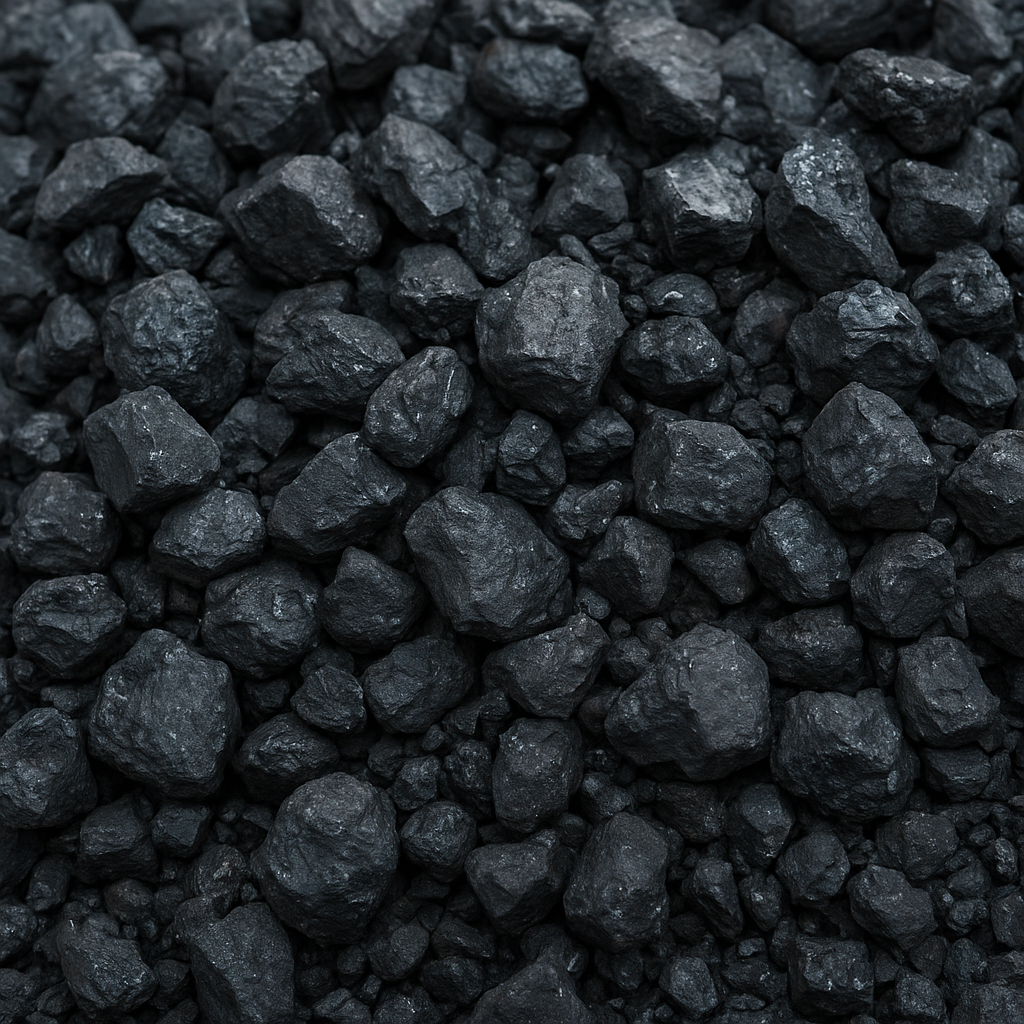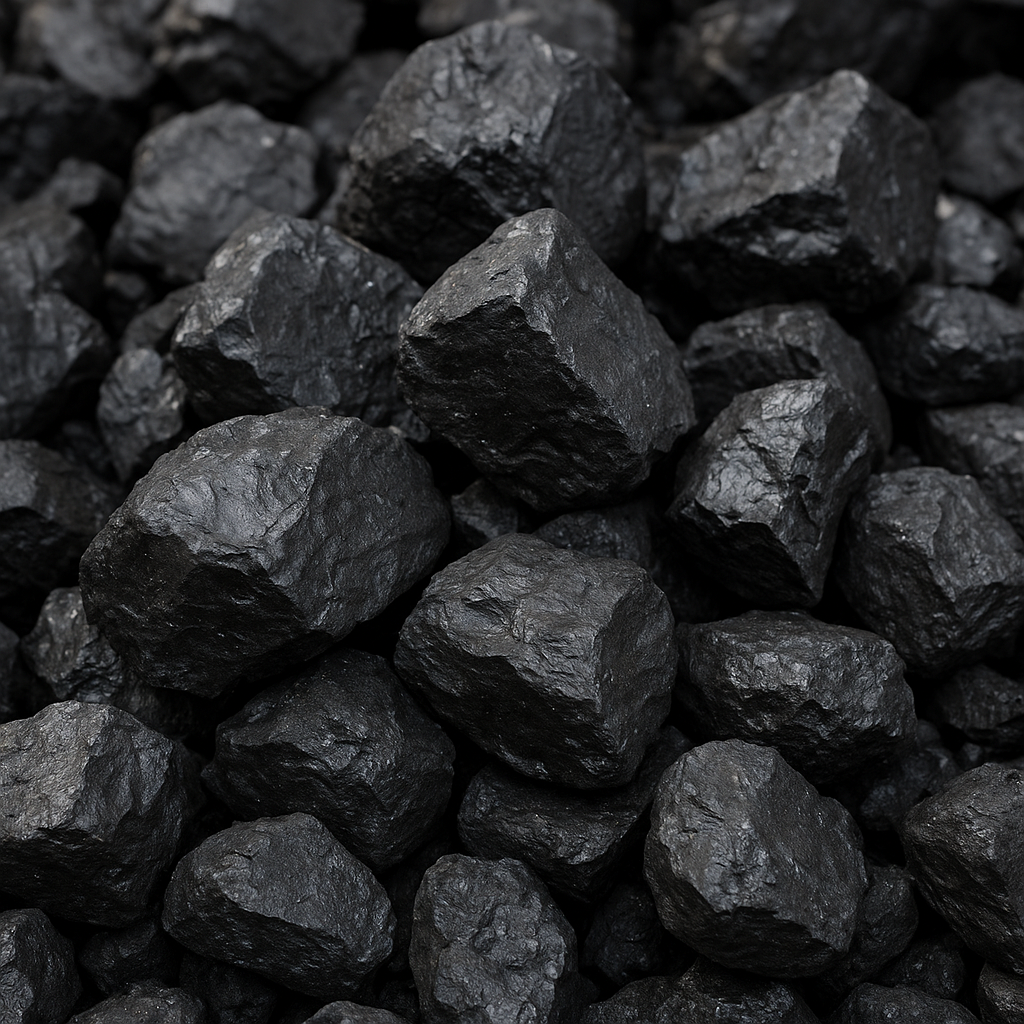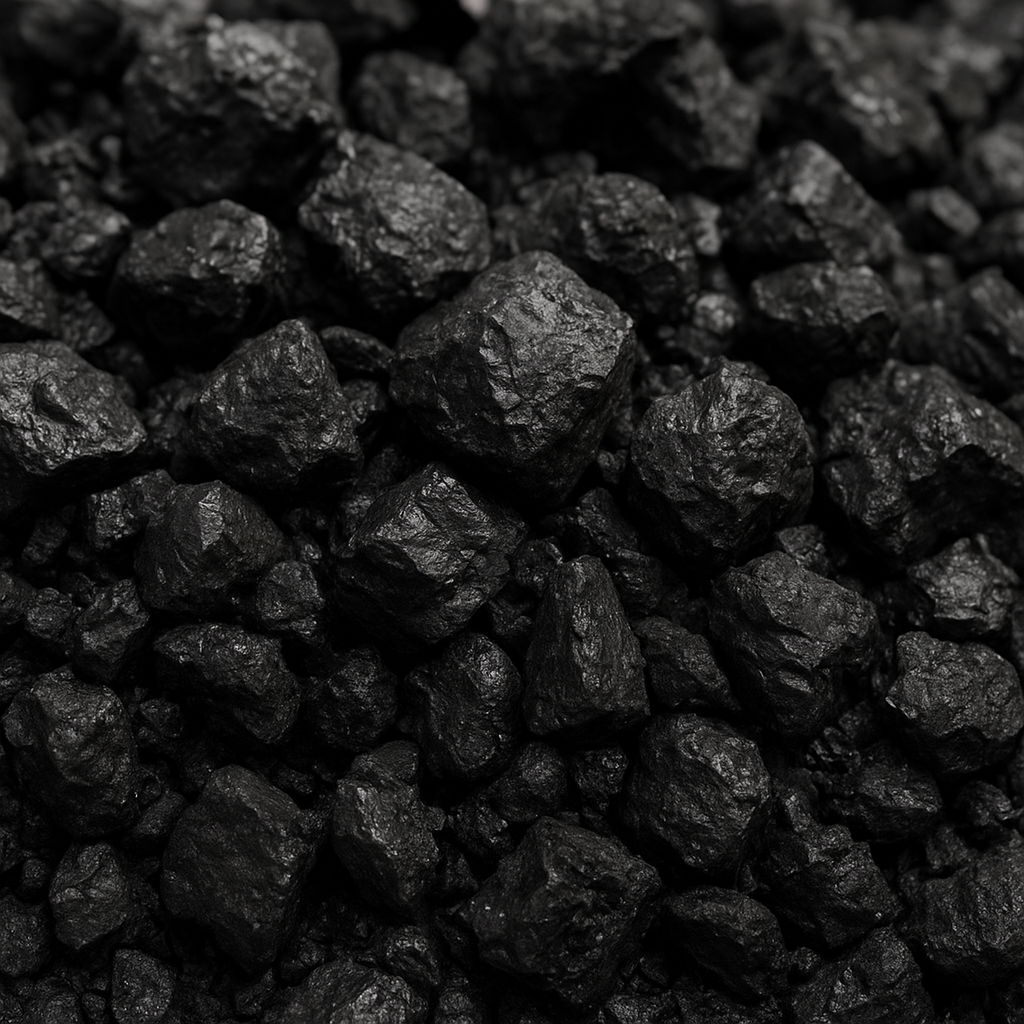
Hydrothermal carbonized coal (often referred to as hydrochar when produced from biomass, or as hydrothermally upgraded coal when applied to low-rank coals) is a product of a wet, moderate-temperature thermochemical process called hydrothermal carbonization (HTC). The process converts wet feedstocks — including lignite, peat, coal fines, and various forms of biomass — into a solid, carbon-rich material with improved fuel and material properties. This article reviews the process, where feedstocks are found and processed, economic and industrial implications, environmental considerations, technical challenges, and prospects for commercialization and research. It synthesizes commonly reported performance ranges and industry-relevant observations to give a comprehensive picture of the role this material can play in energy, materials, and circular-economy systems.
Hydrothermal carbonization: Process, chemistry and product characteristics
Hydrothermal carbonization is a wet thermochemical conversion process that operates typically at temperatures between 180°C and 260°C and under saturated pressures (autogenous pressures generated by water vapor and reaction gases). In HTC, water acts both as a reaction medium and as a reactant, promoting hydrolysis, dehydration, decarboxylation and condensation reactions. Over residence times ranging from minutes to several hours, the process removes oxygen and hydrogen (largely in the form of water, CO2 and small organics) from the feedstock and concentrates carbon into a porous, coal-like solid called hydrochar or hydrothermal carbonized coal.
Key chemical and physical changes observed during HTC of low-rank coals and biomass include:
- Increase in fixed carbon content and decrease in oxygen-to-carbon (O/C) and hydrogen-to-carbon (H/C) ratios, leading to improved chemical energy content.
- Reduction in inherent moisture — particularly important for lignite and peat, which contain high free and bound water fractions.
- Increase in calorific value (higher heating value, HHV) per unit mass of dry product, and often a better grindability and mechanical stability compared with untreated low-rank coal.
- Formation of a porous structure that can be attractive for materials uses (adsorbents, soil amendments, precursor to activated carbon).
- Generation of an aqueous phase (process water) containing organic acids, phenolics and other dissolved organics, and a small gaseous fraction (CO2, traces of CH4, H2).
Typical performance ranges reported in literature and pilot studies (values depend strongly on feedstock and operating conditions):
- Mass yield of hydrochar: roughly 40–80% (dry feed basis).
- Increase in HHV: commonly 10–60%, e.g., lignite with HHV ≈ 10–18 MJ/kg upgraded to ≈ 15–28 MJ/kg depending on severity.
- Carbon content increase: absolute carbon fraction can rise by 5–20 percentage points.
- O/C and H/C atomic ratios drop substantially, indicating an approach toward more coal-like composition.
Occurrence, feedstock sources and production locations
Hydrothermal carbonized coal is not a naturally occurring geological material; it is a manufactured product created by processing existing organic materials. The most relevant natural feedstocks for hydrothermal upgrading of coal are lignite and other low-rank coals, peat, and coal wastes (fines, tailings). Biomass and organic wastes (agricultural residues, sewage sludge, food waste) are also commonly converted to hydrochar.
Regions where HTC-based coal upgrading or hydrochar production is most attractive tend to have three features: abundant wet or low-rank coal resources, strong local biomass/waste streams, and policy or economic drivers to improve fuel quality or add value to waste. Examples include:
- Central and Eastern Europe (Germany, Poland, Czech Republic): large lignite deposits and active research communities; potential for upgrading local lignite to reduce transport and drying costs.
- China: large volumes of low-rank coals and major R&D investments in coal conversion technologies.
- Australia: research interest in upgrading sub-bituminous coals and valorizing mine waste to improve exportability and reduce moisture-driven transport costs.
- United States, Russia, India, Indonesia: sizable low-rank coal resources where HTC could be deployed in mines or near power plants.
Because hydrochar production is a manufacturing activity rather than mining, production sites are typically either adjacent to feedstock sources (mines, biomass collection points, wastewater treatment plants) or co-located with end-users (power plants, cement kilns, industrial users) to minimize transport of high-moisture materials.
Economic and industrial significance
The economic rationale for hydrothermal carbonization of coal or biomass hinges on several potential benefits:
- Fuel quality upgrading: by increasing energy density and lowering moisture, hydrochar can reduce transport cost per unit energy and improve combustion efficiency in existing boilers.
- Handling and storage: hydrochar is often mechanically more stable and less prone to spontaneous ignition than raw wet biomass or freshly mined lignite.
- Value creation: hydrochar can serve as feedstock for activated carbon, adsorbents, carbon supports, or soil amendments, opening market pathways beyond combustion.
- Waste valorization: converting sewage sludge, agricultural residues or coal fines into hydrochar creates products with market value and reduces disposal costs.
- Integration with circular economy: HTC allows recovery of carbon from wet wastes, while the process water can be treated and potentially recycled or used for extraction of value-added chemicals.
Economic considerations and cost drivers:
- Capital costs: HTC reactors and pressure-rated equipment have higher upfront costs compared with passive drying technologies; continuous systems are under development to reduce CAPEX per unit throughput.
- Operating costs: energy required to heat water and maintain pressure, plus costs for handling process water and any required catalysts or additives.
- Feedstock logistics: HTC is especially competitive when feedstocks are wet and expensive to dry (e.g., lignite, sewage sludge), because HTC avoids the need for energy-intensive drying prior to conversion.
- Market prices: the commercial viability depends on local prices for coal, biomass, waste disposal fees, and potential sale prices for hydrochar-derived products.
From an industrial perspective, hydrothermal carbonized coal can serve in several markets:
- Power generation: co-firing or partial substitution in boilers, improving efficiency compared with raw lignite.
- Cement and industrial fuels: stable, energy-dense feedstock for kilns and industrial furnaces.
- Material markets: precursor to activated carbons for water treatment and air purification, soil conditioners, or composite fillers.
- Environmental remediation: hydrochar’s porous, sorptive properties are being explored for pollutant adsorption (heavy metals, organics).
Statistical context and scale
Because hydrothermal carbonized coal (hydrochar) remains an emerging manufactured product, comprehensive global production statistics are not yet standardized. However, to place hydrochar potential in context:
- Global coal production (all ranks) has been on the order of 7–8 billion tonnes per year in recent years. Only a fraction of this is low-rank coal (lignite and sub-bituminous) that is the primary target for hydrothermal upgrading.
- Low-rank coal and lignite represent a significant, but minority, share of total coal production; these resources are concentrated in particular countries (Germany, Poland, Russia, USA, China, Australia, Indonesia).
- Hydrochar production from biomass and wastes is currently measured in pilot and small commercial facilities (thousands to tens of thousands of tonnes annually), with scaling efforts underway in several regions.
Key performance statistics often reported in experimental and pilot work (summarized ranges):
- Hydrochar mass yield: 40–80% (dry feed basis).
- Higher heating value increase: 10–60% depending on feedstock and severity.
- Process water chemical oxygen demand (COD): can be high and requires treatment — COD values often in the tens of g/L range for concentrated streams.
- Residence time in batch HTC systems: 0.5–8 hours; continuous systems aim for shorter residence times at larger throughput.
Environmental and regulatory considerations
HTC offers environmental advantages relative to some alternatives but also introduces specific concerns:
- Advantages:
- Reduction of transportation energy and emissions when high-moisture feedstocks are upgraded near the source.
- Potential to reduce greenhouse gas intensity per unit of delivered energy because of higher energy density and lower moisture-related combustion inefficiencies.
- Valorization of wastes that otherwise would be landfilled or incinerated.
- Concerns:
- Process water management: HTC liquors contain dissolved organics and sometimes elevated nutrients or heavy metals; treatment and disposal are technically and economically significant.
- Air emissions: while hydrochar combustion may be cleaner per unit energy than raw lignite, total emissions depend on combustion controls and feedstock contaminants.
- Regulatory status: in many jurisdictions, hydrochar is a novel product and its classification (fuel, soil amendment, waste-derived product) influences permit requirements and market access.
Regulatory frameworks are evolving, and operators must navigate local environmental rules governing wastewater, air emissions, and the use of waste-derived materials in agriculture or remediation. Lifecycle assessments (LCAs) are often used to assess net climate and environmental benefits compared with alternatives (drying + combustion, direct landfill, anaerobic digestion, etc.).
Technical challenges, research directions and innovations
Several technical and commercial challenges must be addressed to broaden deployment of hydrothermal carbonized coal:
- Scale-up: continuous HTC reactors and robust materials of construction that can handle abrasive slurries, corrosive process waters and steady operation are key to lowering costs.
- Process water treatment and valorization: recovering organics, nutrients, or generating biogas from HTC liquor can improve economics but requires integrated systems.
- Catalytic and co-processing approaches: adding mild acids, bases, or catalysts, or co-processing biomass with coal fines, can tune product properties and yields.
- Standardization of product specification: markets for hydrochar need reliable specifications (HHV, ash content, particle size, contaminant limits) to be adopted by fuel buyers or material users.
- Integration with carbon management: exploring the stability of hydrochar carbon in soils (carbon sequestration) or combining HTC with carbon capture offers pathways for negative emissions or low-carbon fuels.
Research institutions and industrial R&D groups are active in these areas. Demonstration projects focus on continuous reactors, integration with wastewater treatment, co-gasification behavior of hydrochar, and activation routes for high-value adsorbents.
Case studies, pilots and industrial examples
While full-scale commercial hydrochar-from-coal facilities are still limited, several pilot projects and demonstration efforts illustrate the technology’s potential:
- Research centers and universities in Europe have demonstrated upgrading of lignite to higher-energy hydrochar for local use in power generation or processing into activated carbons.
- In China and Australia, pilot studies have been undertaken to evaluate hydrothermal upgrading of low-rank coals to improve export quality and reduce shipping costs for high-moisture products.
- Municipal and industrial scale pilots have converted sewage sludge and agricultural residues into hydrochar for use as soil amendments or as feedstock for activated carbon production, reducing sludge disposal costs.
These pilots typically operate at throughput scales of several tonnes per day and focus on technical data collection (mass and energy balances, water treatment requirements, product characterization) and economic analysis to support scale-up decisions.
Outlook and market potential
Hydrothermal carbonized coal and hydrochar occupy an intermediate space between traditional coal upgrading and modern waste valorization technologies. Key drivers that could accelerate adoption include:
- High local volumes of low-rank coal or wet wastes combined with nearby energy or industrial markets that value a stable, energy-dense solid fuel.
- Policy incentives or regulatory pressure to reduce emissions and improve resource circularity, pushing utilities and industries to seek alternative or upgraded fuels.
- Demand for high-performance sorbents and carbon materials derived from renewable or waste-derived feedstocks.
However, large-scale substitution of conventional coal by hydrothermal carbonized coal is limited by the significant scale of global coal consumption and the capital intensity of building HTC capacity. More plausible near-term growth areas are:
- Mine-site treatment of lignite to reduce moisture and improve transportability.
- Co-processing of coal wastes and biomass to create blended hydrochar products with tailored properties.
- Specialty markets for activated carbon precursors, soil amendments, and adsorbents where higher product value can justify HTC processing costs.
Concluding observations
Hydrothermal carbonized coal represents a flexible pathway to add value to wet or low-rank organic feedstocks. The process offers clear technical advantages for upgrading lignite and biomass in contexts where drying is costly or where upgraded solid carbon products can access higher-value markets. Key barriers remain in reactor scale-up, process water management, permitting and the economics of capital investment versus alternative uses of feedstocks. As research matures and pilot projects generate operational data, hydrochar could play an important role in niche energy and materials markets, contributing to decarbonization, waste valorization and circular-economy objectives. Continued innovation in continuous reactors, integration with wastewater and chemical recovery, and standardization of product specifications will be decisive for broader industrial adoption.