The Hunter Valley Operations (HVO) complex is one of Australia’s prominent coal mining hubs, located in the Hunter Valley region of New South Wales. This article provides a comprehensive overview of HVO: where it is, what types of coal are produced, how the operations are run, the economic and statistical footprint they generate, and the environmental and social issues connected to large-scale coal mining in the area. The discussion draws on industry patterns and publicly available information to present a rounded view of the mine complex and its role within the broader Australian and global coal markets.
Location, geology and historical context
The Hunter Valley is a major coal-bearing region within the Sydney Basin of New South Wales. Hunter Valley Operations are situated around the towns of Muswellbrook and Singleton, extending across multiple tenements within the region. The coal seams mined in the Hunter belong to the Permian-aged Hunter Coal Measures, a geologic sequence well-known for hosting both thermal and coking coal deposits.
Mining in the Hunter Valley has a long history, dating back to the 19th century. Over time, the region developed into one of the world’s most prolific coal basins. The HVO complex itself represents a consolidation of modern mining assets using large-scale open-cut techniques, coal processing facilities and dedicated rail connections to export terminals.
Types of coal and coal quality
Hunter Valley Operations primarily produce thermal coal (steam coal) used for electricity generation, with some product streams suitable for blending or limited metallurgical applications depending on the seam and processing. Coal quality in the Hunter Valley varies by seam and mine, but typical characteristics include:
- Calorific value ranging approximately from 4,500 to 6,500 kcal/kg (roughly 18.8–27 MJ/kg) for saleable thermal products, depending on seam and wash plant processing.
- Variability in moisture, ash and sulfur content; heavy processing through coal handling and preparation plants (CHPPs) is used to reduce ash and improve product specifications for export customers.
- Some coals from the region may be classed as low- to medium-volatile bituminous or high-volatile black coals depending on geological conditions; such variation influences market destinations (power stations vs. export power markets).
The final suite of products from HVO is typically tailored to customer specifications across Asia and domestic markets through blending and grading operations.
Operational layout and mining methods
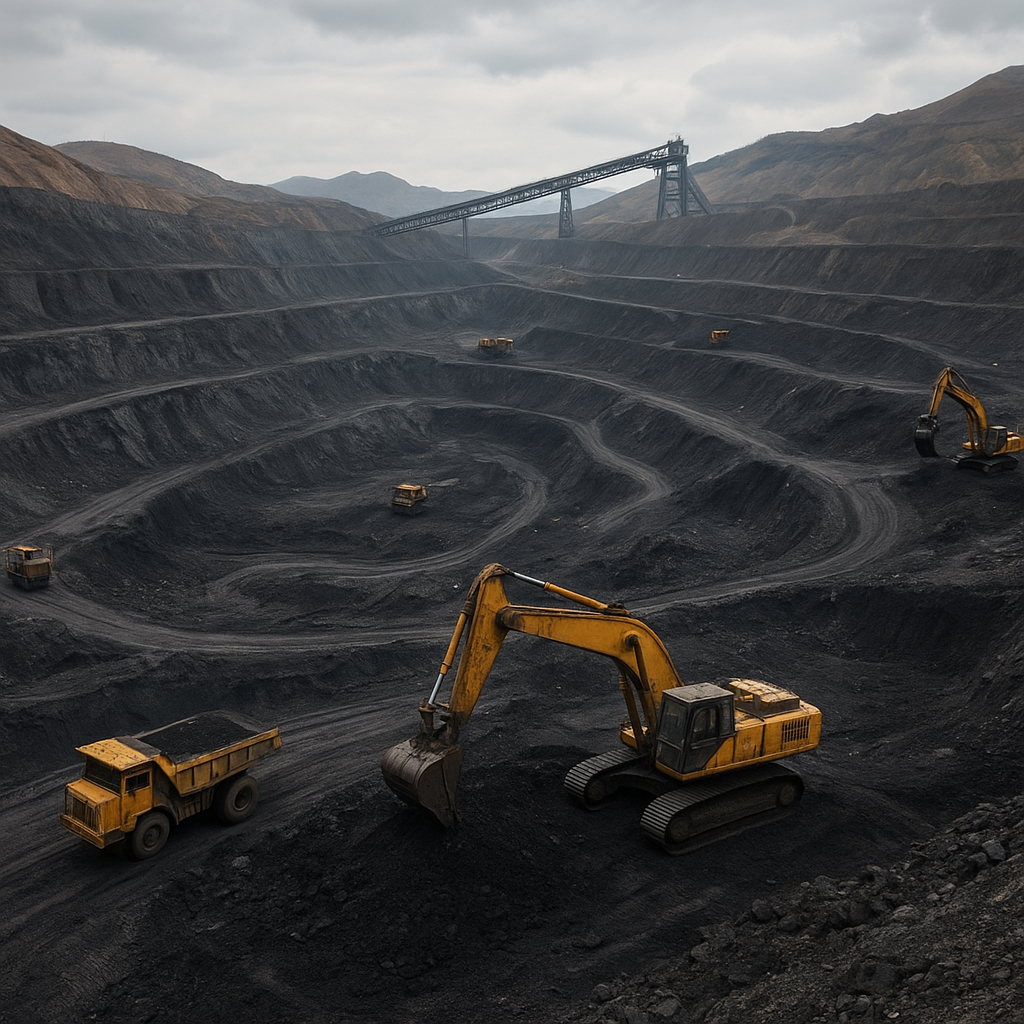
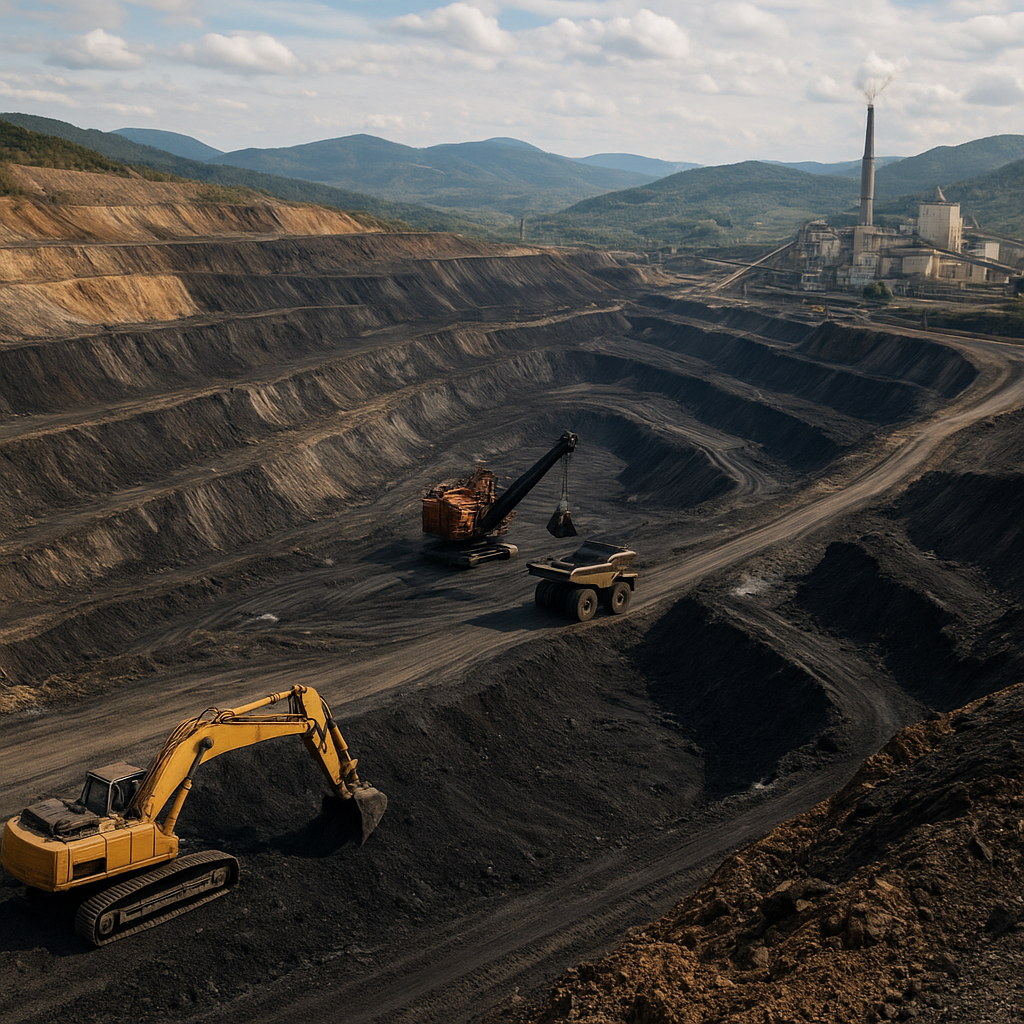
The HVO complex uses conventional large-scale open-cut mining methods: drilling, blasting, loading with hydraulic excavators, and haulage using heavy duty haul trucks. Key operational components include:
- Overburden removal and progressive restoration benches.
- Coal extraction benches feeding into CHPPs for washing, dewatering and sizing prior to stockpiling.
- On-site rail load-out facilities and conveyor systems linking coal stockpiles to rail sidings.
- Extensive use of heavy mobile machinery, advanced fleet management systems and, increasingly, telematics for fuel and maintenance optimization.
HVO’s operation is integrated with regional rail infrastructure, enabling efficient transport of bulk coal to export terminals. The Port of Newcastle serves as the principal export gateway for much of the Hunter Valley coal, although other regional loading facilities and domestic supply chains exist.
Ownership and corporate context
Hunter Valley Operations are operated by one of Australia’s large coal companies and form part of a broader portfolio of coal assets in the Hunter region. The operator is a major global commodity company active in coal mining and trading, logistics and coal marketing. The company’s corporate structure typically includes local management teams, centralized technical support and integrated health, safety and environmental systems. HVO must comply with state and federal regulatory frameworks governing mining approvals, environmental management, and workplace safety.
Economic significance and production statistics
HVO is a significant economic actor at local, state and national levels. Its contributions span direct employment, contracting opportunities, royalties and taxes, and export earnings. Key economic roles include:
- Employment: The operation directly employs several hundred to over a thousand workers (including mining, technical, environmental and administrative roles), with many more supplied by contractors and service providers in haulage, maintenance, catering and rehabilitation.
- Regional economy: Spending on local goods and services supports small and medium enterprises across the Hunter Valley, from equipment suppliers to hospitality and housing sectors.
- Royalties and taxes: Significant royalty payments to the New South Wales government and corporate taxes contribute to public finances and community programs.
- Exports: Coal mined at HVO is predominantly destined for export markets, contributing to Australia’s position as one of the world’s leading coal exporters.
Production volumes at HVO have varied over time with market conditions, operational changes and regulatory approvals. Industry reporting and company disclosures in recent years typically place large Hunter Valley complexes in the mid-to-high millions of tonnes per annum range of run-of-mine (ROM) production and multiple millions of tonnes of saleable product after processing. Seasonal, market and regulatory factors can influence annual tonnages.
Representative statistics and market context
- Australia is one of the world’s top coal exporters; the Hunter Valley region is a core contributor to that status.
- The Port of Newcastle, which handles much Hunter coal, has historically loaded more than 150 million tonnes of coal in peak years, illustrating the scale of exports from the region.
- Average coal prices and demand from Asia (notably Japan, South Korea, Taiwan, India and increasingly Southeast Asian nations) drive revenue and production planning for operations like HVO.
Because commodity prices are volatile, year-to-year revenue and profit from coal sales can fluctuate significantly. HVO’s profitability and future investment decisions reflect coal market fundamentals such as global demand for thermal coal, freight costs, and pricing for different specification grades.
Logistics, infrastructure and export chains
Efficient logistics underpins HVO’s competitiveness. The value chain includes:
- On-site CHPPs that prepare coal to customer specifications, improving calorific value and reducing ash.
- Rail haulage on dedicated coal lines to the Port of Newcastle and other loading terminals. The Hunter Valley rail network is one of Australia’s busiest freight corridors for coal.
- Bulk ship loading at export terminals, where coal is blended, sampled and loaded into Capesize and Panamax vessels for international shipment.
The integration of mine, rail and port logistics reduces unit costs, shortens turnaround times and increases reliability for customers. Investment in rail capacity, maintenance and coordination with port schedules are critical to maintaining export performance.
Environmental management and rehabilitation
HVO operates within a strict regulatory framework requiring environmental impact assessments, monitoring programs and progressive rehabilitation. Key environmental management areas include:
- Land rehabilitation: Progressive rehabilitation of disturbed areas is a regulatory requirement. Mine operators prepare and implement rehabilitation plans that aim to restore landform stability, soil function and native vegetation where feasible.
- Water management: Surface and groundwater monitoring, controlled handling of mine water, and treatment systems are used to mitigate impacts on local aquifers and waterways.
- Air quality and dust control: Dust suppression systems, wheel-wash stations, covered conveyors and weather forecasting are used to reduce particulate emissions affecting nearby communities and ecosystems.
- Biodiversity offsets: Where mining impacts on habitat are unavoidable, operators often secure offset areas or fund conservation projects to compensate for biodiversity losses.
- Greenhouse gas emissions: Coal mining releases carbon dioxide and methane. Operators measure emissions and, in some cases, deploy methane capture technologies or invest in emissions reduction initiatives as part of broader corporate sustainability programs.
Despite these management measures, coal mining remains controversial due to its greenhouse gas footprint and the long-term nature of coal stockpiles and tailings. Community groups, environmental NGOs and policymakers continue to debate the balance between economic benefits and environmental limits.
Social license, community engagement and Indigenous heritage
Maintaining a social license to operate is a major focus for HVO and similar operations. Community engagement practices typically include:
- Consultation with local residents and councils on noise, dust and traffic management.
- Funding local community projects, scholarships and infrastructure improvements as part of community investment programs.
- Protocols for managing heritage, including Indigenous heritage sites. Mining companies engage with Traditional Owners and heritage specialists to identify and protect areas of cultural significance.
- Workforce development initiatives such as apprenticeships and local hiring preferences to maximize regional employment benefits.
Community relationships can be strained by visible impacts like dust, truck movements and changes in local landscapes. Transparent reporting, mitigation and investment in local priorities are critical to sustaining operations over multi-decade mine lives.
Regulatory environment and approvals
HVO operates under state and federal approvals that define the mine footprint, production limits, environmental commitments and monitoring obligations. Approvals are typically subject to periodic reviews, conditions for progressive rehabilitation, and strict reporting to regulators. Changes to approvals — such as extensions to mine life or expansions — often require additional environmental assessments, public consultation and sometimes legal challenges from community or environmental groups.
Challenges and controversies
Large coal operations like HVO face a number of persistent challenges:
- Market volatility: Fluctuating global demand for thermal coal and changing energy mixes in importing countries can reduce revenues and lead to workforce adjustments.
- Environmental scrutiny: Pressure to reduce greenhouse gas emissions and protect local ecosystems increases regulatory and reputational risks.
- Community opposition: Local concerns over air quality, water and landscape change can lead to public campaigns and legal actions affecting approvals and operations.
- Transition risk: As global energy systems shift towards lower-carbon sources, long-term demand for thermal coal may decline, posing strategic challenges for coal-dependent regions and companies.
Rehabilitation outcomes and post-mining land uses
Progressive rehabilitation aims to convert mined land to stable, productive post-mining uses. Typical rehabilitation outcomes pursued by operators include:
- Native woodland and open-forest restoration where feasible, using local provenance plant species.
- Agricultural rehabilitation for grazing or other rural land uses where soil and landscape conditions permit.
- Creation of wetlands and riparian corridors to enhance biodiversity and water management if aligned with landscape capability.
Success of rehabilitation is measured against regulatory criteria for soil stability, vegetation cover, and habitat function. Long-term monitoring is standard to ensure rehabilitation meets closure criteria over decades.
Role in the national and global energy system
While HVO’s coal is primarily used for power generation in export markets, the operation also plays a role in domestic energy security when coal is supplied to local power stations. The broader Australian coal sector has long been a major contributor to export revenues and regional employment; however, its future trajectory is influenced by global decarbonization policies, demand shifts in importing countries and the pace of energy transition.
Future outlook and strategic considerations
The future of Hunter Valley Operations will depend on several interacting factors:
- Global demand for thermal coal: Continued power sector coal demand in parts of Asia could sustain export volumes for a number of years, though markets are becoming more price- and emissions-sensitive.
- Operational efficiency and cost management: Maintaining low unit costs through productivity improvements and optimized logistics supports competitiveness.
- Regulatory approvals and community acceptance: Extensions to mine life or expansion projects require navigating complex regulatory and social environments.
- Diversification and energy transition strategies: Companies and regional economies may increasingly explore diversification pathways, including rehabilitation-led economic activity, renewable energy projects on rehabilitated land, or repurposing infrastructure for future industries.
Selected statistical snapshot (indicative)
The following figures are indicative and reflect the scale and context common to large Hunter Valley mining complexes:
- Annual saleable production: commonly in the multi-million tonnes range (typical large Hunter Valley complexes operate between roughly 8–20 million tonnes of ROM depending on the specific mine and year).
- Employment: directly several hundred to over a thousand employees and many more contractors at peak activity.
- Export throughput: a significant portion of HVO coal is exported through the Port of Newcastle, which historically has loaded more than 100–150 million tonnes of coal in high-volume years.
- Economic contribution: royalties, wages and local procurement generate substantial annual economic flows to the region and state.
Interesting facts and broader context
Some points of broader interest related to HVO and the Hunter Valley coal industry:
- The Hunter Valley hosts both industrial-scale mining and internationally known vineyards, creating a diverse regional land-use mosaic and sometimes competing community values.
- Technological improvements—such as digital fleet management, predictive maintenance and increased automation—have been progressively adopted in the Hunter to improve safety and productivity.
- Large mining operations frequently form partnerships with local educational institutions for training, apprenticeships and research into rehabilitation and emissions reduction.
- Coal quality and preparation allow export customers to blend Hunter Valley coals with other sources to meet specific power station requirements around the world.
Conclusion
Hunter Valley Operations comprise a strategically important coal complex within the broader Hunter Basin, linking geological resources to global energy markets through integrated mining, processing and logistics. The complex delivers substantial economic benefits to the region while facing significant environmental and social responsibilities. The operation’s future will be shaped by market dynamics, regulatory settings, community expectations and wider global energy transitions. Effective management of rehabilitation, emissions, and stakeholder relationships will be essential to navigate the next decades for HVO and the Hunter Valley coal industry.