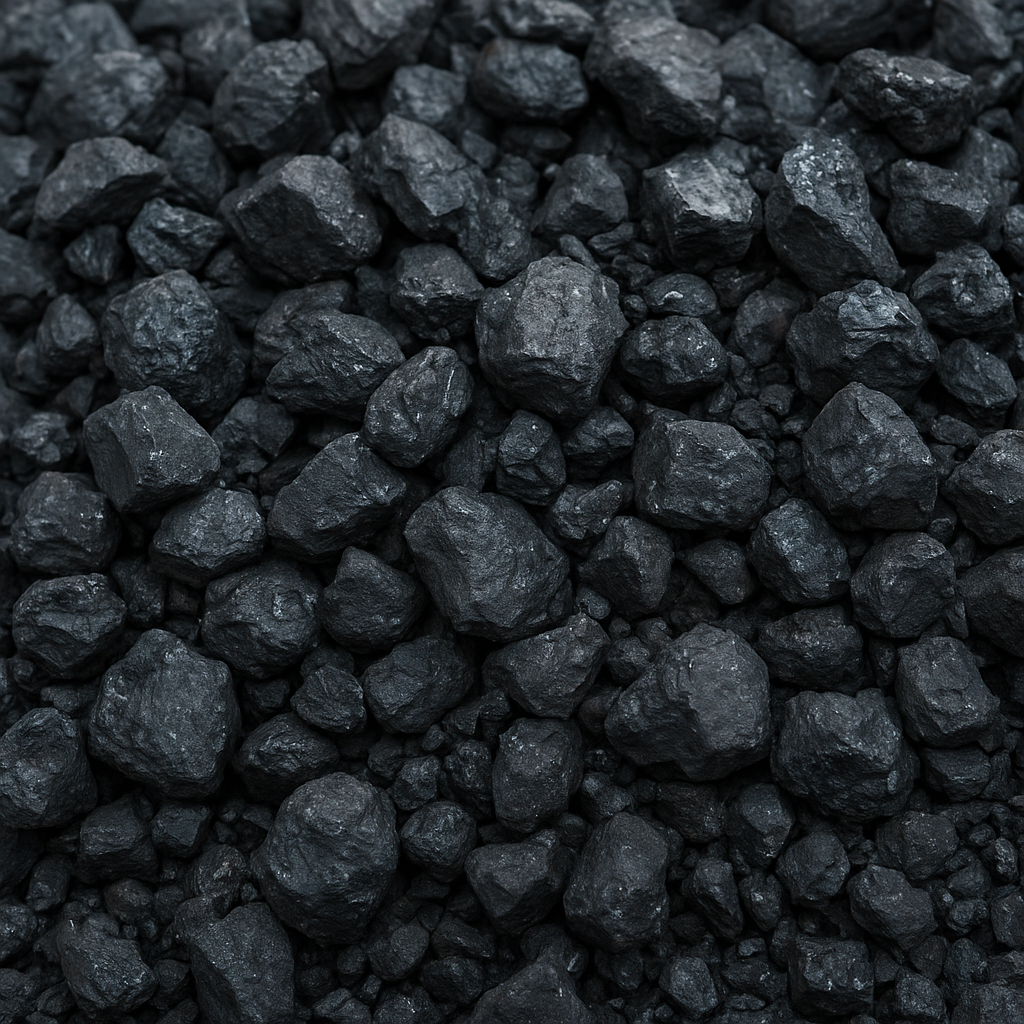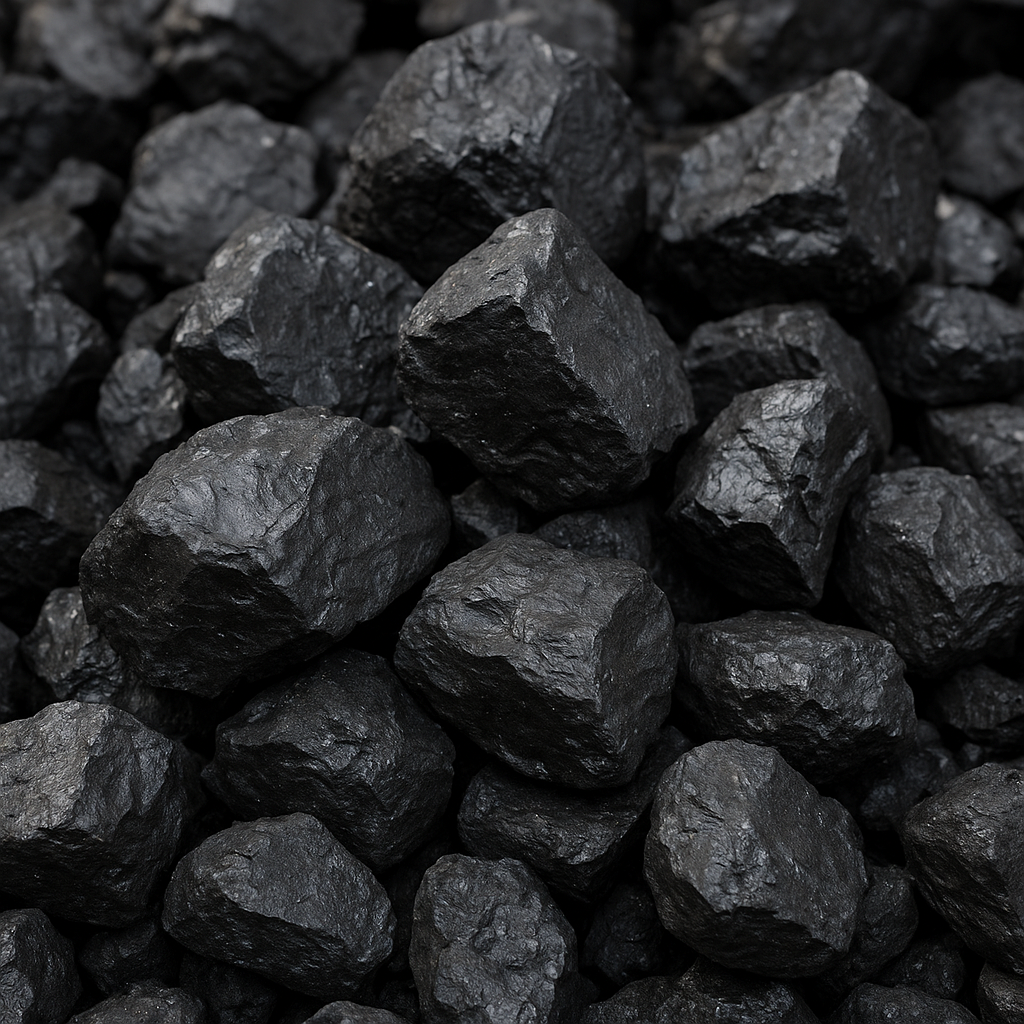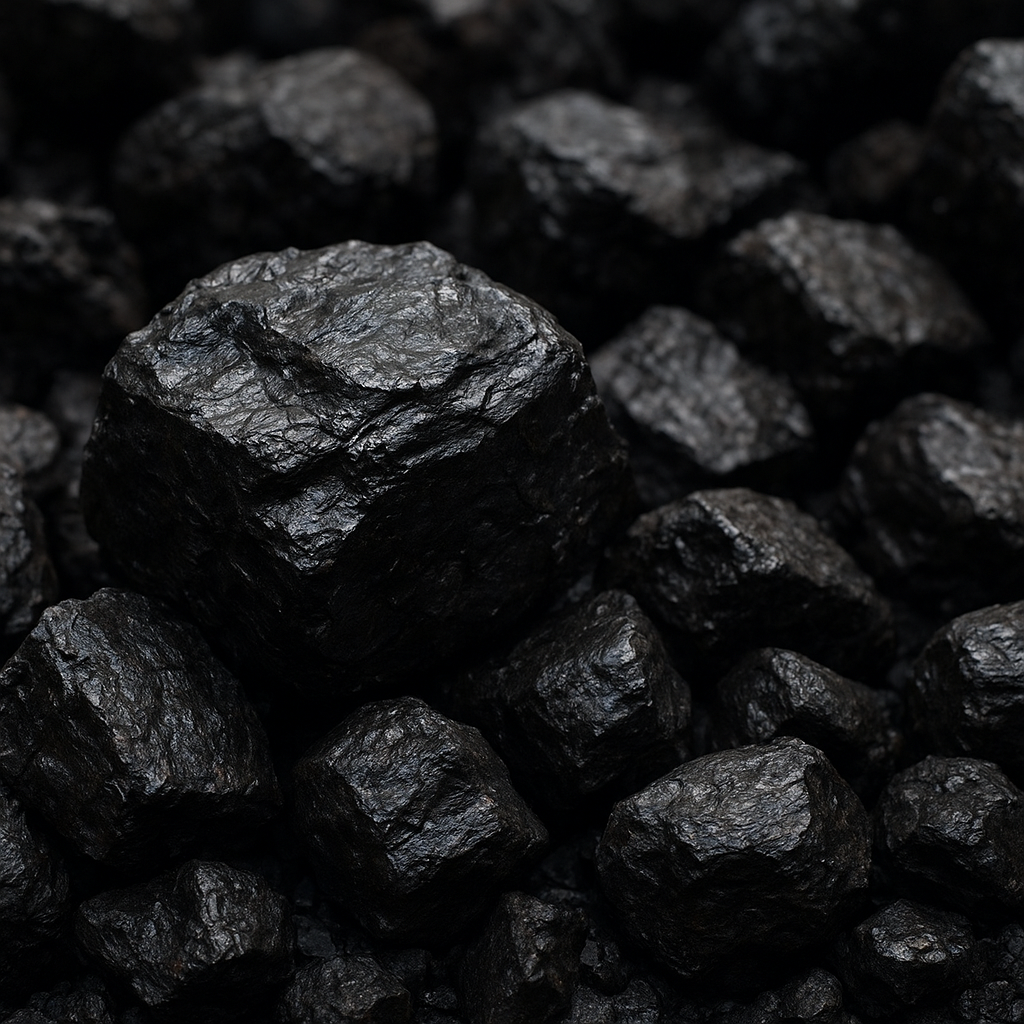
High-rank coal occupies a distinctive place among fossil fuels. Often associated with superior energy density, lower volatile content and a higher fixed carbon fraction, this class of coal plays specific technical and economic roles that differ from those of lower-rank coals such as lignite or sub-bituminous coal. This article examines the nature of high-rank coal, its geological occurrence and global distribution, extraction methods, economic and industrial importance, environmental implications and future perspectives. The text combines technical descriptions with practical and statistical context to give a broad picture of why high-rank coals remain relevant in some sectors despite global decarbonization trends.
What is high-rank coal? Composition and properties
High-rank coal is a category of coal defined by the degree of coalification — the geologic process that transforms plant material into progressively more carbon-rich and energy-dense material under heat and pressure. The principal types considered “high-rank” are low-volatile and medium-volatile bituminous coals and anthracite. Compared with lower ranks (lignite, sub-bituminous), high-rank coals feature higher fixed carbon content, lower moisture and reduced volatile matter. These differences translate into higher calorific values per unit mass and different combustion and processing behavior.
Typical properties and ranges for high-rank coals:
- Fixed carbon: often above 70% for bituminous and commonly 80–95% for anthracite.
- Volatile matter: low-volatile bituminous coals may have <10–15% volatile matter; anthracite frequently has <10%.
- Moisture: relatively low compared with lower-rank coals, frequently under 10% (air-dried basis).
- Gross calorific value: ranges roughly from 24–33 MJ/kg (depending on rank and composition). Anthracite often lies at the upper end of that range.
These physical and chemical attributes mean that high-rank coals burn with a shorter flame, produce less smoke and volatile emissions per unit mass and leave a relatively inert, hard ash/residue.
Geological occurrence and global distribution
High-rank coal deposits are concentrated in specific geological basins that experienced deeper burial or stronger tectonic heating during coalification. Important host environments include folded mountain belts and ancient foreland basins where active tectonics provided the pressure and heat required to drive coalification to a higher rank.
Major regions and countries with notable high-rank coal resources:
- China — China is the world’s largest coal producer overall and also produces substantial quantities of high-rank coals from multiple basins. Certain northeastern and northern basins contain anthracitic beds used domestically and, to some extent, for export.
- Russia — The Russian Federation has extensive coal resources across many basins, including higher-rank coals in some areas of Siberia and the Far East, as well as deposits associated with older folded belts.
- Ukraine and the Donbas region — historically important anthracite and high-grade coal fields used for local heavy industry and metallurgical processes.
- United States — The Appalachian anthracite fields (Pennsylvania) are a classical source of anthracite, though production is modest relative to the country’s overall coal output.
- Vietnam — the Quang Ninh basin is known for anthracite deposits that have been mined for decades and used for domestic heating, metallurgy and some exports.
- North Korea — substantial anthracite resources are reported and remain an important local energy source.
- South Africa and parts of Australia — while Australia is best known for metallurgical (coking) and thermal bituminous coals, there are localized occurrences of higher-rank coals in both countries.
Anthracite-type deposits are relatively rare in the global inventory of coal resources; most global reserves are composed of bituminous and lower-rank coals. As a result, anthracite and the highest-grade bituminous coals are typically a small fraction of total global production but command attention for specialized uses.
Mining methods and processing
High-rank coal is recovered by the full range of coal mining techniques. Choice of method depends on seam depth, thickness, geology and local economic/environmental conditions.
Underground mining
Anthracite and deep-seated high-rank seams are often recovered by underground methods such as room-and-pillar or longwall mining. Longwall systems are used where seams are laterally extensive and relatively uniform; they provide high recovery rates and productivity but require significant capital investment. Historical anthracite mining in the northeastern United States used room-and-pillar and drift access into complex folded seams.
Open-pit (surface) mining
Where high-rank seams outcrop or lie at shallow depth, open-pit methods are economical. Surface mining can be used for some high-grade bituminous coal deposits, particularly where overburden is thin and mechanized removal is efficient. Surface mining typically yields higher short-term output but has more visible landscape impacts.
Processing and upgrading
High-rank coal is often beneficiated to improve quality for specific markets. Processing steps can include crushing, screening, gravity separation and flotation to reduce ash and sulfur levels and to produce graded products for metallurgical or energy markets. Anthracite, because of its low volatile content and hardness, may also be used in activated carbon production and filtration media after mechanical sizing and thermal treatment.
Economic and industrial significance
Although high-rank coal constitutes a minority of global coal production, it carries outsized importance for certain industries and markets. Several factors influence its economic value: higher energy per tonne, lower transportation costs per unit energy, reduced handling and storage losses, and suitability for specialized end-uses.
Key economic roles:
- Metallurgical applications — while the principal feedstock for iron coke is typically coking bituminous coal, certain high-rank coals and anthracites can be used as blending components or as recarburizers in metalmaking and foundry work. The precise role depends on volatile matter and rheological characteristics.
- Residential and industrial heating — anthracite has traditionally been valued as a smokeless, high-energy domestic and district heating fuel. It produces a steady, hot fire with minimal visible smoke.
- Specialty carbon products — high-rank coals are feedstocks for activated carbons, carbon electrodes, and other high-purity carbon materials used in filtration, battery components and certain chemical processes.
- Export value — in regions where high-rank coal is scarce, anthracite and premium bituminous products can command price premiums on international markets, especially when quality and logistics are favorable.
Market dynamics: prices for high-grade coals respond to global steel demand, energy markets and regional supply constraints. Coking coal/PCI prices exhibit high volatility tied to steel production cycles; anthracite prices are typically less volatile but rise when supplies tighten or when specialized industrial demand increases.
Statistical context and market figures
High-rank coal makes up a relatively small share of world coal by volume. Exact shares vary by year and by classification system, but anthracite and the highest-grade bituminous coals together often represent only a single-digit percentage of total global coal reserves and annual production. Most commercial coal produced worldwide is lower- to medium-rank coal used for electricity generation and large-scale industrial heat.
Representative technical and market statistics (ranges and typical values rather than single-year exact totals):
- Calorific value: high-rank coals typically deliver approximately 24–33 MJ/kg on a gross calorific basis; anthracite commonly falls near 30–33 MJ/kg.
- Fixed carbon: anthracite can contain roughly 80–95% fixed carbon on a dry, ash-free basis; hard bituminous coals are lower but still high compared with sub-bituminous coals.
- Global share: anthracite is relatively scarce and can represent less than 5% of total coal resources in many global tallies, with the bulk concentrated in a few countries and basins.
- Production trends: production of high-grade coals fluctuates with industrial demand and mining investment; while thermal coal volumes are driven by electricity markets, high-grade coal production is more closely linked to metallurgical and specialized industrial markets.
Because the global coal market is regionally segmented and classification systems differ (by rank, grade, and end-use), precise global tonnages attributed to “high-rank” coal differ between datasets and over time.
Environmental and regulatory considerations
High-rank coal has environmental attributes that are both advantageous and problematic. On the positive side, higher calorific value and lower volatile matter mean that, per unit energy delivered, emissions of certain pollutants and particulate matter can be lower than from lower-rank coals. For example, shipping an equivalent energy quantity requires less mass when using a high-rank coal, reducing transport emissions per joule delivered.
On the other hand, coal — regardless of rank — remains a major source of CO2 emissions when combusted. High-rank coals have slightly higher carbon content per unit mass and therefore produce very similar or slightly greater CO2 per unit mass; however, per unit energy the CO2 intensity may be comparable or modestly lower because of higher calorific value. Other environmental issues include sulfur and trace element emissions, landscape disturbance from mining, acid mine drainage in some settings and legacy subsidence from underground workings.
Regulatory frameworks in many jurisdictions exert strong influence over high-rank coal projects. These include:
- Emissions controls (SO2, NOx, particulate matter)
- Reclamation and mine closure requirements
- Greenhouse gas reporting and, where applicable, pricing or emissions trading
- Water use and discharge standards — crucial for coal preparation plants and longwall mine dewatering
Some specialized uses (e.g., filter media and activated carbon) can add environmental value by enabling pollution control in other sectors, but the upstream impacts of mining and processing remain material.
Technological developments, substitutes and future outlook
As global energy systems shift, the role of high-rank coal is evolving. Several trends are especially important:
- Substitution and competition — Natural gas, biomass co-firing, renewable electricity and advanced metallurgical methods (e.g., hydrogen-based direct-reduced iron) pose competitive pressures to traditional coal use in power and steelmaking.
- Value-added processing — Producing higher-value carbon products from anthracite (activated carbon, specialty carbon materials) can sustain demand even where bulk combustion applications decline.
- Carbon management — Capture and storage technologies (CCS) are technically applicable to coal-fired systems, and potential deployment could preserve markets for high-rank coal in regions where decarbonization goals allow fossil fuel use with sequestration.
- Efficiency gains — High-efficiency, low-emission (HELE) coal plants and improved metallurgy can reduce per-unit emissions and extend the economic life of certain coal operations.
Given the finite and geographically concentrated nature of true anthracite and the policy push in many economies to limit fossil fuel emissions, the long-term trajectory for high-rank coal is likely to be niche-focused. It will remain important where specialized material properties are required or where regional economics and infrastructure favor continued coal use. At the same time, opportunities exist to redirect some high-grade coal capacity toward specialty carbon products and non-combustion industrial feedstocks.
Interesting facts and practical considerations
- Historical importance: Anthracite played a pivotal role in early industrialization in certain regions — for example, the anthracite fields of Pennsylvania were central to U.S. iron and steam industries in the 19th century because of the fuel’s high heat and clean-burning properties.
- Non-combustion uses: High-rank coals are not only fuels — their carbon-rich material is a precursor for high-purity carbons, filtration media and activated carbon used in water treatment and pollution control.
- Quality premiums: Buyers of high-rank coal typically pay premiums for consistent calorific value, low ash and predictable combustion behavior; this makes grade control and beneficiation economically meaningful.
- Resource concentration: Because high-rank coals are geologically rarer, supply can be sensitive to local disruptions — for example, closure of a major anthracite mine can tighten regional supplies and raise prices for industrial users.
Conclusions
High-rank coals, including anthracite and the higher grades of bituminous coal, remain valuable for specific industrial, heating and specialty-carbon applications due to their high energy density, low volatile content and favorable combustion/inertness characteristics. While they constitute a small portion of global coal volumes, their concentrated geographic distribution and unique properties give them outsized importance in certain markets. The future of high-rank coal is shaped by competing forces: technological advances and carbon management could preserve specialized uses, while decarbonization policies and substitutes will constrain broader fuel-related demand. For regions that host these deposits, responsible mining, product diversification and close attention to market dynamics will determine how high-rank coal contributes to local economies in the coming decades.