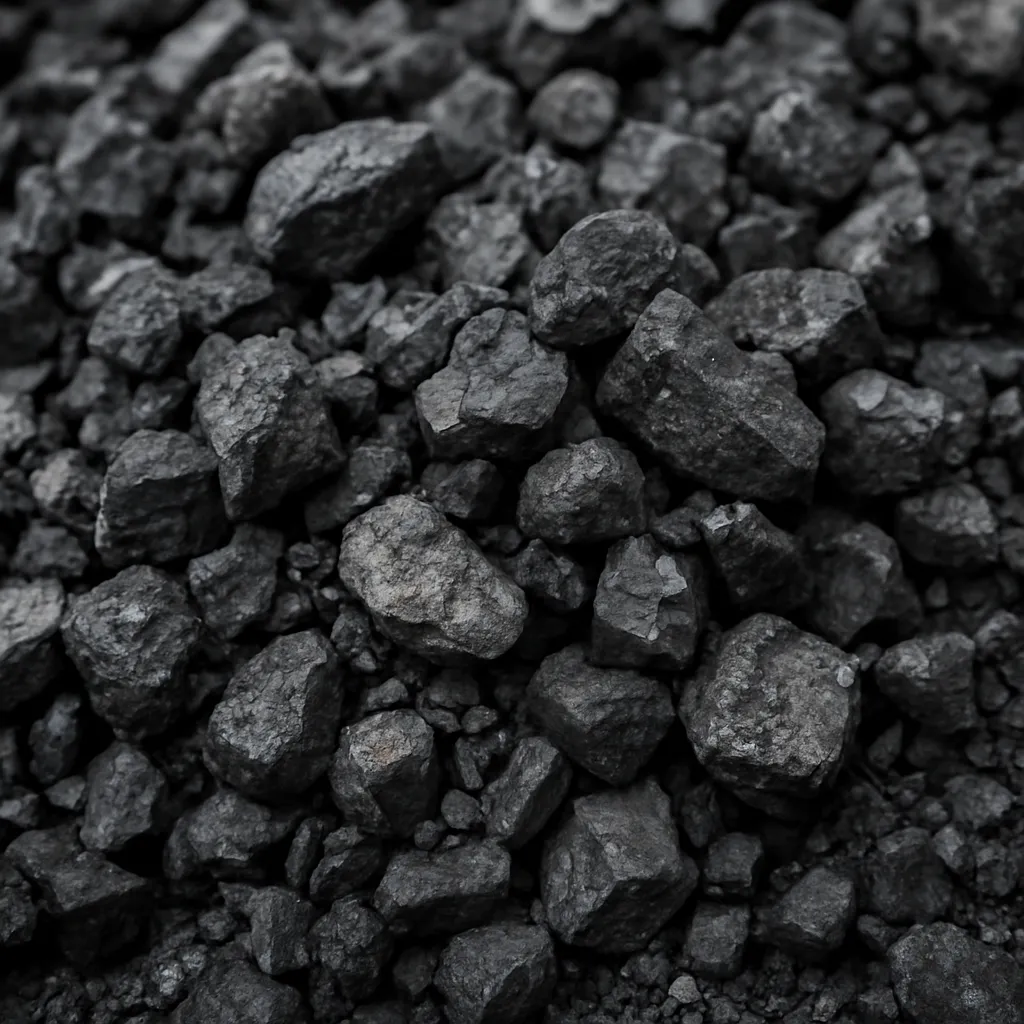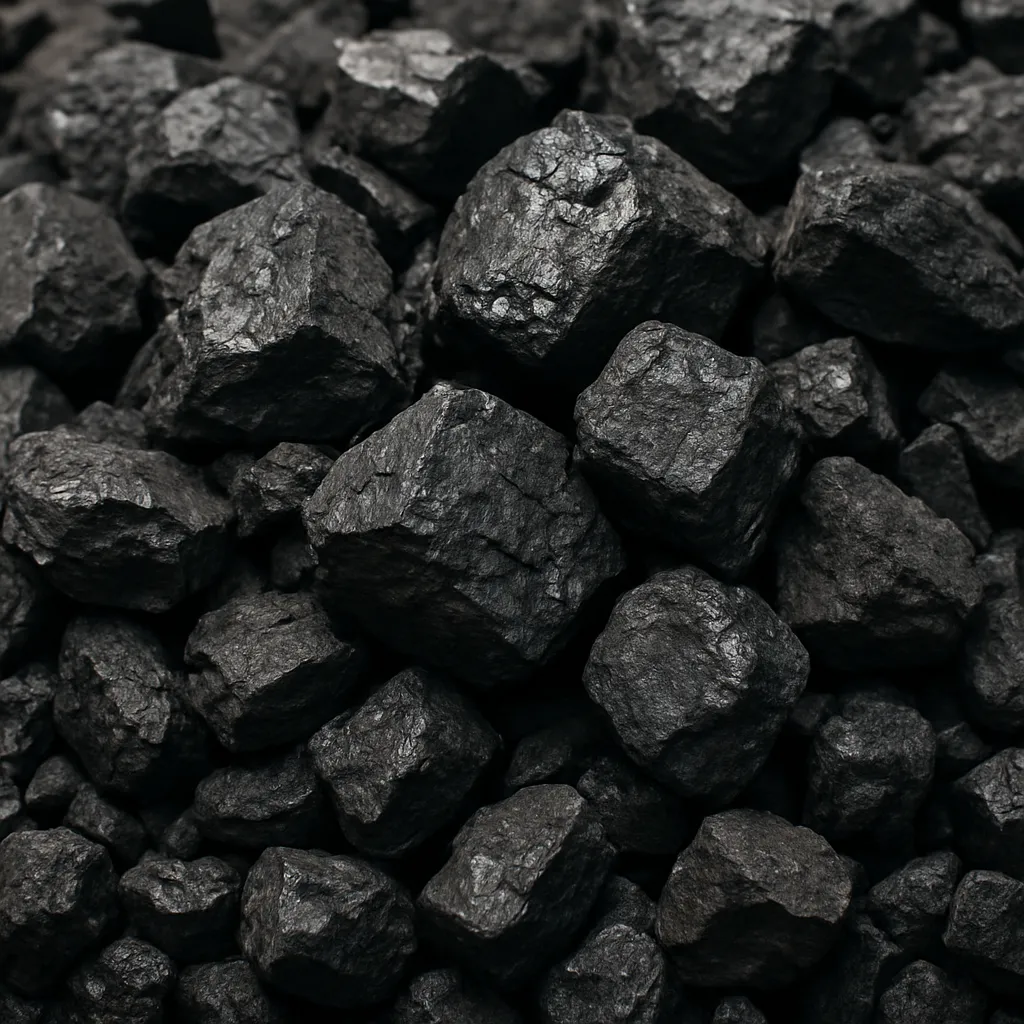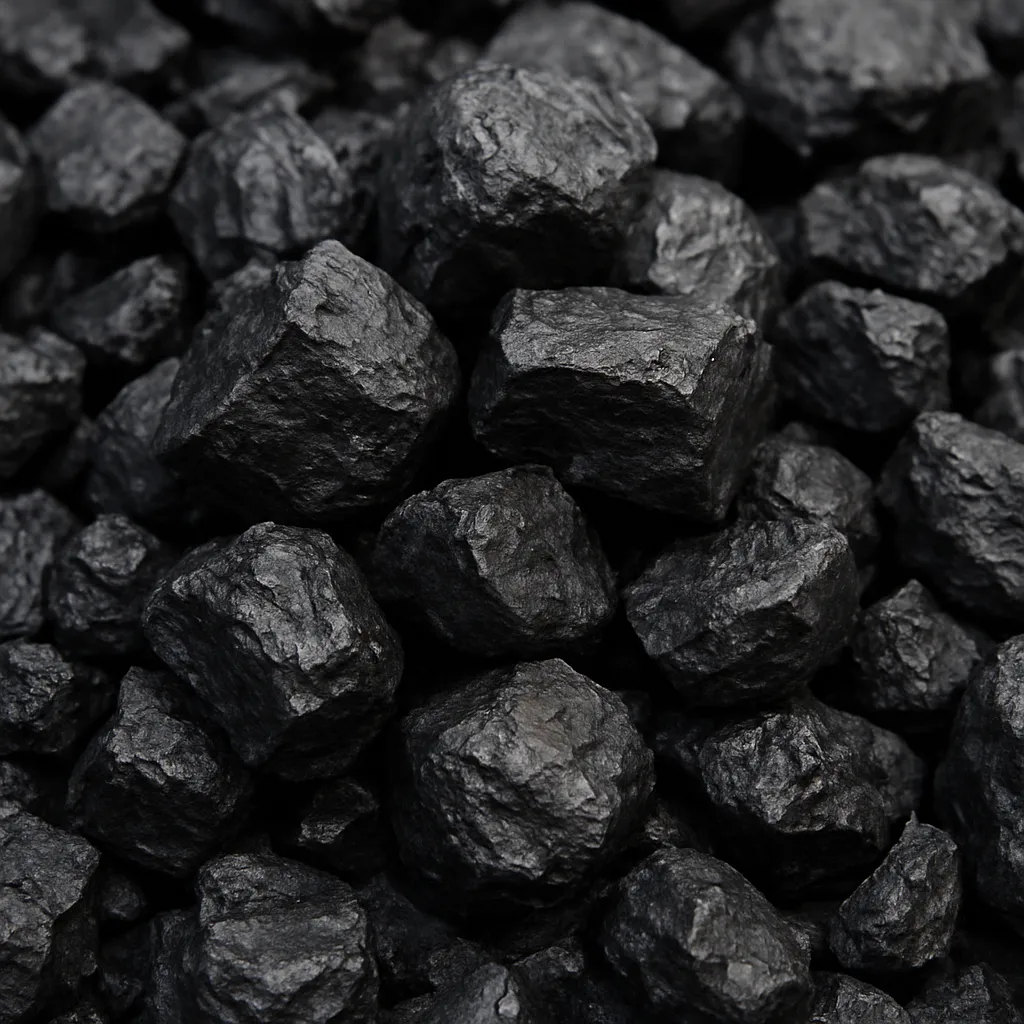
High-carbon coal, a term that commonly refers to coal ranks with a high proportion of fixed carbon such as anthracite and certain grades of bituminous coal, remains an important component of the global energy and industrial mix. This article examines the geological occurrence, major producing regions, economic and statistical indicators, industrial uses—especially in steelmaking—and the environmental and technological challenges associated with high-carbon coal. The aim is to provide a comprehensive overview that balances technical detail with economic context for readers seeking a deeper understanding of the role of high-carbon coal today.
Geology and Types of High-Carbon Coal
Coal forms from the burial and transformation of plant matter under heat and pressure over geological time. Its rank depends on the degree of metamorphism: the more heat and pressure, the higher the carbon content and the lower the volatile matter. High-carbon coal generally includes:
- Anthracite: the highest rank of coal, typically containing >86% fixed carbon and the lowest volatile matter. It burns with a short blue flame and little smoke, producing high heat per unit mass.
- Semi-anthracite: transitional between anthracite and bituminous, often with 80–86% fixed carbon.
- High-rank bituminous coal: certain grades of bituminous coal approach high fixed-carbon values (45–86% fixed carbon) and, after coking, produce high-quality metallurgical coke.
High-carbon coal is typically harder, denser, and darker than lower-rank coals. It forms in basins where deeper burial and/or tectonic activity have subjected organic sediments to higher temperatures. Typical geological settings include folded and faulted Appalachian basins (USA), Carboniferous basins in Europe, and similar mature basins in East Asia and Australia.
Where High-Carbon Coal Occurs and Is Mined
High-carbon coals are not distributed uniformly; their occurrence is controlled by the geological history of basins. Major producing regions and countries include:
- China — Extensive reserves and production include both bituminous and anthracite grades. China is the world’s largest coal producer and consumer, and it mines high-rank coals in northeastern and northwestern provinces such as Shanxi, Shaanxi and Heilongjiang.
- Russia — Large deposits of high-rank coals occur in the Kuznetsk Basin (Kuzbass) and other Siberian basins.
- United States — The Appalachian and Illinois basins have historically provided higher-rank bituminous coals and anthracite (notably in Pennsylvania).
- Australia — A major exporter of metallurgical (coking) coal from basins such as the Bowen Basin in Queensland and the Hunter Valley in New South Wales.
- Colombia — A key supplier of high-quality metallurgical coal to global steel markets.
- South Africa, Poland, India, and Kazakhstan — all have significant occurrences of higher-rank coals used for either domestic industry or export.
The mining methods for high-carbon coal vary by seam depth and geology: underground longwall and room-and-pillar mining are common for deeper, higher-rank seams, whereas open-pit mining is used where seams are near surface. Anthracite deposits are less common and often mined in smaller, more localized operations.
Production, Reserves and Statistical Overview
Coal remains one of the largest fuel sources globally, though its share of primary energy has been under pressure in many regions. Some key statistical points (approximations based on data available through the early 2020s):
- Global coal production: on the order of ~7–8 billion tonnes annually (raw coal) in the early 2020s, with year-to-year fluctuations driven by demand in power generation, industrial output, and weather.
- Share of high-rank/metallurgical coal: metallurgical (coking) coal forms a subset of global production—roughly 10–15% of total tonnage—used primarily for steel production after coking processes.
- Proven recoverable reserves: global proved coal reserves are large, often cited in the range of ~1,000–1,100 billion tonnes, geographically concentrated in a few countries (United States, Russia, China, Australia, and India together account for a substantial share).
- Major exporters of metallurgical coal: Australia, the United States, Canada, Russia, Colombia, and South Africa are primary exporters; Australia routinely supplies a large fraction of seaborne coking coal.
Price volatility is a notable statistical feature. Coking coal and thermal coal prices experienced extreme swings in the 2010s and especially during the 2021–2022 supply-demand shocks, when supply constraints and surging demand briefly pushed prices sharply higher before moderating. Such volatility affects investment decisions, national trade balances, and the steel industry’s input costs.
Economic and Industrial Importance
High-carbon coal occupies both an energy and an industrial niche. Its principal economic roles include:
- Providing feedstock for metallurgical coke, an essential reducing agent and structural support in blast furnaces for steelmaking. Coke quality—strength, porosity, and reactivity—is heavily influenced by the parent coal’s rank and properties.
- Supplying heat and power in industrial processes where high energy density fuel is beneficial, such as certain ceramic, cement, and chemical processes.
- Acting as a raw material for coal-to-chemicals and coal-to-liquids processes where geology and economics make alternatives (e.g., natural gas) less available or more expensive.
- Serving strategic roles in countries with large domestic coal reserves as a component of energy security, providing a locally available fuel and reducing dependency on imports.
In economic terms, regions with abundant high-rank coal often develop clusters of metallurgical and heavy industries. Export revenues from seaborne metallurgical coal can be significant for producing countries. Conversely, reliance on coal exposes economies to environmental regulation, carbon pricing, and global decarbonization trends that can erode market share and profitability over time.
High-Carbon Coal and Steel Production
The single most economically critical use of high-carbon coal is the production of coke for blast furnace steelmaking. Key points:
- Coking coal is blended and heated in coke ovens to drive off volatiles and create a porous, strong carbon matrix—coke—that supports the blast furnace burden and reduces iron oxides to metallic iron.
- Quality requirements are strict: not all high-carbon coals can be coked successfully; coal blends and additives are used to meet performance specifications.
- Alternatives to traditional blast furnace routes—direct reduced iron (DRI) processes using natural gas or hydrogen—are gaining attention, but large segments of the steel industry still depend on metallurgical coal.
Global steelmaking output (roughly 1.8–1.9 billion tonnes per year in the early 2020s) underpins demand for metallurgical coal. Even as electric arc furnace (EAF) routes expand, many steel plants—especially integrated mills—continue to require coke, sustaining metallurgical coal markets.
Environmental Impacts and Regulatory Context
High-carbon coal presents environmental challenges similar to other coals, but with some distinguishing features related to its use for metallurgical purposes and different combustion behaviors. Major concerns include:
- CO2 emissions: Combustion and coke production both emit CO2. While metallurgical processes produce emissions distinct from power generation, steelmaking emissions represent a large share of industrial CO2.
- Local pollutants: coking operations and coal preparation can emit particulates, sulfur compounds, and volatile organic compounds (VOCs) if not properly controlled.
- Land and water impacts: mining—particularly surface mining—can disturb landscapes, affect groundwater, and require reclamation efforts.
- Waste streams: coke ovens generate byproducts (tar, ammonia, phenols) that must be managed to avoid soil and water contamination.
Policy responses vary. In many jurisdictions, increasingly stringent emissions standards, carbon pricing, and industrial decarbonization strategies are pressuring traditional coal-based steelmaking. Research and pilot projects in carbon capture, utilization and storage (CCUS), hydrogen-based reduction, and electrified smelting aim to reduce emissions, but large-scale deployment remains limited by cost and infrastructure requirements.
Technological Developments and Innovations
Several technological trends affect high-carbon coal use and its future:
- Improved coking technologies and blending practices enhance coke quality while optimizing feedstock use.
- Coal gasification enables conversion of coal into syngas for chemical production or power generation with potential integration of carbon capture.
- Pulverized coal injection (PCI) reduces coke consumption in blast furnaces by injecting pulverized coal directly, which can lower the amount of premium coking coal required.
- Development of alternative steelmaking routes—electrification, DRI with hydrogen, and smelting reduction—could displace some demand for metallurgical coal over decades.
- Advances in environmental controls for coking plants and mines reduce local pollution, improving social license to operate in communities.
Technological adoption is uneven, driven by local energy prices, policy regimes, and capital availability. Countries with abundant coal reserves and existing metallurgical industries have incentives to invest in cleaner coal-related technologies to extend asset life under tightening environmental rules.
Trade, Markets, and Price Dynamics
The high-carbon coal market is shaped by a combination of long-term contracts and spot trades. Key market dynamics include:
- Seaborne trade is concentrated: a handful of exporters (Australia, Russia, the United States, Colombia, South Africa) dominate international shipments of metallurgical coal.
- Demand is highly correlated with steel production cycles and global economic activity; during boom years, coking coal demand and prices rise quickly, while downturns reduce demand.
- Logistics matter: freight costs, port capacity, and geopolitical factors can create regional price differentials for high-quality coking coal.
- Price risk affects integrated steelmakers and independent miners alike; hedging, long-term contracting, and vertical integration are common strategies to manage volatility.
Market observers also watch policy shifts—such as carbon border adjustments or production restrictions—that could re-route trade flows or change the cost competitiveness of coal-fed steel production.
Social and Economic Dimensions
Coal mining communities have historically relied on mining for employment, income, and local tax revenues. For high-carbon coal specifically:
- Regions with coking-coal mines often develop ancillary industries—coke production, steel mills, and machinery suppliers—creating integrated industrial ecosystems.
- Just transition concerns arise as environmental policies and market forces reduce coal demand; planning for retraining, economic diversification, and social support is increasingly part of public policy discussions.
- Investment in mine reclamation and health and safety standards remains a priority to minimize long-term liabilities and protect community welfare.
Interesting Facts and Lesser-Known Uses
Beyond the well-known roles in steel and power, high-carbon coal contributes in several interesting ways:
- Specialty coals are used to produce activated carbon for water purification, air filtration, and industrial adsorption processes.
- Graphitizable coals can be feedstock for carbon electrodes, foundries, and high-temperature refractory applications.
- Historical anthracite regions, such as parts of Pennsylvania and Wales, have left a cultural and industrial legacy reflected in towns, railways, and early industrial architecture.
- Coal-derived materials remain relevant in niche chemical markets where feedstock choice is driven by cost, availability, and process compatibility.
Outlook and Strategic Considerations
The medium- and long-term outlook for high-carbon coal is shaped by competing forces: persistent demand for steel and certain industrial uses versus climate policy, electrification, and alternative technologies. Key strategic considerations include:
- Short-to-medium term: metallurgical coal demand is expected to remain resilient, driven by global steelmaking needs, particularly in Asia where integrated blast furnaces continue to operate at scale.
- Medium-to-long term: decarbonization of steel—through CCS, hydrogen-based reduction, and recycling—could gradually reduce metallurgical coal demand, though absolute transition timelines remain uncertain and region-specific.
- Investment risk: miners and steelmakers must weigh long-lived asset investments against policy and market risks; diversification and innovation in low-emissions technologies are central to future-proofing strategies.
Summary Perspective
High-carbon coal, while often overshadowed by debates about coal-fired power, plays an outsized role in industrial applications—most notably in producing metallurgical coke for steelmaking. Its geological concentration, trade patterns, and price volatility create a complex economic landscape for producers and consumers. Technological innovation and policy trajectories will determine the pace at which high-carbon coal’s industrial role evolves, but for the foreseeable future it will remain an important feedstock in sectors where alternatives are costly or not yet scalable. The balance between economic utility and environmental responsibility defines the key challenge for governments, industry, and communities linked to high-carbon coal.