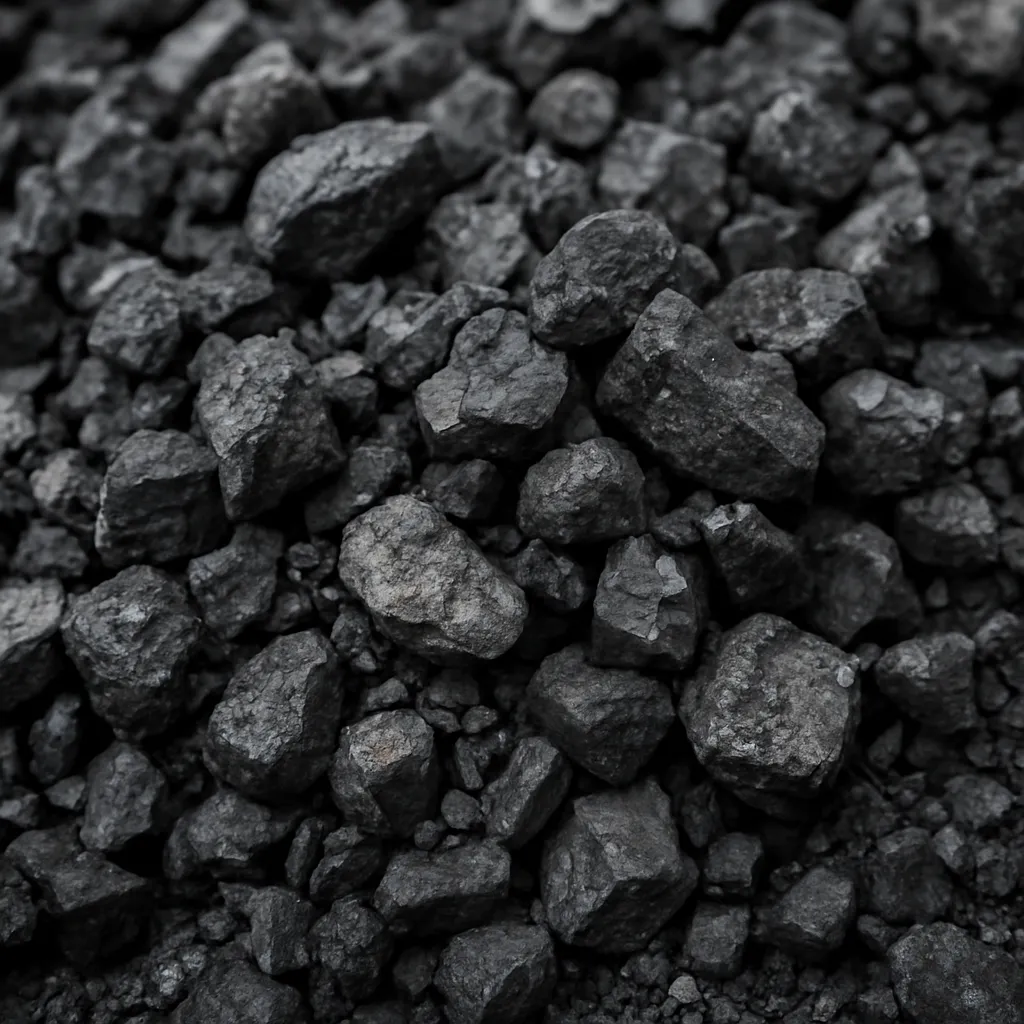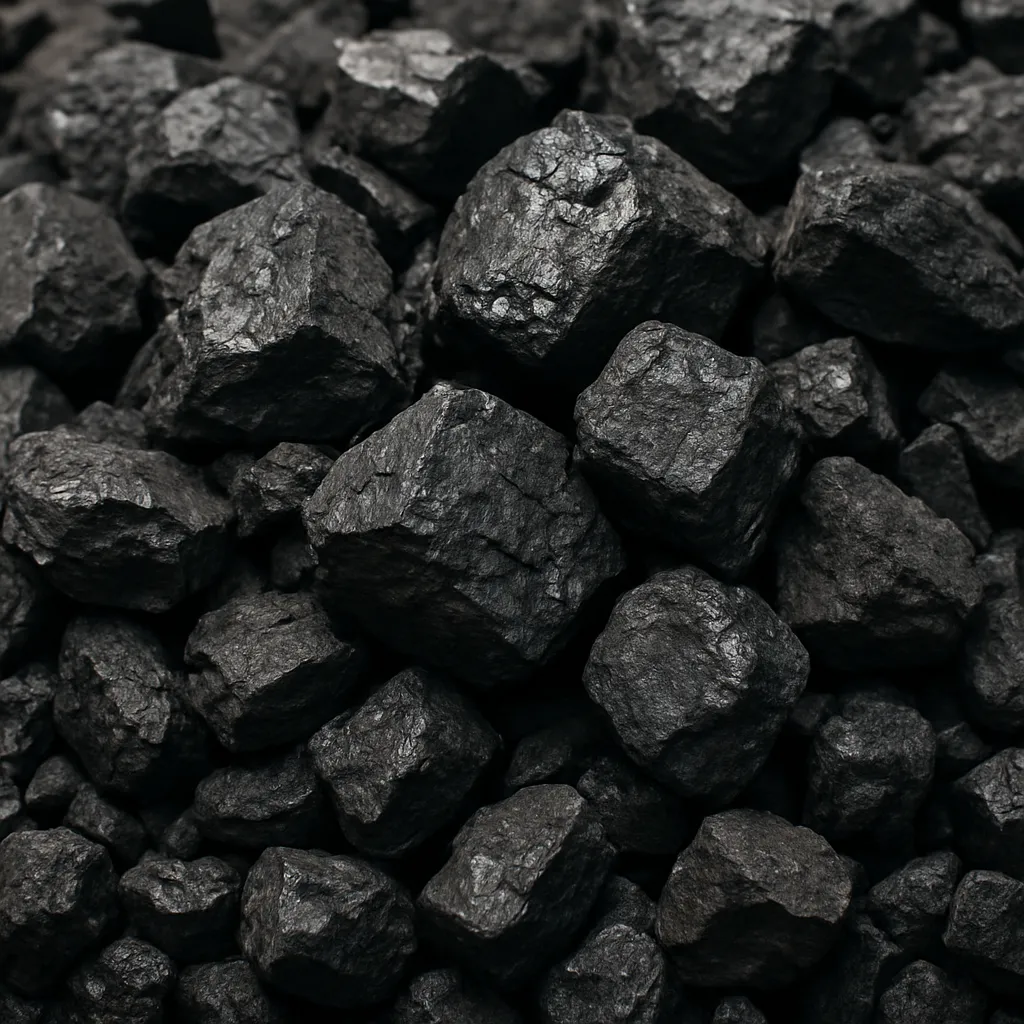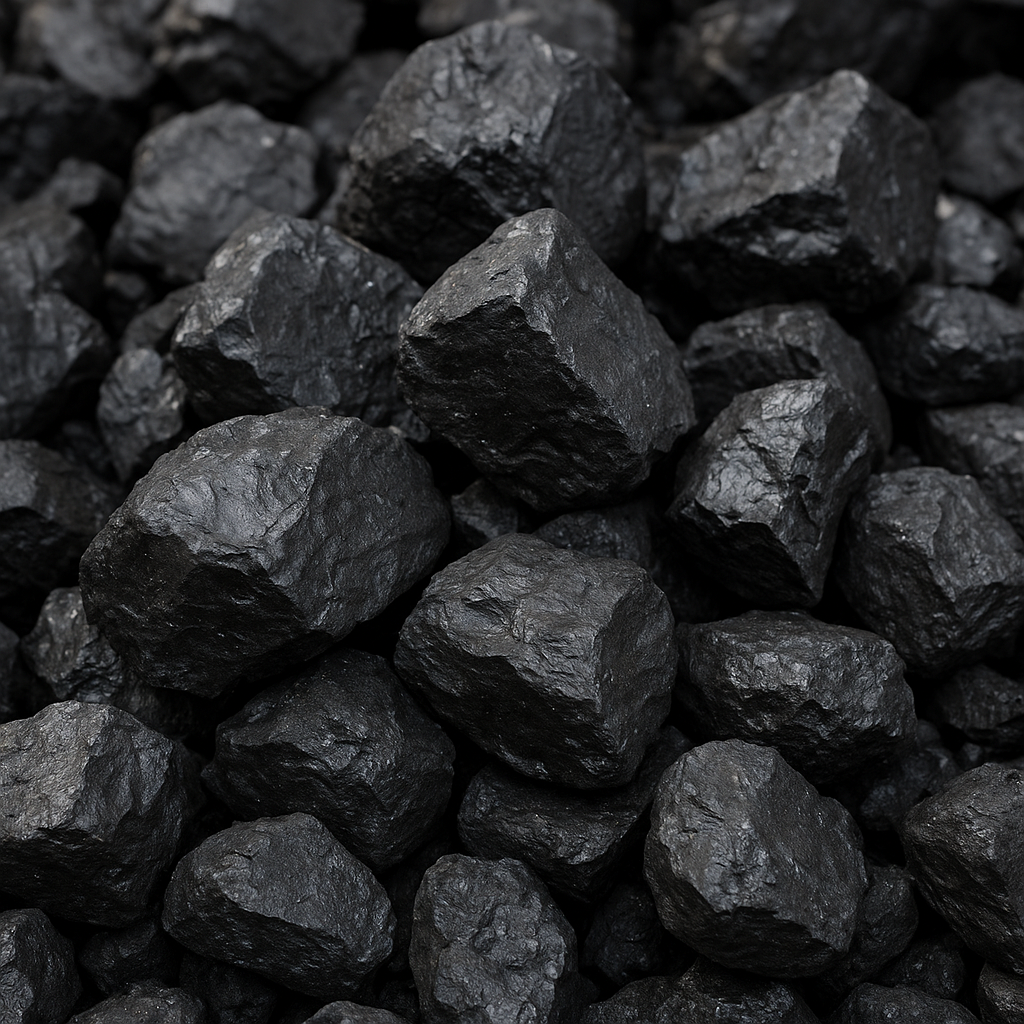
High-BTU coal is a category of fossil fuel prized for its high energy content per unit mass and strong industrial applications. In many energy and metallurgical markets, this coal commands premium prices because it delivers more heat, burns cleaner per unit of energy, and often possesses the physical and chemical properties needed for coke-making. This article examines what characterizes High-BTU coal, where it is found and mined, its economic and statistical significance, its industrial roles—especially in steel production and power generation—and the environmental and market dynamics shaping its future.
Characteristics and classification of High-BTU coal
Coal ranks are defined by carbon content, volatile matter, moisture and calorific value. Coal with a high British Thermal Unit (BTU) rating delivers more energy per unit weight. In common practice, high energy density coals include high-rank bituminous and anthracite. Key technical features include:
- Calorific value: High-BTU coals typically have gross calorific values in the range of approximately 24–33 MJ/kg (roughly 10,300–14,200 BTU/lb). Some anthracites and low-volatile bituminous coals exceed these ranges and are used where maximum heat per tonne is required.
- Low inherent moisture and lower volatile matter compared with sub-bituminous or lignite coals, which leads to higher combustion efficiency.
- Lower ash and sulfur content in many high-BTU coals, though regional variations exist; low impurities are highly valued for both environmental and metallurgical reasons.
- For metallurgical applications, coking properties—ability to form a strong, porous coke under heat—are critical. Metallurgical (coking) coal is a sub-class of high-BTU coal when it also meets coke strength and plasticity requirements.
Quality specifications can vary by market and end-use. Power plants focused on high-efficiency steam cycles prefer higher-BTU coals because they reduce fuel handling and transport volumes per unit of electricity produced. Steelmakers rely on coking grades with particular volatile-matter and swelling characteristics to produce suitable coke for blast furnaces.
Where High-BTU coal occurs and major producing regions
High-BTU coal deposits are distributed globally but are concentrated in specific geological basins. The main producers and regions associated with high-quality, high-energy coals include:
- Australia: One of the world’s largest exporters of both thermal and metallurgical coal. The states of Queensland and New South Wales host extensive bituminous and coking coal seams. Australian coal is widely used across Asia and is a benchmark for seaborne thermal coal (e.g., the Newcastle price index).
- Russia: Major basins such as Kuzbass (Kemerovo Oblast) and regions in the Far East produce significant volumes of high-BTU thermal and metallurgical coals. Russia’s export infrastructure serves Asian and European markets.
- United States: Appalachian basins supply high-volatile and medium-volatile bituminous coals with substantial coking coal output for metallurgical use. The Powder River Basin is the largest U.S. coal-producing region but predominantly yields lower-BTU sub-bituminous coal.
- Canada: British Columbia is a key exporter of metallurgical coal to Asian steelmakers.
- Colombia and some parts of South Africa: export high-energy thermal coals; Colombia is a major supplier to Latin America and Europe.
- China and India: both have large domestic reserves that include higher-rank coals in certain provinces (e.g., Shanxi, Shaanxi in China). Much of this coal is consumed domestically.
- Smaller but important producers include Poland, Kazakhstan, Mongolia and some African countries that supply regional markets.
The distribution of high-BTU coal often reflects ancient geological processes: deeply buried and thermally matured organic sediments produce higher-rank coals over geological time. As a result, older basins containing deeply buried seams frequently deliver higher-quality coal.
Mining, production and global trade statistics
Global coal production and trade figures vary year by year with demand, policy, and macroeconomic trends, but several structural patterns are clear. Approximately half of global coal production is consumed within the producing country, especially in large economies with heavy industry. Key statistical observations:
- Global production: In recent years global primary coal production has been on the order of several billion tonnes per year. Major producing countries include China (the largest producer and consumer, accounting for roughly half of global consumption), India, the United States, Indonesia, and Australia.
- Seaborne trade: International coal trade is a fraction of total production—generally around 1–1.5 billion tonnes annually—concentrated in thermal coal and metallurgical coal shipments. High-BTU coals, particularly coking coal, form a valuable subset of this trade; metallurgical coal seaborne trade is typically in the low hundreds of millions of tonnes per year (often cited around 150–250 million tonnes), but this varies with global steel demand.
- Price volatility: High-BTU and coking coal prices are more volatile than standard thermal coal because of their smaller, specialized market and tighter supply-demand balances. Disruptions, such as mine closures, extreme weather, or geopolitical events, can lead to sharp price spikes.
- Regional dependencies: Asian steelmakers import significant volumes of metallurgical coal from Australia, Canada and Russia. Europe imports both thermal and metallurgical coals, though volumes have been subject to change due to energy transition policies and geopolitical factors.
While precise year-by-year numbers fluctuate, the market dynamics reflect the high strategic and economic value of high-BTU coals: they are energy-dense, cost-efficient to transport per unit of energy, and critical to processes that have few direct substitutes in the short term—especially for certain forms of steelmaking.
Economic and industrial significance
High-BTU coal plays central roles in several industries and national economies. Its importance can be traced across multiple dimensions:
- Steel industry dependence: Conventional blast-furnace steelmaking depends on coke derived from coking coal. Approximately two-thirds of global crude steel has historically been produced in blast furnace/basic oxygen furnace (BF-BOF) routes that require metallurgical coal. Even with growth in direct reduced iron (DRI) and electric arc furnace (EAF) routes, demand for coking coal remains substantial because of legacy plants, cost considerations, and regional feedstock availability.
- Electricity generation: High-BTU coals are preferred in high-efficiency power plants (supercritical and ultra-supercritical) because higher energy density reduces fuel handling costs and improves thermal efficiency. In countries with established coal-fired fleets, higher-grade coals help reduce coal consumption per MWh and can lower emissions per unit of electricity (though absolute CO2 remains significant).
- Export revenues and jobs: For exporting nations, premium coals generate valuable foreign exchange earnings and support regional employment in mining and logistics. Coastal export hubs, rail networks, ports, and ship-charter industries are often tightly linked to high-BTU coal flows.
- Downstream chemical and industrial uses: High-quality coals are feedstocks for coke ovens, gasification units, and chemical synthesis (e.g., methanol, fertilizers in coal-to-chemicals applications). Coal gasification and coal-to-liquids technologies often perform more efficiently with higher-BTU inputs.
The premium nature of high-BTU coal means price signals are closely watched by steelmakers and utilities. Small shifts in supply can translate to large economic impacts: higher steelmaking costs, altered trade flows, and regional energy price changes.
Environmental considerations and technological responses
Coal combustion remains a leading source of anthropogenic carbon dioxide and local air pollutants. High-BTU coal, while producing more energy per tonne and often less ash or moisture, still emits substantial CO2 when burned. Key environmental and technological issues include:
- Greenhouse gas emissions: Combustion of coal (including high-BTU varieties) is carbon-intensive. In many policy frameworks, coal-fired power stations and industrial users face emissions constraints, carbon pricing, or phase-out plans that affect future demand.
- Local pollution: NOx, SO2, particulate matter, mercury and other trace toxins remain a concern. High-BTU coals with lower sulfur and ash content can reduce some pollutant outputs, but require appropriate emissions controls in plants.
- Decarbonization pathways: Adoption of carbon capture, utilization and storage (CCUS) technologies can, in theory, allow continued use of coal in a lower-carbon context. Coal gasification combined with CCUS for power or chemical production is technologically feasible but often expensive at commercial scale.
- Steel sector transitions: To reduce emissions, steelmakers are investing in hydrogen-based DRI processes, electrification of heat, and recycling via electric arc furnaces. These trends could reduce long-term demand for metallurgical coal, though the transition is capital-intensive and uneven across regions.
Policy and economics will shape how quickly high-BTU coal demand declines in OECD countries versus continuing use in emerging economies. Investments in emissions controls, efficiency upgrades, and alternative technologies will be decisive.
Market dynamics, geopolitics and future outlook
The market for high-BTU coal is influenced by a mix of demand-side trends (steel demand, power generation choices), supply-side factors (mine capacity, logistics, weather-related disruptions), and geopolitics (trade sanctions, regional conflicts). Important considerations for the near- to medium-term include:
- Supply concentration: A relatively small number of basins and exporters dominate seaborne metallurgical coal trade. This creates vulnerability to supply shocks and creates pricing power swings.
- Energy transition pressures: Strong policy pushes to decarbonize energy and industry in Europe, parts of North America, and East Asia are reducing long-term coal demand projections. However, near-term demand can remain robust where alternatives are not yet cost-effective or scalable.
- Investment cycles: Mining investment is subject to commodity price cycles, permitting and social license risks. Underinvestment during low-price periods can constrain supply later and contribute to price spikes when demand returns.
- Technological innovation: Advances in alternative steelmaking (hydrogen DRI), CCUS deployment, and improved plant efficiencies could reduce reliance on premium coals, but timelines are uncertain and dependent on policy incentives and capital availability.
In short, high-BTU coal retains strategic importance but faces an uncertain trajectory driven by decarbonization goals, shifting industrial practices, and the economics of alternatives. For exporters and consuming industries alike, flexibility and adaptation will be critical.
Interesting facts, practical considerations and concluding perspective
Several additional points about high-BTU coal are worth noting:
- Because of its energy density, high-BTU coal reduces transport costs per unit of energy compared with low-rank coals; this often makes it commercially preferred for long-distance export.
- Quality can vary even within the same seam; blending different coals to achieve target specifications (e.g., for coke-making or power plant tolerances) is common practice.
- Historically, peaks in metallurgical coal pricing have prompted shifts in steelmaking economics, sometimes accelerating investment in alternatives like scrap recycling or DRI routes.
- Community and environmental impacts of high-BTU coal mining (land disturbance, water use, dust and noise) have prompted stricter regulations and higher mitigation costs in many jurisdictions, affecting project feasibility.
- Data monitoring and certification (e.g., traceability of coal origin, sustainability reporting) are increasingly demanded by traders and end-users, particularly in markets sensitive to carbon footprints.
High-BTU coal remains a high-value commodity because it couples strong physical properties with essential industrial uses, especially in steel production. While its long-term role is challenged by decarbonization trends and technological shifts, in the medium term it will continue to underpin significant segments of global industry and trade. Markets, policy, and innovation will determine how rapidly its role evolves, but for now it remains an integral and strategically important energy and metallurgical resource.