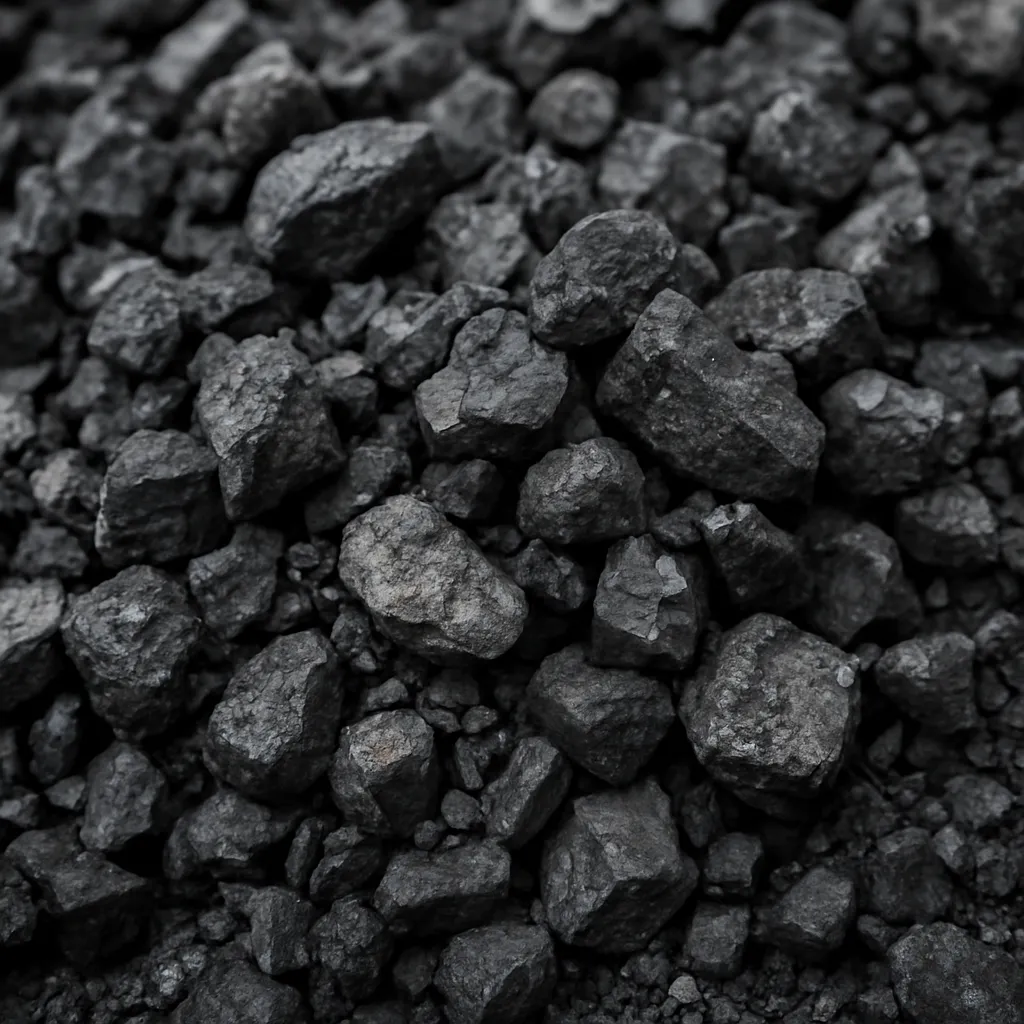
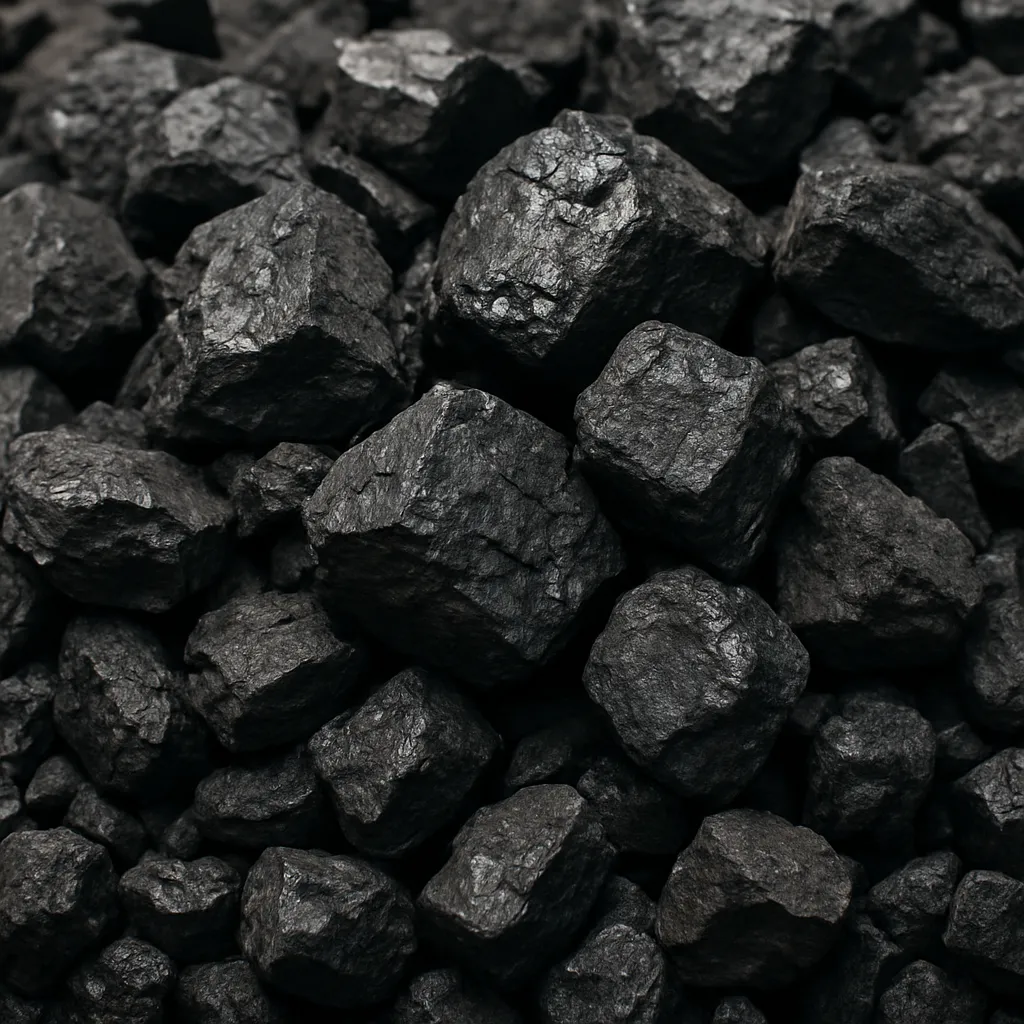
This article explores the nature, distribution, economic importance and industrial uses of gas coal — a form of coal with distinctive physical and chemical properties that make it valuable for multiple applications. It covers geological occurrence, mining and production patterns, market dynamics, environmental impacts and technological trends shaping the future of coal-based processes. The aim is to provide a comprehensive, fact-rich picture suitable for readers interested in energy, resources and industrial commodities. Key terms and concepts are emphasized to help quick orientation.
What is gas coal and how is it classified
Gas coal is commonly understood as a type of bituminous coal characterized by relatively high volatile matter and good gas-yielding properties when heated or processed. In coal-rank classifications, coal progresses from peat through lignite and sub-bituminous to bituminous and finally anthracite. Within the bituminous rank there are varieties used primarily for power (thermal coal), for metallurgical coke (coking coal) and for gas production — the latter often referred to as gas coal in many coal-trade and geological contexts.
Key physical and chemical features of gas coal include:
- higher volatile matter content compared with low-volatile coking coals;
- moderate-to-high calorific value (higher heating value often in the mid-range compared with coking coals and sub-bituminous fuels);
- good behavior in gasification and pyrolysis processes, yielding significant volumes of town gas, coal gas or synthesis gas (syngas);
- variable sulfur and ash content depending on deposit and seam.
Historically, gas coal was a feedstock for the production of “town gas” (coal gas) via coal gasification and gas retorts, supplying urban lighting and heating before the widespread adoption of natural gas. Today its role in gasification, chemical feedstock production, and certain industrial heating applications remains important.
Geological occurrence and major producing regions
Coal forms from the accumulation and burial of plant material in ancient peat bogs and swamps, then transformed by heat and pressure over millions of years. Gas coal deposits are typically found in sedimentary basins with Carboniferous, Permian, Triassic and even younger strata depending on the basin. Major basins that produce bituminous and gas-type coals include:
- the Kuznetsk Basin (Kuzbass) and other Russian basins;
- the Donets Basin in Ukraine (historically important gas and coking coals);
- Appalachian basins in the eastern United States;
- Powder River Basin and western US basins (more sub-bituminous/thermal, but many US basins also host bituminous seams);
- Australia’s Bowen Basin, Sydney Basin and Surat Basin (important for both thermal and metallurgical coal export);
- South Africa’s Highveld and Waterberg areas;
- China’s numerous basins across Shanxi, Inner Mongolia, Shaanxi and others;
- Poland’s Upper Silesian Coal Basin and other European coalfields.
The distribution of gas coal is global but concentrated where extensive Carboniferous and Permian-age sedimentation occurred. In many coalfields, seams of differing rank occur vertically and laterally, so gas coal may be mined alongside coking or thermal coals depending on seam properties.
Mining methods and production characteristics
Gas coal is extracted by both surface (open-pit) and underground mining methods. Choice of method depends on seam depth, thickness, geometry and economic factors.
- Surface mining is economical when seams lie close to the surface and is common in large, contiguous basins where overburden removal is feasible. It yields large volumes at relatively low unit cost but has greater surface environmental footprint.
- Underground mining is used for deeper, thinner seams and includes longwall mining and room-and-pillar methods. It has a smaller surface footprint but higher operating costs and distinct safety/ventilation challenges.
Global coal production in recent years has varied by market cycle and policy changes. Roughly speaking, world coal production has been on the order of 7–8 billion tonnes per year in the early 2020s, with significant variation by country and year. Production of gas-type coals is not always quoted separately in aggregate public statistics — they are often included within broader categories such as bituminous or hard coal — but they constitute an important share of bituminous output.
Economic and market aspects
Gas coal sits at the intersection of several markets: power generation, industrial heating, coal-to-chemicals and coal-to-gas processes, and sometimes metallurgical uses depending on properties. Market drivers and economic aspects include:
- Demand is strongly tied to industrial activity and power demand, especially in Asia where coal remains a primary energy source for electricity generation.
- Export flows: major exporters such as Australia, Indonesia and Russia supply many importing countries. Australia and Indonesia are dominant for seaborne thermal and some bituminous coals; Russia and the US have large domestic and export markets.
- Price drivers include global seaborne freight (capex and shipping rates), regional supply-demand balances, currency moves and policy measures like emissions regulation or carbon pricing.
- Segmentation matters: gas coals with lower ash and sulfur or favorable gas-yielding properties command premiums in specialized applications; lower-quality coals are priced lower.
Top producing countries (approximate shares in recent years) are led by China which accounts for roughly half of global coal production, followed by India, Indonesia, the United States, Australia and Russia. Global proven coal reserves are commonly cited in the range of around one trillion tonnes (order-of-magnitude), implying multiple decades of supply at current production rates, although economic, technological and policy factors will determine actual recoverability.
Industrial uses and importance
Gas coal’s industrial significance extends beyond direct combustion for heat and power. Main uses include:
- Gasification: production of syngas (mixture of CO and H2) used for chemical synthesis, methanol, ammonia and as a feedstock for producing synthetic natural gas and liquid fuels via Fischer–Tropsch processes. Here gas coal’s gas-yielding characteristics are advantageous.
- Chemical feedstock: coal-derived gases and tars historically provided basic chemicals for dyes, solvents and fuels; modern gasification can supply hydrogen and other building blocks for industry.
- Industrial heating and steam generation: in industries where high-temperature process heat is required, coal remains a reliable fuel in many regions.
- Metallurgical applications: some gas coals can be blended in coke-making or used in processes where volatile matter helps certain thermal behaviors, though true coking coals are distinct and command higher prices for steelmaking.
- Coal bed methane (CBM): coal seams that host gas may be sources of methane which can be produced as a commercial natural gas resource and as a methane mitigation measure in coal mines.
The role of gas coal in chemical and fuel synthesis has led to interest in integrated gasification combined cycle (IGCC) power plants and coal-to-liquids or coal-to-chemicals complexes, particularly in countries with abundant coal and limited oil and gas resources.
Economic statistics and trade flows (overview)
While precise figures vary year to year, several general statistical points are informative:
- Global coal production: on the order of 7–8 billion tonnes per year in the early 2020s.
- Top producers: China (~45–50% of production), India (~8–10%), Indonesia (~5–7%), United States (~5–8%), Australia (~6–7%), Russia (~4–6%). These shares shift with demand, policy and investment cycles.
- Proven reserves: commonly cited at roughly 1,000–1,200 billion tonnes worldwide, though “proven” varies by reporting standard; effective long-term supply depends on economics, technology and emissions policy.
- Trade: major export hubs include Australia and Indonesia for seaborne thermal and bituminous coals; the US and Russia are also significant exporters for different market segments. Seaborne trade is a fraction of global production because much coal is consumed domestically.
Price benchmarks used in industry include the Newcastleindex for Australian thermal coal, the API2 (Amsterdam-Rotterdam-Antwerp) and API4 indices for European coals, and various spot and contract prices tied to calorific value and quality specifications. Prices can move dramatically in short periods due to supply disruptions, fuel-switching dynamics and policy changes.
Environmental, health and social impacts
Coal mining and use carry well-documented environmental and social consequences:
- Air emissions: burning coal releases CO2 (the principal anthropogenic greenhouse gas), sulfur oxides (SOx), nitrogen oxides (NOx), particulates and trace elements such as mercury. These emissions affect climate, air quality and human health.
- Greenhouse gas concerns: coal is the most carbon-intensive major fossil fuel on a per-energy basis. Reducing emissions from coal use is central to climate policy debates worldwide.
- Mine environmental footprint: surface mining alters landscapes and ecosystems, while underground mining can induce subsidence and water table changes. Reclamation, wastewater management and land restoration are important mitigation measures.
- Methane: coal seams and active mines can emit methane (a potent greenhouse gas). Capturing coalbed methane for energy reduces emissions and provides an additional energy source.
- Occupational hazards: miners face risks such as coal workers’ pneumoconiosis (black lung), injuries and chronic health issues; modern regulation, monitoring and technology aim to reduce these risks.
- Social impacts: coal towns and regions often depend economically on mining; transitions away from coal require social planning, retraining and economic diversification to avoid persistent local hardship.
Technological pathways exist to reduce the environmental footprint of coal, including flue-gas desulfurization, particulate filters, selective catalytic reduction for NOx, and carbon capture and storage (CCS). However, CCS deployment at scale remains costly and faces economic and logistical hurdles.
Technological innovation and alternative pathways
Several technologies and innovations influence the role of gas coal:
- Advanced coal gasification: modern gasifiers operating at high efficiency can convert gas coal to syngas for power, hydrogen or chemical production with lower pollutant emissions. When coupled with CCS, gasification offers a lower-carbon pathway than conventional combustion, provided CO2 capture is effective and economical.
- Coal-to-chemicals and liquids: methanol, ammonia and synthetic fuels can be produced from coal-derived syngas; these processes are capital-intensive but can be attractive in coal-rich, oil-poor regions.
- Emission control technologies: improvements in particulate capture, mercury removal and sulfur control are standard in many jurisdictions, reducing local air-pollution impacts.
- Clean steelmaking alternatives: the steel industry, a major consumer of metallurgical coal, is experimenting with direct reduced iron (DRI) using hydrogen and electric arc furnaces. If scaled, these technologies could reduce demand for coke and related coals over coming decades.
- Coal bed methane and methane capture: technologies for capturing methane from coal seams and mines improve greenhouse-gas outcomes and supply natural gas for use or sale.
Adoption of these technologies depends on policy incentives, carbon pricing, capital availability and the comparative economics of alternatives such as natural gas and renewables.
Role in energy security and geopolitics
Coal — including gas coal — remains central to energy security in several regions. For countries with abundant coal resources, domestic use can reduce import dependence on oil and gas and provide baseload power. At the same time, coal trade creates geopolitical interdependencies: exporters and importers rely on shipping corridors, port capacity and trade agreements.
Policy choices, such as phasing out coal-fired power or incentivizing CCS, have geopolitical implications for countries whose economies are tied to coal exports. Transition strategies, diversification of export portfolios and value-addition (e.g., coal-based chemical production) are part of national responses to evolving global demand.
Market trends and the future of gas coal
The near-term future of gas coal is shaped by competing forces:
- Economic growth in Asia (especially South and Southeast Asia) supports continued coal demand for power and industry, at least in the medium term.
- Climate policy and decarbonization ambitions exert downward pressure on coal use in many developed countries, driving retirements of coal power plants and limiting new coal investments.
- Technological advances (e.g., low-cost renewables and storage) reduce the cost advantage of coal for power generation, but coal’s role in chemicals and metallurgical processes remains harder to replace.
- Investment patterns: lenders and investors increasingly scrutinize coal projects for climate risk, affecting new mine development and financing.
Two realistic scenarios for gas coal’s role over the next decades are:
- A gradual decline in coal-for-power in markets that aggressively adopt renewables and gas, with coal retained in niches and industrial uses;
- A pivot to value-added coal use in certain countries through gasification, chemical production and integrated CCS-enabled plants — conditional on economics and policy support.
Interesting facts and lesser-known aspects
- Coal is not a uniform product: small differences in volatile matter, maceral composition (inertinite, vitrinite, liptinite), and mineral impurities make particular seams suitable for specialized uses like gasification.
- “Town gas” era: before widespread natural gas pipelines, cities relied on coal gas made from gas coal. Remnants of that industry led to early developments in gas chemistry and urban infrastructure.
- Coal as a methane source: coal seams sometimes act as long-term natural gas reservoirs; capturing that methane reduces greenhouse-gas footprints and can supply local energy needs.
- Coal reserves are geographically concentrated: while global reserves are large, logistical and quality constraints mean not all reserves are equally valuable or usable.
- Material substitution and circular economy: some industries explore using waste-derived fuels, biomass co-firing or recycled carbon streams to reduce coal dependence for process heat.
Conclusions: balancing value, impact and transition
Gas coal occupies a complex space in the global energy and industrial landscape. It offers reliable, high-energy feedstock for heat, syngas and certain industrial processes, contributing to economic activity and energy security in many countries. At the same time, coal’s environmental and health impacts and its high carbon intensity create strong drivers for reduced use in power generation and for technological innovation where coal remains in the supply mix.
Policymakers, industry and communities face trade-offs: managing the economic benefits of coal production and employment, while mitigating environmental harm and planning for long-term transitions. Technology options such as high-efficiency gasification combined with carbon capture, methane recovery, and hydrogen-based metallurgical processes can soften the environmental footprint, but their scale-up depends on sustained investment and policy support.
Understanding gas coal requires attention to geology, chemistry, markets and policy. Its future will be shaped by how rapidly alternatives mature, how emissions are priced and regulated, and how societies balance industrial needs with climate and health objectives. The commodity remains strategically important today and will likely continue to be part of an evolving energy and industrial mix for years to come.