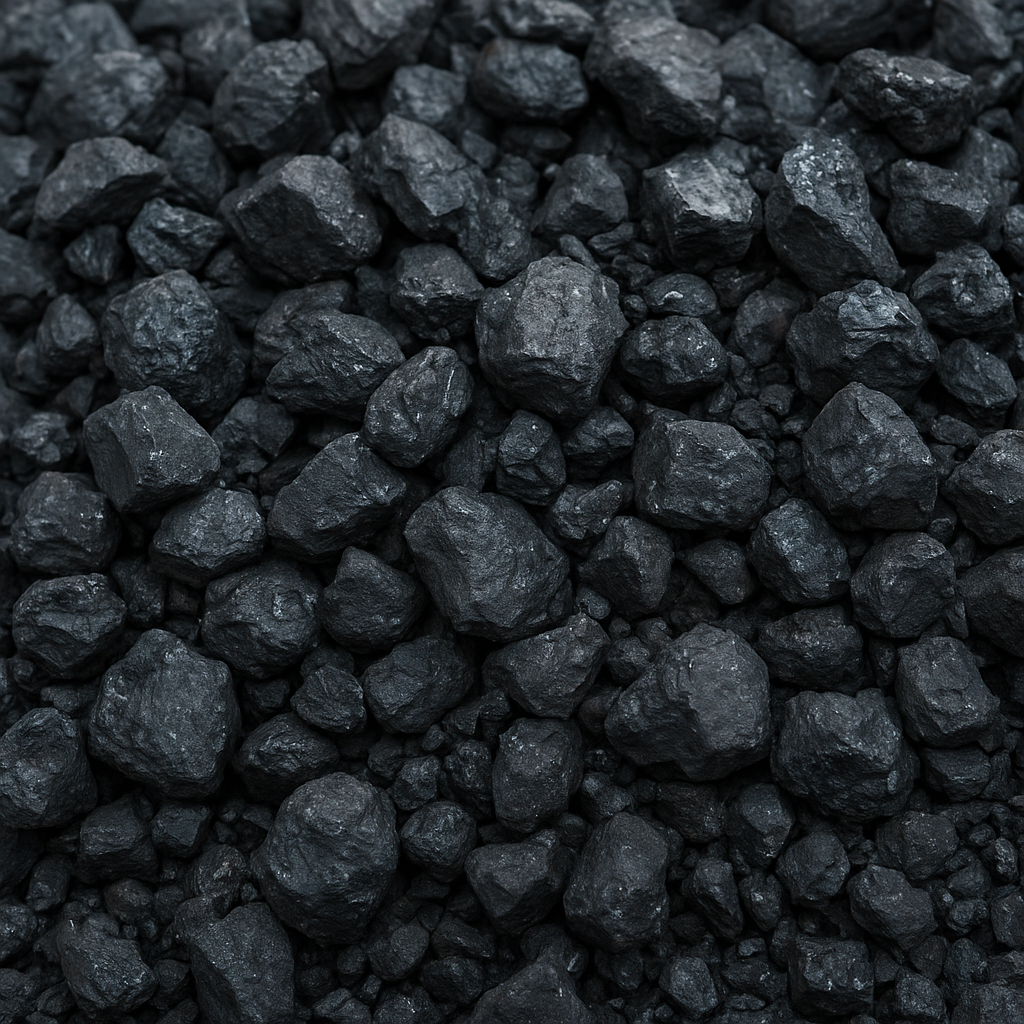
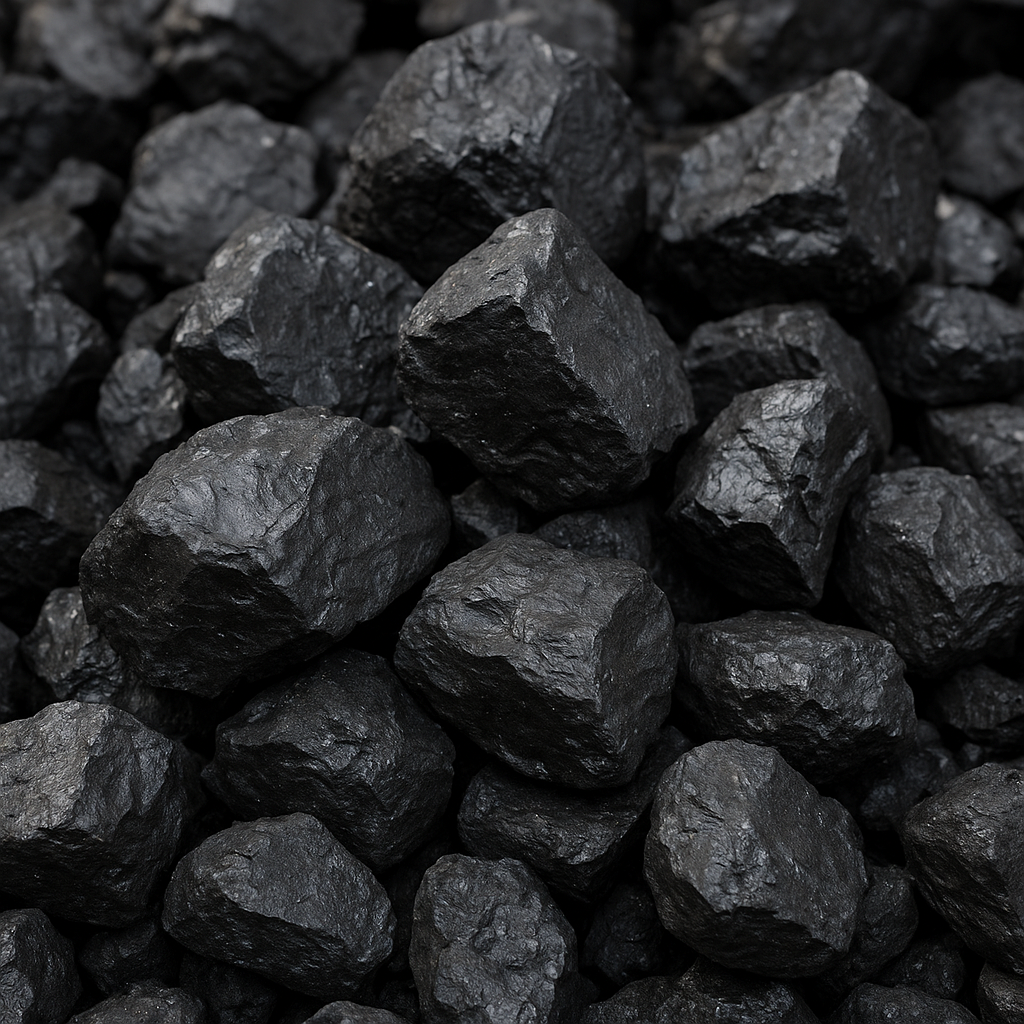
This article examines the properties, distribution, economic role and industrial significance of a category frequently referred to as G-grade coal. The term can have several meanings depending on national standards and commercial contexts, but generally denotes a type of coal traded for specific **industrial** purposes. Below you will find a detailed exploration of how G-grade coal is defined, where it occurs and is mined, how it is processed and used, and what it means for global energy, commodity markets and environmental policy. The goal is to present a balanced, pragmatic view combining geological, technical and economic perspectives so readers from industry, policy and academia can better understand the place of this coal grade in today’s energy landscape.
Definition, classification and typical properties
Coal is a sedimentary organic rock composed primarily of carbon along with varying amounts of hydrogen, oxygen, nitrogen and sulfur. The phrase G-grade is not a single internationally standardized geological classification like “lignite”, “sub‑bituminous”, “bituminous” or “anthracite”. Instead, it is most commonly used in commercial contracts and national grading systems to denote a coal with a particular set of qualities suitable for a narrow set of industrial uses—often thermal applications or certain gasification and industrial processes.
Depending on the supplier or country, G-grade may correspond to one of the following practical categories:
- Commercial shorthand for a mid-range thermal coal: moderate energy content, relatively low cost, widely used for electricity generation.
- Gasification-grade coal: properties optimized for coal-to-gas or coal-to-liquid conversion, often with specified ranges of moisture and volatile matter.
- A sizing or product classification in local markets indicating particle size and washability rather than rank.
Key technical parameters that determine where a G-grade coal sits in the coal hierarchy include:
- Calorific value (gross as received and dry basis) — the fundamental energy measure, often expressed in MJ/kg or kcal/kg.
- Moisture content — higher moisture reduces usable heating value and increases transport cost per unit energy.
- Ash content — affects fouling, slagging and the amount of residue after combustion.
- Sulfur content — relevant to emissions controls and compliance with environmental regulations.
- Volatile matter and fixed carbon — influence combustion behavior and suitability for certain industrial processes like coke production.
For practical orientation, G-grade coals traded as thermal or gasification grades often fall into the sub‑bituminous to medium bituminous range with approximate calorific values in the range of 18–25 MJ/kg (roughly 4,300–6,000 kcal/kg) on an as‑received basis. However, specific contractual specifications may narrow these bands significantly, for example requiring moisture below 20%, ash below 15% and sulfur under 1% for certain export markets.
Where G-grade coal occurs and where it is mined
Coal deposits form in basins where organic material accumulated under reducing conditions over geological time. The geographic distribution of coal is therefore linked to past depositional environments and tectonics. Broadly, major coal-bearing regions include eastern Asia, North America, central and eastern Europe, Australia, South Africa, parts of South America and Southeast Asia.
When discussing G-grade coal specifically, two observations matter:
- Most G-grade coals are produced in regions with large reserves of sub‑bituminous and bituminous coal, because those ranks best match the calorific and volatility ranges typical for G-grade specifications.
- Export-oriented G-grade supply often comes from countries with large low-cost operations and established logistics to international markets.
Principal producing regions that commonly supply mid-range thermal and gasification grades include:
- China — the world’s largest producer and consumer. Domestic grades cover the full spectrum from lignite to high‑rank bituminous; many medium-grade coals are reserved for domestic power and industrial users.
- Australia — a major exporter of both thermal and metallurgical coal; Queensland and New South Wales produce extensive volumes suited to export markets, including coals meeting common G-grade specifications.
- Indonesia — a leading exporter of low‑to-mid calorific thermal coal used widely across Asia.
- Russia — significant reserves of sub‑bituminous and bituminous coal; exports reach European, Asian and Middle Eastern markets.
- United States — large, diverse coal production serving domestic power generation and export markets; Powder River Basin (sub‑bituminous) is an important source of lower-rank thermal coals.
Several other countries (Colombia, South Africa, Poland, Kazakhstan, India) are important either for local G-grade supply or for specific industrial niches. Within each producing country, the occurrence of a particular grade is closely tied to basin geology, seam depth and local mining technologies (open-pit vs underground).
Mining, processing and quality control
Extraction and preparation methods for G-grade coal are similar to those for other thermal coals but are adapted to meet precise contractual specifications. Two dominant mining methods are used:
- Surface (open‑pit) mining — common for shallow, extensive seams; it yields large tonnages at relatively low unit cost and is often the source of bulk thermal coals sold into export markets.
- Underground mining — necessary where seams are deep or complex; typically more expensive per tonne but sometimes required to access higher quality seams.
After extraction, G-grade coal often undergoes a set of preparation steps to meet buyer expectations and regulatory limits:
- Crushing and screening to meet size specifications (e.g., lump, nut, fines).
- Washing and density separation to reduce ash and sulfur — improving calorific value and reducing emissions on combustion.
- Blending of different seam products to achieve a consistent specification, especially where a stable calorific value and sulfur target are required.
- Moisture control and drying in some cases, especially for coals destined for gasification or pulverised fuel applications.
Quality assurance uses standardized laboratory tests (proximate and ultimate analysis, calorimetry, petrographic analysis) and often contractual clauses for acceptable variances. Logistics — including stockpiling, shiploading and inland freight — is also central to delivering the agreed G-grade specification; storage and handling practices can affect moisture and spontaneous combustion risk.
Uses and significance in industry
G-grade coal is primarily used where a balance between cost and performance is required. Its principal applications include:
- Electricity generation — large coal-fired power plants commonly burn mid-range thermal coals; the predictability of calorific value and combustion behaviour makes G-grade types suitable for baseload and mid-merit generation.
- Industrial heat and steam — cement, pulp and paper, chemicals and other heavy industries use coal as an energy feedstock; certain G-grade coals meet temperature and slagging requirements for these processes.
- Coal gasification and chemicals — some G-grade coals are selected for gasification because they balance reactivity and ash behavior; syngas produced supports hydrogen, ammonia and liquid fuels synthesis.
- Certain niche metallurgical applications — while premium coking coals are required for steelmaking, blends including mid‑rank coals can be used in specific cokemaking or pulverised coal injection (PCI) strategies.
In short, G-grade coal occupies a valuable middle-ground: less costly than premium metallurgical coals but with sufficient energy density and manageable impurities to serve many heavy industrial needs. This makes it strategically important in regions with large industrial bases, limited access to natural gas, or where electricity grids rely on coal for stability.
Economic and statistical overview
Global coal markets remain large and dynamic. While long-term decarbonization goals in many countries aim to reduce coal use, coal still supplies a substantial share of energy and raw materials worldwide. Market forces affecting G-grade coal include production costs, exchange rates, freight logistics (notably maritime rates for exports), demand from power and industry, and policy signals such as carbon pricing and emissions restrictions.
Key statistical patterns relevant to G-grade coal:
- Production concentration — a small number of countries produce the majority of seaborne thermal coal; exporters such as Australia, Indonesia and Russia play outsized roles in setting benchmark prices and supplies for mid-range coals.
- Consumption patterns — China remains the single largest consumer and producer of coal, and its domestic policy choices strongly influence global trade flows. India is another major consumer with rapidly growing industrial energy demand.
- Price volatility — coal prices are sensitive to short-term disruptions (weather, mine accidents, transport bottlenecks), macroeconomic cycles and policy changes. Over the past decade, markets have seen wide swings that affect the economics of G-grade coal projects and contracting strategies.
- Trade balances — while some large producers are net exporters, many industrialized and developing economies are net importers of thermal coal to meet power and industrial needs.
As an illustrative context (figures approximate and indicative rather than prescriptive):
- Global primary coal production in the early 2020s was several billion tonnes per year, with production and consumption dominated by a handful of major producing and consuming countries.
- Thermal coal accounted for a sizable share of total coal markets; a significant portion of traded seaborne volumes consists of mid-grade thermal coals that fall into the practical market segment where G-grade is marketed.
For firms and governments, economic decisions about G-grade coal balance capital and operating costs of mining and preparation facilities, shipping and logistics, and compliance costs associated with emissions controls. Contracts for G-grade coal frequently specify indexation mechanisms, quality parameters, demurrage and force majeure clauses to manage market risk.
Environmental considerations and regulation
Any discussion of coal must directly address environmental impacts. Burning coal produces carbon dioxide, sulfur oxides, nitrogen oxides, particulate matter and trace metals. G-grade coal, as a thermal grade, contributes to these emissions when used for power or industrial heat. Key environmental and regulatory factors include:
- Greenhouse gas emissions and national climate targets — many jurisdictions are adopting policies (renewables deployment, carbon pricing, coal retirement schedules) that reduce long-term demand for thermal coals, including G-grade types.
- Air quality regulations — limits on SOx, NOx and particulates require investment in flue gas desulfurization, selective catalytic reduction and particulate control equipment, affecting the economics of burning higher-sulfur or higher-ash coals.
- Water and land impacts of mining — surface mining can disrupt landscapes and water systems; modern regulatory frameworks frequently require rehabilitation and water management plans.
- Lifecycle and supply-chain scrutiny — consumers and financiers increasingly evaluate coal projects for social and environmental governance performance; this influences access to capital and market participation for coal producers.
Technologies such as high-efficiency low-emission (HELE) coal plants, carbon capture and storage (CCS) and integration with industrial heat networks can mitigate some impacts. However, these options add cost and complexity and are not yet widely deployed at scale in many regions that consume G-grade coal.
Markets, trade patterns and future outlook
Traders, utilities and industrial buyers view G-grade coal through the lens of supply reliability, affordability and compatibility with plant designs. Two market trends are particularly relevant:
- Regionalization of markets — while seaborne trade links many regions, local supply and regulatory differences mean that G-grade coal markets can be regional. Asia-Pacific is a particularly large and dynamic region for mid-grade thermal coal demand.
- Policy-driven declines in some markets — OECD countries have been reducing coal’s share of power generation, while developing economies may continue to rely on coal for energy security and industrialisation in the medium term.
Outlook scenarios suggest that demand for mid-range thermal coals like G-grade will decline in regions aggressively pursuing net-zero targets, but could remain robust for several decades in parts of Asia, Africa and Latin America where industrial growth and electrification using dispatchable thermal generation are priorities. Continued investment in renewables, storage and grid flexibility may reduce the baseload role of coal, but transition timelines will vary by country.
Interesting technical and commercial facts
A few additional observations and lesser-known points that are relevant to G-grade coal:
- As-received vs dry-basis pricing — because moisture notably reduces delivered calorific value, many contracts and market indices carefully specify whether price and calorific content are quoted on an as‑received basis or adjusted to dry, ash‑free equivalence.
- Blending as a quality tool — producers often blend coals from different seams or mines to create a consistent G-grade product that meets both thermal and emissions-related specifications. Blending reduces volatility in delivery and facilitates long-term contracts.
- Logistics often defines competitiveness — the delivered cost of G-grade coal depends heavily on port access, rail infrastructure and marine freight. Producers close to deepwater ports or with captive rail networks enjoy substantial cost advantages.
- Contract structures — long-term take-or-pay contracts, spot market sales and index-linked pricing coexist; buyers that need stable supply and predictable heat content may prefer long-term structured contracts even when spot prices are low.
Concluding perspective
G-grade coal occupies an important niche in the global coal complex: sufficiently energetic and predictable for industrial and power use, but typically more affordable than premium metallurgical grades. Its exact definition varies by market, so careful specification of calorific value, moisture, ash and sulfur is essential in commercial dealings. Although the long-term trajectory of coal faces downward pressure from climate policy and the falling costs of alternatives, G-grade coal will likely remain a relevant commodity in many regions for years to come, especially where industrial energy demand and grid stability priorities continue to rely on coal-fired solutions.