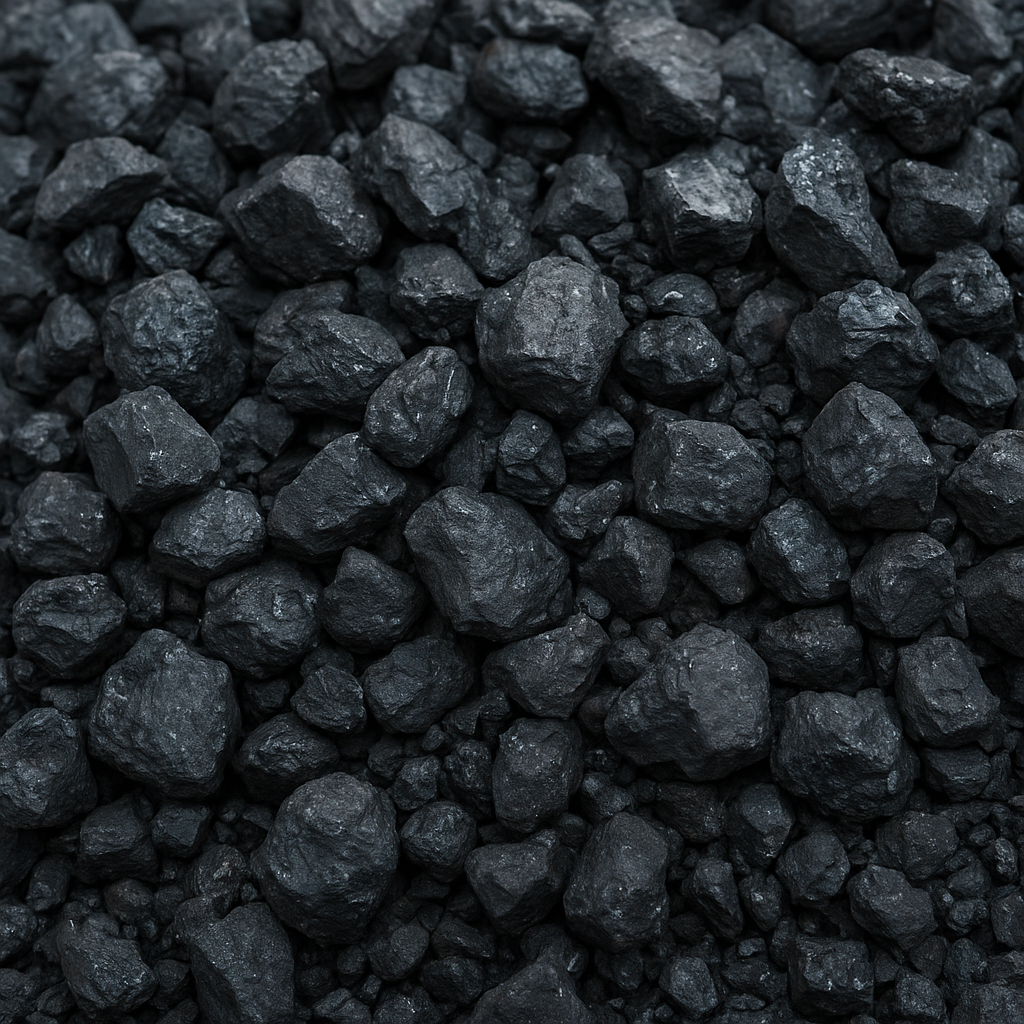
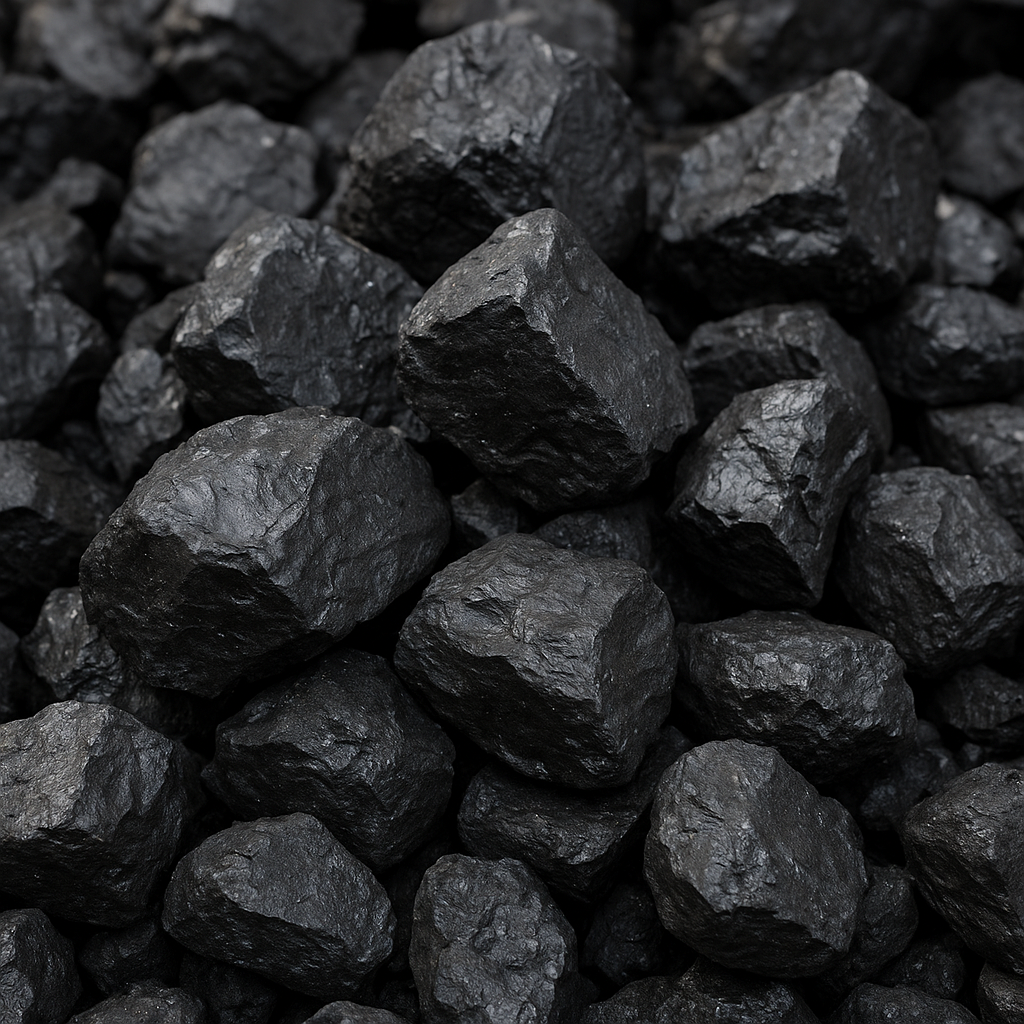
This article explores the characteristics, occurrence, production, economic role and industrial significance of what is commonly referred to as F-grade coal — a practical label used in some markets and grading systems to describe lower-rank, low-energy-density coals. The term is not universally standardized, but it typically points to coals with high moisture and ash content and relatively low calorific value. The text below summarizes geological settings, major producing regions, market and policy dynamics, technical uses and environmental implications, and highlights relevant technologies and trends surrounding this category of coal.
Definition, physical properties and classification
The designation “F-grade” is not part of a single global standard like the international classifications of coal rank (anthracite, bituminous, sub-bituminous, lignite). Instead, it is used in regional or commercial contexts to denote a class of inferior thermal coals — often synonymous with or overlapping low-rank categories such as lignite and low-volatile sub-bituminous coal. Typical attributes of such coals include:
- Low calorific value (heating value) per unit mass, often in the range associated with lignite and low-rank sub-bituminous coals (commonly below 18–20 MJ/kg on an as-received basis, though ranges vary by system).
- High moisture content, sometimes exceeding 20–40% by weight in freshly mined material.
- Elevated ash content and mineral matter, which reduces combustible fraction and increases residue from combustion.
- Relatively low fixed carbon and higher volatile matter than higher-rank coals, influencing combustion behavior.
- Typically exploited in near-surface deposits and often mined by open-pit methods.
Because of these physical and chemical attributes, F-grade coal is primarily a thermal (steam) fuel for electricity and heat production rather than a feedstock for metallurgical coke or high-value chemical processes that require higher-rank coals.
Where F-grade coal occurs and how it is mined
Geologically, the deposits that give rise to low-rank coals generally formed in younger sedimentary basins where peat layers were buried but did not undergo the higher temperatures and pressures necessary to mature into bituminous coal or anthracite. These depositional settings frequently include fluvial, lacustrine and deltaic environments. The geographic distribution of low-rank coals is wide and includes Europe, North America, Russia, China, India and Australia.
Key regions and representative mines or basins
- Europe: Large lignite basins in Germany (Rhenish and Lusatia basins) and Poland (notably the Bełchatów mine) are classic examples. Germany’s open-cast mines such as Garzweiler and Hambach supplied major lignite-fired power plants for decades.
- Poland: The Bełchatów mine is one of Europe’s largest open-pit lignite mines and fuels the Bełchatów power station, historically among Europe’s largest single-site thermal power installations.
- Australia: The state of Victoria contains substantial brown coal (lignite) resources — for example, the Loy Yang and Yallourn complexes — mainly used for local power generation due to low energy density and high moisture making long-distance transport uneconomic.
- United States: Lignite fields in North Dakota, Texas and adjacent states are mined both for mine-mouth power generation and, in some cases, for domestic industrial use. US lignite is typically produced by large surface operations.
- Russia and Kazakhstan: Large basins with significant volumes of low-rank coal used both domestically and in regional markets.
- China and India: Extensive low-rank coal resources exist; China in particular exploits a wide range of coal types and has many localized low-rank deposits used by regional power plants and industry.
- Indonesia: While Indonesia is famous for exporting thermal coal of various ranks, it also produces lower-grade thermal coals used domestically and blended for export.
Mining methods for F-grade coals are predominantly surface mining (open-pit or opencast) when seams are near the surface. Underground methods are less common but can occur where seams dip and are thicker. Because these coals are often used close to the mine, many power stations are built as mine-mouth plants to minimize transport costs and energy losses associated with moving low-energy-density fuel.
Economic and market aspects
On a per-tonne basis, F-grade coals are generally cheaper than higher-rank coals due to lower energy content and lower demand in high-value markets (metallurgical, certain industrial uses). However, on a per-unit-of-energy basis the effective cost can be comparable or higher because more fuel is needed to produce the same amount of thermal energy. Key economic features include:
- Low capital intensity for mining in large open pits but higher operational costs per energy unit due to hauling and handling larger volumes.
- Strong incentives for mine-mouth power plants and district heating systems to reduce transport and handling costs.
- Often local or national strategic significance — in some countries lignite is prized for energy security because its deposits are abundant, domestically controllable and can underwrite baseload power generation.
- Because of environmental regulation and carbon pricing in many markets, the long-term economic viability of low-rank coal operations is under pressure, especially in jurisdictions pursuing rapid decarbonization.
Market size and statistics (generalized context)
Global coal production in the 2010s–2020s typically ranged several billion tonnes per year. Thermal coal constitutes the majority of this production, with the remainder being metallurgical coal for steelmaking. Within this overall picture, lower-rank thermal coals (the category that would include typical F-grade material) constitute a meaningful but variable share — highly dependent on regional geology and energy mix. In some countries (Germany, Poland, Australia’s brown-coal regions, parts of the US), low-rank coal can account for a significant fraction of domestic coal production and fuel supply. In many export markets, higher-energy thermal coals are preferred due to shipping economics.
Examples that indicate scale and economic role:
- Large lignite-fired power stations like Bełchatów (Poland) and Loy Yang (Australia) have capacities in the multi-gigawatt range and consume tens of millions of tonnes of lignite annually when operating at full load.
- National production of lignite in European countries historically has been in the dozens to hundreds of millions of tonnes per year, supporting local electricity grids and regional industries.
- While global investment trends increasingly favor renewables and gas in many markets, low-rank coal remains economically important in regions with cheap domestic reserves and limited alternatives, especially where it underpins local employment and economic activity.
Industrial uses and technological adaptations
Given the limitations of F-grade coal for high-temperature metallurgical processes, its primary industrial uses are thermal: electricity generation, combined heat and power (CHP), district heating and certain industrial boilers. To make low-grade coals more suitable for combustion or transport, a number of technologies are applied:
- Beneficiation — physical cleaning and separation methods to reduce ash and contaminants, improving calorific value per tonne.
- Drying and torrefaction — thermal pre-treatment to lower moisture content and increase energy density, facilitating handling and transport.
- Briquetting and pelletizing — densification processes that improve fuel handling, reduce dust and create more uniform feedstock for boilers.
- Circulating fluidized bed (CFB) combustion and bubbling fluidized bed boilers — combustion technologies tolerant of high ash and moisture that allow relatively clean and flexible operation compared to traditional pulverized coal boilers.
- Gasification and integrated gasification combined cycle (IGCC) — converting low-grade coal into a syngas suitable for power generation or chemical synthesis; though capital intensive, gasification can enable more efficient and lower-emission use of poorer coals.
- Carbon capture and storage (CCS) — while challenging and expensive, CCS is sometimes discussed as a mitigation pathway if coal-fired facilities remain in operation and emissions must be reduced.
These adaptations are used to varying degrees depending on national policy, the economics of upgrading relative to transporting higher-quality coal, and environmental regulatory frameworks.
Environmental implications and regulatory pressures
Compared with higher-grade coals, F-grade coals typically impose greater environmental burdens per unit of useful energy produced, for several reasons:
- Higher moisture and lower calorific value mean more fuel must be combusted to produce the same heat or electricity, increasing CO2 emissions per MWh unless offset by highly efficient conversion technologies.
- Higher ash content raises the volume of solid residues needing disposal and can increase particulate emissions if not well controlled.
- Lower combustion temperatures and specific sulfur and nitrogen profiles can require tailored flue gas cleaning to meet emissions standards.
Policy responses in many jurisdictions include phased closures of lignite mines and lignite-fired plants, closure schedules for the most polluting facilities, emissions trading systems, and subsidies or investments to support alternative energy sources in affected regions. At the same time, where energy security and local employment are priorities, governments have sometimes protected domestic lignite industries or provided transition support for workers and communities.
Socioeconomic and regional impacts
F-grade coal mining and use can be economically significant at the regional level. Typical socioeconomic effects include:
- Employment and local economic activity tied to mines, power plants, and associated logistics and services.
- Large land-use changes from open-pit mining, with implications for landscape, agriculture and community displacement in some regions.
- Public health considerations in mining regions and near power stations due to particulate and other air pollutants, prompting social debates and regulatory responses.
- In regions where coal is a major employer, the transition away from low-rank coal can be politically sensitive and requires well-designed workforce transition policies and economic diversification strategies.
Interesting technical and historical notes
Several features make the story of F-grade coal notable beyond its basic role as a low-cost fuel:
- Mine-mouth power stations: Because of transport inefficiencies for low-energy coal, some of the world’s largest single-site thermal complexes are integrated directly with large open-cast lignite mines (e.g., Bełchatów, Loy Yang). This configuration minimizes transport costs and creates unique logistical ecosystems.
- Landscape transformation: Large-scale open-pit lignite mining has reshaped entire regions in central Europe and elsewhere; some former mining sites have been rehabilitated into lakes, parks and industrial estates after mine closure.
- Technical resilience: Fluidized-bed combustion and other combustion technologies developed in part to make lower-quality coals usable have proved adaptable for variety of fuels, improving fuel flexibility in power systems.
- Energy security trade-offs: For some countries, domestic lignite reserves provided centuries of fuel independence and were central to national energy strategies before the recent rise of concerns about greenhouse gas emissions.
Future outlook and trends
The trajectory for F-grade coal is shaped by three interacting forces: economics, technology and policy.
- Economics: As renewable energy costs have fallen and gas-fired generation in many regions offers flexible, lower-emissions back-up, the competitive advantage of low-cost but low-quality coal has shrunk for grid-scale generation that is integrated into regional markets.
- Technology: Upgrading technologies (drying, briquetting, gasification) could extend the practical utility of low-grade coals, but such measures require capital investment and are not always economically viable compared with alternatives.
- Policy and climate goals: Strong climate policies, carbon pricing and stringent air quality standards exert pressure on continued use of low-rank coal. Regions seeking to meet net-zero targets will increasingly retire or retrofit coal-fired facilities, including those burning F-grade material.
Consequently, the likely near- to medium-term future is a mosaic: in some countries F-grade coal will decline rapidly due to policy and market forces; in others, notably where domestic abundance and limited alternatives exist, it will remain a transitional fuel for years to come, perhaps with incremental technological upgrades to reduce local pollution and improve efficiency.
Practical guidance for stakeholders
For policymakers, communities and companies involved with F-grade coal, a few strategic considerations are critical:
- Assess the true energy cost per unit of delivered electricity or heat, not only the per-tonne mine gate price, when making investment decisions.
- Prioritize technologies that match fuel characteristics — for example, fluidized-bed boilers for high-ash, high-moisture fuels — if continued use is planned.
- Plan for land rehabilitation and worker transition in mine-dependent regions to address long-term socioeconomic impacts.
- Consider modular or staged investments in upgrading (drying, briquetting, gasification) only where clear markets and cost-benefit cases exist.
- Where climate commitments are binding, include coal-phase-out timetables, retirement pathways for plant fleets and investment in alternative energy and grid flexibility.
Summary
F-grade coal represents a class of low-rank, low-energy-density coals often characterized by high moisture and ash and a modest calorific value. It is abundant in many parts of the world and has been historically important for local power plants and heating, especially where deposits are near-surface and easily mined by open-pit methods. Economically attractive on a per-tonne basis, it can be less competitive when judged per unit of energy and face increasing pressure from environmental regulation and the global shift toward decarbonization. Technological responses — from beneficiation to fluidized-bed combustion and gasification — can mitigate some limitations, but the long-term future of F-grade coal will largely depend on national energy policies, climate goals and the pace of deployment of lower-emission alternatives.