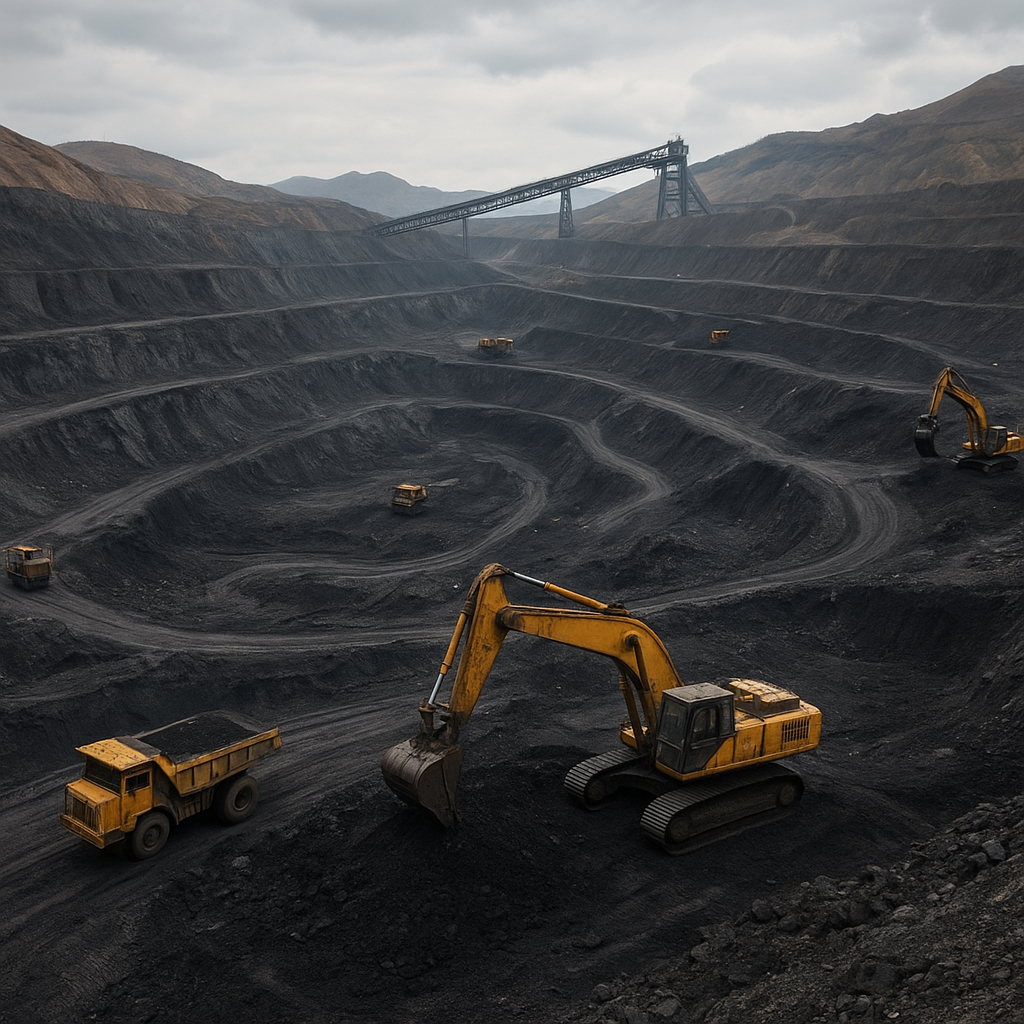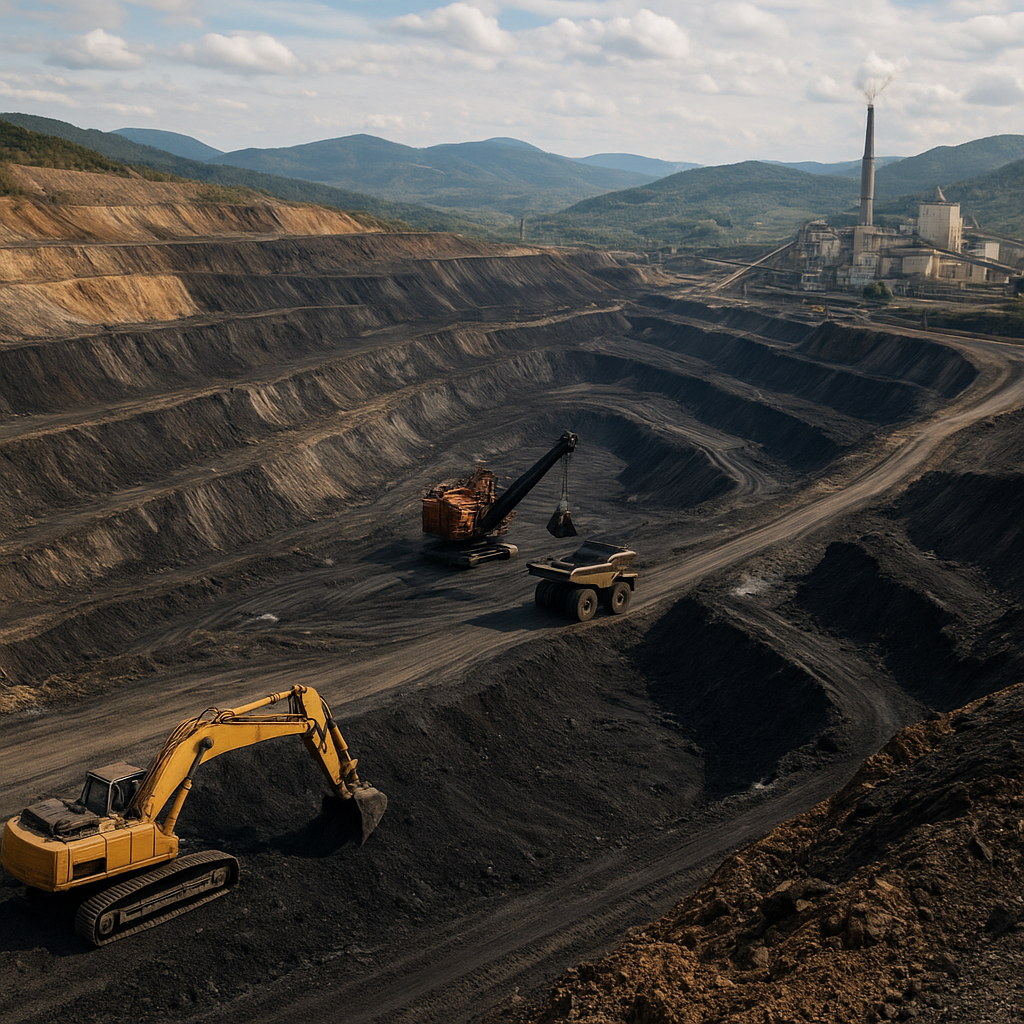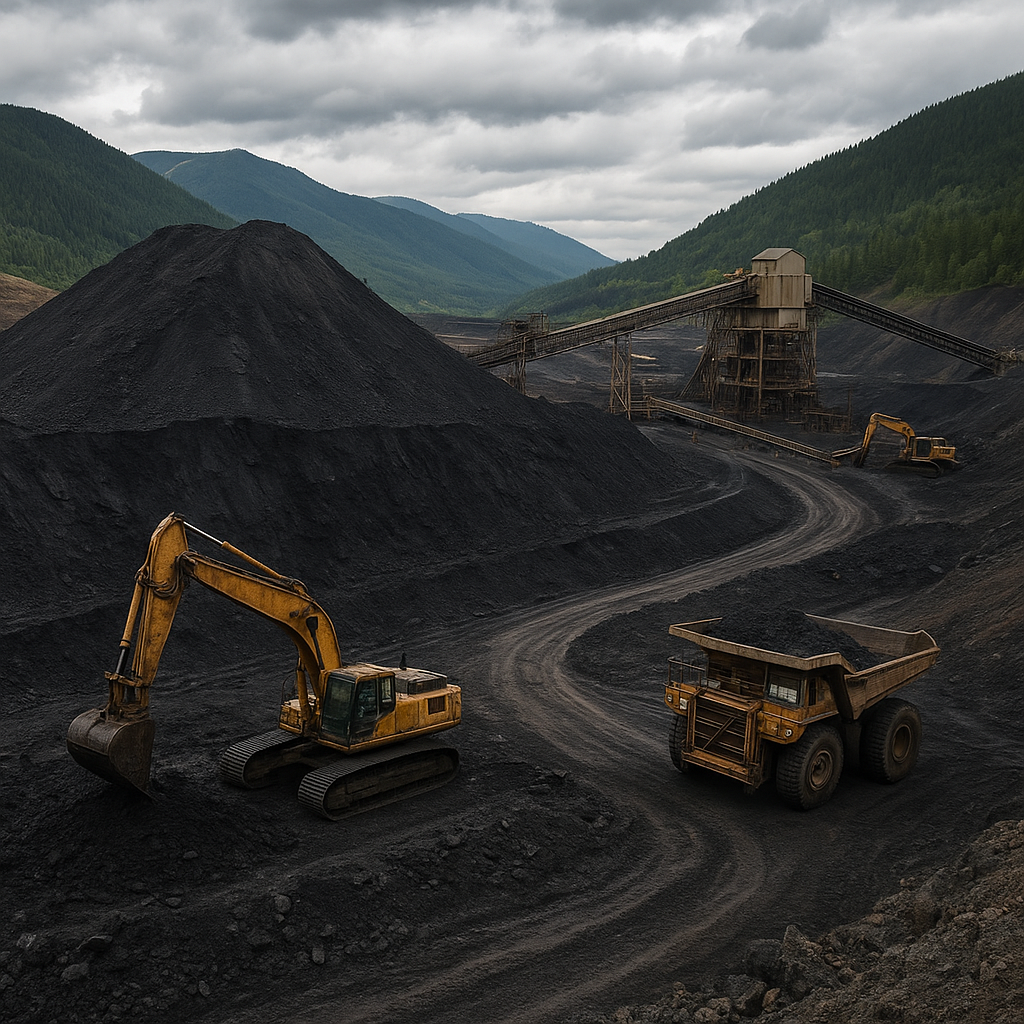
The Coal Mountain Mine is a notable example of Canada’s long-standing relationship with coal extraction. Situated within one of the country’s most productive coal-bearing regions, this site represents both the historic importance of coal to local economies and the modern tensions between resource development, environmental stewardship, and shifting global energy markets. The following article explores the mine’s location and geology, the types of coal produced, economic and statistical information, its role in the industry, environmental and social considerations, and prospects for the future.
Location and geological setting
The Coal Mountain Mine is located in southeastern British Columbia’s interior mountain region, within the region widely known as the Elk Valley (near the town of Sparwood and the municipality of Fernie). This area is part of the Western Canada Sedimentary Basin and is characterized by a complex succession of sedimentary rocks deposited during the Mesozoic and Cenozoic eras. The valley hosts several thick, laterally extensive coal seams that have been the foundation for multiple mining operations for over a century.
Geologically, the coal seams in this part of British Columbia formed from peat accumulated in coastal swamps and deltaic environments. Over millions of years of burial, heat, and pressure, the peat transformed into bituminous coals, with sections achieving properties desirable for metallurgical (coking) uses. Typical structural settings include gently folded and faulted strata in valley- and slope-controlled deposits; mines exploit seams via open-pit and underground methods depending on seam depth and orientation.
What is extracted — coal type and quality
At Coal Mountain Mine the primary product is high-grade bituminous coal, with a significant proportion suitable for metallurgical uses, commonly known as coking coal. Metallurgical coal is used to produce coke, an essential input in steelmaking. In addition to metallurgical grades, the regional resource includes thermal coal suitable for electricity generation and industrial heat applications, though metallurgical coal tends to dominate operations because of its higher market value.
- Rank and calorific value: The coal from this region generally ranks as medium- to high-volatile bituminous coal with calorific values that make it competitive in international coking coal markets.
- Volatile matter and ash: Many seams in the Elk Valley area have relatively low ash and favorable volatile content for coke production, but variability exists seam-to-seam and must be assessed during mine planning.
- Sulfur and impurities: Sulfur levels in British Columbia metallurgical coals are often moderate to low, which is attractive for steelmakers seeking cleaner coking inputs, although some washing and preparation are typically needed to meet stringent off-take specifications.
Production, economic importance, and statistics
Coal Mountain Mine contributes to a broader regional coal industry that is a major economic driver in southeastern British Columbia. While production figures for a single site can vary from year to year depending on market demand and operational factors, the Elk Valley as a whole has historically produced tens of millions of tonnes of metallurgical coal annually. The mine’s outputs feed both domestic metallurgical needs and international export markets, particularly in Asia and other steel-producing regions.
Key economic characteristics include:
- Employment: Coal operations in the region are significant local employers. A single mine like Coal Mountain typically supports hundreds of direct jobs (from underground and surface operations to processing and maintenance) and many more in supporting services such as transportation, equipment supply, and local retail.
- Revenue and exports: Metallurgical coal commands premium prices compared to thermal coal, making mines that produce high-quality coking coal important contributors to regional revenue and provincial royalties. British Columbia is one of Canada’s leading exporters of metallurgical coal, accounting for a large share of Canadian coal export value.
- Taxes and royalties: Provincial royalties and corporate taxes from coal mining operations contribute meaningful sums to provincial budgets, and municipal governments receive benefits in the form of employment and local business activity.
National and regional statistics that help contextualize Coal Mountain’s importance:
- Over the past decade, Canada’s coal production has been dominated by British Columbia and Alberta, with British Columbia supplying the majority of high-quality metallurgical coal destined for export markets.
- Metallurgical coal has comprised a substantial portion of Canada’s coal export revenue; fluctuations in global steel demand and pricing can cause significant swings in annual earnings for the sector.
- Investment in coal infrastructure—rail, ports, and coal handling facilities—has been developed largely around consistent flows of export metallurgical coal from the Elk Valley and surrounding basins.
Role in the steel and broader industrial sectors
Coal Mountain Mine operates within the supply chain for global steelmaking. The coal from such mines is often blended and processed at coal preparation plants to meet strict specifications required by steel producers. The significance of a mine like Coal Mountain stems from several features:
- High-quality feedstock: Metallurgical coal is indispensable for traditional blast-furnace steel production. While alternatives like electric-arc furnaces using scrap steel exist, the global demand for high-grade metallurgical coal remains strong because of the scale and design of many steelworks worldwide.
- Supply security: Mines in Canada provide an important diversified source of coking coal for global buyers, reducing reliance on a limited set of producing countries.
- Value chains: The mine supports ancillary industries—rail operators, port terminals, shipping companies, and steelmakers—creating a value chain that extends far beyond the mine gate.
Environmental management, reclamation, and social considerations
Mining at Coal Mountain, like other modern Canadian coal operations, takes place under rigorous regulatory frameworks aimed at protecting water, air, and biodiversity. Environmental management is a major component of operational planning and ongoing activity. Key aspects include water treatment, dust control, progressive reclamation, and monitoring of downstream aquatic ecosystems.
- Water quality: Coal mining in mountainous watersheds requires careful control of runoff and sediment to prevent turbidity and contaminant transport into streams used by fish and communities. Water treatment plants and sealed tailings systems are often employed.
- Reclamation: Progressive reclamation—restoring mined areas as operations continue—is standard practice. Reclaimed lands may be reforested, returned to wetlands, or repurposed for community uses depending on post-mining land-use plans.
- Emissions and climate issues: Coal mining produces greenhouse gases and methane emissions; many Canadian coal operators monitor and implement mitigation measures. The debate over coal’s climate impacts has intensified pressure on the industry to reduce carbon footprints and to participate in research on low-emissions steelmaking pathways.
- Indigenous and community relations: Mines operate within territories used by Indigenous Peoples and local communities. Modern operations typically establish consultation protocols, benefit agreements, and employment/training programs. Social license to operate is a crucial factor shaping project approvals and ongoing acceptance.
Safety, technology, and operational practices
Safety is a core priority at contemporary coal mines. Technologies and practices in place at sites like Coal Mountain reflect decades of industry learning and innovation:
- Automation and remote operations: The use of automated haul trucks, remote-controlled loaders, and advanced fleet management improves efficiency and reduces occupational exposure to hazards.
- Geotechnical monitoring: Slope stability monitoring, seismic sensors, and real-time data analytics are used to manage risk in both open-pit and underground settings.
- Processing technology: Coal preparation plants use washing, dense media separation, and fine-coal recovery to maximize yield and meet customer specifications while reducing ash and sulfur levels.
- Training and safety culture: Continuous training, safety leadership programs, and incident reporting systems are critical to maintaining low injury rates and rapid emergency response capabilities.
Economic resilience and market dynamics
Coal Mountain operates within global commodity cycles. Its viability depends on factors such as:
- Steel demand: Global infrastructure and manufacturing activity drives demand for coking coal. Upswings in construction and durable goods create stronger markets, while slowdowns reduce prices and throughput.
- Competition: Other major producers—Australia, the United States, Russia, and Colombia—compete in metallurgical coal markets. Logistics costs, quality differences, and contractual relationships all influence trade flows.
- Price volatility: Metallurgical coal prices can be volatile; mines often manage exposure through long-term contracts as well as spot-market sales.
- Policy environment: Carbon pricing, export regulations, and permitting rules affect operating costs and project economics. Progressive environmental standards can increase capital and operating expenditures but also open doors to premium markets demanding responsibly sourced raw materials.
Interesting facts and community impacts
Noteworthy aspects of Coal Mountain and similar mines include:
- Historic roots: Coal towns in the Elk Valley emerged in the late 19th and early 20th centuries; many communities retain cultural ties to mining heritage while diversifying local economies.
- Infrastructure integration: Coal operations helped justify rail and port infrastructure investments that later supported other resource sectors and regional development.
- Reclamation success stories: In many areas, progressive reclamation has restored wildlife habitat, fisheries access, and recreational land uses, demonstrating that post-mining landscapes can be productive and ecologically functional.
- Research collaboration: Mines in the region often partner with universities and government agencies on studies of watershed health, reclamation techniques, and emissions mitigation.
Future outlook and challenges
The future of Coal Mountain Mine will be shaped by a mix of market, regulatory, technological, and social factors. Key points include:
- Decarbonization pressures: As global efforts to reduce carbon emissions accelerate, demand patterns for metallurgical coal could change. However, short- to medium-term projections still show continued need for high-quality coking coal unless low-emissions steel technologies scale rapidly.
- Technology-driven transition: Advances in hydrogen-based steelmaking, carbon capture, and material substitution may reduce long-term metallurgical coal demand; mines will need to adapt to a changing market by improving efficiency, reducing emissions, and potentially diversifying.
- Community and Indigenous partnerships: Strong, constructive relationships with local and Indigenous communities will be crucial for securing operating continuity and ensuring equitable benefit sharing.
- Regulatory environment: Policy changes on water protection, land-use planning, and greenhouse gas controls could alter operational parameters and capital planning requirements.
Conclusion
Coal Mountain Mine exemplifies the complexity of modern coal mining in Canada: it is a source of valuable metallurgical coal that supports regional employment, provincial revenues, and global steel production, while simultaneously facing environmental constraints and the long-term challenge of carbon reduction. Its continued operation depends on balancing economic benefits with rigorous environmental management, meaningful community engagement, and adaptation to evolving market and technological landscapes. As the global steel industry evolves, mines like Coal Mountain will play a critical role in determining how traditional resource sectors can transition responsibly and sustainably.
Elk Valley metallurgical coking coal exports employment reclamation water automation emissions community