Caval Ridge Mine is a notable open-cut coal operation located in the heart of Australia’s rich coal-producing region. This article examines the mine’s geography, geology, production profile, economic role, environmental management and future outlook. It draws on public information about mining practices in the Bowen Basin and the typical characteristics of metallurgical coal operations, highlighting the mine’s position within domestic and global coal markets, infrastructure links, and community context. The aim is to provide a rounded, fact-based picture of Caval Ridge’s importance to the Australian resources sector and the regional economy.
Location and geological setting
Caval Ridge Mine sits within the central part of Queensland’s Bowen Basin, one of the world’s most significant coal-bearing basins. The mine is positioned in an area characterised by well-developed transport links to coastal ports and by a landscape shaped by long-term sedimentary deposition that created extensive coal seams. The Bowen Basin extends across a large part of central Queensland and hosts a concentration of both thermal and metallurgical coal deposits that serve domestic power generation and global steelmaking markets.
Local geography and infrastructure
- The mine is accessible via the regional road network and connected to the coal rail system that links Bowen Basin operations to Queensland’s major coal export terminals near Mackay and the Whitsunday coast.
- Rail capacity and coal handling facilities are crucial to the mine’s export capability. Coal from mines in this region is typically railed to terminals such as the Dalrymple Bay Coal Terminal (DBCT) and other nearby export facilities.
- Proximity to regional service towns provides a workforce base and logistical support for heavy equipment, supplies and contracting services.
Geology and coal characteristics
The geology of the area is dominated by Permian-age sedimentary rocks, with multiple stacked coal seams that vary in thickness and quality. Caval Ridge targets seams that produce high-quality coking coal — coal that, when processed, yields coke used in steelmaking. Characteristics typically sought in metallurgical coal from the Bowen Basin include relatively low ash and sulfur content, appropriate volatile matter, and good coking properties that meet the specifications of blast furnace and direct reduced iron (DRI) processes.
History, development and operations
Caval Ridge was advanced as part of broader investment in the Bowen Basin that expanded Australia’s metallurgical coal production in the early 21st century. The mine’s development included establishment of open-cut pits, processing infrastructure (crushing, screening, and wash plants), rail load-out facilities, and supporting services. Construction and commissioning phases involved major contractors and capital investment, reflecting the scale and complexity of modern large-scale coal operations.
Mining method and processing
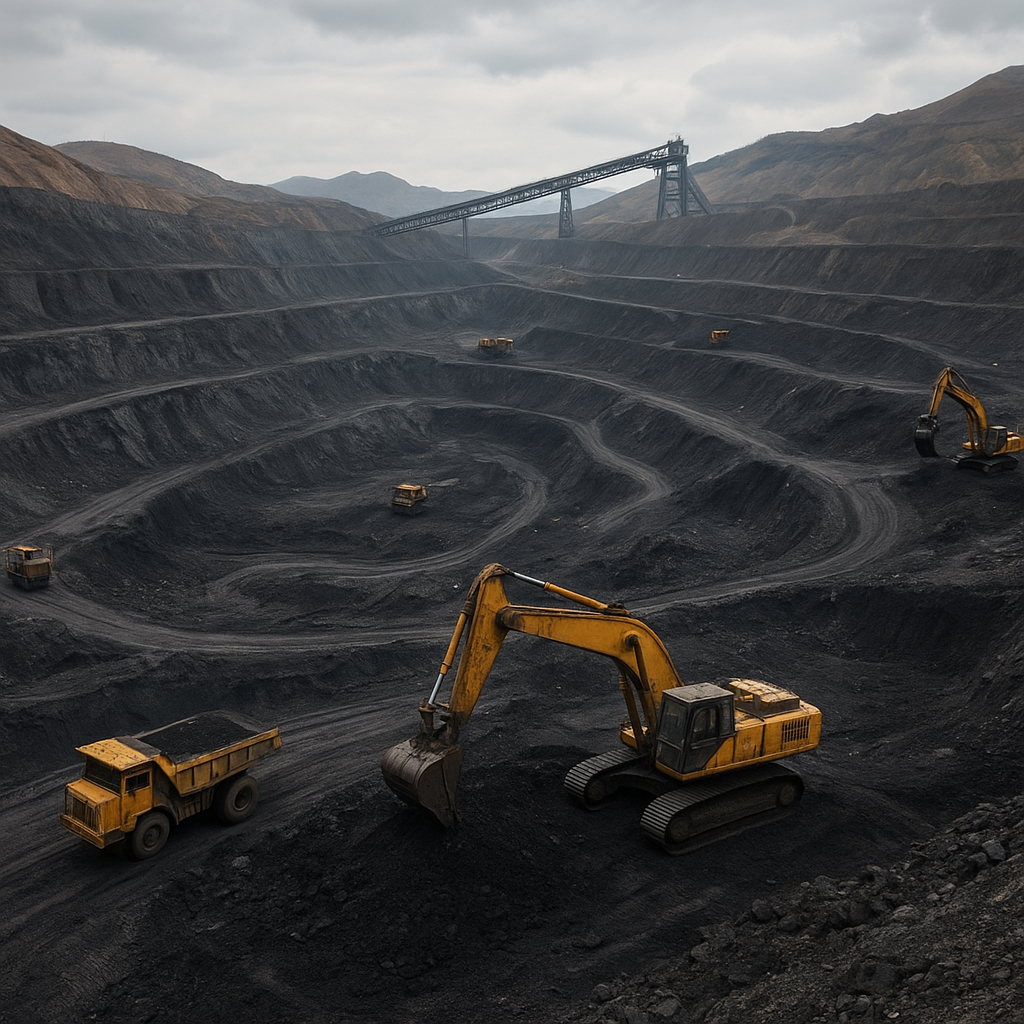
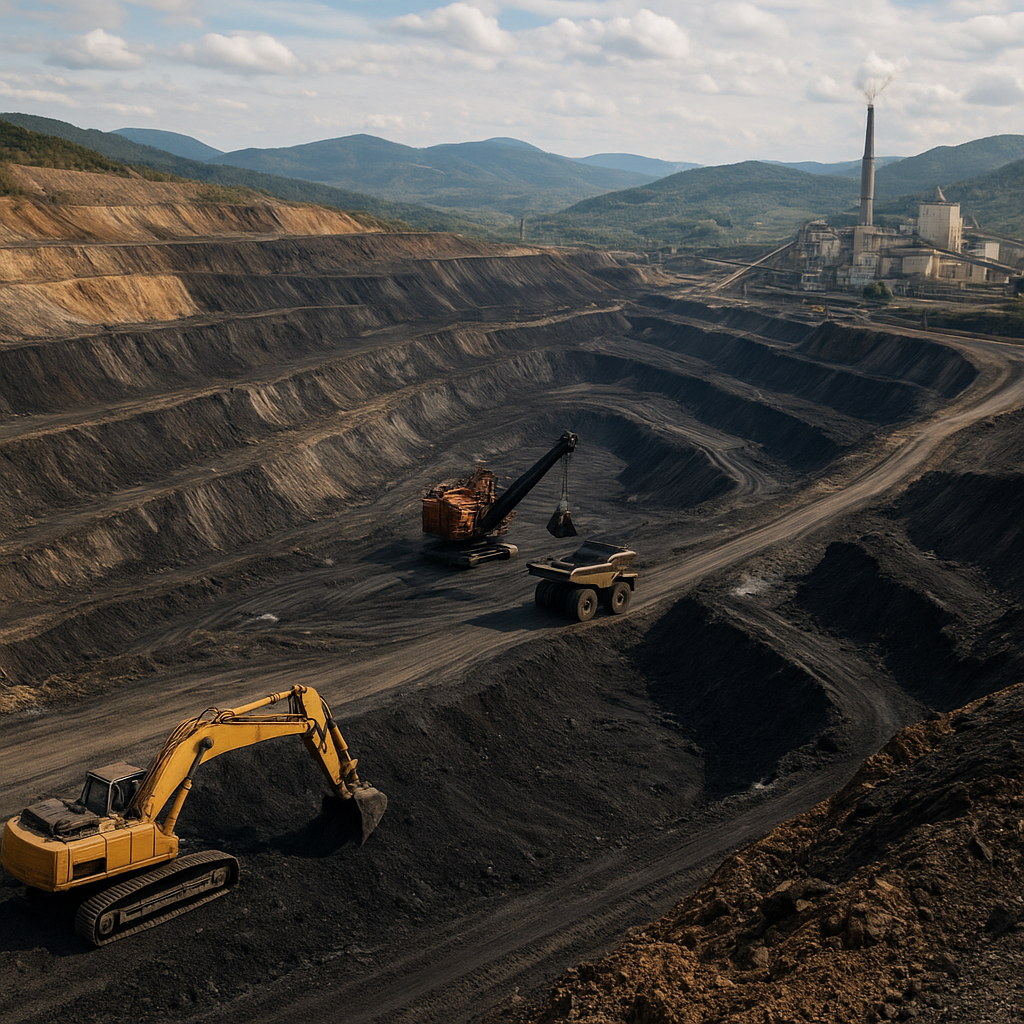
- The operation is an open-cut mine, employing large earth-moving equipment (dozers, excavators, haul trucks) to extract run-of-mine coal.
- Once mined, coal is processed through a preparation plant to remove impurities and produce saleable product streams—typically a range of metallurgical coal grades.
- Quality control, sampling and laboratory testing are integral to delivering consistent product quality to buyers in international markets.
Workforce and contracting
Like other mines in the region, Caval Ridge combines a direct workforce and a significant number of contractor personnel. The operation supports employment in engineering, equipment maintenance, geotechnical monitoring, processing plant operation, environmental management and logistics. Fly-in fly-out (FIFO) and drive-in drive-out (DIDO) arrangements are commonly used to staff shifts, supplemented by local hires for specialist and administrative roles.
Coal types, grades and markets
Caval Ridge is primarily focused on supplying metallurgical coal grades used in steel production. These products typically include hard coking coal (HCC), semi-soft coking coal (SSCC), and sometimes pulverised coal injection (PCI) coal, depending on seam characteristics and processing outcomes.
Product specifications and buyers
- Product specifications emphasise low ash, low sulfur, and suitable volatile matter ranges to meet steelmakers’ metallurgical requirements.
- Major buyers are steel producers and traders across Asia (notably Japan, South Korea, China, India and Southeast Asia) where Australian metallurgical coal is in high demand for blast furnace and DRI applications.
- Contract structures typically mix long-term offtake agreements and shorter-term spot sales to balance market exposure and revenue certainty.
Economic and regional significance
Caval Ridge contributes to the regional and national economy through direct employment, capital expenditure, operating expenditure and royalties paid to government. Coal exports are a cornerstone of Queensland’s resource-led economy, and metallurgical coal—such as that produced by Caval Ridge—commands strong prices relative to thermal coal because of its critical role in steelmaking.
Revenue, production capacity and financial impact
While specific year-by-year financials for the mine vary with commodity prices and production levels, a few general points can be made:
- Production capacity for mines of this type in the Bowen Basin is often in the low millions of tonnes per annum (Mtpa) of saleable product; Caval Ridge was developed with the intention of being a multi-million-tonne operation capable of supplying international markets.
- Revenue is influenced by global metallurgical coal prices, freight and port costs, and the quality premium obtained for low-ash, low-sulfur coking coal.
- Royalty and tax payments to the Queensland and federal governments are part of the mine’s fiscal contributions, supporting public services and infrastructure at regional and national levels.
Regional development and local benefits
The mine supports local businesses through procurement of goods and services, stimulates development of regional infrastructure (roads, utilities, housing) and contributes to community programs. Local councils and state agencies commonly engage with mining companies on workforce planning, housing, and service delivery to manage the economic booms and troughs associated with resource projects.
Environmental management and sustainability initiatives
Modern mining operations operate under stringent environmental regulation and must implement comprehensive management systems. Caval Ridge, like its regional peers, follows regulatory frameworks that cover rehabilitation, water management, dust control, noise mitigation and biodiversity offsetting where required.
Key environmental controls
- Progressive rehabilitation of disturbed areas to return land to agreed post-mining land uses, which may include grazing, conservation or other community-approved outcomes.
- Water management systems designed to separate clean runoff from mine-affected water, with sedimentation ponds, controlled discharge and monitoring programs.
- Air quality monitoring to manage dust emissions from mining, haul roads and coal processing; controls include water sprays, covered conveyors and sealed haul routes.
- Noise and amenity management to protect nearby communities and ensure compliance with statutory limits.
Climate and emissions context
Coal mines and coal-fired steelmaking are significant sources of greenhouse gas emissions. Operators increasingly report on emissions intensity, energy efficiency measures and participation in industry initiatives aimed at reducing lifecycle emissions. For metallurgical coal, market shifts toward lower-emissions steelmaking and greater scrutiny of supply chains mean that producers are engaging with buyers on traceability, emissions reporting and potential future solutions such as low-emissions coke and hydrogen-based steelmaking pathways.
Regulatory framework and social license
Caval Ridge operates under Queensland’s legislative and regulatory regimes for mining, environmental protection and workplace safety. Maintaining a social license to operate involves consultation with traditional landowners, local communities and stakeholders, and the delivery of agreed community benefits, including employment and social investment.
Indigenous engagement and cultural heritage
Respectful engagement with Indigenous communities and cultural heritage protections are integral components of contemporary mining projects. Cultural heritage surveys, protocols for unexpected finds and negotiated agreements are standard practice in the Bowen Basin region to ensure cultural values are protected.
Statistics, production figures and notable milestones
Publicly available information about specific production figures and milestones can vary over time with market conditions and operational changes. Some generally reported points include:
- Commissioning: The mine reached commercial operations in the mid-2010s after a multi-year development program and construction of associated processing and rail infrastructure.
- Production scale: Designed as a multi-million-tonne operation producing metallurgical coal for the export market; typical namesake mines in the Bowen Basin are often sized in the range of several million tonnes per year of saleable coal.
- Supply chain: Coal from the mine is integrated into Queensland’s export system via rail haulage to coastal coal terminals, enabling access to Asian steel markets.
Exact annual production, reserve estimates, and capital expenditure figures can be found in corporate reports and regulatory filings associated with the mine operator. These documents provide audited production volumes, reserve and resource statements, operating costs, and environmental performance indicators.
Industry significance and market dynamics
Caval Ridge contributes to the broader metallurgical coal supply that underpins global steelmaking. Australian metallurgical coal is prized for its consistent quality and reliability of supply. Key industry dynamics affecting the mine include:
- Global steel demand trends, especially in Asia, which directly influence metallurgical coal prices and long-term offtake decisions.
- Competition among major Australian producers in the Bowen Basin and export logistics constraints at ports and on rail networks.
- Shifts in steelmaking technology and decarbonisation strategies which may alter demand patterns for different coal qualities over coming decades.
Challenges, risks and opportunities
Like all large mining operations, Caval Ridge faces a mix of operational, market, environmental and regulatory risks, alongside opportunities for innovation and value creation:
Risks
- Commodity price volatility that can affect revenue and investment plans.
- Operational risks such as geotechnical issues, equipment reliability and workforce availability.
- Environmental and social expectations that may increase compliance costs or require additional mitigation measures.
Opportunities
- Process optimisation and mechanisation to improve productivity and reduce unit costs.
- Further beneficiation and product diversification to supply a broader set of steelmaking customers.
- Participation in low-emissions initiatives and enhanced reporting to meet buyer and investor demands for sustainable supply chains.
Future outlook
The future outlook for Caval Ridge will be shaped by global steel demand, the trajectory of metallurgical coal prices, and regional infrastructure constraints or expansions. Continued investment in mining technology, environmental management and stakeholder engagement can strengthen the mine’s operational resilience and market position.
Transition considerations
Long-term considerations include how metallurgical coal producers adapt to decarbonising steelmaking. While metallurgical coal is expected to remain an input for certain steelmaking technologies for decades, evolving processes (e.g., hydrogen-based DRI and electric arc furnace use of scrap steel) will influence demand composition. Producers that can demonstrate responsible environmental management and provide lower-emission supply options will have a competitive advantage.
Additional interesting facts and context
- Integration with Queensland’s coal rail-and-port logistics is a strategic advantage for Bowen Basin mines like Caval Ridge.
- Modern open-cut mines employ sophisticated geotechnical and resource modelling to optimise pit design and extend mine life while managing safety risks.
- Community programs often include educational support, local business development and infrastructure funding to help diversify regional economies.
- If required, mines in this region commonly commission comprehensive environmental and social impact statements during development and maintain transparent reporting to regulators and stakeholders.
Where to find up-to-date data
For precise and current statistics—annual production volumes, reserve and resource statements, financial results and environmental performance—consult the mine operator’s annual reports, Queensland government mining and resources publications, and regulatory filings. Industry bodies and commodity analysts also publish periodic reports on metallurgical coal markets and supply-side dynamics that provide context for Caval Ridge’s role in the global market.
This overview summarises key aspects of Caval Ridge Mine’s geology, operations, market role and broader implications. For detailed, time-specific figures and legally verifiable data, primary corporate disclosures and government records are the recommended sources.