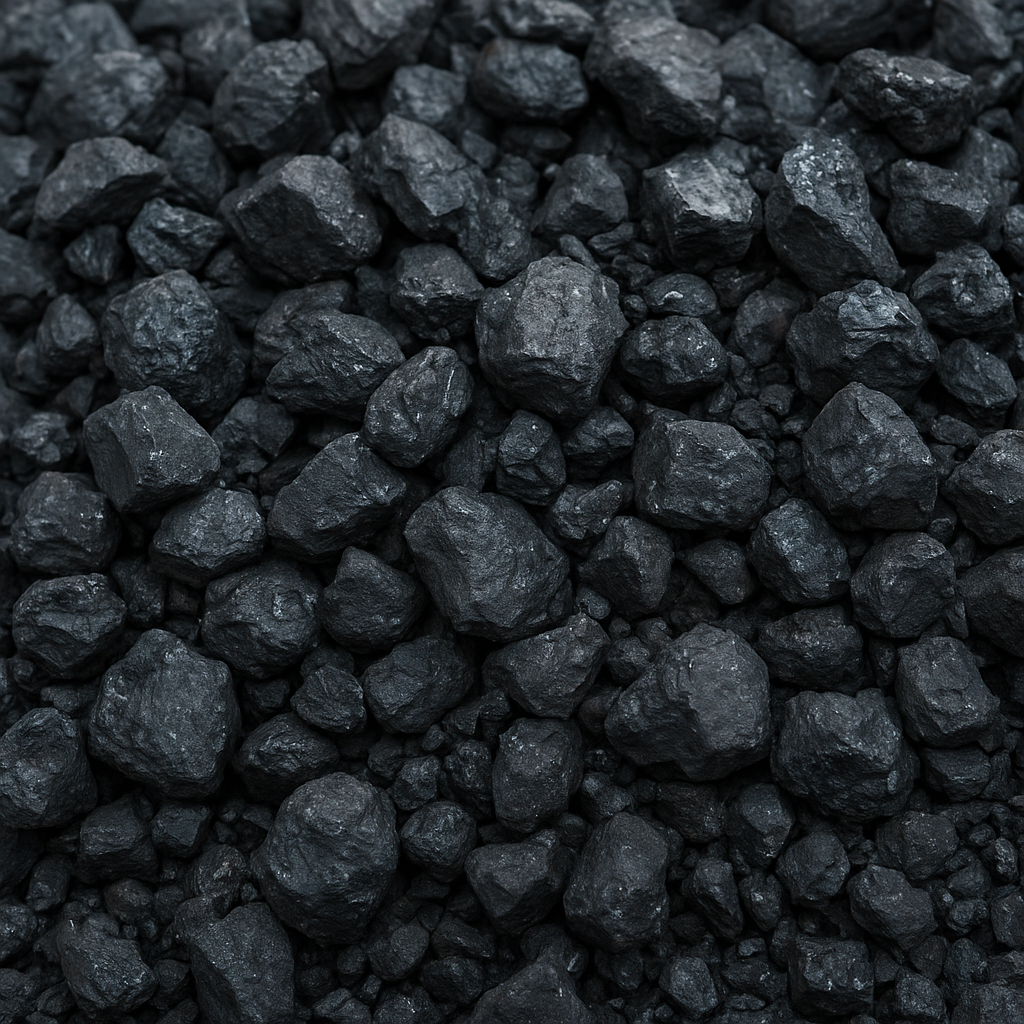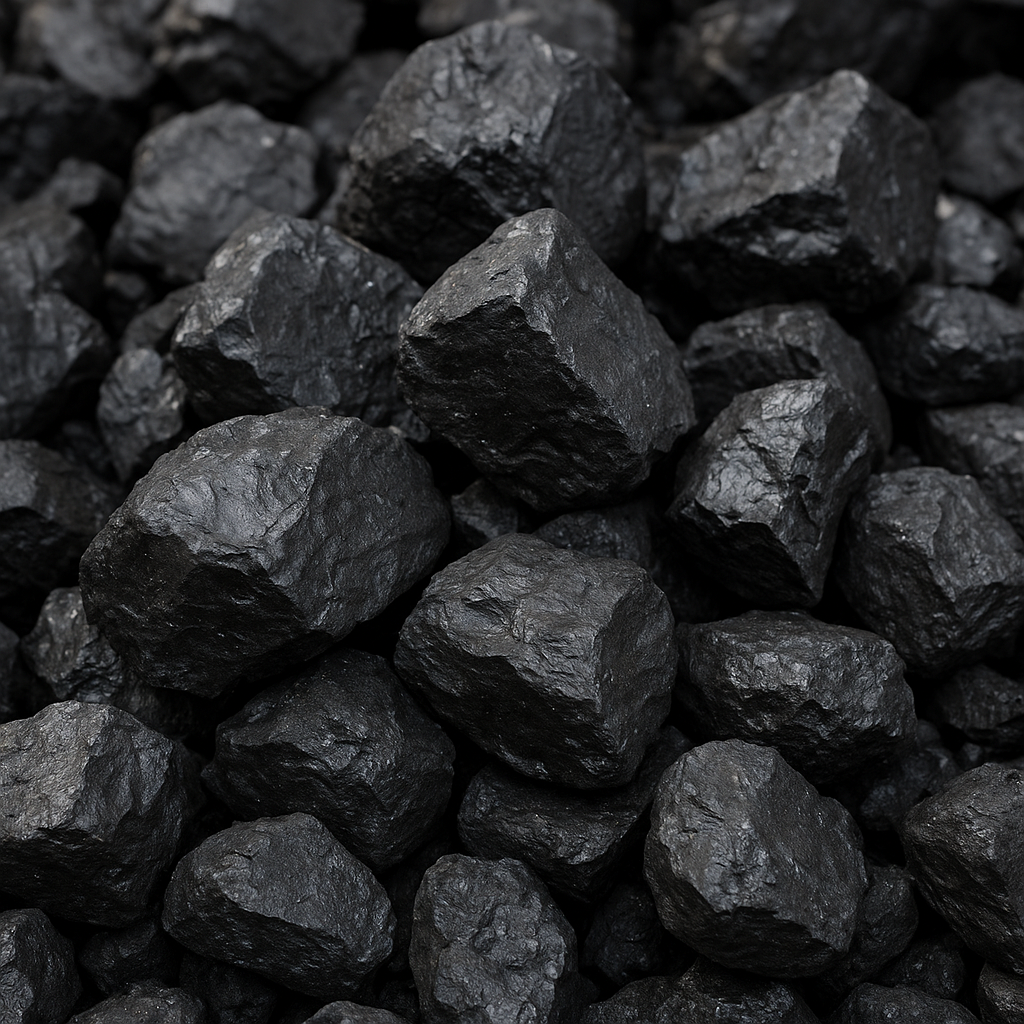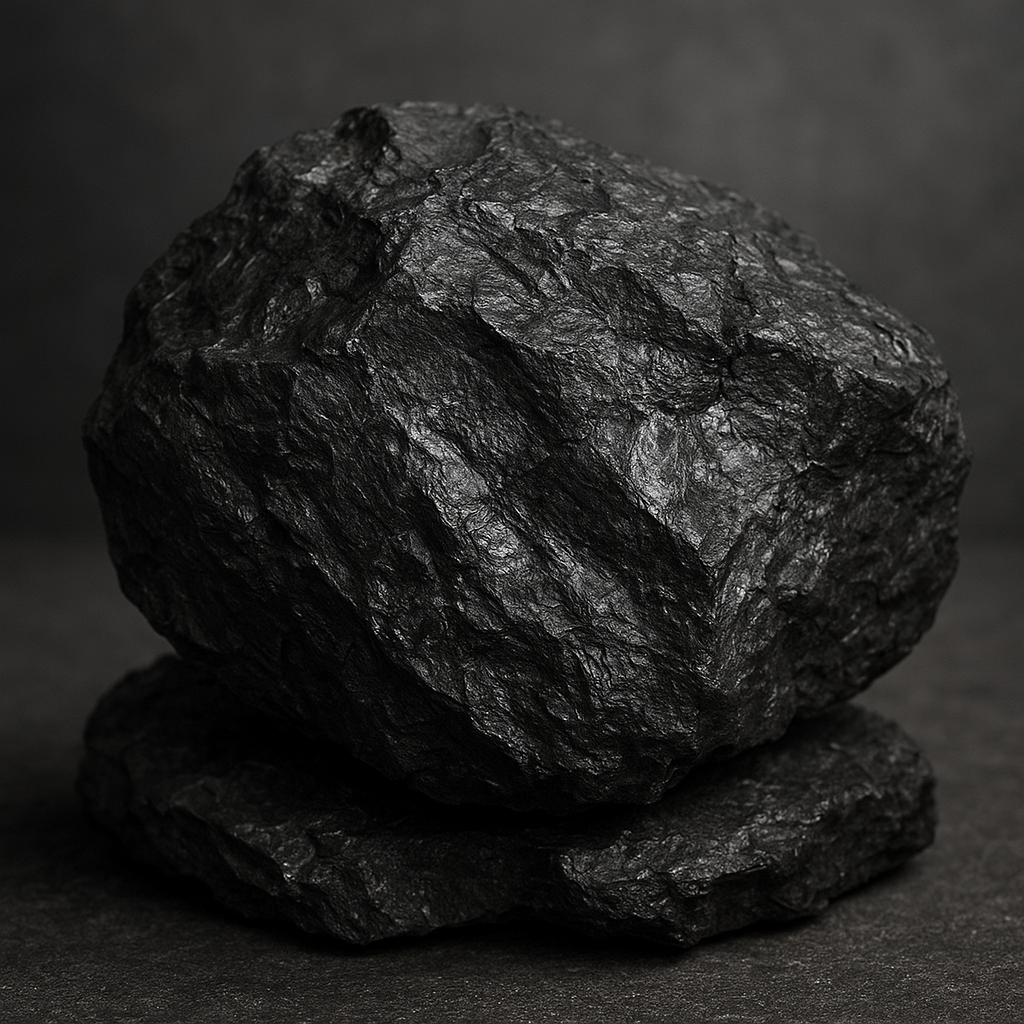
This article examines the geological nature, distribution, extraction, economic importance and industrial uses of high-carbon hard coal — a group of coals valued for their high fixed carbon content and energy density. Hard coal (including anthracite and higher-grade bituminous coals) has shaped industrial development for two centuries, remains central to steel production and power generation in many countries, and is at the center of debates about energy transition, emissions and resource security. Below you will find an overview of where carbon-rich hard coal is found, how and where it is mined, key market and statistical indicators, its roles in industry, and technological and environmental trends that affect its future.
Geology, Classification and Characteristics of Carbon-rich Hard Coal
What makes coal “carbon-rich” and “hard”?
Coal is classified by rank — a measure of the degree of coalification that reflects increasing carbon content and decreasing volatile matter. Carbon-rich hard coal typically refers to high-rank coals:
- Anthracite — the highest rank, with the greatest fixed carbon proportion, the lowest volatiles, and the highest calorific value. Anthracite is dense, glossy, and hard.
- Bituminous coal (higher-grade) — widely used for both thermal applications and coking (metallurgical) purposes; bituminous grades can have high fixed carbon and good caking properties used to produce coke.
Typical approximate ranges (vary by classification system): anthracite may contain roughly 86–97% fixed carbon by mass; bituminous coals range more widely (roughly 45–86% fixed carbon), depending on rank and maturity. These figures are indicative: proximate and ultimate analyses vary by deposit.
How and where such coals form
High-rank coals form when plant-rich peat deposits are buried deeply and subject to elevated temperature and pressure over geological time, driving off volatile compounds and concentrating carbon. Tectonic burial, regional metamorphism and long geological residence times favor the transformation from lignite and sub-bituminous through bituminous to anthracite. As a result, carbon-rich hard coals are often associated with ancient basins and orogenic (mountain-building) areas where deep burial or tectonic stresses occurred.
Global Occurrence and Major Producing Regions
Where carbon-rich hard coal is found
Carbon-rich hard coal occurs in many parts of the world, concentrated in large sedimentary basins with long geological histories. Key occurrences include:
- China — extensive deposits in Shanxi, Shaanxi, Inner Mongolia and Liaoning; China is dominant in both production and consumption of coal.
- Russia — large basins such as the Kuznetsk Basin (Kuzbass) and Pechora; Russia holds vast resources of bituminous and sub-bituminous coals.
- United States — Appalachian Basin (high-quality bituminous), Illinois Basin, and western basins; different basins supply different coal ranks.
- Australia — Bowen Basin, Sydney Basin and other basins produce metallurgical and thermal coals; Australia is a leading exporter.
- Poland and Czech Republic — historic European hard coal regions, notably the Upper Silesian Basin (Poland) and Ostrava-Karviná (Czech Republic).
- South Africa — Highveld and Witbank areas host bituminous coals, including coals used for electricity and metallurgical applications.
- India — major coalfields in Jharkhand, Odisha, Chhattisgarh and West Bengal with a mix of bituminous and lower rank coals; India is a major consumer and producer.
- Ukraine, Kazakhstan, Colombia, and Indonesia — other notable producers with significant hard coal or exportable thermal coal resources.
Production and resource statistics (recent context)
Estimating global figures requires caution because statistics differ by source and year. The following are approximate, rounded figures to provide scale and context for the carbon-rich hard coal sector as of the early 2020s:
- Global coal production (all ranks) has been on the order of around 7.5–8.5 billion tonnes per year in recent years, with variation due to demand cycles and policy shifts.
- China accounts for roughly half of global coal production and consumption: several billion tonnes annually.
- Leading producers after China include India, the United States, Indonesia and Australia (each producing hundreds of millions of tonnes annually), though production volumes and mixes change year to year.
- Proved global coal reserves are often reported at roughly about 1 trillion tonnes (order of magnitude), which at current consumption rates translates to many decades — commonly cited as more than a century — of supply if all were recoverable and economically viable.
Note: these numbers combine thermal and metallurgical coals; the split between high-carbon hard coals and lower-rank coals varies by country and basin.
Mining Methods, Supply Chains and Costs
Extraction techniques for hard coal
Hard coal is extracted by two main methods:
- Underground mining — longwall mining and room-and-pillar systems dominate for deep, continuous seam deposits. Longwall mining is efficient for extracting large volumes of high-quality coal in contiguous seams.
- Surface mining (open-pit or strip mining) — used where coal seams are near the surface; while common for lower-rank coals, some high-quality seams are also mined by surface methods where geology permits.
Underground methods require specialized equipment, ventilation, rock control and safety systems. Longwall mining, commonly used for hard bituminous and some anthracite seams, can achieve high recovery rates and low unit costs in favorable conditions.
Costs, logistics and supply chains
Key cost components and logistical considerations in the hard coal supply chain include:
- Mining capital and operational costs — mechanization, safety, and geology drive mining costs; deep, gassy or geologically complex seams are more expensive to mine.
- Processing and washing — coal washing improves quality (reducing ash and sulfur) and meets market specifications; metallurgical coals for steelmaking often require strict quality control.
- Transport — rail and port infrastructure determine export competitiveness. Countries with low-cost rail-to-port systems (e.g., Australia, Russia) can reliably service international markets.
- Market premiums — metallurgical (coking) coals command premiums compared with thermal coals due to their essential role in steelmaking.
Economic Importance, Trade and Market Dynamics
Role in national economies
Hard coal remains economically significant in many regions:
- Energy security — for coal-rich countries, domestic coal supports electricity generation where alternatives are limited or expensive.
- Employment and regional development — mining towns and regions often depend heavily on coal-related jobs and services.
- Export revenue — major exporters earn substantial foreign exchange from thermal and metallurgical coal exports, which can be a significant share of mining sector output.
International trade flows and prices
International markets are influenced by demand for electricity and steel, transport logistics, and policy signals (e.g., carbon pricing, import restrictions). Observations include:
- Australia and Indonesia are among the world’s largest coal exporters. Australia is a leading exporter of metallurgical coal, while Indonesia exports large quantities of thermal coal to Asia.
- China is both the largest consumer and producer and is a major seaborne coal importer for some types and locations — particularly high-quality coking coals for steelmaking.
- Coal prices are volatile and respond quickly to supply disruptions, seasonal demand shifts, and policy changes. Metallurgical coal prices can spike when steel production is robust or supply is constrained.
Industrial Uses and Technological Roles
Steelmaking and metallurgical uses
One of the most important roles for carbon-rich hard coal is in metallurgical processes:
- Coking coal (a high-grade bituminous coal) is converted to coke, a porous carbon material used as both a fuel and a reducing agent in blast furnaces. Dependable supplies of suitable coking coal are essential to traditional iron and steelmaking.
- Even as steelmaking evolves (with increasing use of electric arc furnaces and potential hydrogen-based reduction), metallurgical coal remains central to current integrated steel plant operations worldwide.
Energy generation and industrial heat
Hard coal provides high-energy-density fuel for power stations and industrial heat:
- High-grade coals offer high calorific values, enabling efficient steam generation and high-temperature industrial processes.
- In some regions, power plants are designed to burn specific coal types; switching fuels or sourcing alternate coal grades can require retrofits or cause efficiency penalties.
Specialty carbon products and by-products
Beyond fuels and coke, carbon-rich coals are feedstocks for various carbon materials:
- Activated carbon, carbon fibers, electrodes and specialty carbons can be produced from processed coals.
- Coal gasification (producing syngas) and coal-to-liquids or coal-to-chemicals pathways convert solid carbon into synthetic fuels and chemical feedstocks, albeit with energy and emissions considerations.
Environmental Impacts, Regulation and Technological Responses
Emissions and climate considerations
Burning coal releases CO2, particulates, sulfur oxides, nitrogen oxides and other pollutants. Carbon-rich hard coal typically releases more energy per unit mass (higher calorific value), which can mean a higher or lower CO2 per unit of energy depending on combustion efficiency and carbon content — but all unabated coal combustion contributes substantially to greenhouse gas emissions. Consequences and responses include:
- Climate policy pressures (carbon taxes, emissions trading systems) that raise the cost of unabated coal use.
- Shifts toward lower-carbon electricity sources, increasing the economic challenge for coal-fired power.
- Development and deployment of mitigation technologies such as carbon capture, utilization and storage (CCUS) to reduce emissions from coal-fired facilities, though these add cost and complexity.
Local environmental and social impacts
Mining impacts include land disturbance, water management issues, subsidence risks with underground mining, and community health considerations. Many jurisdictions require reclamation and environmental management plans; good practice and regulation can mitigate but not eliminate some impacts.
Technological advances and pathways to lower-carbon intensity
Several technical approaches aim to reduce the carbon footprint of coal use:
- High-efficiency, low-emission (HELE) coal plants improve thermal efficiency and reduce emissions per unit of electricity.
- Integrated gasification combined cycle (IGCC) facilities enable coal to be converted to syngas and allow easier application of CCUS.
- Co-firing coal with biomass or blending with lower-carbon fuels can lower lifecycle emissions at existing plants.
Economic Transition, Policy Pressures and Future Outlook
Demand trends and substitution
In many high-income regions, coal use for electricity has declined due to cheap natural gas, renewable energy growth and strict emissions policies. However, in several emerging economies coal remains central to meeting rapidly growing energy demands. Key considerations for the future include:
- Short-to-medium term demand for metallurgical coal is linked to steel production and urbanization; decarbonization of steel could reduce long-term demand for coking coal unless new low-carbon routes also use coal derivatives with capture.
- Thermal coal demand will likely continue to face pressure from renewables and gas in power generation, but retirements and the pace of new capacity deployment will vary regionally.
Socioeconomic and geopolitical aspects
Coal remains intertwined with national policy on energy security, regional employment and trade balances. Exporting countries can be exposed to global price swings; importing countries sometimes maintain coal capacity for energy independence. Geopolitics (sanctions, trade restrictions) has also influenced coal trade flows in the 2020s.
Research, innovation and potential scenarios
Possible future scenarios depend on policy, technology and economics:
- Rapid decarbonization scenarios see aggressive phase-out of coal-fired power and replacement of metallurgical coal by hydrogen or recycled steel routes in the long term.
- Transition scenarios emphasize CCUS, efficiency gains and niche uses for coal-derived carbon materials to retain economic value while lowering emissions.
- Continued use scenarios assume slower transitions in some regions, sustained demand for metallurgical coal, and market volatility driven by supply and policy shocks.
Interesting Facts and Lesser-known Uses
Here are several notable and sometimes surprising aspects of carbon-rich hard coal:
- Anthracite, because of its high carbon and low volatile matter, is often burned in specialized stoves for domestic heating and in industrial processes where a smokeless flame and high heat density are desirable.
- Coke, produced from metallurgical coal, is not just a fuel but an essential chemical reducing agent in blast furnaces — a role difficult to replace without new steelmaking methods.
- Coal by-products feed chemical industries: coal tar, pitch and other derivatives are precursors for dyes, carbon electrodes and specialty chemicals.
- Historical urban development and industrialization in many countries were built on local hard coal resources — the legacy remains in regional culture, infrastructure and demographics.
Summary
High-carbon hard coal — including high-grade bituminous coals and anthracite — remains a substantial global resource with critical roles in power generation, steelmaking and certain industrial processes. Its distribution is geographically widespread but concentrated in a set of major basins and producing countries. Economically, hard coal underpins employment, export revenues and parts of national energy strategies, while also facing rising policy and market pressures tied to climate goals. Technological responses (efficiency improvements, CCUS, and alternative metallurgical routes) and policy choices will shape the scale and character of hard coal’s role over the coming decades.