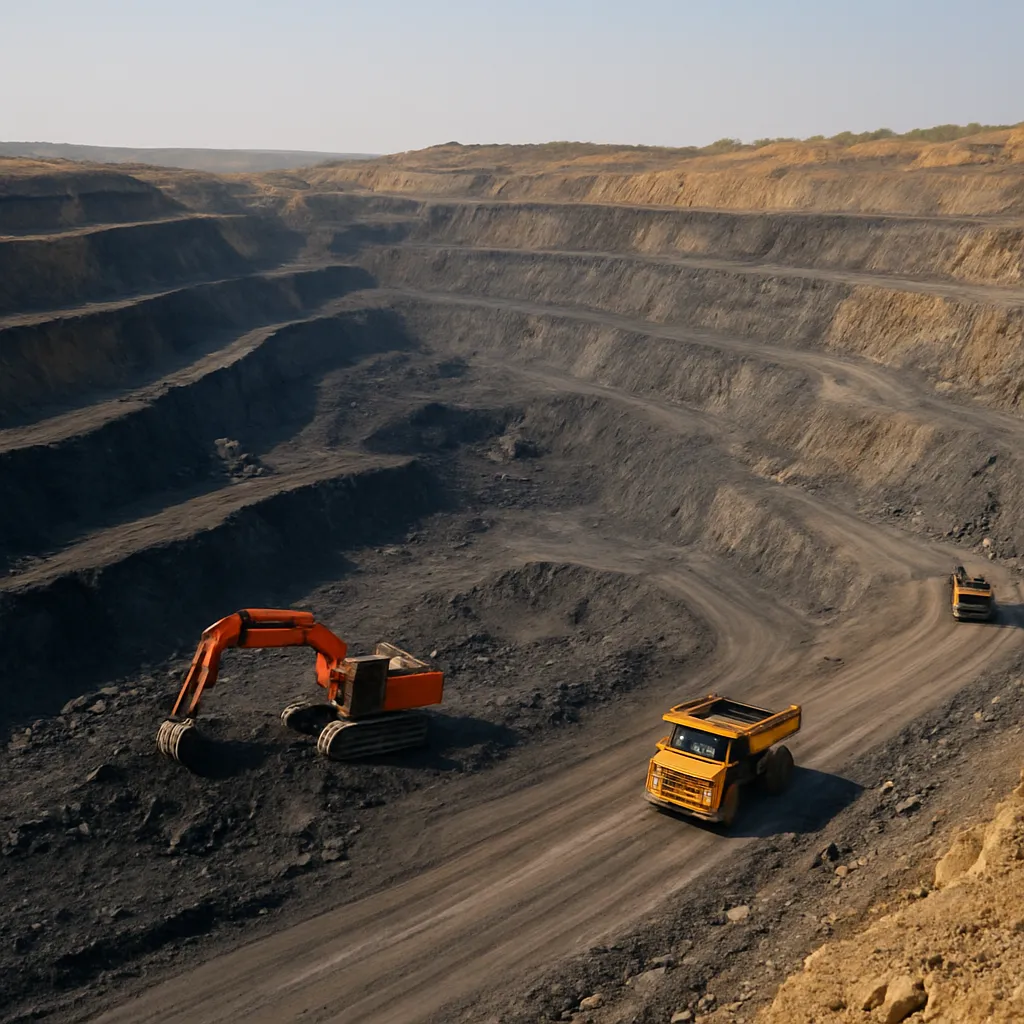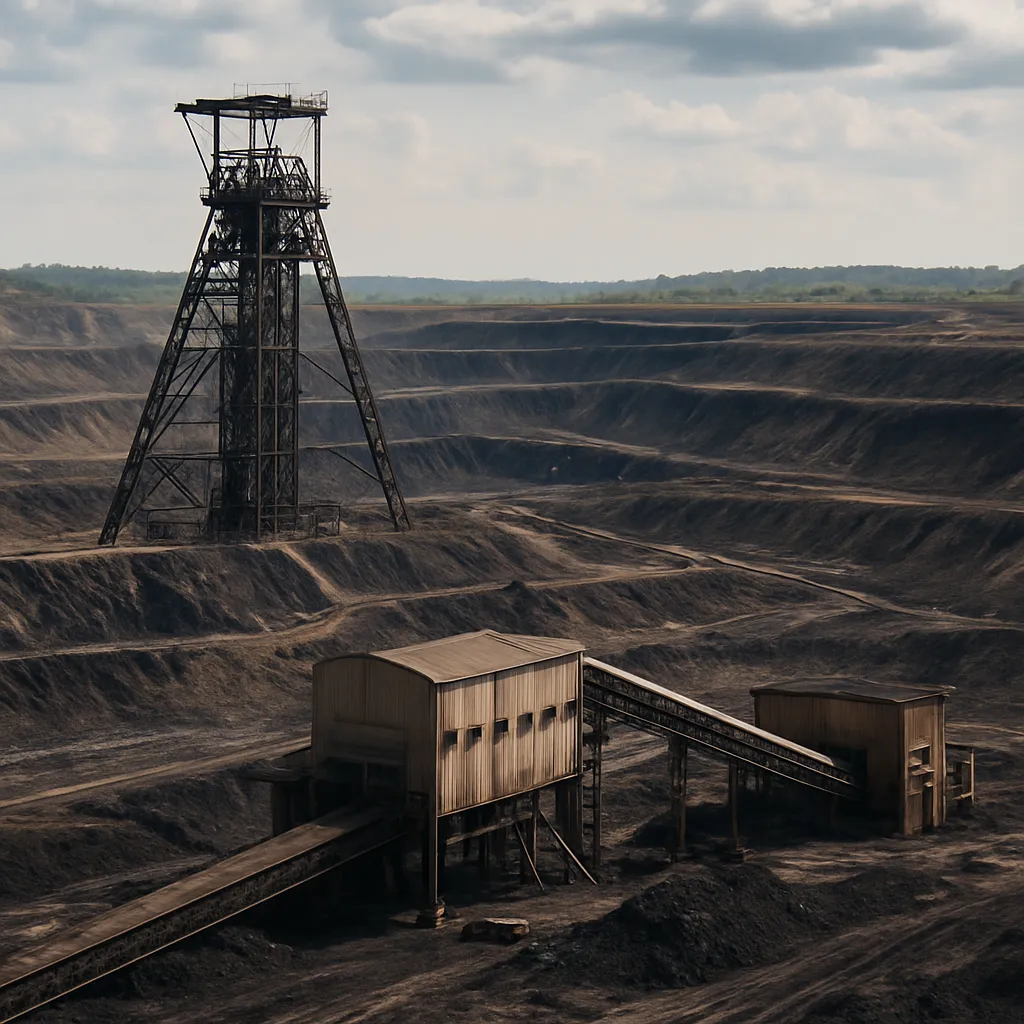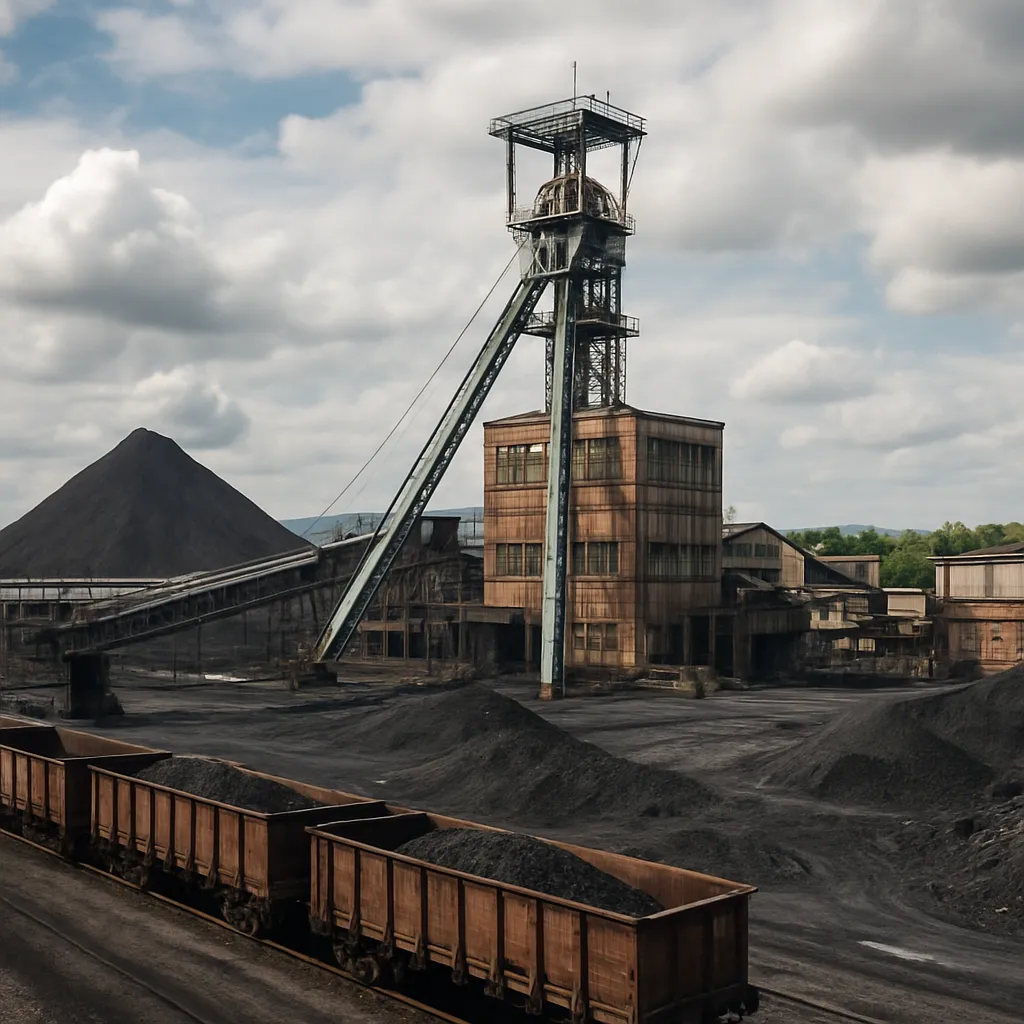
The Brzeszcze coal mine is one of the notable mining sites in southern Poland, located in the Małopolska (Lesser Poland) region near the town of Brzeszcze in Oświęcim County. It has played an important role in the local and regional economy for more than a century, supplying coal for energy generation, industry and domestic use. This article outlines the mine’s location and geology, the type and scale of resources and reserves, production and workforce data, its economic and social significance, technical and safety features, environmental challenges and rehabilitation efforts, as well as historical context and prospects for the future.
Location and geological setting
The Brzeszcze mine is situated in the southern part of Poland, on the northern margin of the Silesian-Małopolska Coal Basin transition zone. The mining area lies close to the town of Brzeszcze, approximately 10–15 kilometers west of Oświęcim and within commuting distance of larger urban centers such as Bielsko-Biała and Kraków. The site occupies a strategic position between industrial centers of Upper Silesia and the energy and manufacturing markets of lesser Poland.
Geologically, the mine extracts coal from Paleozoic-Carboniferous formations typical of the Polish coal-bearing systems. The deposit comprises multiple seams of bituminous coal of varying thickness and quality, occurring at depths that require modern underground mining techniques. The strata hosting the coal are interbedded with shale, sandstone and occasional layers of claystone; hydrogeological conditions and faulting influence mining operations, drainage and support requirements.
Coal type, quality and reserves
Brzeszcze produces primarily hard coal (bituminous coal) intended for both thermal and industrial use. The coal grades mined at Brzeszcze can vary across seams and face sections; typical characteristics reported for this part of southern Poland include moderate to good calorific value, variable ash content, and sulfur levels that generally meet domestic fuel requirements after washing and processing. Some batches are suitable for coking or semi-coking processes, while the majority is used for power generation and heating.
Reliable, up-to-date figures on proven reserves are often published by operators or national geological services. As an approximation (and subject to verification with current operator reports), Brzeszcze is classified as a medium-sized deposit within the Polish context, with tens of millions of tonnes of extractable coal remaining in measured and indicated categories. Annual extraction volumes have historically been in the low millions of tonnes range, making the mine an important regional supplier but not among the largest producers in Poland.
- Coal type: bituminous (hard) coal, thermal and some industrial grades
- Quality range: moderate-to-high calorific value; ash and sulfur content variable
- Reserves (approximate): measured and indicated reserves in the order of multiple tens of millions of tonnes (operator reports should be consulted for exact figures)
- Annual production (approximate): commonly in the range of several hundred thousand to around one million tonnes in recent years — volumes subject to operational and market conditions
Production, employment and economic statistics
The Brzeszcze mine’s contribution to local economies is measured not only in extracted tonnes but also in employment, taxes and the stimulation of ancillary industries such as transport, machinery maintenance, and services. Historically, coal mining has been a major employer in the area; mining complexes like Brzeszcze support a combination of underground miners, surface staff, technical and administrative personnel.
Estimated indicators (please verify with current company data for precision):
- Employment: the workforce at Brzeszcze has traditionally numbered in the low thousands, including miners, technical specialists, and office staff. Employment levels have fluctuated with production, mechanization and restructuring.
- Output: annual output may vary from year to year depending on market demand, operational constraints and policy — recent decades have seen production at smaller scales compared to the largest Polish collieries.
- Economic impact: in addition to direct wages and local procurement, the mine contributes to municipal budgets through taxes and fees; it also influences local real estate, transport routes and social infrastructure.
Poland as a whole has been one of Europe’s largest producers of hard coal, with national production measured in the tens of millions of tonnes annually in past decades. Within that national framework, Brzeszcze represents a modest but regionally significant share. The mine supplies both local power plants and industry as well as domestic markets; changes in energy policy, coal pricing and demand have a direct effect on the mine’s economic position.
Significance in industry and regional economy
The Brzeszcze coal mine serves several important functions:
- Energy supply: supplying coal for regional power generation, combined heat and power plants (CHP), and other thermal uses.
- Industrial feedstock: providing coal for local manufacturing and processing industries that require solid fossil fuel or coke feedstock.
- Employment and social stability: sustaining jobs in a region with a mining tradition, contributing to municipal revenues and social programs.
- Local supply chains: promoting businesses in transport, repair, supply of mining equipment, and services.
Because many communities around Brzeszcze were built or expanded because of mining, the mine’s ongoing operation has far-reaching implications for housing, schools, healthcare and local commerce. In periods of change — for example when national energy policy shifts toward decarbonization — mines like Brzeszcze become focal points for regional transition planning, retraining programs and economic diversification efforts.
Infrastructure, technology and safety practices
Modern mining operations at Brzeszcze combine traditional underground techniques with mechanization, longwall systems and conveyor networks where geology permits. Surface infrastructure includes processing plants (coal preparation and washing), workshops, fuel handling facilities, rail or road loading points, and administrative buildings.
Key technical features include:
- Longwall faces equipped with shield supports and shearer equipment in suitably developed sections
- Underground conveyor belts and surface transfer stations for efficient coal handling
- Ventilation systems designed to manage methane and maintain air quality in working galleries
- Water drainage and pumping systems adapted to local hydrogeological conditions
- Coal preparation plants to improve product quality by reducing ash and sulfur content where required
Safety is a central concern in any underground mine. Over the years, Polish mines including Brzeszcze have adopted rigorous safety standards, modern gas monitoring, roof support systems and emergency preparedness plans. Continuous training for miners, the introduction of remote-operated and automated equipment in dangerous sections, and strict procedural controls help reduce accident rates and improve workplace safety.
Environmental impact and reclamation efforts
Coal mining inevitably affects the environment; the scale of impact depends on mining method, depth, and local geology. The primary environmental issues associated with the Brzeszcze mine include:
- Subsidence: underground coal extraction can cause ground movement that affects buildings, infrastructure and agricultural lands.
- Water management: alteration of groundwater flow, mine drainage needs and potential water quality impacts if not properly managed.
- Dust and emissions: particulate emissions from handling, processing and transportation; greenhouse gas emissions associated with coal use.
- Waste and spoil: handling of tailings and fine coal wastes from preparation plants.
To address these impacts, operators and local authorities implement mitigation and remediation measures: controlled water treatment systems, engineered backfilling, surface subsidence monitoring, dust suppression, and land reclamation projects to restore or repurpose post-mining areas. Reclamation can involve transforming spoil tips into landscaped public spaces, forests, recreational areas, or technical land uses, depending on land-use planning and funding availability.
Historical background and community links
Mining in the Brzeszcze area dates back to the industrial expansion of southern Poland; the mine has been integral to the local identity for generations. Over time, the mine experienced phases of expansion, modernization and occasional restructuring reflecting national economic cycles and changes in ownership models from state-run enterprises to more diversified corporate forms.
The relationship between the mine and the local community includes traditional social infrastructure: housing built for miners, cooperative cultural life centered around workers’ organizations, and regional commemorations of mining heritage. This social fabric both supports and is supported by the mine’s continued operation.
Challenges, energy transition and future prospects
The outlook for Brzeszcze — as for many coal mines in Poland and across Europe — depends on several interacting factors:
- Energy policy: EU and Polish commitments to reduce greenhouse gas emissions influence demand for coal and available markets for coal-based energy.
- Market forces: competition from gas, renewables and imported coal affects profitability and production volumes.
- Regulatory environment: environmental regulations, carbon pricing and safety standards shape operational costs and investment decisions.
- Technological adaptation: investment in cleaner combustion technologies, carbon capture readiness, and efficiency improvements could prolong the operational life of coal assets or enable a managed transition.
- Socioeconomic planning: regional programs for diversification, retraining and support for mine-affected communities will be critical if production declines.
Possible future pathways include continued operation at reduced scale for several decades while pursuing local transition programs; conversion of parts of the mine infrastructure for other uses (e.g., industrial or storage facilities); or phased closure and comprehensive reclamation if market and policy conditions make coal extraction uneconomic.
Interesting facts and additional context
- Brzeszcze’s location close to historical transport corridors has long helped move coal to consumers in southern Poland and beyond.
- The mine has been part of broader regional networks linking suppliers of equipment, specialized services and engineering competencies in the Polish mining sector.
- Community institutions — schools, cultural centers and sports clubs — often trace patronage or founding to the mine and its workforce.
- Mining heritage initiatives sometimes document and preserve equipment, oral histories and archives related to the mine’s century-long presence in the region.
Concluding perspective
The Brzeszcze coal mine is an established element of southern Poland’s industrial landscape. It provides a mix of social, economic and energy-related benefits while also facing environmental and market pressures that are common across the coal sector. For stakeholders — from miners and local residents to policymakers and investors — the central questions revolve around balancing continuing economic value, ensuring safe and efficient operations, and managing a socially responsible transition as national and EU energy policies evolve.
Note on statistics and verification: Precise, up-to-date numerical data (annual production, exact proven reserves, current workforce and ownership details) should be obtained from the mine operator’s latest reports, national geological surveys, or the Polish Ministry of Climate and Environment publications. Figures cited here are descriptive and indicative; for publication that requires exact numbers, consult the operator’s official fact sheets or audited reports.