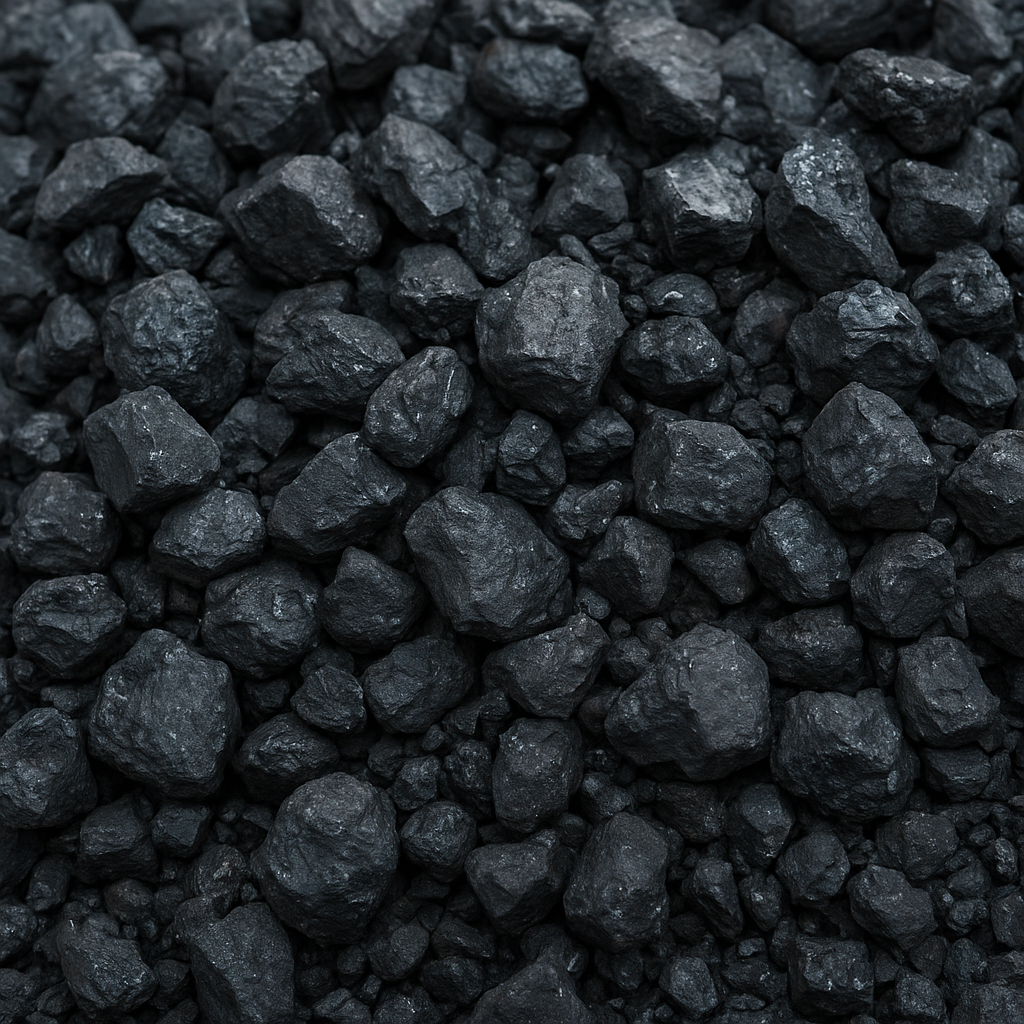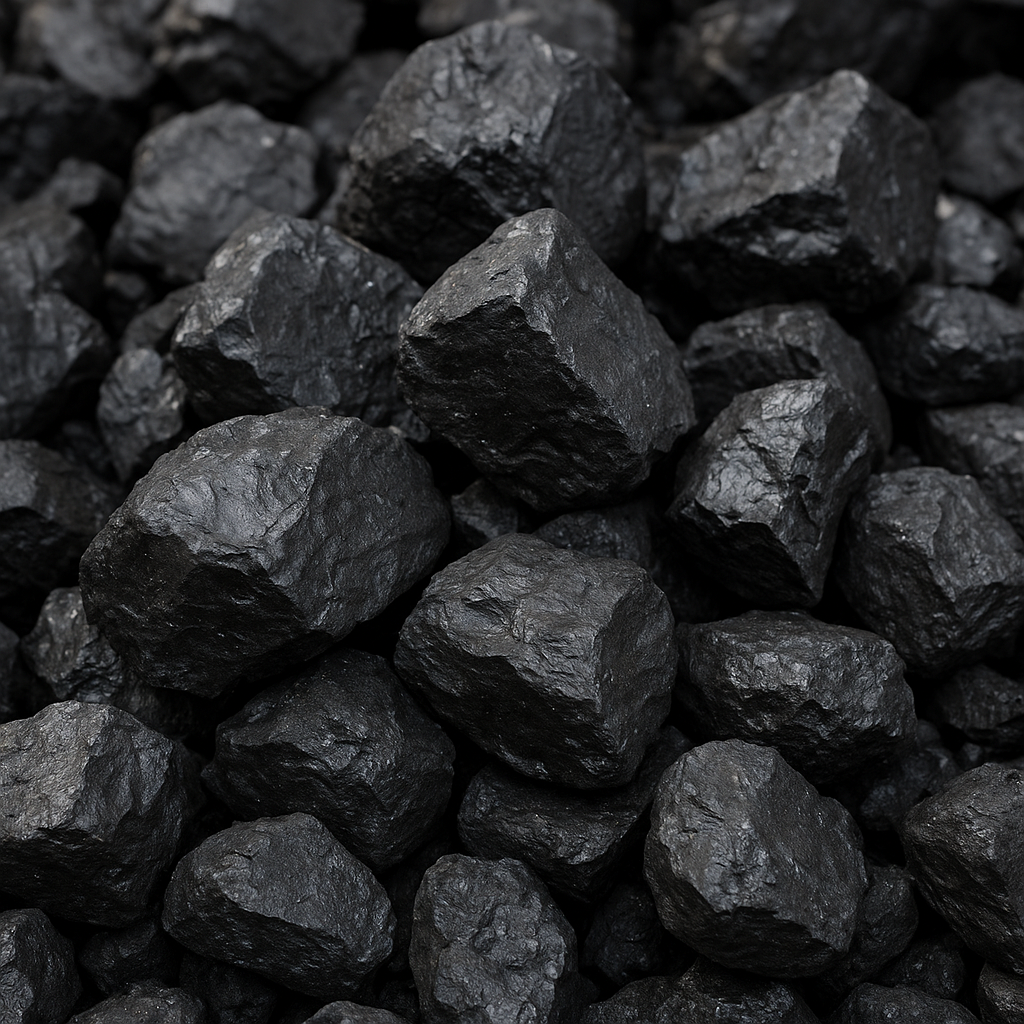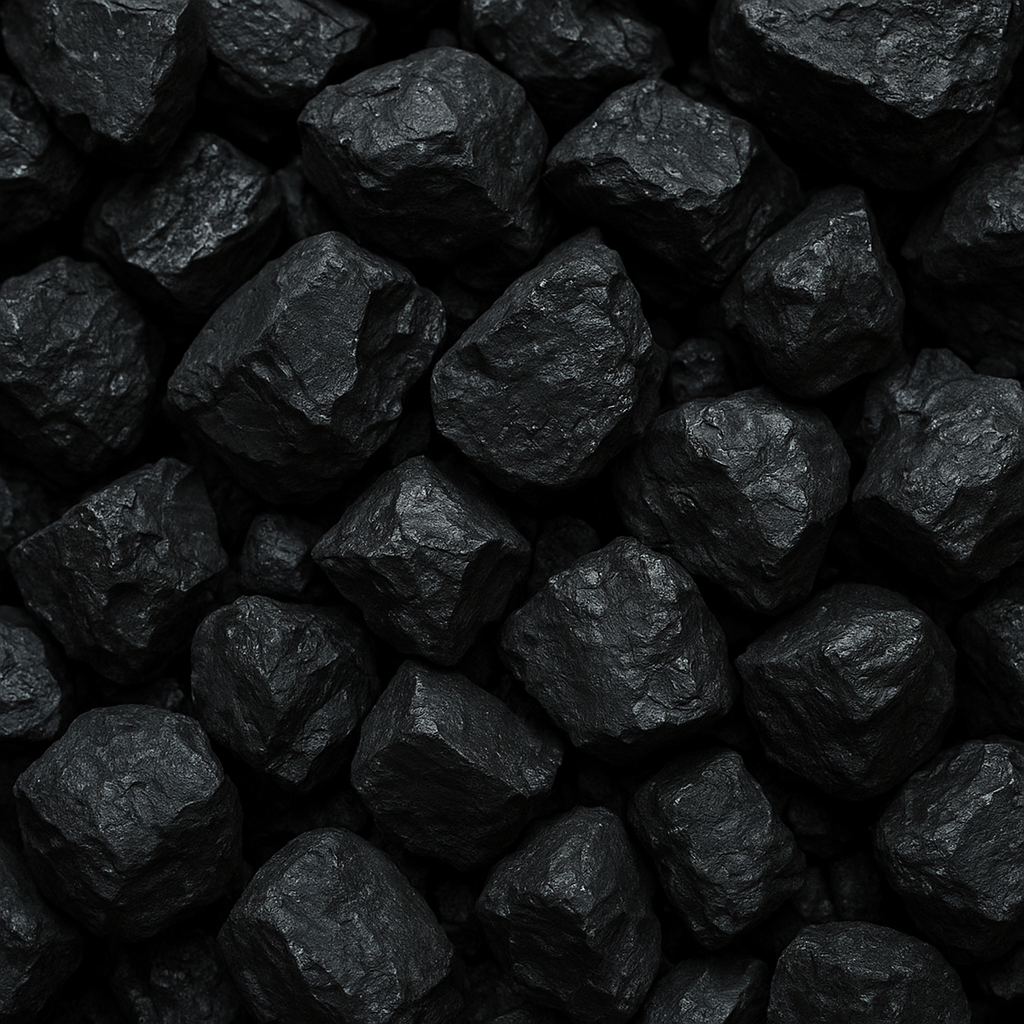
This article examines black coal — also known as hard coal — its geological origins, global distribution, methods of extraction, economic importance, statistical overview, role in industry, environmental impacts and the near‑term outlook. Black coal remains a cornerstone of energy systems in many countries and an essential input for industrial processes, even as the world increasingly debates pathways to decarbonization. Below you will find a detailed, multi‑section survey combining geological, technical, economic and policy perspectives, with up‑to‑date statistical context where available.
Formation, types and physical properties
Coal is a sedimentary rock formed from ancient plant material that accumulated in wetlands and peat bogs millions of years ago. Over geological time, burial under sediments subjected that material to heat and pressure, driving off water and volatile compounds while increasing carbon concentration. The rank of coal depends on the intensity of this process: peat → lignite (brown coal) → sub‑bituminous → bituminous → anthracite. The term black coal generally refers to higher‑rank coals (bituminous and anthracite) with higher carbon content, greater calorific value and lower moisture compared with lignite.
Key physical and chemical features:
- Carbon content typically ranges from ~60% in lower bituminous coals to 90%+ in anthracite.
- Calorific value (gross) is roughly 20–35 MJ/kg for bituminous and anthracite grades, compared with ~10–20 MJ/kg for lignite.
- Volatile matter and ash content vary widely; high‑ash coals have lower combustion efficiency and greater residue generation.
- Coking (metallurgical) coal is a subgroup of black coal with properties that allow it to form coke — a porous, high‑carbon material essential in blast‑furnace steelmaking.
Where black coal occurs and major producing basins
Black coal deposits are widespread, especially in regions that were equatorial or temperate wetlands during the Carboniferous, Permian and later periods. Significant coal basins include:
- China — numerous basins across Shanxi, Inner Mongolia, Shaanxi and Xinjiang; China is the world’s largest producer and consumer of coal.
- Russia — especially the Kuznetsk Basin (Kuzbass) and the Pechora Basin.
- United States — Appalachian Basin, Powder River Basin (PRB), Illinois Basin (PRB is notable for high production of sub‑bituminous coal used for power generation).
- Australia — Bowen Basin (Queensland), Hunter Region (New South Wales) and other deposits; Australia is a major exporter of both thermal and metallurgical coal.
- India — Jharia, Raniganj, Dhanbad and other basins in Jharkhand, West Bengal and Chhattisgarh.
- Indonesia — Kalimantan and Sumatra are large producers/exporters of thermal coal.
- South Africa — Highveld and Mpumalanga regions (large thermal coal and some export quality coals).
- Europe — Upper Silesia (Poland), Ruhr (Germany), Donets Basin (Ukraine) and other historic mining areas.
Coal deposits can be mined by both underground and surface (open‑pit) methods, depending on depth, seam thickness and economics.
Mining methods, operations and safety
Mining methods for black coal vary:
- Underground mining — longwall and room‑and‑pillar systems are widely used for steep or deep seams. Longwall mining offers high recovery rates but requires substantial investment and mechanization.
- Surface mining — open‑pit and strip mining are economical for near‑surface seams and allow high production volumes; techniques include benching and dragline/excavator operations.
- Special methods — underground coal gasification (UCG), in situ leaching and high‑pressure water cutting exist but are niche or experimental for many coal types.
Safety and health issues are significant in coal mining. Historically, underground coal mining has been associated with fatal accidents, methane explosions, roof collapses and chronic lung diseases such as coal workers’ pneumoconiosis (black lung). Modern mechanization, ventilation, methane drainage and regulatory oversight have reduced accident rates in many jurisdictions, but occupational health risks persist.
Production, reserves and global statistics
Coal remains one of the most produced fossil fuels globally. Recent historical patterns show production volumes in the range of roughly 7–8 billion tonnes of hard coal equivalent per year (several international statistics agencies and industry reports cite values around this ballpark for the early 2020s). Production and consumption trends are regionally diverse:
- China accounts for a very large share of global coal production and consumption — often roughly half of global output in recent years.
- India is the second‑largest consumer and a major producer (domestic production supports most of its demand).
- Major exporters include Australia, Indonesia, Russia and the United States (for some markets). Australia and Indonesia are especially important suppliers to Asian markets.
Global proven recoverable reserves of coal remain large. Estimates by major statistical reviews place total proven reserves on the order of about 1 trillion tonnes of coal (hundreds of billions to over a trillion tonnes, depending on classification and reporting year). At current global consumption rates, proven reserves represent several decades to over a century of supply, depending on future demand and which reserve categories are counted.
Electricity and energy context:
- Black coal is a dominant fuel for electricity generation in many countries; globally, coal has provided roughly one‑third to two‑fifths of electricity in recent years (shares fluctuate regionally and with annual demand).
- Coal combustion remains the single largest source of energy‑related carbon dioxide emissions worldwide; estimates commonly attribute coal to roughly 30–40% of global CO2 emissions from fossil fuels, underscoring its climate significance.
Economic importance and industrial uses
Black coal influences economies at national, regional and local levels:
- Power generation — thermal coal for utilities is its largest single use. Coal‑fired plants produce baseload electricity in countries where coal is plentiful and cheap compared with alternatives.
- Steel production — metallurgical or coking coal is indispensable for conventional blast‑furnace steelmaking, providing carbon and heat through coke. Steel demand keeps a structural floor under coking coal markets even as thermal coal faces substitution.
- Cement and other industry — coal provides process heat in cement kilns, ceramics and some chemical processes.
- Trade and fiscal revenues — exporters earn foreign exchange (notably Australia and Indonesia), while many coal regions depend on mining royalties, taxes and employment for local economies.
The coal value chain — extraction, processing (coal washing and sizing), transport (rail, port) and trading — supports manufacturing, logistics and service jobs. In many developing economies, access to cheap domestic coal has been a factor in industrialization strategies.
Global markets, prices and trade dynamics
Coal is traded on regional indices and through long‑term contracts. Key factors driving market dynamics include:
- Demand in large consuming countries (China, India, Southeast Asia) and power sector economics.
- Availability and price of substitutes (natural gas, renewables, nuclear) and carbon pricing/policy.
- Logistics constraints — rail and port capacity can limit export volumes and affect spot prices.
- Geopolitical events and supply disruptions can cause price spikes; for example, energy market shocks in 2021–2022 briefly pushed some thermal coal indices to multi‑year highs.
Price volatility affects producer revenues, investment decisions and the competitiveness of coal versus alternatives in power generation.
Environmental and climate impacts
Coal combustion has multiple environmental consequences:
- Greenhouse gas emissions — coal emits more CO2 per unit of energy than oil or natural gas, making it a major contributor to global warming.
- Air pollution — coal plants and industrial uses produce SO2, NOx, particulate matter and mercury, which harm human health and ecosystems unless controlled by emissions technology (scrubbers, selective catalytic reduction, particulate filters).
- Local impacts — mining (especially surface mining and mountaintop removal) can lead to landscape alteration, habitat loss, water contamination and soil erosion. Coal ash disposal poses long‑term contamination risks if not properly managed.
- Methane emissions — coal seams and mining operations release methane (a potent greenhouse gas), particularly from underground mines and abandoned workings.
Policy responses include emissions standards, air quality regulation, carbon pricing, moratoria on new coal plants in many jurisdictions, and investment in cleaner technologies.
Cleaner technologies and mitigation options
Efforts to reduce the environmental footprint of coal include:
- Efficiency improvements — high‑efficiency, low‑emissions (HELE) coal plants (supercritical and ultra‑supercritical units) reduce CO2 per MWh compared to older subcritical plants.
- Coal washing and blending — reduce ash and impurities before combustion, improving plant performance and lowering emissions of certain pollutants.
- Flue‑gas treatment — desulfurization, particulate capture and NOx controls mitigate local air pollutants.
- Carbon capture, utilization and storage (CCUS) — technically capable of capturing CO2 from coal plants or industrial sources, but full commercial deployment faces high costs, infrastructure and regulatory challenges.
- Fuel switching and electrification — substituting natural gas, renewables, nuclear or other sources for coal in power and industry reduces emissions but depends on economics and energy security considerations.
While these technologies can materially reduce certain emissions and improve environmental performance, economically viable large‑scale deployment of CCUS on coal has been limited to date.
Social and political dimensions
Coal mining regions often have strong political influence due to employment, local economies and energy security considerations. Political debates balance economic benefits (jobs, affordable electricity, export revenues) against health, environmental and climate costs. Transition challenges are acute in regions where mining provides the majority of well‑paid jobs and where alternative economic opportunities are limited. Concepts such as “just transition” policies, retraining programs and regional redevelopment have become central to managing declines in coal sectors while protecting affected communities.
Recent trends and the short‑to‑medium term outlook
Key recent trends and drivers shaping the near future of black coal include:
- Shifts in power generation — many OECD countries have been retiring older coal plants in favor of gas and renewables, reducing domestic coal demand. However, in regions where alternatives are constrained by cost, grid reliability or resource availability, coal continues to fill demand.
- Asian demand — growth in electricity consumption in South and Southeast Asia, and the persistence of coal in China and India for baseload and industrial heat, keep a durable market for thermal coal in the near term.
- Steel decarbonization — demand for coking coal may evolve more slowly because primary steelmaking currently relies heavily on coke; low‑carbon steel technologies (electric arc furnaces with recycled steel, hydrogen‑based direct reduction) could reduce coking coal demand over decades.
- Market volatility — price swings tied to geopolitics, transport bottlenecks and policy shifts will continue to influence investment in mines and ports.
Overall, the medium‑term outlook is one of gradual demand restructuring: declining thermal coal use in parts of the world offset by persistent or growing demand in others, while metallurgical coal retains structural importance for steel unless and until low‑carbon production methods scale.
Interesting facts and historical notes
- Coal was the dominant fuel of the Industrial Revolution, powering steam engines, railways and early factories and enabling modern industrial society.
- Coking coal undergoes a coking process at high temperature in the absence of oxygen to produce coke — a material valued for its strength, thermal stability and reducing capacity in blast furnaces.
- Some coal mines can be thousands of years old in terms of a geological timeframe, but commercial mining as an industry dates back only a few centuries.
- Advances in mining technology, geology and logistics (e.g., large draglines, longwall shearers, high‑capacity rail corridors) have dramatically increased productivity in many regions over recent decades.
Concluding perspective
Black coal remains a major global commodity with deep ties to electricity generation, steelmaking and regional economies. It is simultaneously a source of affordable energy and a primary challenge for climate mitigation. The coming decades will likely see divergent paths: accelerating declines in coal‑fired electricity in some markets contrasted with continued reliance in others where energy needs, infrastructure and cost realities make alternatives harder to deploy rapidly. Technological innovation (including in low‑carbon steelmaking and carbon capture), policy choices and the pace of renewable integration will determine how fast the world can reduce dependence on coal while addressing social and economic consequences in coal‑dependent regions.
Selected approximate statistical snapshot (early 2020s)
- Global coal production: roughly 7–8 billion tonnes per year (hard coal equivalent; annual variation exists).
- Share of global electricity from coal: roughly one‑third to two‑fifths in recent years, varying by country.
- Proven recoverable coal reserves: on the order of about 1 trillion tonnes (estimates vary by methodology and reporting year).
- Major producers by scale: China (largest), India, United States, Indonesia, Australia, Russia and South Africa among the top contributors.
- Coal’s contribution to energy‑related CO2 emissions: roughly 30–40% depending on the dataset and year, making coal the largest single source among fossil fuels.