The Meghwar Mine in Pakistan represents one of many local coal mining sites embedded within the country’s broader fossil-fuel landscape. While detailed public documentation specific to this particular mine can be limited, understanding Meghwar’s role requires placing it in the regional geological, economic and social context of coal mining in Pakistan — especially the major deposits in Sindh and Balochistan. This article examines the probable geology and coal type associated with Meghwar, mining methods and operations commonly used at similar sites, economic and industrial significance, environmental and social considerations, and available statistics and trends that shed light on its importance.
Location and geological setting
The name Meghwar is used locally in parts of Sindh and neighboring areas; it can refer both to communities and to small mining sites. Coal occurrences in Pakistan are concentrated in a few key basins: the Thar coalfield in Sindh, the Lakhra basin also in Sindh, and scattered deposits in Balochistan and Punjab. Mines identified by local names such as Meghwar are typically linked to these regional coal-bearing formations.
Geologically, the coal seams in Sindh and surrounding basins are mostly of Tertiary to late Mesozoic age in origin and are commonly classified as lignite to sub-bituminous in rank. These lower-rank coals are characterized by higher moisture content and lower calorific value compared with bituminous and anthracite coals. The typical depositional environment for these seams has been fluvial to coastal plain settings, which produced relatively thick but laterally variable seams.
At local mines like Meghwar, coal seams are often shallow and amenable to surface or small-scale underground operations rather than deep shaft mining. Bed geometry, seam thickness and depth are the main geological controls determining mining approach and economic viability.
Coal type, quality and reserves
Coal from sites in the Meghwar area and adjacent Sindh basins is usually low-rank, with the following general characteristics:
- Calorific value: typically in the range of lignite to sub-bituminous (lower heating values compared with high-grade hard coals).
- High moisture content and relatively high volatile matter, which influence combustion behavior.
- Moderate to high ash content in some seams, which affects beneficiation and end-use options.
- Sulfur content: often low to moderate, an attribute that is favorable for local environmental impact compared with high-sulfur coals.
Specific reserve figures for the Meghwar Mine itself are rarely reported in international databases. However, the broader national picture provides context: Pakistan’s coal wealth is dominated by the Thar lignite deposit, which has been estimated at roughly 175 billion tonnes of in-situ coal. Nationwide coal reserve estimates commonly cited in geological surveys place Pakistan’s total coal resources in the order of 180–200 billion tonnes, though recoverable portions are substantially smaller once depth, seam continuity and mining constraints are considered.
Given that many smaller sites (including those designated by local names such as Meghwar) are part of a mosaic of shallow deposits, their individual reserves may range from modest local seams of a few hundred thousand tonnes to multi-million-tonne deposits if continuity allows. Economic extraction hinges on seam thickness, proximity to markets or power plants, and the costs of extraction and processing.
Mining methods and operations
Operations at mines like Meghwar typically follow one of two patterns depending on seam depth and local investment:
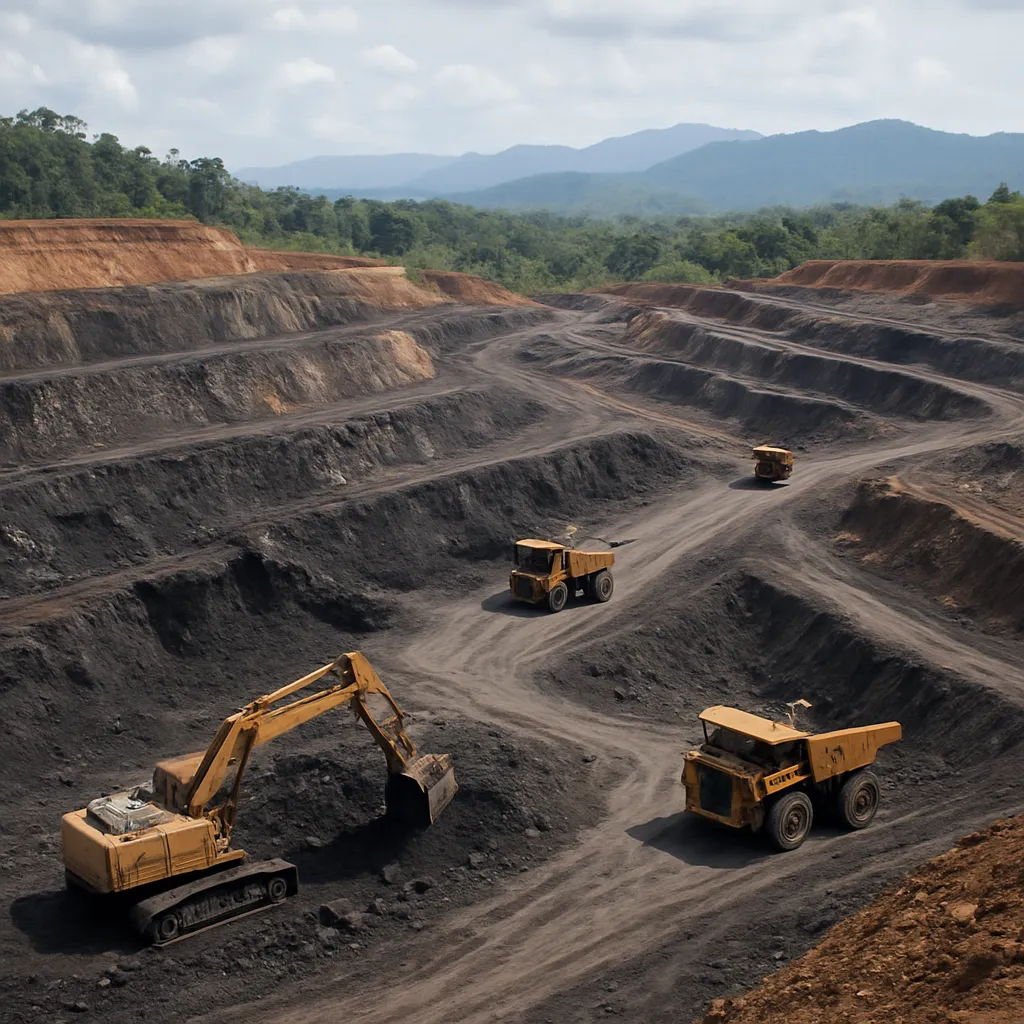
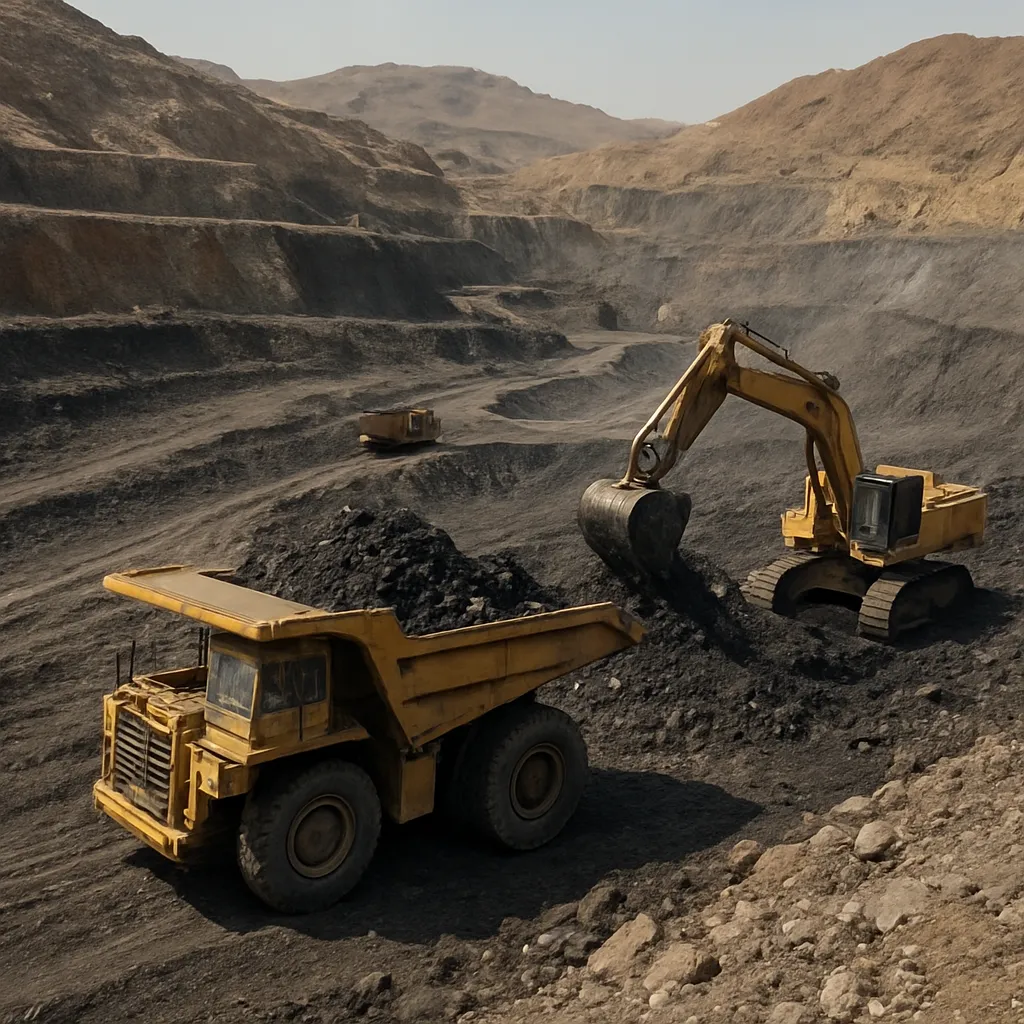
- Open-pit (opencast) mining — the most common method for shallow seams: involves removing overburden, extracting the coal, and reclaiming the site progressively. It is favored for its lower cost per tonne and higher productivity.
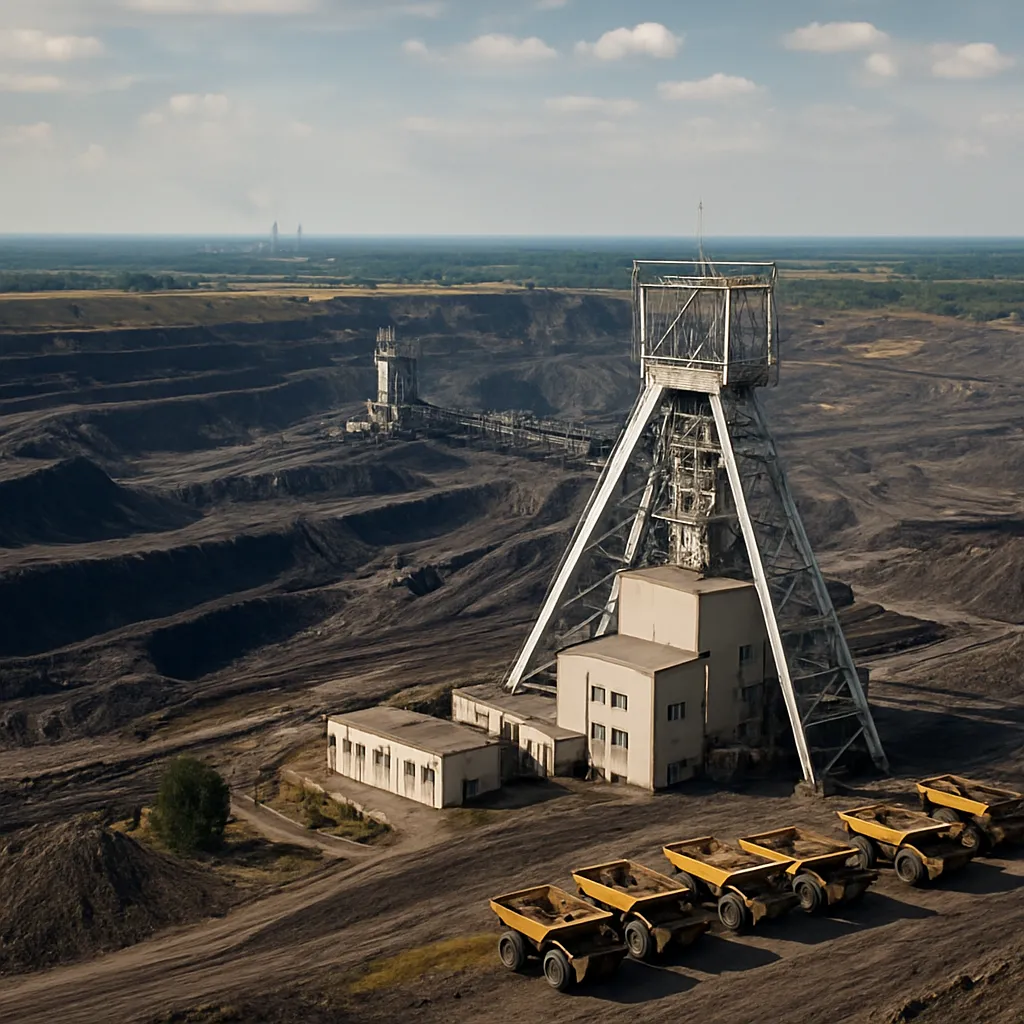
- Small-scale underground mining — employed when seams are shallower than economical limits for opencast removal or when landforms/ownership prevent large surface disturbance.
Many local mines in Sindh operate at a semi-industrial to artisanal scale. Typical equipment ranges from excavators, dump trucks and conveyor belts for larger operations, to manual and mechanized cutting for smaller sites. Processing may be minimal — often limited to sizing and simple screening — because the low rank of the coal reduces the degree of beneficiation that is both necessary and economical.
Health and safety practices vary widely; while formally regulated mines must conform to government mining regulations, artisanal and informal operations frequently have higher accident rates due to inadequate ventilation, poor ground control and insufficient protective equipment.
Economic significance and industrial linkages
Coal from Meghwar and nearby sites contributes to several local and national economic roles:
- Energy supply: Low-rank coal is predominantly used for power generation at mine-mouth plants and for small-scale electricity needs in rural communities. The rise of coal-fired capacity in Sindh and neighboring regions has increasingly linked local mines to grid-connected energy projects.
- Industrial fuel: Coal serves brick kilns, cement kilns and small industries, providing an affordable fuel option where transportation costs of imported fuels would be prohibitive.
- Employment: Mining and associated logistics create jobs, from miners and equipment operators to transport workers and administrative staff. In many rural districts, mines are important sources of cash income.
- Local economies: The presence of a mine often stimulates secondary economic activity — local commerce, housing, and services — though this can be uneven and concentrated in towns near the mine.
At a national level, the exploitation of large deposits (notably Thar) has been framed as part of Pakistan’s strategy to enhance energy security and reduce dependence on imported fuels. Small mines like Meghwar feed into this strategy by supplying local demand and supporting decentralised energy solutions.
Statistical overview and production trends
Reliable, site-specific statistics for Meghwar Mine are sparse in international publications, but regional and national data illuminate trends that affect small mines:
- National reserves: Pakistan’s coal resources are commonly estimated at roughly 180–200 billion tonnes, with the Thar region comprising the vast majority.
- Production trends: Over the past two decades there has been growth in coal production in Pakistan, driven by development of large-scale lignite projects in Thar and sustained domestic demand for thermal and industrial coal. Exact annual national production varies by source and reporting year; production from smaller mines like those around Meghwar often fluctuates with local demand and market access.
- Power generation linkage: Several mine-mouth coal-fired power plants have been planned and constructed in Sindh, with capacities ranging from a few hundred to several hundred megawatts. These projects have increased demand for locally sourced lignite.
Because Meghwar is typical of many smaller, locally named mines, its production profile is likely characterized by seasonal variability, dependence on nearby kilns or power projects, and informal market channels. Where formal offtake agreements exist, output tends to be steadier and investments in equipment more likely.
Environmental, social and health considerations
Coal mining at Meghwar-scale operations shares several environmental and social challenges common to low-rank coal projects:
- Land disturbance: Opencast mining alters topography and can fragment agricultural land. Reclamation measures vary in effectiveness and enforcement.
- Water resources: Excavation can affect groundwater levels and surface-water quality. High-moisture lignite may require dewatering, which has impacts on local wells and irrigation.
- Air quality: Dust from excavation, haul roads and coal handling, plus emissions from coal combustion in local kilns, contribute to particulate pollution and can exacerbate respiratory conditions among nearby residents.
- Waste and ash management: Low-rank coal with high ash content generates larger volumes of combustion residues, requiring proper disposal and management to avoid soil and water contamination.
- Community impacts: Mining can bring both benefits (jobs, infrastructure) and harms (displacement, loss of grazing/land use, social disruption). Distribution of economic benefits is often uneven, and conflict over land rights can arise.
- Occupational health: Dust exposure, accidental injuries and poor ventilation in small underground operations pose ongoing occupational risks.
Mitigation approaches that are increasingly expected in formal projects include staged reclamation, controlled blasting and dust suppression, community development programs, and waste stabilization. However, enforcement and capacity for long-term monitoring remain challenges in many districts.
Regulatory framework and governance
Coal mining in Pakistan is governed by a mix of federal and provincial laws. Key regulatory elements relevant to mines like Meghwar include:
- Licensing and leasehold arrangements determined by provincial mineral departments.
- Environmental impact assessment (EIA) requirements for larger operations, while smaller sites may be subject to less stringent oversight.
- Occupational safety standards regulated by provincial labor and mines inspectorates, though implementation varies.
- Land acquisition and resettlement rules that aim to protect affected communities, with varying levels of compliance.
Governance quality strongly affects the environmental and social outcomes of mining projects. Transparent lease processes, community consultation, and rigorous monitoring are crucial but not consistently realized across all small- to medium-scale operations.
Significance in the energy transition and future prospects
Although global trends emphasize decarbonization, coal remains a central part of Pakistan’s immediate energy mix because of its large domestic reserves and potential to reduce costly fuel imports. For mines such as Meghwar, short- to medium-term prospects depend on several factors:
- Proximity to demand centers: Mines closer to power plants, brick kilns or industrial users have better commercial prospects.
- Investment in infrastructure: Road, rail and conveyor links minimize transport costs and increase competitiveness.
- Technological improvements: Cleaner combustion technologies, efficiency upgrades in local kilns and power plants, and improved dust control can reduce negative impacts and enhance marketability.
- Policy shifts: Any national move toward renewables or carbon pricing would affect coal demand; however, realistic timelines for energy transitions in Pakistan suggest coal will remain part of the supply mix for the near future.
Opportunities for sites like Meghwar may include supplying mine-mouth power projects, participating in regional industrial fuel markets, or integrating rehabilitation and land-use planning to provide post-mining agricultural or community benefits.
Practical challenges and community perspectives
At the local level, community attitudes toward mines such as Meghwar commonly reflect a balance of economic need and concern over environmental and social costs. Common practical challenges include:
- Variable incomes due to fluctuating demand or seasonal access problems.
- Health burdens from dust and inadequate sanitation in mining camps.
- Limited access to technical training and formal employment channels, which constrain local ability to benefit from larger projects.
- Negotiation of royalties and compensation for land — often a source of tension when legal rights are unclear or enforcement is weak.
Successful community programs in comparable mines often integrate vocational training, healthcare improvements, road and school construction, and transparent benefit-sharing arrangements tied to production volumes or royalties.
Notable statistics and regional comparisons
Even if mine-by-mine data for Meghwar are not widely published, several regional and national statistics are informative:
- Thar coalfield estimate: approximately 175 billion tonnes of in-situ lignite — the largest single deposit in Pakistan and a key driver of regional coal development strategies.
- National coal resource estimates: commonly placed in the range of 180–200 billion tonnes across multiple basins, though recoverable reserves are a fraction of this total.
- Scale and usage: Small mines supply local industrial users (brick kilns, small power units) while large-scale projects feed grid-connected mine-mouth power plants.
These figures illustrate why even modest local mines like Meghwar matter: collectively they contribute to energy availability, employment and local economies in coal-producing provinces.
Conclusions and final observations
The Meghwar Mine, as a local coal site within Pakistan’s broader coal landscape, exemplifies the balance between resource opportunity and environmental and social responsibility. While definitive, public, site-specific data may be limited, the regional geology points to low-rank lignite and sub-bituminous coal that is appropriate for nearby power generation and industrial use. The economic benefits — energy security, jobs and local commerce — are real, but so are the environmental and health challenges associated with dust, water impacts and waste management.
Policy choices, improved regulatory enforcement, community engagement and investments in cleaner technologies will determine whether the ongoing exploitation of mines like Meghwar delivers sustainable development outcomes. For stakeholders — from provincial authorities to local villagers and private operators — the priorities are clear: maximize the value of the resource while minimizing harm through better planning, modernization and transparent governance.