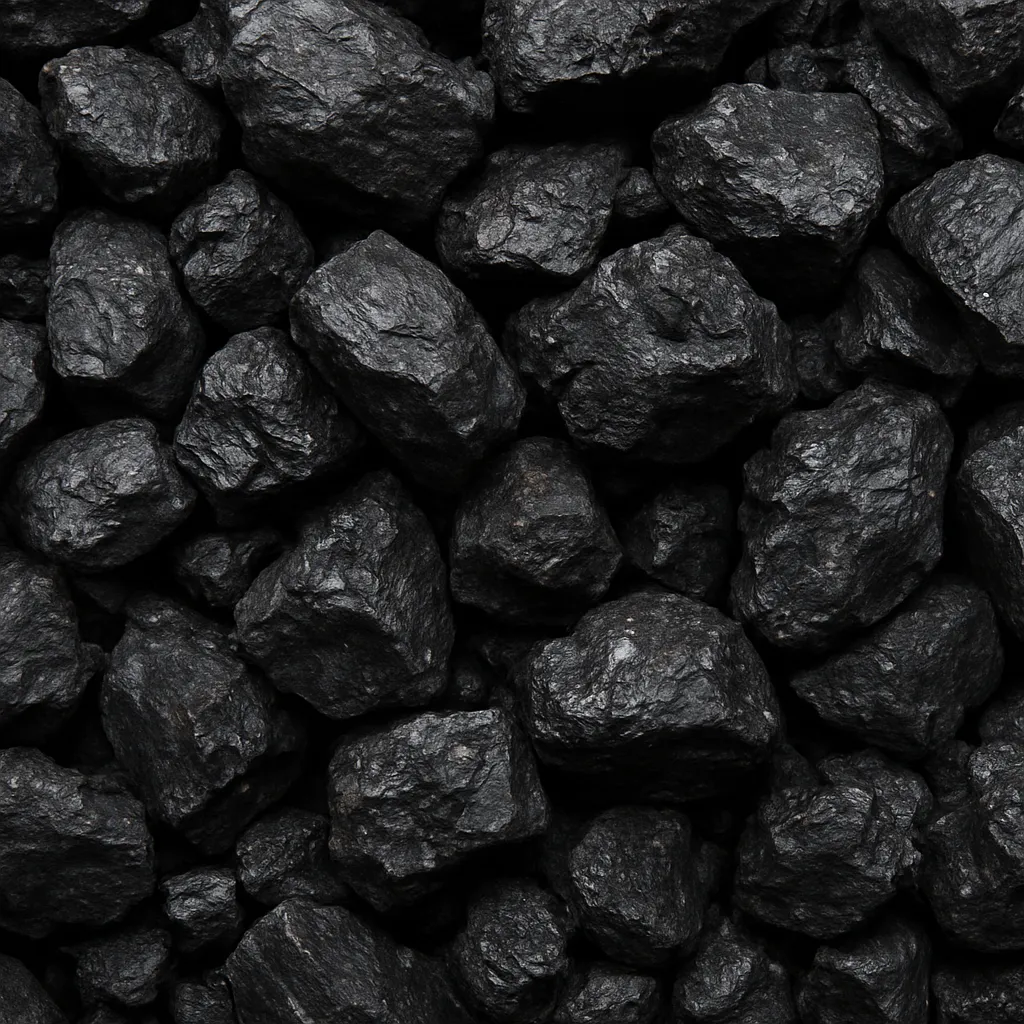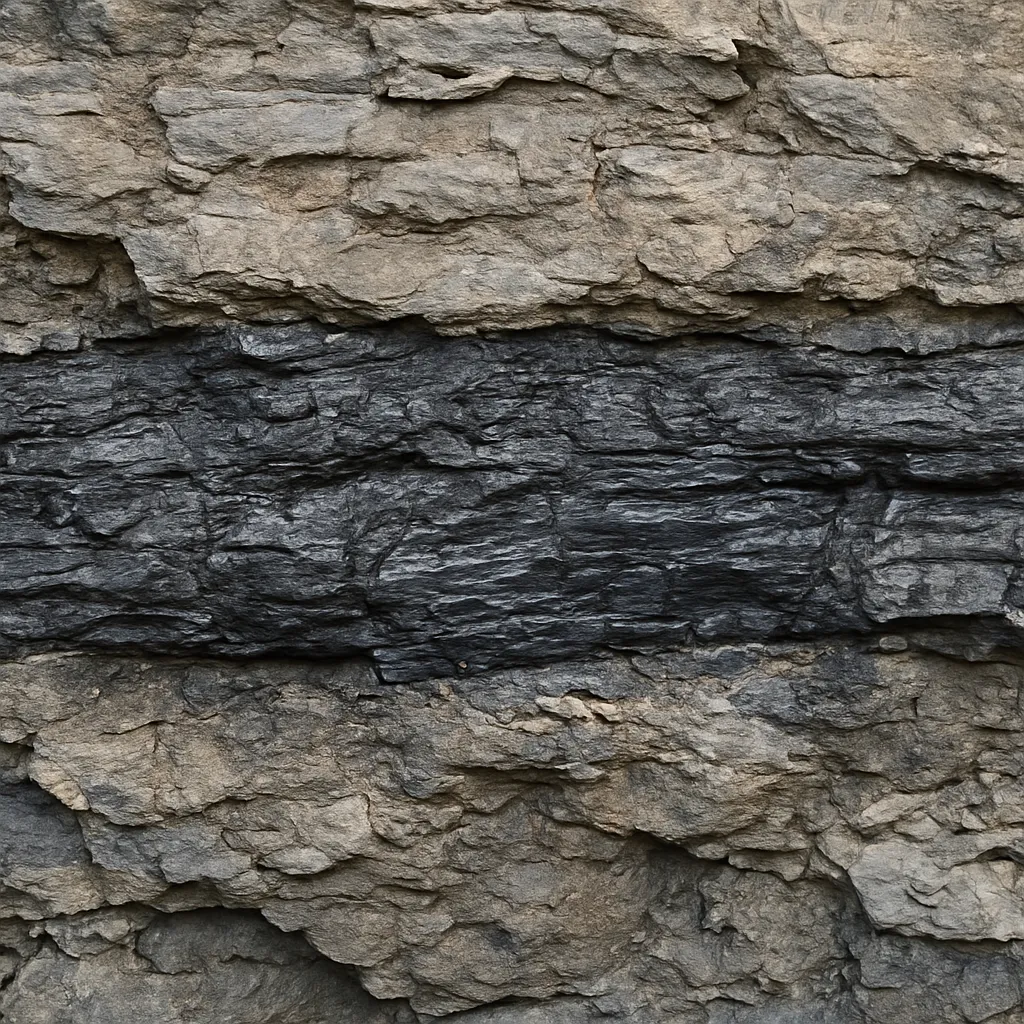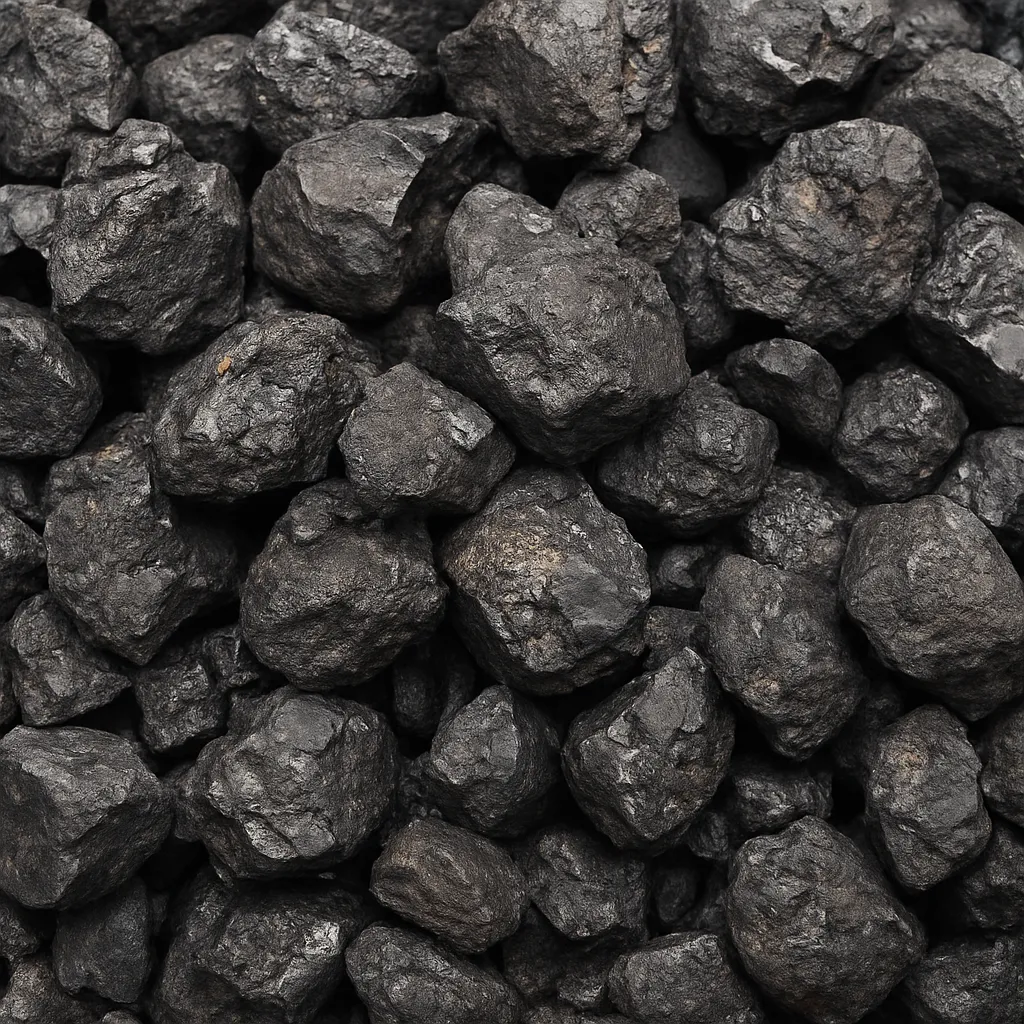
Impure coal—coal that contains significant amounts of mineral matter, moisture and trace contaminants—is a widespread and economically important resource despite growing concerns about environmental impacts. This article examines what constitutes impure coal, where such coals are found and mined, how they are processed, their economic and industrial significance, and the technical and regulatory responses to their impurities. The discussion combines geological, industrial and statistical perspectives to provide a rounded picture of this often-overlooked segment of the global coal supply.
Geology, types and global distribution
Coal is not a uniform material: it forms in a range of geological settings and ranks (from lignite to anthracite), and almost all natural coal contains some level of mineral and chemical impurities. These impurities include inorganic mineral matter (which becomes ash when burned), sulfur compounds, moisture and trace elements such as mercury, arsenic and lead. The balance between combustible carbonaceous matter and non-combustible impurities determines a seam’s practical value.
Major coal-bearing regions differ markedly in average coal quality:
- Asia: China and India dominate production. Chinese coalfields (Shanxi, Inner Mongolia, Shaanxi) include a mix of ranks; many seams are relatively high in ash and sulfur compared to the highest-quality coking coals. Indian domestic coals, particularly those from Jharkhand, Odisha and West Bengal, are typically high in ash (commonly 30–45%) and are often categorized as low-grade thermal coals.
- Australia and Indonesia: Australia supplies both high-quality metallurgical (coking) coal and thermal coal; Indonesian sub-bituminous coal used for power generation often has high moisture and variable ash content but is widely traded as seaborne thermal coal.
- North America: The Powder River Basin (PRB) in the United States produces large volumes of low-sulfur, low-rank sub-bituminous coal with relatively low sulfur but higher moisture and lower calorific value. Appalachian basins produce higher-rank coals historically used for both power and metallurgical purposes.
- Russia and Central Asia: Large reserves in the Kuznetsk Basin (Kemerovo), Pechora and other basins have variable quality; some seams contain substantial mineral matter.
- Europe: Many European coalfields produce bituminous coals with moderate impurity levels; coal use in Europe has declined, but legacy infrastructure still relies on available domestic coals in some countries (notably Poland).
Impure coal can be found on every coal-producing continent. The specific impurity profile (ash, sulfur, moisture, trace metals) varies with depositional environment and post-depositional processes. Sedimentary horizons with frequent clastic input produce seams with higher mineral matter; marine-influenced swamps often introduce sulfur-bearing compounds.
Physical and chemical properties that define “impure coal”
Key parameters used to describe coal quality — and to determine whether a coal is “impure” for a given application — include:
- Calorific value (gross and net, commonly expressed in MJ/kg or kcal/kg): higher values indicate more energy per mass. Typical ranges: anthracite > 30 MJ/kg, bituminous 24–30 MJ/kg, sub-bituminous 18–24 MJ/kg, lignite < 18 MJ/kg.
- Moisture content: low-rank coals (lignite, sub-bituminous) can contain substantial inherent moisture (often up to 30–45% in lignite), which lowers usable energy density and transport economics.
- Ash content: the proportion of mineral matter. High-ash coals (>20–30%) reduce boiler efficiency, increase slagging and fouling, and create disposal challenges for combustion residues.
- Sulfur (total sulfur and forms such as pyritic, organic, sulfate): sulfur oxidizes during combustion producing SO2, a major pollutant that forms acid rain if uncontrolled. Sulfur concentrations vary from <0.5% in some PRB coals to >3% in some marine-influenced seams.
- Trace element concentrations: mercury, arsenic, lead and selenium may be present at concentrations that require emissions controls and careful ash management.
An “impure” coal in practice is often one with high ash and moisture and/or elevated sulfur and trace elements — factors that increase handling costs, reduce combustion efficiency and necessitate environmental controls.
Extraction, beneficiation and processing techniques
Mining of impure coal follows the same broad techniques as cleaner coals (surface/open-pit and underground methods), but post-extraction processing becomes more important economically. Common processing methods include:
- Coal washing and preparation: density separation, jigging and heavy-media separation reduce ash and some pyritic sulfur. Washing can lower ash content substantially (often by 20–50% depending on feed quality) and improve calorific value per mass.
- Dry beneficiation: air-dense medium separation, electrostatic methods and mechanical screening can remove coarse mineral matter where water use is limited.
- Thermal drying and briquetting: for high-moisture low-rank coals, drying and briquetting improve handling, heating value and transport economics.
- Blending: mixing low-grade domestic coal with higher-grade imports or other seams to meet boiler specifications.
- Emission control technologies at combustion sites: flue gas desulfurization (FGD), selective catalytic reduction (SCR) for NOx, electrostatic precipitators and fabric filters for particulates, and activated carbon injection for mercury.
Effectiveness and cost of beneficiation depend on the impurity types and distribution. For example, washing is less effective at removing organically bound sulfur or uniformly distributed fine mineral matter. Beneficiation facilities require capital investment and can be constrained by water availability and waste disposal for reject streams.
Economic and statistical overview
Coal remains a major global energy commodity despite secular declines in some regions. Approximate contemporary statistical patterns include:
- Global production: world coal production in recent years has been in the ballpark of 7–8 billion tonnes per year (all-forms), with interannual variability driven by demand for electricity and industrial feedstocks, economic cycles and policy shifts.
- Regional share: China accounts for roughly half of global coal production and consumption. Other significant producers include India, the United States, Australia, Indonesia and Russia.
- Trade: seaborne thermal coal trade typically ranges around 1–1.5 billion tonnes per year; metallurgical (coking) coal seaborne trade is smaller (on the order of a few hundred million tonnes annually).
- Electricity generation: coal historically provided about one-third to over one-third of global electricity (roughly 30–40% in the early 2020s), with the share declining in some developed regions but remaining high in others that rely on domestic coal reserves for grid stability and economic reasons.
- Emissions: coal combustion is the largest single source of energy-related CO2 emissions globally. Coal-fired power plants and industrial boilers are major contributors to SO2, NOx, particulate and mercury emissions where controls are absent or limited.
Economic value of a coal seam — especially an impure one — is evaluated by its delivered energy content (calorific value after accounting for moisture and ash), transport distance to users (costs per tonne-km), and the costs of beneficiation and emissions control needed to meet regulatory and operational requirements. For steelmaking, the distinction between thermal coal and metallurgical coal is critical because coking coal must meet narrow requirements for volatility, ash and sulfur; high-ash coals are mostly unsuitable for metallurgical uses without extensive upgrading or blending.
Industrial significance and applications
Despite environmental pressure, coal — including impure coal — continues to have several important industrial uses:
- Electricity generation: Utility boilers can be designed or adapted to burn lower-quality coals, often with on-site beneficiation and emissions controls. In many developing economies, local high-ash coals supply baseload generation where alternatives are less available or too costly.
- Industrial heat and process steam: Cement, paper, chemical and brick industries commonly use coal as a direct heat source; coals with higher ash content may require more frequent maintenance due to fouling and clinker formation.
- Coal-to-liquids and coal gasification: Technologies such as gasification convert lower-quality feedstocks into syngas for power, chemicals and synthetic fuels, albeit with significant capital costs and carbon emissions unless coupled with carbon capture.
- Domestic and small-scale uses: In regions with limited access to cleaner fuels, impure coal is often used domestically or in small-scale industrial boilers; this is a major source of local air pollution.
The ability to use impure coal economically often depends on local factors: availability of alternative fuels, price and reliability of imports, existing plant technology and environmental regulations. In many cases blending and local processing make otherwise marginal coals commercially viable.
Environmental impacts and regulatory responses
Impurities in coal translate directly into environmental liabilities:
- Ash produces combustion residues (fly ash and bottom ash) that require safe disposal or beneficial reuse (e.g., in concrete). High ash increases transport and landfill costs and risks leachate of trace elements.
- Sulfur leads to SO2 emissions, which cause acid deposition and respiratory impacts. Regulatory regimes in many countries now require flue gas desulfurization (FGD), which can remove more than 90% of SO2 when properly operated.
- Trace elements such as mercury are emitted in small quantities but have significant health and ecological impacts, prompting controls like activated carbon injection and global initiatives such as the Minamata Convention.
- Greenhouse gases: coal combustion is carbon-intensive. Policy tools such as carbon pricing, emissions trading systems, and renewable energy mandates reduce coal competitiveness in electricity markets.
Regulatory responses vary by country and region. In many advanced economies, stricter emissions standards and carbon targets have led to coal plant retirements or conversions. In other economies, subsidies, energy security concerns and the need to use domestic fuel reserves keep coal — including impure coal — in active use. Technologies such as carbon capture, utilization and storage (CCUS) are being trialed to mitigate CO2 but add substantial cost and complexity.
Costs, markets and logistics
Impure coal’s market value is fundamentally linked to delivered heat content and the cost of making it acceptable for end uses:
- Price determinants: calorific value (MJ/kg), ash and moisture content, sulfur and trace element levels, freight distance, availability of washing/preparation facilities, and regulatory compliance costs.
- Logistics: low-energy-density coals (high moisture or ash) are uneconomic to transport long distances. This is why large-volume, low-value coals tend to be used near the mine, while higher-quality coals enter international trade.
- Market segmentation: thermal coal for power vs coking coal for steel; within thermal coal markets, traded grades vary by energy content and acceptability to particular boiler types.
The global seaborne market particularly favors coals with consistent and known properties. Impure coals have a stronger role in domestic markets where transport distances are short and customization (plant tuning, blending) is feasible.
Technological and policy innovations affecting impure coal
Several technological pathways and policy measures can improve the prospects or relieve impacts of impure coal:
- Improved beneficiation: newer dry cleaning technologies, sensor-based sorting and fine-particle separation improve ash removal in water-scarce regions.
- Advanced combustion: fluidized bed combustion tolerates higher-ash fuels and can incorporate sorbents to capture sulfur in-situ.
- Emission control upgrades: modern FGD, SCR and particulate controls dramatically reduce traditional pollutants, enabling continued use of lower-quality coals under stricter environmental standards.
- Decarbonization technologies: CCUS can theoretically allow continued use of coal while limiting CO2 emissions, though economics and scale-up remain barriers.
- Policy levers: carbon pricing, performance standards for new plants, and incentives for coal mine remediation and clean coal research shape the economic landscape for impure coal.
Case studies and regional examples
India
India’s vast domestic coal reserves are characterized by relatively high ash contents and variable sulfur. To secure energy for rapid economic growth, India relies heavily on domestic coal for power generation. This has spurred investments in washing plants, blending, and emissions control retrofits at power stations. The high-ash nature of the fuel raises challenges for boiler maintenance and ash disposal, and also drives demand for imported higher-grade coal for specific industrial users.
United States — Powder River Basin
The Powder River Basin produces very large volumes of low-sulfur sub-bituminous coal with lower calorific value due to higher moisture. Its low sulfur made it attractive after clean air regulations limited SO2 emissions, but its lower energy density increases transport costs per unit energy. PRB coal exemplifies tradeoffs between sulfur management and energy content.
China
As the world’s largest coal producer and consumer, China mines a diverse range of coals, including many with significant impurities. Domestic coal policy balances energy security with environmental targets: investments include coal washing, ultra-low emission retrofits for power plants and trials of CCUS at large facilities.
Future outlook
The future for impure coal will be shaped by a three-way interaction between economics, technology and policy. Key dynamics include:
- Energy transition: declining coal use in some regions due to renewables and gas reduces demand for coal generally, but in many developing markets coal (including impure coal) remains central to energy and industrial needs in the near- to medium-term.
- Technological change: cost reductions in renewables and storage challenge coal-fired generation economics; conversely, advances in beneficiation and combustion technologies can extend the useful life of lower-quality coals.
- Environmental regulation: tighter air quality and climate regulations raise the bar for using impure coals unless combined with substantial emission control investments or CCUS deployment.
Where domestic resource constraints and economic imperatives make import substitution attractive, countries may continue to exploit impure coal resources while improving clean-combustion technologies and ash/utilization strategies. In export-oriented supply chains, market forces will favor higher-quality coals, though niche markets exist for upgraded and blended products.
Concluding perspectives
Impure coal is a complex and regionally important category of fossil fuel that combines geological diversity with significant economic and environmental challenges. Its continued use depends on local energy strategies, the costs of upgrading and emissions control, and the pace of the global energy transition. Technological improvements in beneficiation, combustion and emissions control can mitigate many problems posed by impurities, while policy frameworks — especially those addressing carbon emissions and air quality — will increasingly determine where and how impure coal remains viable as an energy and industrial feedstock.