The Mach Coal Mine, often referred to as the Mach coalfield, is one of the lesser-known but regionally important coal-producing sites in Pakistan. Located in the western province of Balochistan, Mach represents a component of Pakistan’s diverse coal resource base beyond the internationally publicized Thar reserves. This article reviews the location, geology, production characteristics, economic role, environmental and social implications, and future prospects of the Mach Coal Mine. Where available, statistical and technical observations are provided, but many figures for smaller fields such as Mach are based on regional reports and vary between sources; therefore statements that follow often use cautious language and ranges rather than single firm values.
Location, Geology and Geological Setting
The Mach coal area lies within Balochistan, Pakistan’s largest province by area. Geologically, the province hosts multiple small to medium-sized coalfields exposed in basin and fold-belt settings. The Mach coalfield is associated with sedimentary sequences where organic-rich layers were deposited in continental to paralic environments during the Tertiary and possibly late Mesozoic to early Cenozoic intervals.
Key geological features of the Mach area include:
- Coal seams typically interbedded with sandstone, siltstone and shale, reflecting fluvial-deltaic depositional systems;
- Seam thicknesses that vary locally — in many small Pakistan coalfields seam thickness ranges from less than a meter up to several meters, often discontinuous;
- Rank that is generally low to medium — most Pakistani interior coals outside Thar are sub-bituminous to bituminous but often of moderate calorific value and elevated ash content compared to international thermal coals;
- Structural complexities (faulting, folding) that influence both mine planning and resource estimation.
Because of the limited systematic exploration historically carried out, detailed reserve maps and seam-by-seam data are not always publicly available for Mach. Nevertheless, regional geological mapping and local mine reports indicate the presence of multiple workable seams in the Mach area that have been exploited intermittently.
Mining Methods and Operational Practices
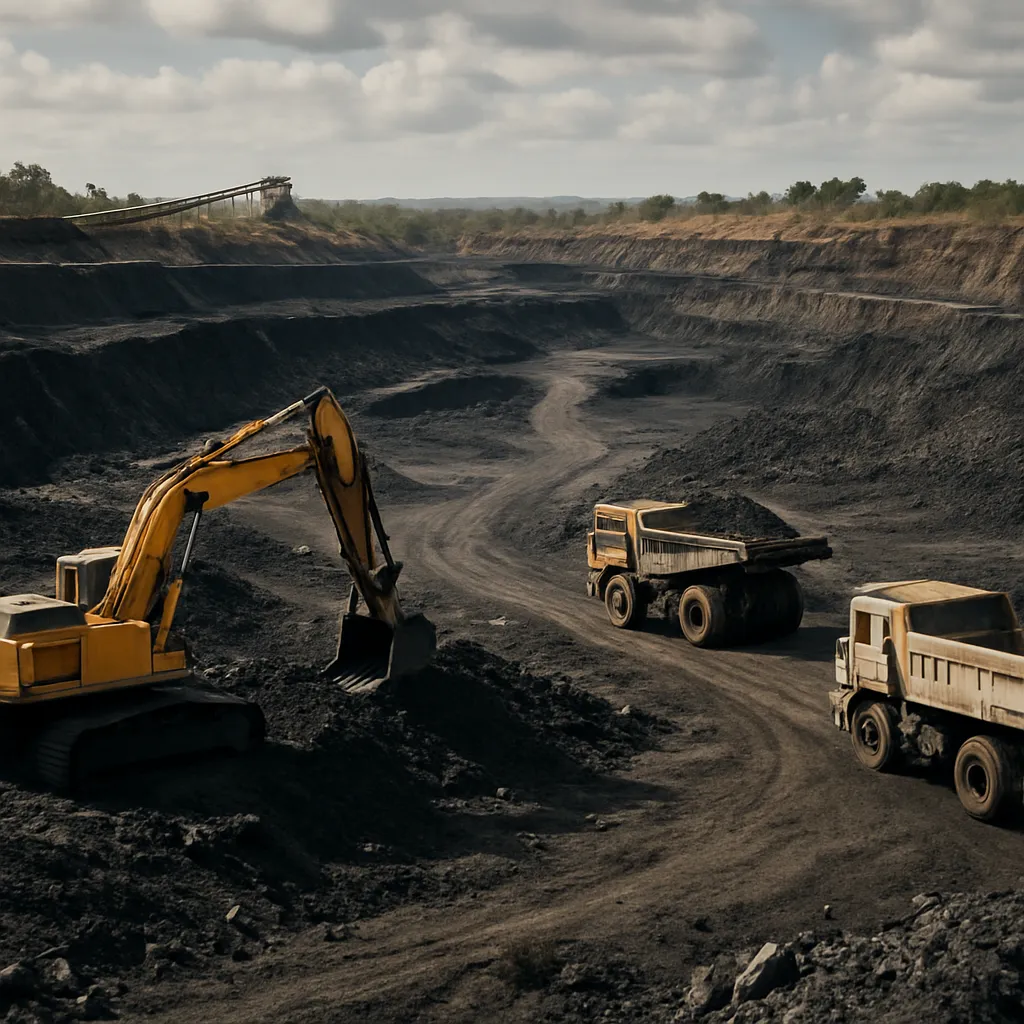
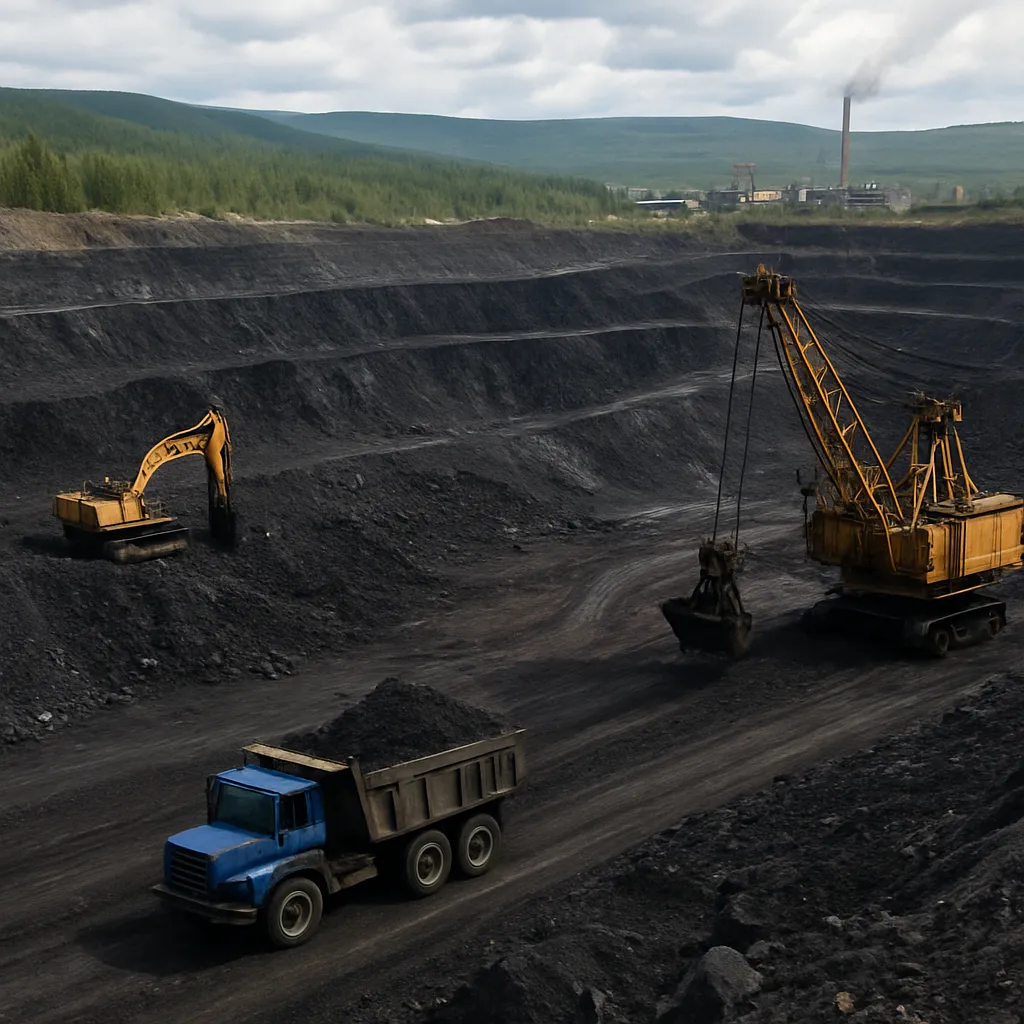
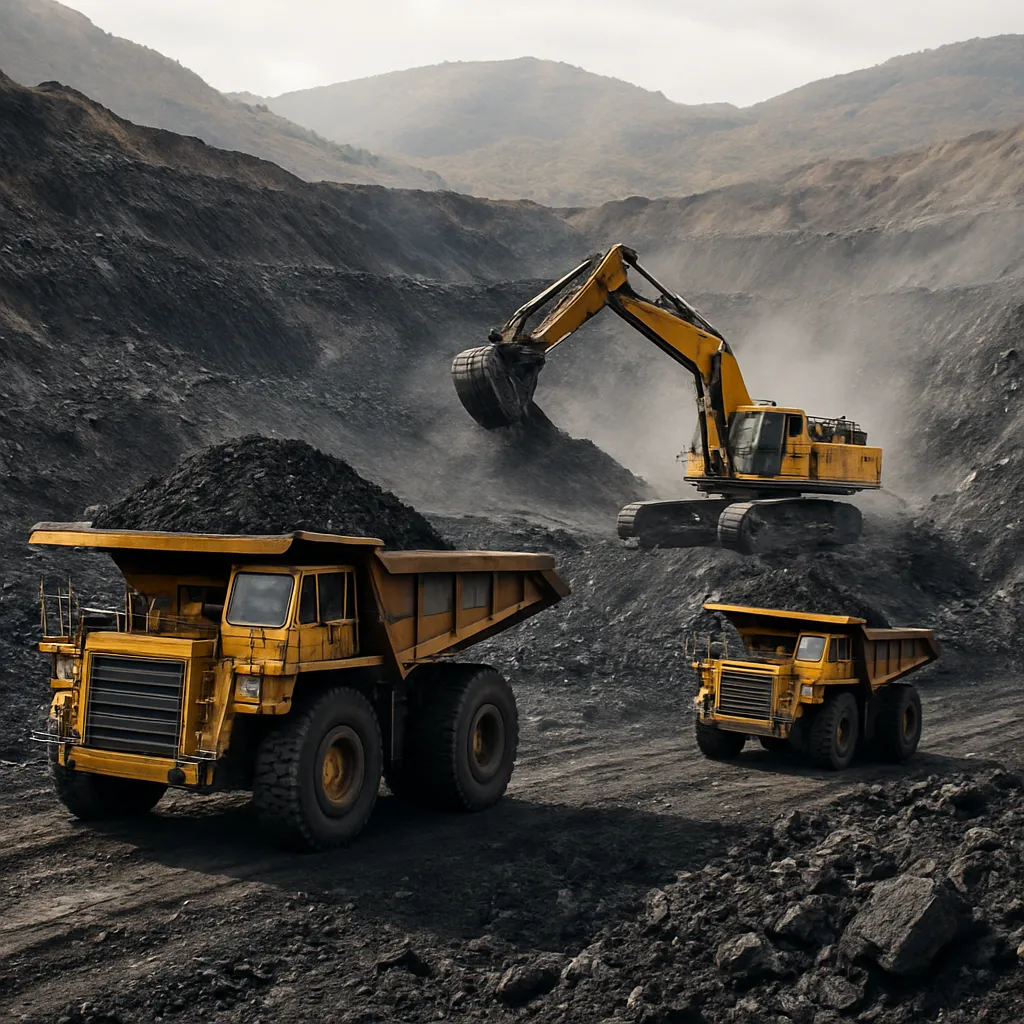
Mining at Mach has historically been adapted to the scale of deposits and local economic conditions. Operations range from small-scale manual and artisanal mining to more organized opencast workings where surface conditions permit.
- Opencast (surface) mining is favored where coal seams outcrop or are shallow because it allows higher recovery rates and lower unit costs. In many parts of Pakistan, including Balochistan, seasonal and local contractors operate small opencast benches.
- Underground mining occurs where seam depth or overburden thickness makes surface methods uneconomic. These operations tend to be more labor-intensive, have lower productivity per worker, and pose higher safety risks if not properly engineered.
- Mechanization levels at Mach are generally modest compared with large industrial mines — heavy earthmoving equipment may be used in some opencast sites, while underground workings often rely on conventional drilling, blasting and manual loading.
Safety, ventilation and mine water management are critical operational concerns. Smaller operations may suffer from limited investment in personal protective equipment, formal ventilation systems, and systematic ground control, increasing risks for miners.
Coal Quality: Characteristics and Uses
The coal produced from Mach is primarily used for local fuel needs, small industrial consumers and in some cases cement and brick manufacturing. The following quality characteristics are commonly reported for coals in Balochistan fields similar to Mach (variability between coalfields and seams is common):
- Calorific value: reported ranges commonly lie between roughly 3,000 and 6,000 kcal/kg on an as-received basis, depending on seam and moisture content. This places most material in the sub-bituminous to low bituminous categories.
- Ash content: tends to be moderately high in many Pakistani coals, frequently ranging from 20% to over 40% by mass in some seams. High ash reduces thermal efficiency and increases handling costs for combustion residues.
- Sulfur and moisture: sulfur content is typically variable but often moderate; moisture can be significant in lower-rank coals and influences effective calorific output per tonne.
- Physical properties naturally influence end-use: Lower-rank, higher-moisture coals are predominantly used locally for steam generation, industrial heating and brick/kiln firing, whereas higher-quality bituminous seams (if present) may have limited metallurgical applications.
Given the typical attributes, Mach coal is most valuable for decentralized thermal applications and local industry rather than export markets without beneficiation or blending to meet stricter international specifications.
Economic and Industrial Significance
Even though Mach is not one of Pakistan’s largest coalfields by international standards, its role at the local and provincial levels is noteworthy. Key economic contributions include:
- Energy supply for local communities and industry: Mach coal feeds small powerhouses, brick kilns, small cement or lime works and household heating in colder months—reducing dependence on transported fuels.
- Employment and livelihoods: mining, haulage, and associated services provide direct and indirect employment in a region with few alternative large employers.
- Local revenue: royalties or local taxation linked to mining can support district-level budgets and public services when appropriately administered.
- Supply chain development: local demand for heavy machinery, transport services, and maintenance can stimulate small business development.
At the national scale, Mach represents part of the broader strategy to diversify Pakistan’s domestic energy sources and to develop mineral resources across provinces. However, the contribution of Mach to national coal output is relatively small compared with major producing areas like Thar (lignite) and larger Punjab/Sindh/Pakistan coalfields specialized for industrial supply.
Available Statistics and Data Limitations
Reliable, up-to-date statistical information for Mach is limited in the public domain. Many smaller coalfields in Pakistan lack modern, uniformly conducted resource assessments. The figures below summarize what is commonly reported for small Balochistan fields and the general situation for Mach-like deposits. These should be treated as indicative rather than definitive.
- Reserves and resources: public estimates for small Balochistan coalfields often range from a few million tonnes to several tens or low hundreds of millions of tonnes in in-place resources. Mach is commonly cited in regional coal inventories as a small-to-medium deposit within this broad band. Exact proved reserves (economically recoverable) are frequently not reported publicly or are labeled as “to be confirmed” due to limited exploration.
- Production: annual production from smaller fields typically ranges from thousands to low tens of thousands of tonnes per year for artisanal and small industrial operations. Larger, mechanized operations (if present) can scale to hundreds of thousands of tonnes annually, but such outputs are less common at Mach-level mines.
- Employment: workforce counts at small mines are usually dozens to a few hundred people on site, with wider indirect employment multiples in transport and services.
- Cost and pricing: delivered coal prices for local industrial consumers depend on quality and transport; lower-quality domestic coal is commonly priced well below imported coal and expensive liquid fuels, which is why it remains competitive for localized thermal use.
Because of data scarcity, planners and investors considering Mach-related projects typically require targeted exploration (drilling, resource modeling) and feasibility studies to establish bankable reserves and realistic production plans.
Environmental, Social and Safety Considerations
Coal mining anywhere presents environmental and social challenges; Mach is no exception. The following are commonly observed issues and considerations:
- Air quality and emissions: direct combustion of unwashed coal with high ash produces elevated particulate emissions, compromising local air quality. Greenhouse gas emissions (CO2) are also a global concern for any coal-based fuel use.
- Water: mining and runoff can affect local water quality and availability, particularly in arid regions of Balochistan where water resources are scarce.
- Land disturbance: opencast workings create large disturbed areas that require reclamation; failure to rehabilitate can cause erosion and loss of grazing land or farmland.
- Community impacts: while mining brings jobs, it can also bring social change, land use conflicts, and pressures on local services. Sound consultation and benefit-sharing frameworks are essential.
- Mine safety: smaller, less regulated underground workings can have elevated risks of roof collapse, poor ventilation, and lack of emergency response capacity. Strengthening regulatory oversight, training and safety culture is a priority.
Mitigation and best-practice approaches for sites like Mach include improved mine planning, introduction of beneficiation to reduce ash, dust control measures, formal land-rehabilitation programs, community development agreements, and careful water management.
Role in Regional Development and Energy Strategy
From a regional policy perspective, the Mach Coal Mine can contribute to objectives such as local economic development, energy access, and industrialization. Specific strategic roles include:
- Decentralized energy: small coal-fired boilers and thermal plants fueled by local coal can supply electricity and process heat to nearby towns and industries where grid access is limited or fragile.
- Complement to national coal strategy: while Thar occupies most strategic attention due to its massive lignite reserves, smaller fields like Mach diversify supply and reduce dependency on a single region.
- Raw material for manufacturing: brick making, cement kilns and lime production are local industries that benefit from steady supplies of thermal coal.
However, long-term national commitments to emissions reduction and renewable energy mean any expansion of coal use must be carefully weighed against environmental targets and the economics of alternative fuels.
Investment, Technology and Modernization Potential
Several paths exist to improve the productivity, environmental performance and economic returns at Mach:
- Resource appraisal: comprehensive drilling, geophysical surveys and seam modeling would allow conversion of speculative resources into proven reserves, unlocking investment.
- Coal beneficiation: washing and processing can reduce ash and sulfur, increasing calorific value and marketability.
- Mechanization: targeted mechanization of opencast benches and introduction of safer underground mining equipment can increase recovery and reduce unit costs while improving safety.
- Emission controls: deploying particulate control, flue-gas desulfurization and more efficient combustion technologies at local plants reduces environmental impacts.
- Alternative uses: possibilities include coal-to-chemicals or gasification projects; however these require larger and more consistent feedstock volumes than many smaller fields can provide.
Investment decisions will hinge upon the availability of reliable reserve data, the cost of transport to markets, local electricity and fuel prices, and policy incentives or restrictions relating to fossil fuel development.
Interesting Historical and Social Notes
Coal mining in Balochistan has a long, if uneven, history dating back to colonial times and earlier local use. Mach and other regional mines reflect a patchwork of small enterprises, seasonal work and family-based mining traditions. Local cultures around mining areas have adapted to the rhythms of extraction, transport and brick-making cycles, and in many places the social fabric includes multi-generational mining families.
Some smaller mines have historically operated informally; as jurisdictions mature, there is increasing pressure to regularize operations, improve legal frameworks for royalties and land use, and integrate mining into broader development planning. The potential for heritage and community narratives around mining can also be an asset for social cohesion if managed transparently.
Future Prospects and Concluding Observations
The Mach Coal Mine holds potential as a contributor to local energy and economic needs. Its future trajectory depends on several interlinked factors:
- the extent and quality of confirmed reserves, which require more systematic exploration to clarify;
- investment in beneficiation and modernization to increase value per tonne and reduce environmental impacts;
- policy choices at provincial and national levels regarding the role of coal in Pakistan’s energy mix and climate commitments;
- market dynamics, including the comparative price of imported fuels, local demand growth, and transportation logistics.
Practically, the most likely near-term pathway for Mach-style coalfields is a continued role as feedstock for local thermal needs and small industry, supplemented by targeted upgrades in mining practice and modest beneficiation to improve product quality. For stakeholders—government, local communities, investors and environmental groups—the priorities include safe mining, fair revenue sharing, mitigation of environmental impacts and transparent resource assessment so that decision-making is grounded in accurate technical and economic understanding.
Key Terms Emphasized
Throughout the text, several concepts are central to understanding Mach’s importance: Mach coalfield, Balochistan, coal, reserves, calorific value, ash content, energy security, employment, mechanization and sustainability. These words reflect the technical, economic and social dimensions that any comprehensive assessment of the Mach Coal Mine should consider.