The Lahai Coal Mine is one of the many coal mining operations located in Indonesia, a country that plays a pivotal role in the global coal market. While detailed public data about Lahai specifically can be limited compared with major, well-known mines, this article compiles geological, operational, economic and environmental perspectives that place Lahai within the broader context of Indonesian coal mining. The following sections explore where the mine is located, what type of coal is typically produced in similar Indonesian basins, the mine’s likely economic contribution, regulatory background and environmental management approaches.
Location, Geological Setting and Mining Method
The Lahai Coal Mine is situated in Indonesia, within one of the country’s sedimentary basins that host coal deposits formed during the Tertiary period. Indonesian coal basins such as those in South Sumatra, Kalimantan (Borneo) and East Kalimantan are characterized by extensive coal-bearing sequences that were created from ancient peat swamps and deltaic environments. Mines in these regions commonly exploit thick, laterally continuous seams.
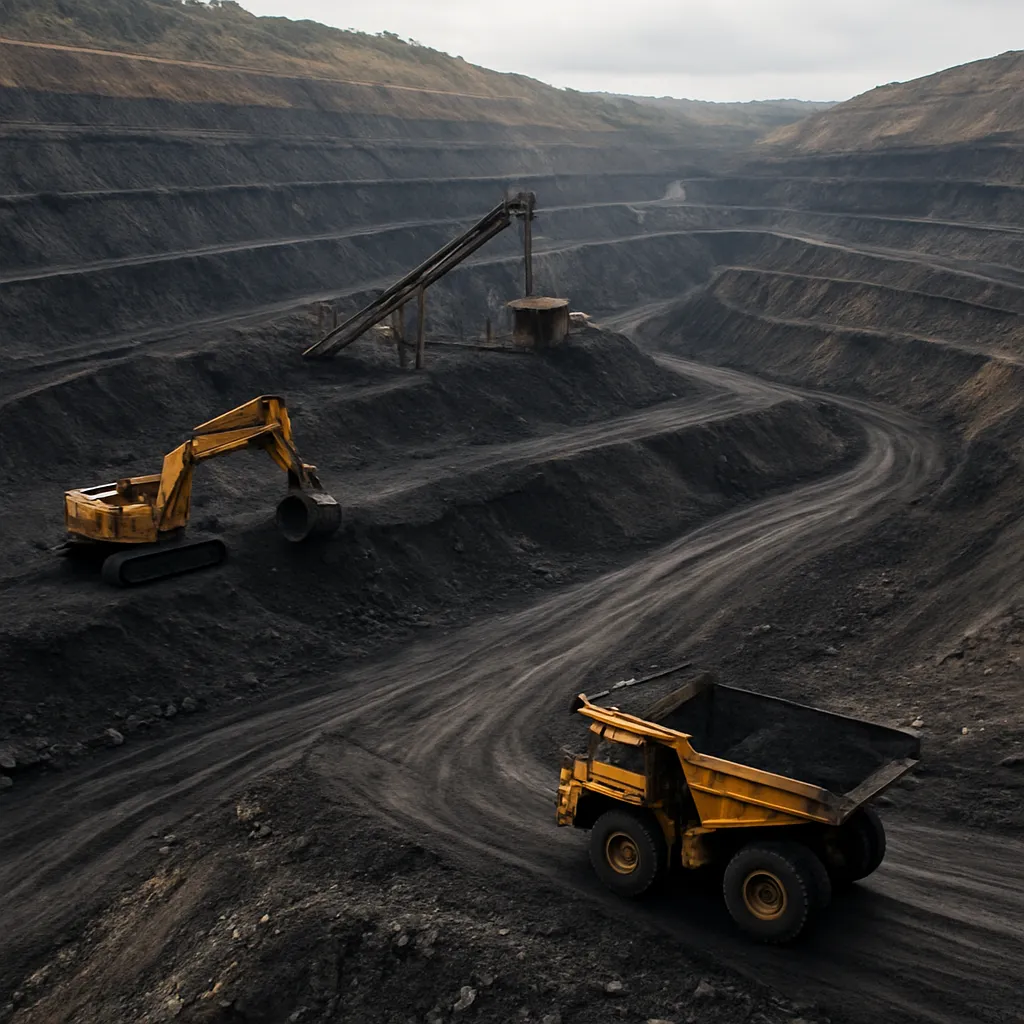
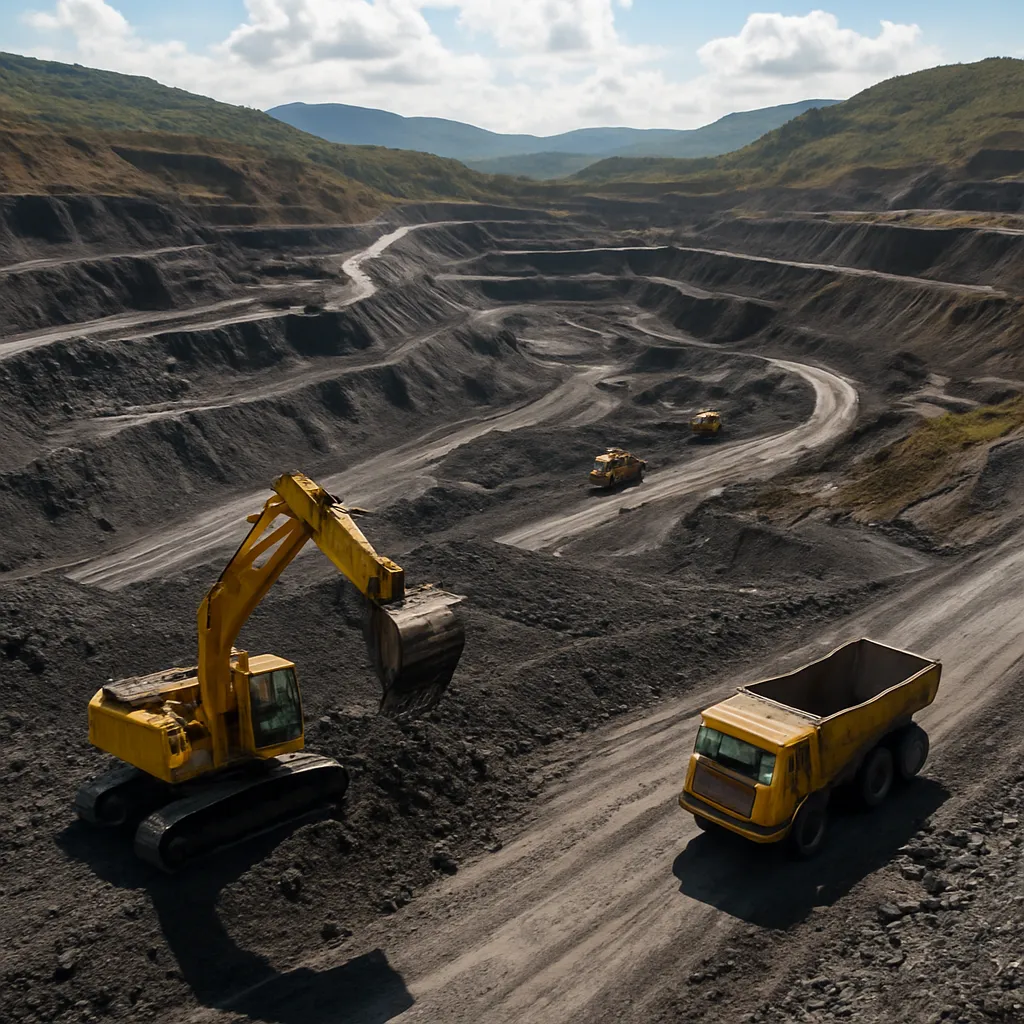
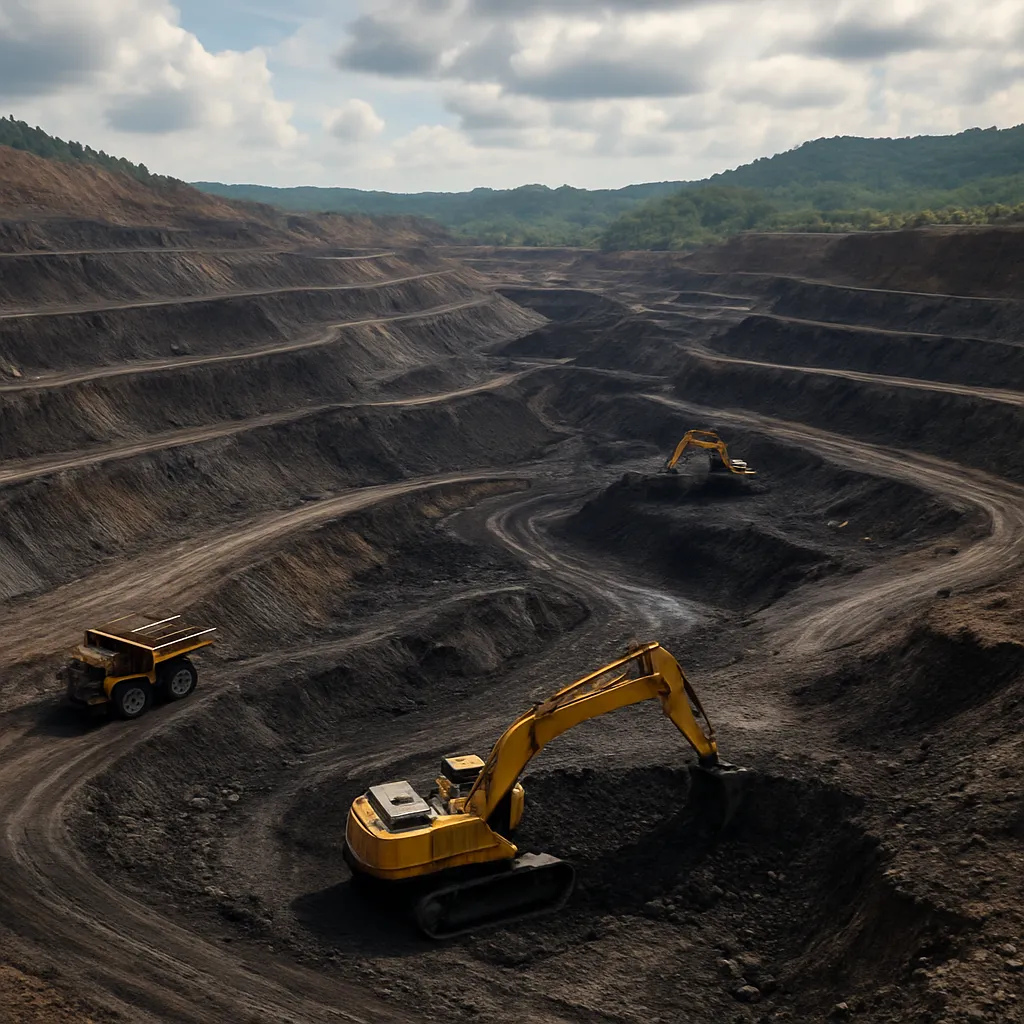
From a geological standpoint, Indonesian coal deposits are typically associated with relatively shallow, near-surface seams that are amenable to open-pit mining. Open-pit extraction is widely used because it is cost-effective for seams that outcrop or lie close to the surface, enabling removal of large volumes of material with heavy earthmoving equipment. At mines like Lahai, operations usually involve:
- stripping of the overburden (soil and rock above the coal seam);
- progressive benching and stockpiling of coal and waste;
- on-site crushing, screening and sometimes washing to improve product quality;
- transport by truck, conveyor or rail to nearby ports or industrial consumers.
The seam characteristics in many Indonesian mines produce coal that is geochemically variable but often falls into the sub-bituminous to lignite categories. These coals tend to have moderate-to-high moisture content and lower calorific values than higher-rank coals such as bituminous or anthracite.
Coal Quality, Processing and Markets
Coal from Indonesian mines similar to Lahai is primarily used for thermal power generation and industrial processes. Typical quality characteristics include:
- calorific value commonly ranging from approximately 4,000 to 6,000 kcal/kg for sub-bituminous coals (values vary by seam and washing level);
- moisture content that can be elevated in raw product, which may be reduced through washing and drying;
- ash and sulfur contents that are generally low-to-moderate, making Indonesian coal attractive to some importers because of relatively favorable combustion properties;
- variable volatile matter and fixed carbon proportions that affect how coal performs in power plants.
Processing at-site often includes basic crushing and screening and, where economic and technically feasible, coal washing to improve calorific value and lower ash content. Washed coal commands higher prices on export markets and is preferred by thermal power plants that require more consistent quality to meet emissions and efficiency targets.
Market orientation for a mine like Lahai is typically a mix of domestic supply to Indonesian power utilities and industrial consumers, and exports to major Asian markets—especially when local infrastructure connects the mine to ports. Major importers of Indonesian coal historically include India, China, Japan, South Korea, Taiwan and various Southeast Asian nations. The split between domestic and export sales depends on contractual arrangements, logistics and state energy policy.
Economic and Social Importance
Coal mining sites such as Lahai contribute to both local and national economies in several direct and indirect ways. Key economic roles include:
- direct employment of local workers in mining operations, equipment maintenance, logistics and administration;
- generation of contractor and supplier business opportunities (transport, fuel, parts, catering, accommodation);
- royalties, taxes and fees paid to central and regional governments under Indonesia’s mining regulatory framework;
- contributions to local infrastructure through investments in roads, power and community projects as part of corporate social responsibility (CSR) programs;
- support for downstream industries such as power generation, cement manufacture and metal processing.
At the regional level, a mine’s workforce and associated services can be a major source of income. Even smaller operations can be significant employers in rural districts where alternative economic opportunities are limited. The scale of contribution depends on the mine’s size: small-to-medium mines typically produce hundreds of thousands to a few million tonnes annually, while large operations can produce tens of millions of tonnes. Publicly available production figures for some individual mines are limited; therefore, precise Lahai production statistics may not be broadly published.
Regulatory Context and Governance
Indonesia’s coal sector is regulated under national mining law and implementing regulations that address permitting, royalties, environmental protection and mine closure. A key legal framework is the national mining law (commonly referenced as the Minerba law), which sets out licensing categories such as IUP (Izin Usaha Pertambangan, Mining Business License) and prescribes obligations for environmental management and post-mining rehabilitation. Important regulatory themes include:
- licensing and tenure: companies must secure valid mining permits and comply with concession conditions;
- royalties and fiscal terms: producers pay taxes and royalties to both central and regional governments, which form part of local development budgets;
- environmental requirements: mines must prepare Environmental Impact Assessments (AMDAL) or equivalent, implement wastewater and dust control measures, and plan for progressive reclamation;
- community engagement: operators are expected to maintain relations with local communities and can be required to fund social programs;
- rehabilitation and closure: legal and financial obligations require mines to plan for final closure, including landform stabilization, re-vegetation and long-term monitoring.
Compliance with these rules varies across projects. International buyers and financiers increasingly require adherence to environmental and social standards, which motivates improvements in governance and transparency at many operations.
Environmental and Social Impacts
Mining activity invariably carries environmental and social implications. Typical impacts linked to open-pit coal mines like Lahai include:
- land clearance and loss of native vegetation, which affects biodiversity and local ecosystems;
- alteration of surface hydrology and potential impacts on groundwater when deep pits or dewatering are required;
- suspended sediment and water quality issues in nearby rivers from runoff if not properly controlled;
- dust and noise from blasting, hauling and crushing activities that can affect human health and wildlife;
- greenhouse gas emissions from fuel use in equipment and from combustion of mined coal downstream;
- social effects including population influx, changes in land use, and pressures on local services and livelihoods.
Operational responses to these impacts typically include sediment control systems, progressive rehabilitation, dust suppression, biodiversity offset planning where necessary, and community development programs. A key technical challenge is the restoration of disturbed land—successful rehabilitation requires careful soil handling, selection of appropriate native species and long-term monitoring to re-establish functionally useful ecosystems rather than merely superficial vegetation cover.
Statistics and Financial Considerations
Detailed production and financial data for the Lahai Coal Mine specifically may be limited in publicly available sources. However, broader statistics for Indonesia’s coal sector help frame the mine’s potential role:
- Indonesia is one of the world’s largest coal producers and exporters, supplying a substantial share of thermal coal to Asian power markets.
- national production and export volumes fluctuate year to year in response to global demand, domestic policy and price dynamics.
- coal revenues are an important component of export earnings and contribute to national and regional government budgets through taxes and royalties.
For individual mines, the economic performance depends on several factors including coal quality, strip ratio (amount of overburden relative to coal), proximity to transport infrastructure, contractual terms, and global coal prices. Costs commonly include extraction and processing, transport to port or power plant, environmental compliance, royalty and tax obligations, and social spending.
Profitability is sensitive to international thermal coal prices, often benchmarked by indices such as the Indonesian Coal Index (ICI) and other regional price markers. Mines with higher-quality or washed products generally achieve better pricing and stronger margins. Conversely, operations facing higher stripping ratios or limited access to efficient logistics may struggle unless supported by higher prices or long-term offtake contracts.
Technology, Safety and Workforce
Modern coal mines in Indonesia utilize heavy equipment—excavators, dump trucks, dozers—and increasingly adopt technologies for improved safety and efficiency, such as fleet management systems, GPS tracking, and digital ore/waste tracking. Safety programs focus on reducing haul road incidents, controlling blasting risks and ensuring worker training for equipment operation and emergency response.
Workforce development and localization of employment are important social dimensions. Mines often employ a mix of local labor for entry-level and medium-skilled jobs, with specialized roles brought in by contractors or trained locally over time. Training centers, apprenticeship schemes and collaborations with vocational schools are common initiatives to enhance local hiring and skills transfer.
Rehabilitation, Closure and Future Outlook
Closure planning is a legal and practical necessity. A credible closure plan for a mine like Lahai includes financial provisioning for rehabilitation, technical plans to restore topography and soils, and socioeconomic strategies for alternative land uses (agriculture, forestry, aquaculture, or recreation). Operators increasingly explore innovative post-mining uses, such as:
- conversion of final voids into freshwater reservoirs or aquaculture ponds where geotechnically safe;
- rehabilitation for agroforestry or native forest restoration;
- development of community infrastructure on rehabilitated land.
Looking ahead, the future of individual coal mines in Indonesia will be shaped by evolving energy policies, global climate commitments, market demand for thermal coal, and investor requirements related to environmental and social governance. While global decarbonization efforts create longer-term uncertainty for coal, many Indonesian mines continue to operate under existing demand patterns and contractual obligations. Transition strategies—such as diversification into other minerals, renewable energy development on rehabilitated land, or integration of carbon management practices—may influence how mines like Lahai evolve through the coming decades.
Interesting and Practical Notes
Some additional points that may be of interest to readers exploring the Lahai Coal Mine and similar operations:
- Local context matters: the socioeconomic footprint of a mine depends critically on local governance, community relations and infrastructure connectivity.
- Logistics determine competitiveness: proximity to rivers, ports and roads strongly affects delivered costs and market access.
- Quality upgrading is valuable: washing and quality control can significantly raise export values and broaden market choices.
- Environmental costs are real: effective mitigation and rehabilitation require sustained investment and long-term planning beyond the operational phase.
- Transparency supports trust: publishing environmental and social performance data, together with production figures, benefits both communities and investors.
In summary, the Lahai Coal Mine is part of Indonesia’s broad coal landscape—geologically endowed, economically significant to local regions, and subject to growing environmental and regulatory expectations. While specific mine-level statistics may not always be in the public domain, the typical patterns described above provide a robust framework to understand its likely characteristics: an open-pit operation producing sub-bituminous coal for domestic and export markets, contributing to employment and regional revenues, while facing challenges related to environmental management and long-term sustainability. Strategic investments in rehabilitation, community engagement and operational efficiency will shape its legacy in the years to come.