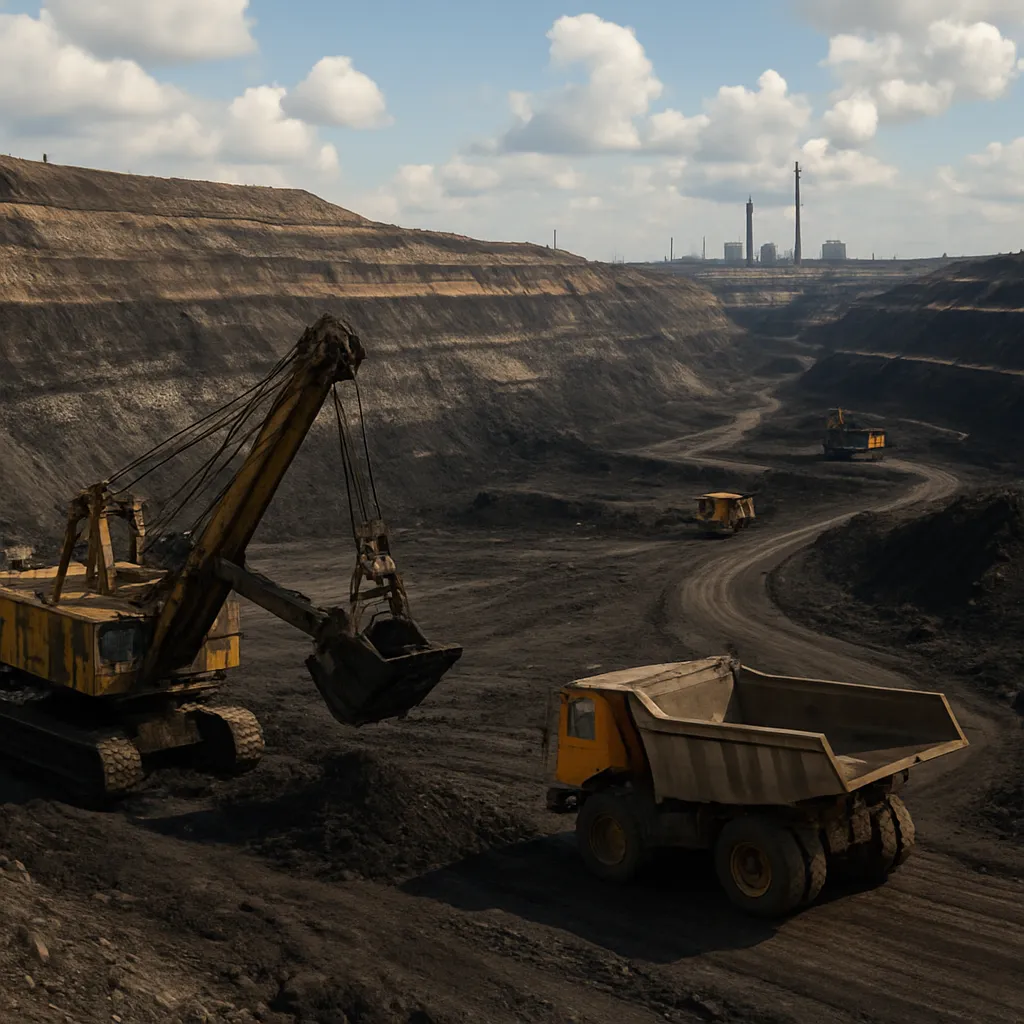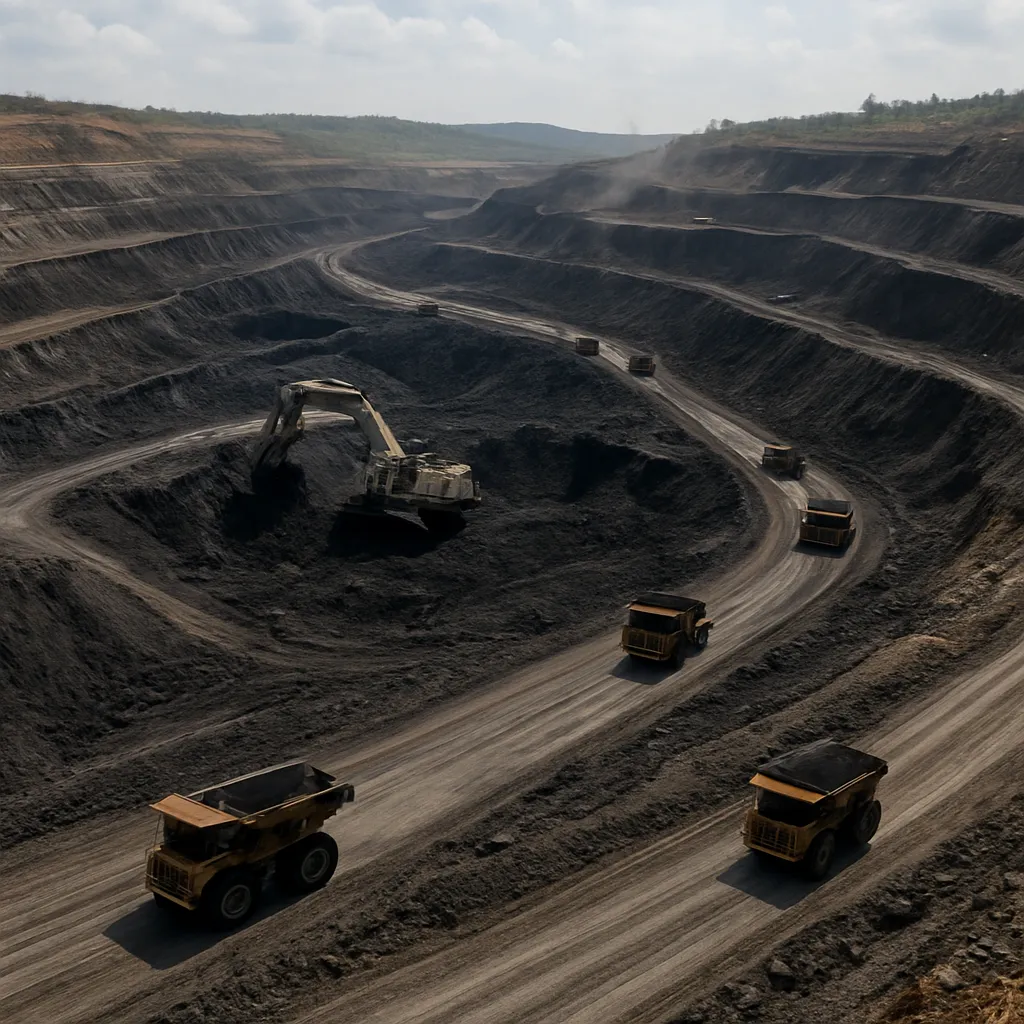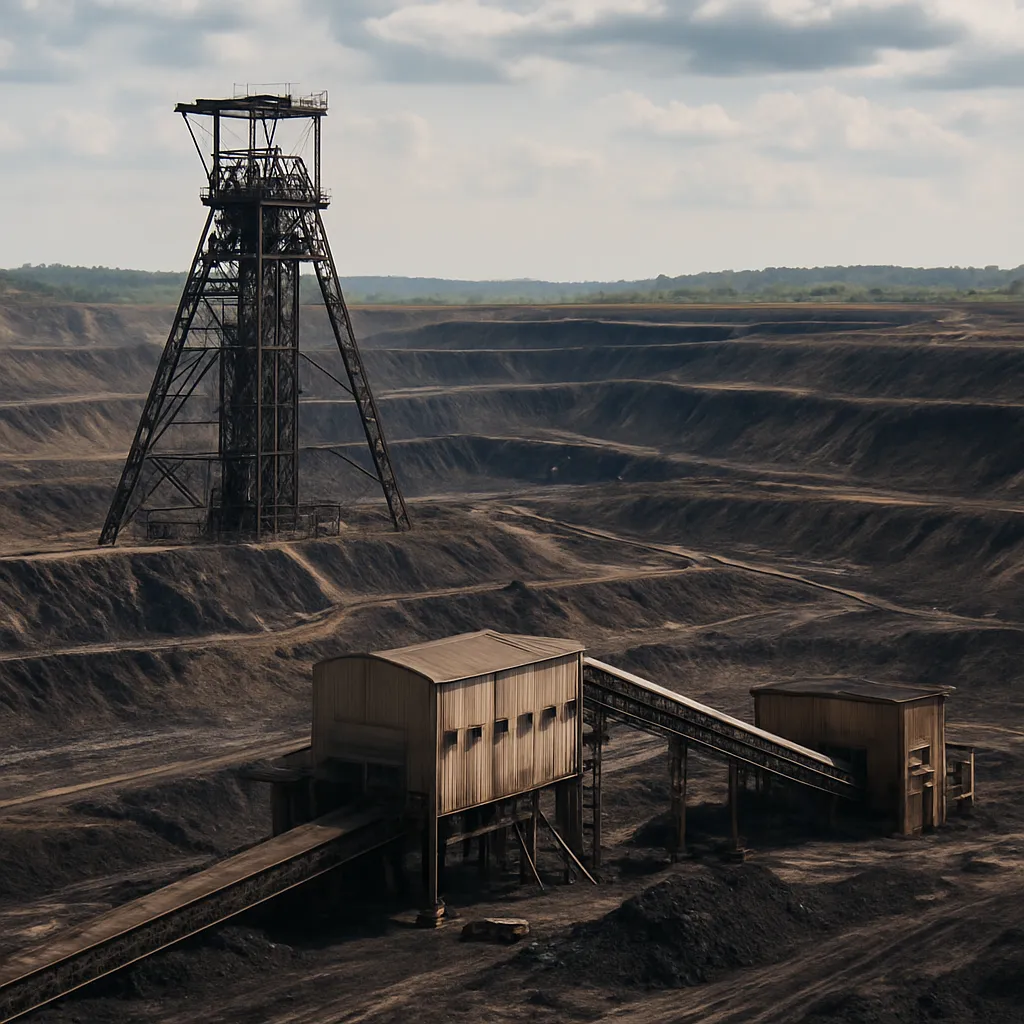
This article examines the Janina Coal Mine in southern Poland, providing a comprehensive overview of its **location**, **history**, geological setting, the type of **coal** extracted, economic and social significance, production and statistical information, environmental and safety aspects, and its role in the ongoing energy transition. The aim is to present a clear, contextualized picture of Janina’s place within Poland’s coal sector and the regional economy, together with notable facts and operational challenges faced by modern hard-coal mines in Poland.
Location, history and regional context
Janina Coal Mine is located in the town of Libiąż, in the Chrzanów County of the Lesser Poland Voivodeship (Małopolskie) in southern Poland. Although administratively in Lesser Poland, the mine lies on the northern edge of Poland’s historic industrial belt and close to larger Silesian mining regions, connecting it to a long tradition of deep-coal mining in the country. The mine’s operations began in the early 20th century when industrial-scale extraction expanded across the region; since then Janina has been an important local employer and an element of the regional industrial landscape.
Historically, Janina was established to exploit local coal deposits discovered in the late 19th and early 20th centuries. Over decades the mine developed an underground network, shafts and surface infrastructure, adapting to changes in mining technology and market demand. Like many Polish coal mines, it experienced nationalization in the mid-20th century under state management, followed by various stages of restructuring and ownership changes in the post-communist era. Throughout its operational life Janina has been integrated into regional energy and industrial supply chains, supplying fuel for power stations, heating plants and industrial consumers.
Geology and the type of coal
Janina extracts hard coal (bituminous coal) from underground seams. The local geology consists of sedimentary strata typical for Polish coal-bearing basins, with multiple coal seams at various depths. The coal mined at Janina is principally used as thermal coal for energy generation and heating; in some periods and for specific seams, coal suitable for coking or higher-quality industrial uses was also produced or blended to meet customer requirements.
The geological conditions at Janina require conventional deep-mining methods: development of shafts and galleries, extraction panels, roadways and longwall or room-and-pillar systems adapted to the seam geometry. Methane and water inflows, as in many domestic mines, present operational challenges that require constant monitoring, ventilation and pumping systems. The quality characteristics of the coal — calorific value, ash content, volatile matter and sulfur content — determine its marketability and the processing or blending required before delivery to consumers.
Coal characteristics (general)
- Type: Bituminous (hard) coal, predominantly thermal grades.
- Calorific value: Typical ranges for local bituminous coal: medium to high calorific values suitable for heating and power generation.
- Ash and sulfur: Moderate ash content; sulfur content varies by seam and affects environmental compliance.
- Common uses: Power stations, district heating, industrial boilers; occasional blending for coking applications.
Production, reserves and statistical data
Exact production and reserve figures for Janina have varied over time with market demand, technical accessibility of the coal seams and policy decisions. As with many mature mines in Poland, production levels peaked decades ago and have generally declined as accessible reserves were depleted and economic and environmental pressures mounted. Janina’s output has historically contributed tens to hundreds of thousands of tonnes per year, depending on the decade and investment cycles.
Available public data on older Polish mines show wide variability: at their most productive, mid-sized regional mines might reach annual production of several hundred thousand tonnes, while in later years older operations frequently reduced to lower production volumes as they focused on extracting remaining economically recoverable seams. Janina fits into this pattern as a regional mine with significant historical output but diminishing annual tonnage in recent decades compared to the industry peak periods.
Representative statistical indicators (illustrative)
- Annual production (historical peak): Mid-sized output at peak operation phases measured in hundreds of thousands of tonnes.
- Annual production (recent years): Reduced tonnage reflecting depletion and restructuring; often lower but still relevant to local supply chains.
- Employment: Historically employed several thousand people at full scale; in later years workforce numbers declined considerably as mechanization and downsizing occurred.
- Reserves: Remaining reserves typically described in terms of proven and probable categories; for legacy mines the economically recoverable reserves shrink with depth and cost.
Because mine-specific statistics change with time and company reporting cycles, readers seeking the latest quantitative information should consult the most recent corporate reports, national mining registries or local authorities for precise figures on production, reserves and employment for Janina in a given year.
Economic and regional significance
Janina Coal Mine has played a multifaceted role in the local and regional economy. As an employer, a purchaser of goods and services and a supplier of energy, the mine created direct and indirect economic linkages:
- Employment: For generations the mine was a major source of stable employment in Libiąż and surrounding communities, supporting families and local enterprises.
- Energy supply: Janina supplied coal to regional power plants, district heating systems and industrial consumers, contributing to energy security in the region.
- Local suppliers: The mine’s operations supported local service providers, equipment suppliers, logistics and maintenance companies, forming part of a broader industrial ecosystem.
- Public finance: Through taxes and social contributions, the mine contributed to municipal revenues and public services in its host communities.
The economic influence of Janina has changed over time. In periods of high production it drove substantial economic activity, while in recent decades, as the mine reduced output, local economies experienced transitions toward other sectors, or faced the challenges of mine restructuring, unemployment and the need for diversification.
Workforce, social impact and community relations
Mining communities are tightly knit around their industrial employers, and Janina is no exception. The mine has historically been a central institution in Libiąż, shaping local identity, culture and social infrastructure. Its workforce included miners, engineers, support staff and contractors — professions passed down through families for generations. Social aspects linked to the mine include:
- Work culture: Mining traditions, trade unions and workplace communities shaped social life.
- Safety and welfare: Mines operate welfare programs, health services and support initiatives for miners and their families.
- Education and training: Vocational schools and training programs in the region often focused on mining skills and occupational safety.
- Post-mining transition: When mines scale down or close, communities face the need for retraining, economic diversification and social support mechanisms.
Local authorities and mine operators typically collaborate on social programs, infrastructure investments and projects designed to mitigate the effects of downsizing. Redevelopment of former mining lands, support for small and medium enterprises (SMEs), and investment in new economic sectors are common elements of regional strategies.
Environmental and safety considerations
Deep coal mining poses significant environmental and safety challenges, and Janina’s operations involve managing these responsibly:
- Mine safety: Underground mining requires robust ventilation to control methane, rigorous roof support systems, gas monitoring, emergency preparedness and continual safety training.
- Water management: Pumping and treatment of mine waters are essential to prevent local groundwater impacts, acidification or uncontrolled outflows.
- Surface disturbances: Spoil tips, subsidence risk and land use constraints require monitoring, engineering mitigation and land reclamation after or during operations.
- Emissions and air quality: Dust, particulate matter and combustion emissions from coal use are environmental issues that affect local air quality and public health.
- Post-mining reclamation: Rehabilitation of mine sites — reshaping spoil heaps, revegetation, creating new land uses such as recreational areas or industrial parks — is a common environmental priority.
Polish and EU regulations shape the environmental management frameworks that mines must follow, including permits for water discharge, emissions limits, and requirements for reclamation planning and financial guarantees to ensure sites are properly remediated when operations cease.
Role in the Polish coal industry and energy transition
Janina is one among many legacy coal mines in Poland, a country whose energy system has been heavily reliant on coal for electricity, industrial heat and district heating. The prominence of coal historically gave rise to extensive mining infrastructure, specialized skills and regional economies dependent on mining. However, in the 21st century Poland faces the twin pressures of climate policy and the EU’s decarbonization agenda, requiring a gradual reduction in coal use, improvements in emissions controls and a managed just transition for mining communities.
Within this systemic shift, mid-sized regional mines such as Janina confront choices: invest in modernization to reduce environmental impact and prolong operations economically, shift production profiles, or prepare for phased closure with coordinated social and economic measures. The transition process entails both opportunities — redevelopment, new businesses and green investments — and risks — job losses, loss of local revenue and social costs if not managed proactively.
Industry integration and competitiveness
The commercial viability of Janina depends on many factors: coal prices, transport costs, competition from larger mines, regulatory compliance costs (environmental and safety), and the availability of investment. Integration with local power plants and heating networks helps secure demand, but longer-term competitiveness increasingly depends on the mine’s ability to meet environmental standards and to adapt to changing market structures.
Interesting facts and operational highlights
- Historical presence: Janina is part of a legacy of mining in southern Poland, with operations that span multiple generations and reflect the industrial history of the region.
- Underground engineering: The mine’s development showcases traditional deep-mining engineering adapted to the local geology, including shaft systems, ventilation networks and longwall panels.
- Community ties: Cultural and social connections between the mine and Libiąż are strong; mining events, unions and local customs reflect the mine’s long-term social role.
- Reclamation projects: Like many mines, Janina has planned or executed land reclamation measures to stabilize spoil tips and rehabilitate surface areas for new uses.
Challenges and future prospects
Looking ahead, Janina’s future is shaped by several interrelated challenges and potential pathways:
- Economic viability: Sustaining operations requires balancing extraction costs, necessary investments in safety and environmental controls, and market access.
- Regulatory environment: EU climate policy, emissions regulation and national energy strategies influence the demand for coal and the permissible operational envelope for mines.
- Social transition: Ensuring workers and communities can transition to alternative livelihoods — through retraining, investment and local development programs — is critical to maintaining social stability.
- Re-use and diversification: Redevelopment of mining assets for industrial parks, renewable energy installations, or recreation areas offers pathways to new economic roles for former mine lands.
Successful future scenarios typically require cooperation among mine operators, local and national governments, unions and private investors to craft long-term strategies that combine economic pragmatism with social responsibility and environmental stewardship.
Summary and concluding observations
Janina Coal Mine stands as an embodiment of Poland’s deep-coal mining tradition, with a long history of providing fuel, jobs and local economic impetus in the Libiąż area. The mine extracts **bituminous coal** and has historically contributed to regional energy supply and industrial activity. Over time production and employment patterns evolved in response to geological, economic and policy pressures. Today, Janina faces the same transition challenges confronting the entire Polish coal sector: the need to manage decline responsibly, invest where feasible to meet environmental standards, support affected communities and find sustainable post-mining land uses.
The story of Janina is not just about tonnes of coal extracted; it is about the communities shaped by mining, the engineering complexities of deep underground extraction, the environmental legacies to be managed and the broader economic transitions underway in Europe. The mine’s future will hinge on strategic decisions made by operators, policymakers and local stakeholders as they navigate a changing energy landscape while seeking to preserve livelihoods and remediate the environmental footprint of a century of coal extraction.
Key terms highlighted
Throughout this article the most important concepts — such as Janina, Libiąż, coal, bituminous, employment, production, reserves, economy, environment and energy transition — have been emphasized to help readers navigate the primary topics related to the mine’s operational profile and regional impact.