The Gare Palma IV/3 site is a notable component of India’s extensive coal-mining landscape. Located within the broader Gare Palma coalfields of central-eastern India, this block has attracted attention for its contribution to regional energy supply, local employment, and the complex environmental and social issues that accompany large-scale coal extraction. This article provides a comprehensive overview of the Gare Palma IV/3 deposit: its geological setting and location, the type and quality of coal extracted, mining methods and infrastructure, economic and industrial significance, and the environmental and social challenges shaping its present and future.
Location and Geological Context
Gare Palma IV/3 is situated in the coal-bearing region of central-eastern India, within the state of Chhattisgarh (or in some descriptions described as part of the wider Hasdeo-Arand/Gare basin depending on local administrative boundaries and naming conventions). The area lies in a belt of Gondwana sedimentary rocks that host the vast majority of India’s inland coal deposits. Coal seams in this region formed during the Permian to Carboniferous periods and are typically part of multi-seam sequences separated by sandstone, shale and occasional carbonaceous layers.
Geologically, the strata hosting Gare Palma IV/3 are characterized by:
- Multiple, relatively thick coal seams with varying depths from surface to several tens of meters, making them amenable to open-cast exploitation where conditions allow.
- Interspersed sedimentary rocks (sandstones and shales) that influence stripping ratios and mining design.
- Typical Gondwana coal properties—higher ash content and variable calorific value compared with some imported coals—leading to predominant use as thermal coal for electricity generation.
Mining Operations, Methods and Infrastructure
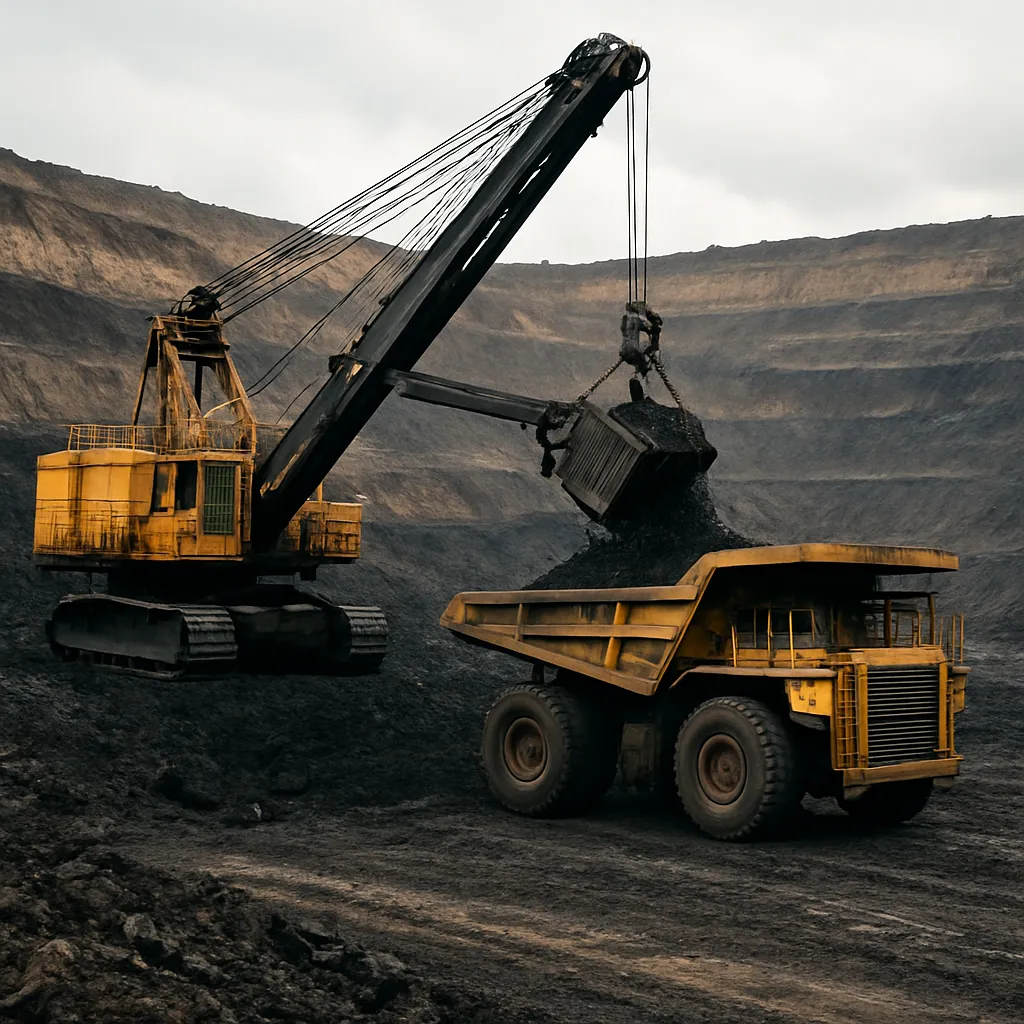
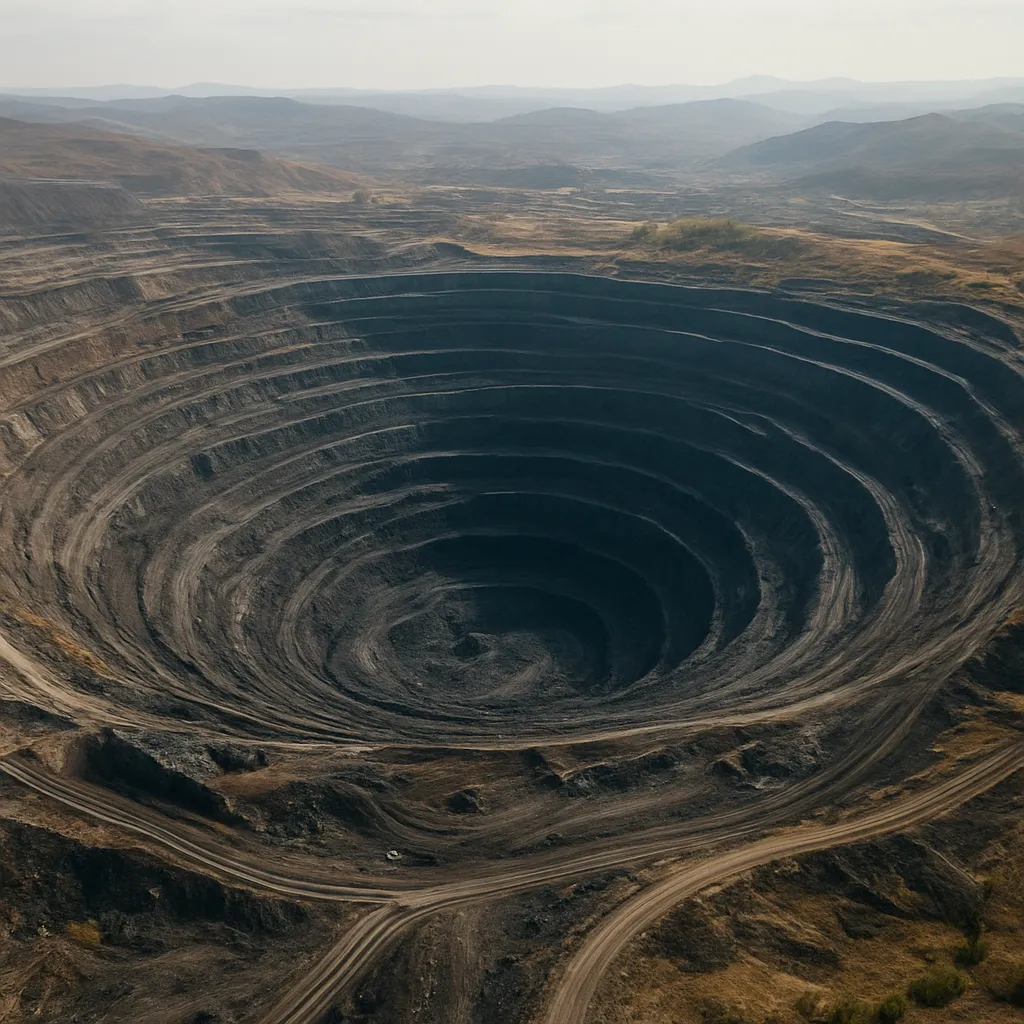
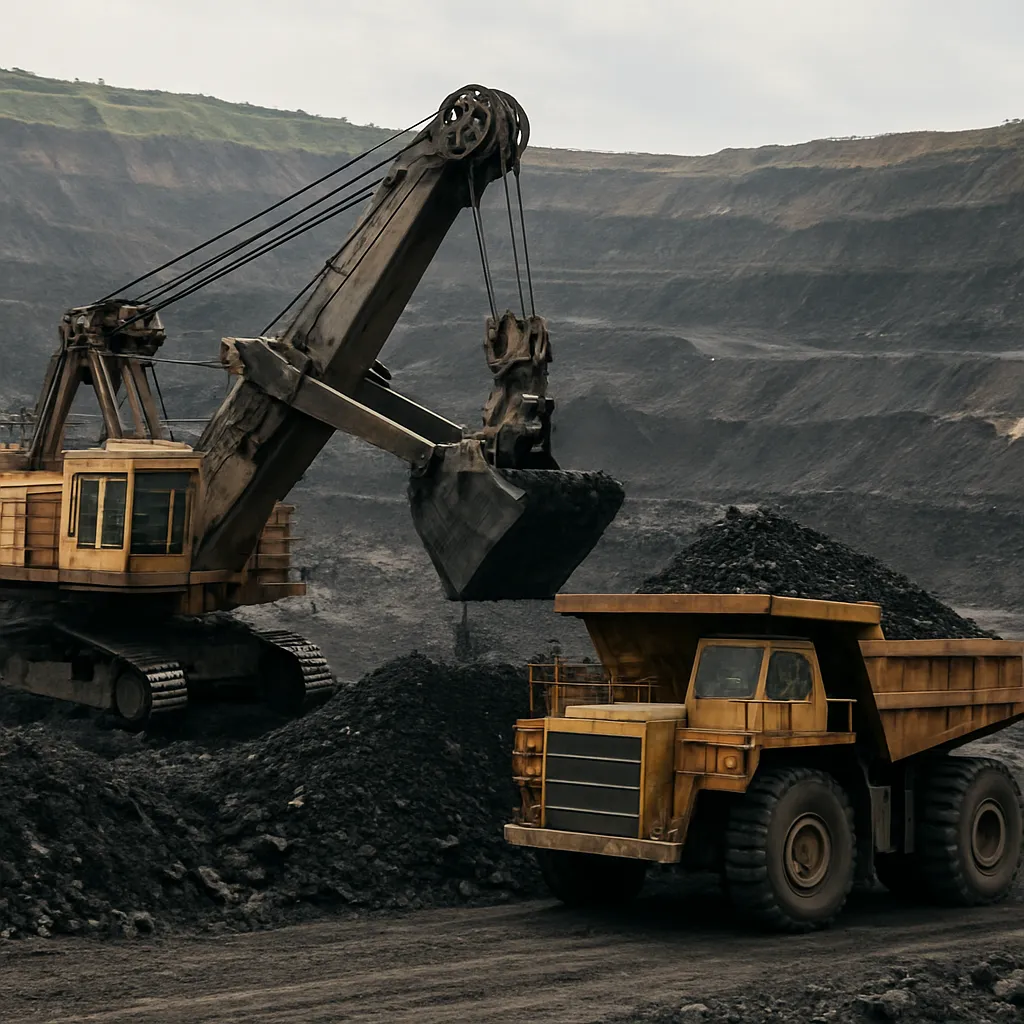
Gare Palma IV/3 is exploited using a combination of conventional and mechanized mining techniques common to large Indian coal blocks. The presence of shallow to moderate seam depths often favors open-cast mining (also called opencast), which provides high production rates and lower per-tonne extraction costs compared to underground mining.
Typical Mining Methods
- Large-scale opencast operations employing draglines, hydraulic shovels, and excavator-truck fleets for overburden removal and coal extraction.
- Use of continuous miners and bord-and-pillar systems where thinner seams or geological constraints require subsurface methods.
- Progressive rehabilitation and backfilling of mined-out benches as part of statutory reclamation planning, though the extent and success of rehabilitation vary by operator and site.
Supporting Infrastructure
- On-site coal handling and processing units for sizing and screening coal, and sometimes washery facilities nearby to reduce ash content for specific industrial consumers.
- Dedicated road and rail linkages to transport coal to nearby power plants and industrial customers; proximity to rail infrastructure is a major determinant of the block’s economic competitiveness.
- Utilities and worker accommodations—workers’ colonies, workshops, power supply, and water management systems—integrated into the mining complex.
Coal Quality and Typical Use
The coal produced from the Gare Palma area, including the IV/3 block, is generally classified as non-coking coal suitable primarily for thermal power generation. Key quality characteristics typically observed in the region include:
- Calorific value: Often in the range typical for Indian Gondwana coals—commonly lower than many imported coking coals, with gross calorific values that can range from moderate to medium (expressed typically in kcal/kg).
- Ash content: Relatively high ash compared with some international coals; ash fractions commonly have a noticeable effect on handling, transportation costs, and combustion efficiency in boilers.
- Moisture and volatile matter: Variable; volatility affects combustion characteristics and suitability for certain boiler designs.
These quality parameters make Gare Palma IV/3 coal principally useful for:
- Fuel for thermal power plants in the region and beyond.
- Fuel for large industrial boilers (cement, sponge iron) where high quality coking coal is not required.
- Occasional blending with higher-grade coals or washery-processed coal to meet specific calorific and ash specifications.
Economic and Industrial Significance
The Gare Palma IV/3 block contributes to several layers of economic activity: direct coal production, downstream power generation, employment, and regional infrastructure development. Coal remains central to India’s energy mix, and local blocks such as Gare Palma provide fuel security and shorter logistics chains for nearby industries.
Key Economic Roles
- Energy supply: Supplying coal to thermal power stations reduces dependence on long-distance coal transport and imported coal, contributing to grid stability and local energy security.
- Employment and livelihoods: Mines generate direct employment (miners, engineers, technicians) and indirect jobs in transport, equipment maintenance, catering and local services.
- Revenue: Royalties, taxes, and duties from mining operations support local and state government finances; mining companies reinvest in roads, health, and education in the mining hinterland as part of corporate social responsibility and statutory obligations.
Operators of Gare Palma IV/3 are typically linked to larger public sector coal-producing companies or licensed private operators under India’s mineral allocation frameworks. Historically, many blocks in this region have been under the aegis of Coal India Limited (CIL) subsidiaries such as SECL (South Eastern Coalfields Limited), though policy changes and competitive bidding have introduced private players in some coal blocks nationwide. The actual operator(s) for a specific sub-block can change over time depending on allocations, lease assignments, and auction outcomes.
Production and Statistical Context
Exact production figures for Gare Palma IV/3 may vary year to year based on operational plans, approvals, and market demand. In the wider context, blocks in the Gare Palma area contribute millions of tonnes annually to India’s coal output when combined with neighboring blocks. Key statistical points relevant to understanding the block’s significance include:
- Contribution to regional coal throughput: When aggregated with adjacent blocks in the Gare basin, production supports several nearby power plants and industrial units.
- Employment numbers: A single medium-to-large opencast block commonly employs hundreds to a few thousand direct workers, with additional indirect employment in logistics and services.
- Economic multipliers: Coal revenue supports local commerce, infrastructure projects and government receipts; the multiplier effect can be significant in remote or rural districts where mining is a leading industry.
Environmental and Social Considerations
Mining at Gare Palma IV/3, like many large coal operations, sits at the intersection of economic benefits and environmental/social costs. These concerns shape public debate, regulatory oversight, and the operational practices of mining companies.
Environmental Impacts
- Land use and deforestation: Opencast mining requires clearing vegetation and topsoil over extensive areas; in regions near forested tracts, this has led to significant habitat loss and fragmentation.
- Air and water quality: Dust from blasting, hauling and coal handling can degrade air quality; runoff and siltation can impact local streams and groundwater if not well managed.
- Waste management: Overburden and fly ash disposal require engineered storage; poor practices can result in leachate and long-term instability.
Social Impacts and Rehabilitation
- Displacement and resettlement: Mining-induced displacement of communities raises concerns about fair compensation, livelihood restoration, and cultural loss, especially where indigenous and forest-dependent communities live.
- Health and safety: Worker safety in mining operations is a paramount concern; sustained efforts in training, mechanization, and regulation aim to reduce accidents and occupational diseases.
- Community development: Mining companies often undertake development projects—schools, clinics, drinking water supply—as part of statutory obligations and corporate social responsibility. The effectiveness of these measures varies by project and operator.
Regulation, Policy and Governance
Gare Palma IV/3 operates within India’s mineral governance framework, which encompasses central and state regulations, environmental clearances, forest clearances where relevant, and land acquisition laws. Important governance aspects include:
- Environmental Impact Assessment (EIA) and public hearings required under Indian environmental regulations before major expansions or new projects commence.
- Forest and wildlife clearances if mining encroaches on forested land or protected areas; such clearances are often sources of contestation.
- Mineral lease administration by state governments, subject to central policy regarding allocation and auction of mineral blocks.
Challenges, Conflicts and Community Responses
Because the Gare Palma area lies in or near ecologically sensitive and densely inhabited rural landscapes, mining activity has sometimes provoked conflicts. Common flashpoints include:
- Disputes over land acquisition and adequacy of compensation.
- Concerns about long-term environmental degradation and loss of forest-dependent livelihoods.
- Debates between economic development advocates who emphasize energy security and jobs, and environmentalists and local communities calling for conservation and sustainable alternatives.
Mitigating these challenges requires transparent stakeholder engagement, adherence to best environmental practices (dust suppression, controlled blasting, progressive rehabilitation), and robust social safeguards that prioritize livelihood restoration and informed consent where possible.
Future Prospects and Strategic Importance
The near- and medium-term prospects for Gare Palma IV/3 are shaped by several trends and possibilities:
- Continued demand for domestic thermal coal in India means that well-located blocks with adequate reserves remain strategically important for national and state energy planning.
- Technological upgrades in mining and coal handling—automation, improved conveyors, washery integration—can enhance productivity and reduce environmental footprints.
- Policy shifts toward renewable energy will affect long-term demand trajectories for thermal coal; however, in the coming decade coal is likely to remain a significant component of India’s energy mix, particularly for baseload generation.
- Rehabilitation and post-mining land use planning present opportunities: reclaimed land can be repurposed for agriculture, forestry, reservoirs, or industrial estates if restored properly.
Interesting Facts and Broader Context
- Gare Palma IV/3 is one of many sub-blocks in the Gare Palma region; the aggregation of several such blocks creates a mining district whose combined output has outsized regional influence.
- Blocks in this region often highlight the tension between preserving biodiverse forest tracts and the economic need to access mineral resources; the Hasdeo-Arand area, in particular, has been a focal point of conservation activism.
- Improvements in rail logistics and coal handling have historically transformed the economic viability of blocks; access to reliable rail heads or dedicated loop lines is a key competitive advantage.
Summary
Gare Palma IV/3 represents a microcosm of India’s coal mining realities: a resource-rich block with significant contributions to regional energy and employment, coupled with environmental and social complexities that demand careful management. The coal produced there—primarily non-coking thermal coal—feeds power plants and industrial users, while the mining operations (largely open-cast in nature) require substantial infrastructure and governance oversight. The block’s future will depend on balancing energy needs, regulatory frameworks, technological improvements, and the legitimate rights and aspirations of local communities. As with many coal districts in India, planning for rehabilitation and economic diversification will be central to ensuring that the net legacy of industrial activity is sustainable and equitable for generations to come.