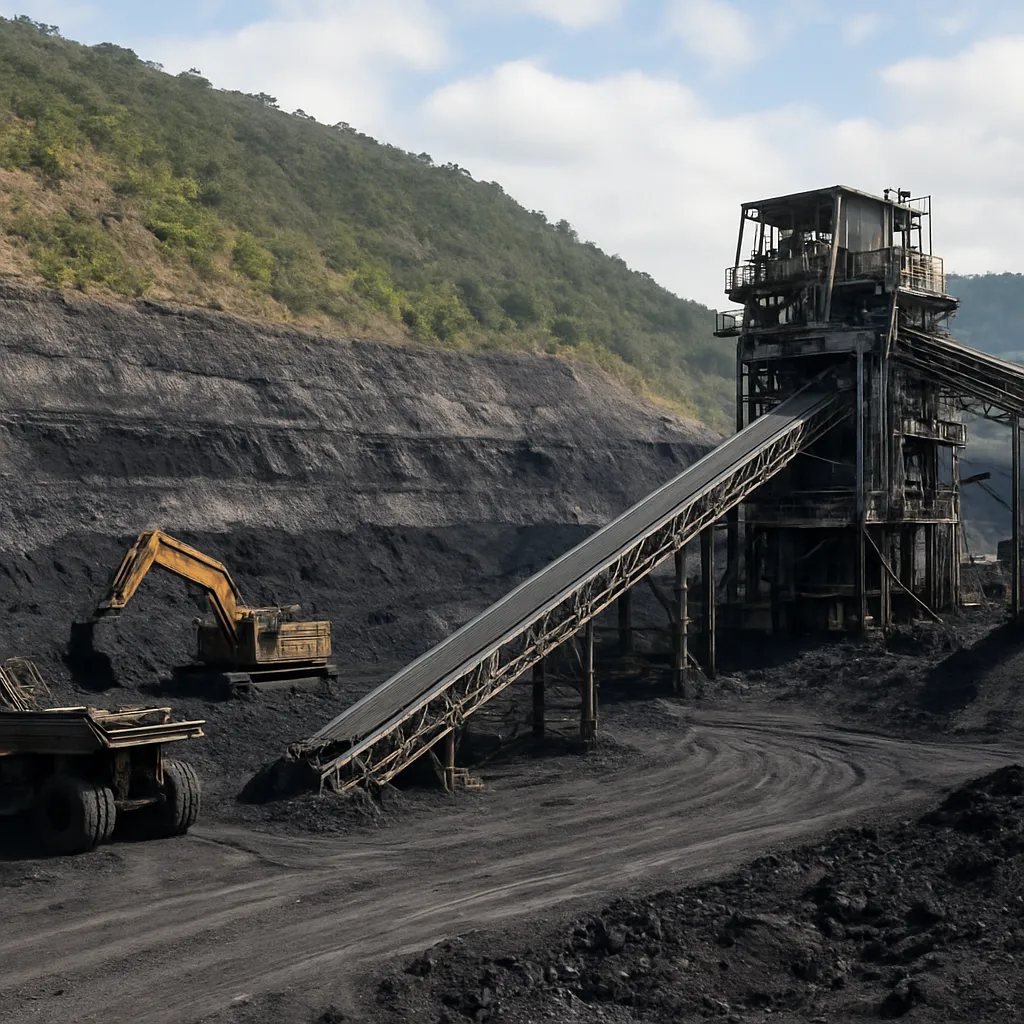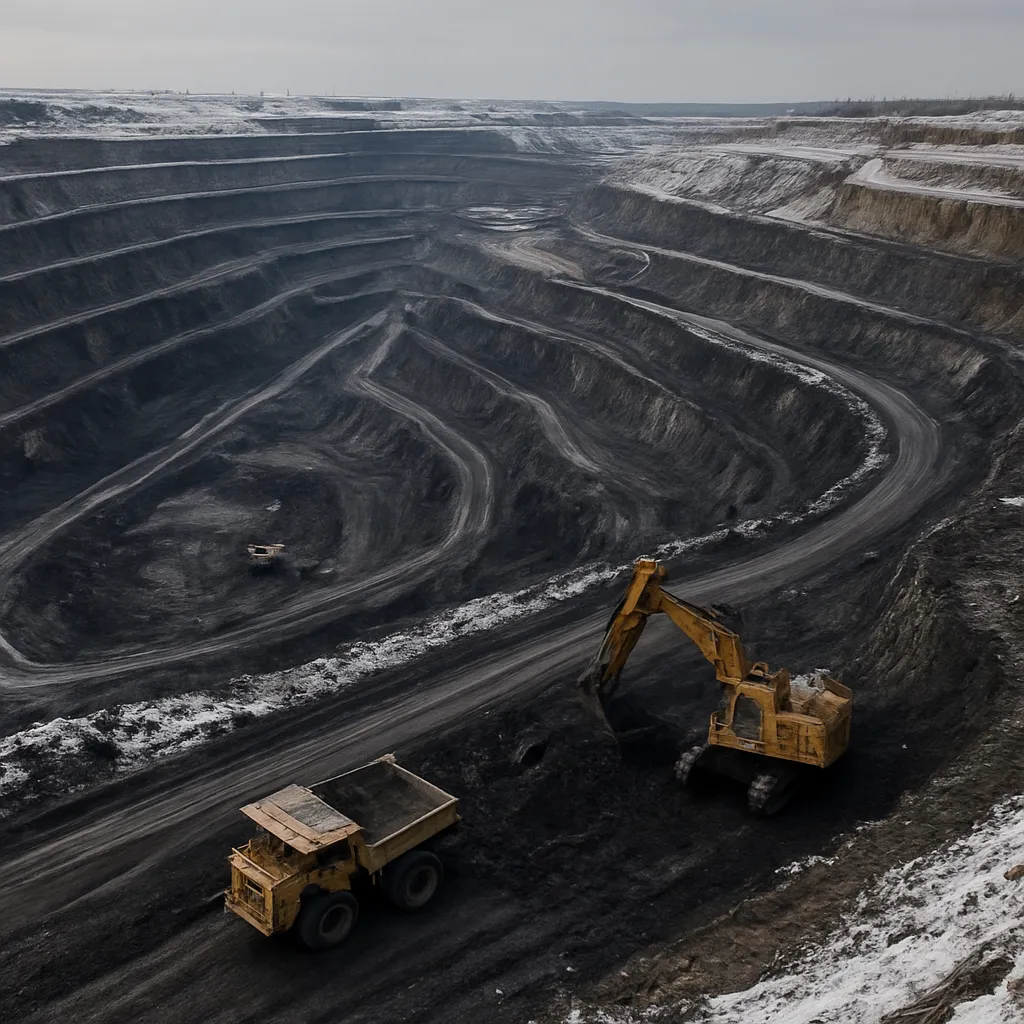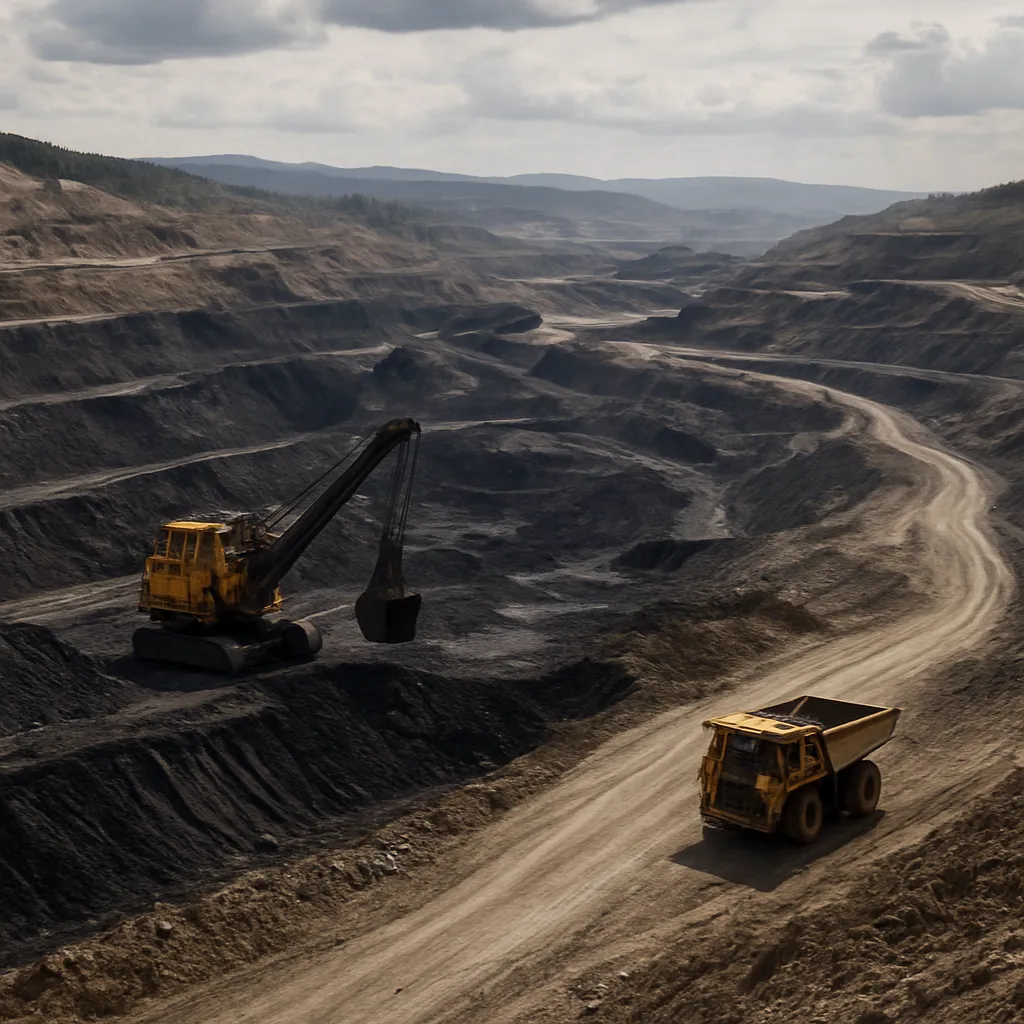
This article examines the Coalspur Vista North site in Canada, presenting its geographical setting, the type of coal targeted, operational and economic aspects, environmental and social considerations, and its place in regional and global coal markets. The aim is to synthesize available public information and general industry context to provide a comprehensive picture of Vista North’s potential role in the Canadian coal sector. Where precise project statistics are not publicly current or where figures have varied with market cycles, the discussion emphasizes known characteristics, development patterns, and the broader implications for industry and communities.
Location and geological setting
The Coalspur Vista North property is located in western Canada within the province of Alberta, in the foothills region of the Canadian Rocky Mountains. The project is part of a cluster of coal tenures that lie along structural and stratigraphic trends favorable for accumulations of economically significant coal seams. Geologically, these deposits are hosted within the sedimentary sequences of the Western Canada Sedimentary Basin, where multiple Paleocene and Cretaceous coal-bearing formations are present.
The regional geology of the area is characterized by gently folded strata, coal seam continuity over tens to hundreds of metres, and typical seam thicknesses that make open-pit or selective underground extraction technically feasible depending on the specific local conditions. Vista North benefits from relatively good proximity to existing transportation corridors that facilitate potential rail access to export terminals on the Pacific coast—an important factor for any coal project aimed at international markets.
Coal type and quality
Coal rank and intended use
Coalspur Vista North targets high-value coal products that are commonly distinguished in two market segments: metallurgical (coking) coal used in steelmaking, and thermal coal used for power generation. Public descriptions of projects in this region frequently highlight the presence of bituminous coal with properties that can make it suitable for metallurgical uses after beneficiation and washing. Within that broad category, coal may range from high-volatile to low-volatile bituminous ranks depending on seam depth, maturation, and local variation.
Quality attributes
- Fixed carbon: Coal types favorable for coking tend to have higher fixed carbon percentages after processing.
- Volatile matter: The volatility range affects coking behavior and determines processing approaches in coal preparation plants.
- Sulfur and ash: Coal from the foothills tends to offer competitive sulfur content relative to some international coals, with ash yield moderated by washing and beneficiation.
- Washability: The ability to produce low-ash, high-quality metallurgical blends through washing is a key determinant of economic value for Vista North-style deposits.
Exact seam-by-seam quality parameters for Vista North (such as calorific value in kcal/kg or MJ/kg, sulfur percentage, and ash content) are typically reported in detailed technical reports (NI 43-101 style for Canadian projects). Those documents are the reference for investors and regulators and are the best source for precise grade and reserve statements.
Project history, development status and operations
Projects like Vista North typically advance through exploration, resource definition, prefeasibility and feasibility studies, permitting, and construction phases. Over the past two decades, the Canadian metallurgical coal sector—especially in Alberta and British Columbia—experienced cycles of strong investment interest followed by periods of consolidation as global steel demand and coal prices fluctuated.
Exploration and resource definition
Initial work on Vista North included geological mapping, resource drilling programs, and the preparation of technical reports to establish the presence, continuity, and quality of coal seams. Resource estimates, where published, classify material into measured, indicated, and inferred categories in line with Canadian securities rules for mining disclosure.
Feasibility, permitting and capital
Like many coal projects in Canada, Vista North’s progress depends on the outcomes of capital planning and permitting processes. Feasibility studies evaluate mine design options—open pit versus underground—processing plant capacities, and infrastructure requirements such as rail spurs, water management, and access roads. The permitting phase involves multiple provincial and federal approvals, including environmental assessments, water licenses, and First Nations consultation in areas with Indigenous land claims or asserted rights.
Operational readiness and market timing
Market conditions—particularly the price of metallurgical coal and demand from steelmakers—strongly influence the timing of project construction and ramp-up. Projects may be deferred during market downturns and reactivated when price and demand fundamentals improve. A recurring pattern in the industry is the need for flexible planning to adapt to cyclical conditions and evolving regulatory expectations.
Economic and industrial significance
A project like Coalspur Vista North can generate direct and indirect economic benefits at several scales: local employment, regional service industry demand, provincial royalty and tax revenue, and export earnings. The most immediate impacts are the jobs created during the construction phase and longer-term roles in operations, maintenance, transport, and logistics.
Direct and indirect employment
- Construction: peak labour demand for civil works, plant installation, and infrastructure development.
- Operations: steady roles in mining, processing, maintenance, geology, and environmental management.
- Induced jobs: local services such as accommodation, catering, and supply-chain services supporting the workforce.
The magnitude of employment depends on mine scale; mid-size metallurgical projects can support hundreds to over a thousand direct jobs during construction and several hundred direct jobs in steady-state operations. Indirect and induced employment multipliers enhance broader regional economic effects.
Royalties, taxes and provincial income
Coal projects contribute to provincial revenues through royalties on production, corporate taxes, and payroll taxes. In Alberta, mineral royalties and associated fiscal regimes are structured to capture a share of resource rents while allowing projects to remain globally competitive. Fiscal contributions fluctuate with production volumes and commodity prices.
Trade and export value
Canadian metallurgical coal is an internationally traded commodity, with major export markets in East and Southeast Asia—countries that are large steel producers. Vista North’s proximity to rail corridors that link to Pacific ports is strategically important for accessing these markets. The realized economic value of exported coal depends on international prices, freight costs, and contractual arrangements with buyers.
Statistics and market context
Precise, up-to-date project statistics (reserves, resources, planned annual production rates, and capital costs) are normally disclosed in technical reports and corporate filings. In the absence of the latest company data in this text, the following are general industry-context points relevant to understanding Vista North’s potential scale and impact:
- Canadian metallurgical coal exports are a meaningful component of global coking coal supply, with firms in Alberta and British Columbia producing high-quality coals for steelmaking.
- Project-level production plans for similar deposits typically target annual run-of-mine outputs in the range of several million tonnes per year for larger operations, with wash plant throughput scaled to match marketable product targets.
- Typical capital costs for new medium-to-large metallurgical coal mines (including processing and rail connection) can range from several hundred million to over a billion Canadian dollars depending on infrastructure needs and site complexity.
For anyone requiring numerical specifics for Vista North—such as proven and probable reserves, indicated and inferred resource categories, expected annual production, mine life, and estimated capital and operating costs—the authoritative sources are company NI 43-101 technical reports, management discussion & analysis (MD&A) documents, and provincial regulatory filings.
Infrastructure and logistics
The commercial viability of a coal project is heavily influenced by infrastructure: mine-to-rail access, rail capacity and scheduling, port terminal availability, and handling facilities. Vista North’s location in Alberta offers access to major North American rail networks that provide routes to British Columbia ports. Key logistical considerations include:
- Rail spur construction and agreements with rail companies for capacity and scheduling.
- Port terminal allocations for loading and ship scheduling, where contracts with terminal operators and shipping lines determine export throughput.
- Road upgrades and community connectivity for workforce commuting and supply deliveries.
Reliable and competitive logistics are essential to achieve cost-effective delivery of coal to international customers and to secure offtake contracts, which in turn are critical for financing large capital investments.
Environmental management and social license
Environmental stewardship and Indigenous and community engagement are central to modern mining project design and approval. Vista North and similar projects must address multiple environmental and social factors:
Water management and reclamation
Mining operations require careful water balance planning, sediment and erosion control, and treatment of any process-affected waters. Reclamation planning—from progressive rehabilitation of disturbed land to final landform design—is a regulatory requirement in Alberta. Companies are expected to set aside financial assurance to cover reclamation liabilities.
Biodiversity and land use
Assessments of habitat disturbance, species at risk considerations, and mitigation measures form part of environmental impact studies. Cumulative effects on local wildlife and ecosystems are evaluated in the broader landscape context to inform permitting decisions and monitor long-term outcomes.
Indigenous consultation and community benefits
Engagement with Indigenous communities is legally and ethically required where operations intersect traditional lands or asserted rights. Successful projects typically incorporate agreements that may include employment and training commitments, business opportunities for local contractors, environmental monitoring partnerships, and benefit-sharing mechanisms.
Greenhouse gas policy and market trends
Evolving climate policies and decarbonization efforts influence the long-term outlook for thermal coal, while metallurgical coal remains a specialist feedstock for primary steelmaking. Industry innovation—such as the development of lower-emissions steelmaking technologies and carbon capture—could reshape demand for metallurgical coal over time. Projects are increasingly required to present credible plans for minimizing greenhouse gas emissions and tracking scope 1 and 2 emissions metrics.
Role in the steel and energy sectors
If Vista North primarily targets metallurgical coal, its strategic value lies in supplying quality coking coal for the steel industry. Steelmakers rely on specific coal blends to produce coke with the mechanical properties required for blast furnace operations. Reliable supplies of high-quality metallurgical coal help maintain the security and competitiveness of steel production in importing countries.
If thermal coal is produced or blended, the energy market context and regional power demand will determine domestic offtake possibilities. However, in many Canadian projects, export markets remain the dominant destination for higher-value metallurgical products.
Risks, challenges and opportunities
Major risks for mining projects in this sector include commodity price volatility, permitting delays, capital availability, community and Indigenous relations, and operational risks (geotechnical, water, and environmental). Conversely, opportunities include the premium pricing of high-quality metallurgical coal during cyclical upswings in the steel sector, potential for long-term offtake contracts with global steelmakers, and the opportunity to integrate modern environmental practices and community partnerships to strengthen the social license to operate.
Concluding perspective
Coalspur Vista North sits within a complex interplay of geology, markets, regulatory frameworks, and community expectations. The project’s ultimate contribution—economic, industrial, and social—depends on the detailed technical attributes of the resource, the ability to secure necessary permits and infrastructure, the timing of market cycles, and the quality of stakeholder engagement. For authoritative, up-to-date figures on reserves, production plans, and financial metrics, the most reliable sources are the project’s technical (NI 43-101) reports, corporate disclosures, and provincial regulatory filings. In the meantime, Vista North exemplifies the types of coal projects in western Canada that continue to attract interest because of their potential to supply high-value metallurgical coal to global steel markets while navigating the evolving demands of environmental performance and community partnership.