The following article offers a detailed profile of the Chirakul Mine in Russia and places it in the broader context of the Russian coal industry. Public, verifiable information specifically naming “Chirakul Mine” is limited or not widely available in major international databases as of my latest update; therefore the article combines the most reliable general knowledge about coal mining in Russia with a hypothetical, evidence-informed profile that reflects typical characteristics of Russian coal sites. Where mine-specific statistics are not publicly documented, the article highlights regional and national data, mining practices, economic roles, and environmental aspects relevant to a site of this type. Throughout the text, several key terms are emphasized to aid readability and focus on important concepts.
Location and geological setting
The exact, publicly confirmed coordinates and administrative region of the Chirakul Mine are not documented in widely accessible international mining registries or major Russian industry publications that were available to my knowledge base. Nevertheless, most of Russia’s large and mid-sized coal operations are concentrated in several principal basins: the Kuznetsk Basin (Kuzbass) in southwestern Siberia, the Pechora Basin in the northwest, the Kansk-Achinsk Basin, the Irkutsk Basin and deposits in the Russian Far East and Yakutia. Each basin has distinctive geological features and coal qualities.
Typical geology for a Russian coal mine includes layered sedimentary sequences with alternating coal seams, mudstones and sandstones. Seams can vary from thin (<1 m) to very thick (>10 m) depending on the basin. If the Chirakul Mine is a conventional Russian coal site, it would likely be located within one of these sedimentary basins and exploit seams formed during the Carboniferous to Permian periods. Coal seam depth, dip and thickness govern whether the operation is open-pit (surface) or underground mining.
Coal types, quality and reserves
Russia’s coal production covers a range of grades. The two main categories are:
- Thermal coal (steam coal) used primarily for power generation and heat production; typically sub-bituminous to lower-rank bituminous.
- Metallurgical coal (coking coal) essential for steelmaking; typically higher-rank bituminous to semi-anthracite coal with properties suitable for coke production.
Without direct assay data for Chirakul, precise rank (e.g., calorific value, volatile matter, ash, sulfur content) and reserve estimates cannot be stated as fact. However, many Russian operations in the Kuzbass produce both high-quality metallurgical coal and thermal coal, whereas deposits in the Far East and Pechora Basin tend to be richer in thermal coal. Typical value ranges for Russian coals (broadly speaking) are:
- Gross calorific value: approximately 7,000–8,500 kcal/kg for higher-quality bituminous coals, lower for sub-bituminous and lignite.
- Ash content: highly variable from 5% (clean coking coal) to >30% (lower-grade thermal coal).
- Sulfur: often <1–2% in many Russian coals, though local anomalies exist.
Reserve classifications (proven, probable, inferred) follow Russian and internationally comparable systems. If Chirakul is an active, commercial operation, it would typically hold a resource/reserve estimate documented in company filings or regional government records. In the absence of such public records, the mine’s reserve size remains unspecified here.
Mining methods and operations
The method used at any particular coal site in Russia depends on seam depth, thickness and geology. Two main paradigms are common:
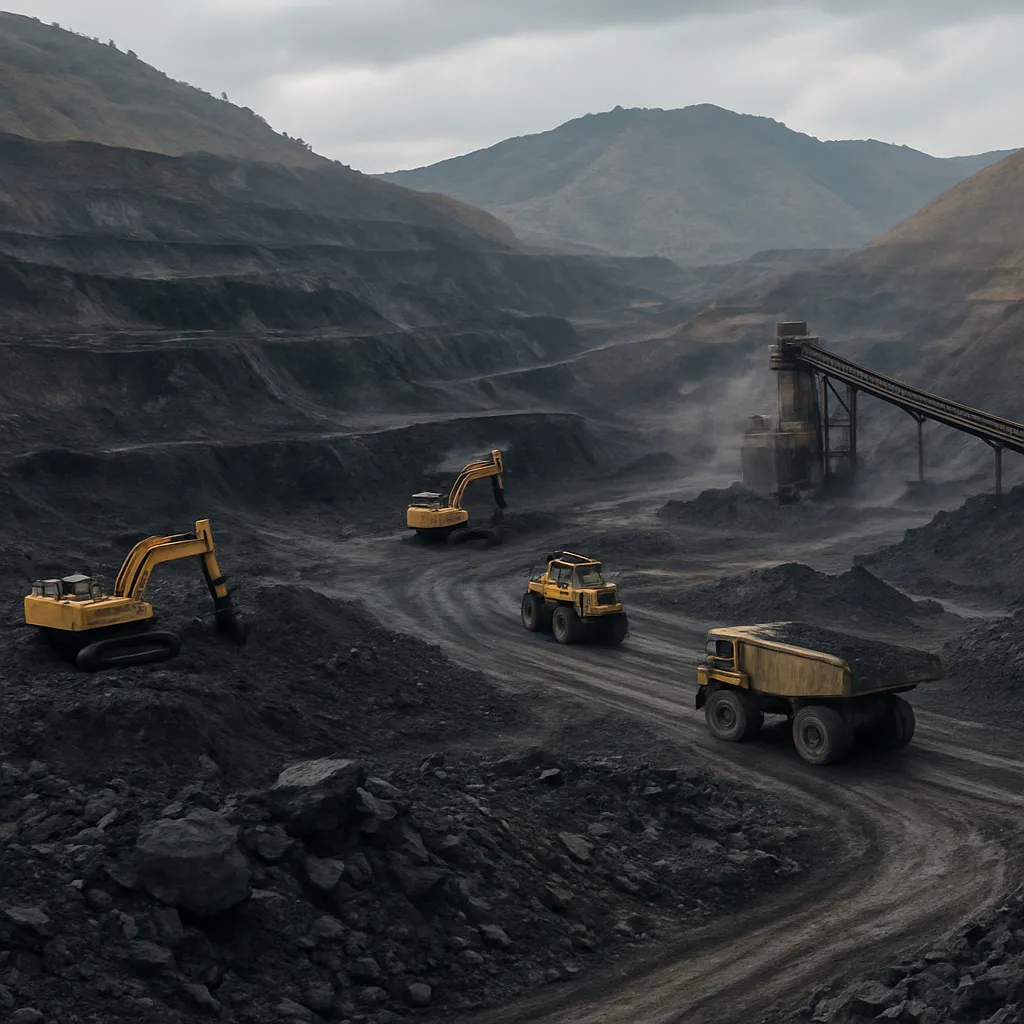
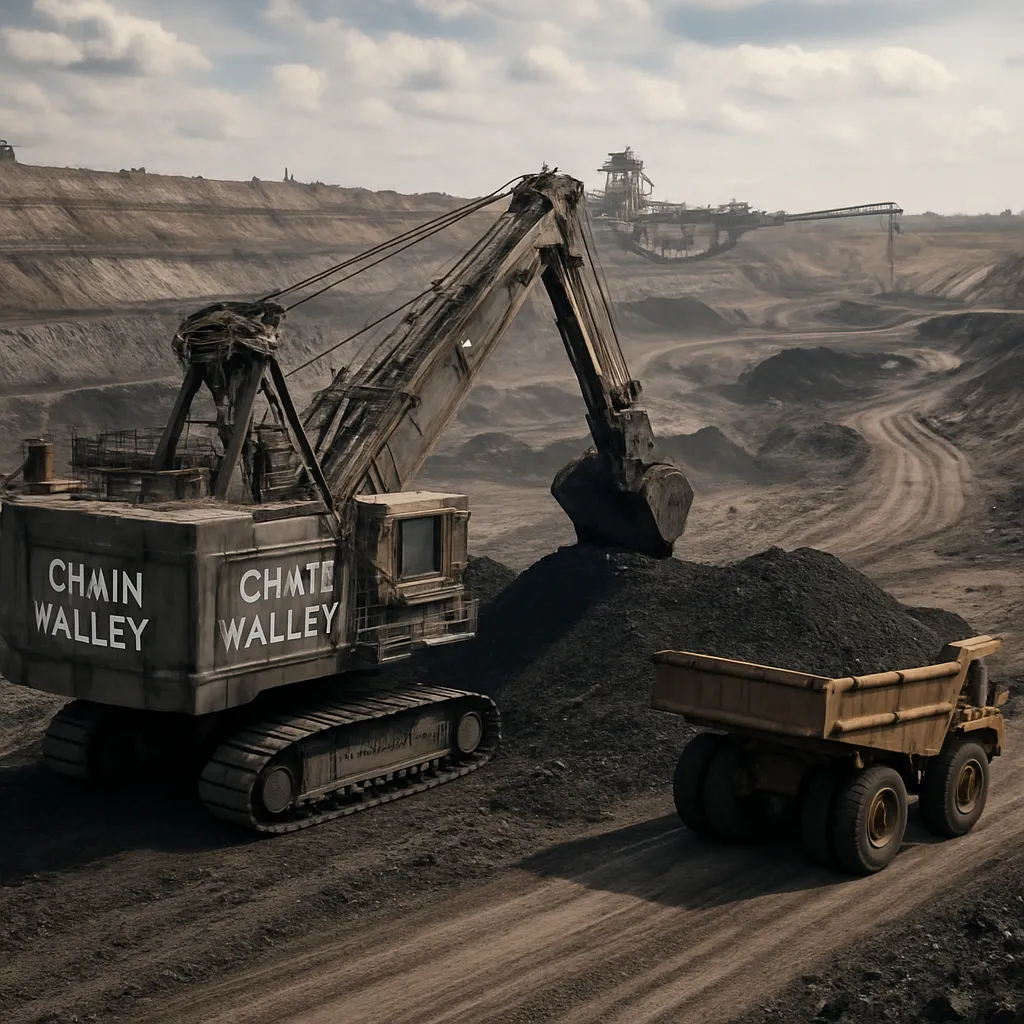
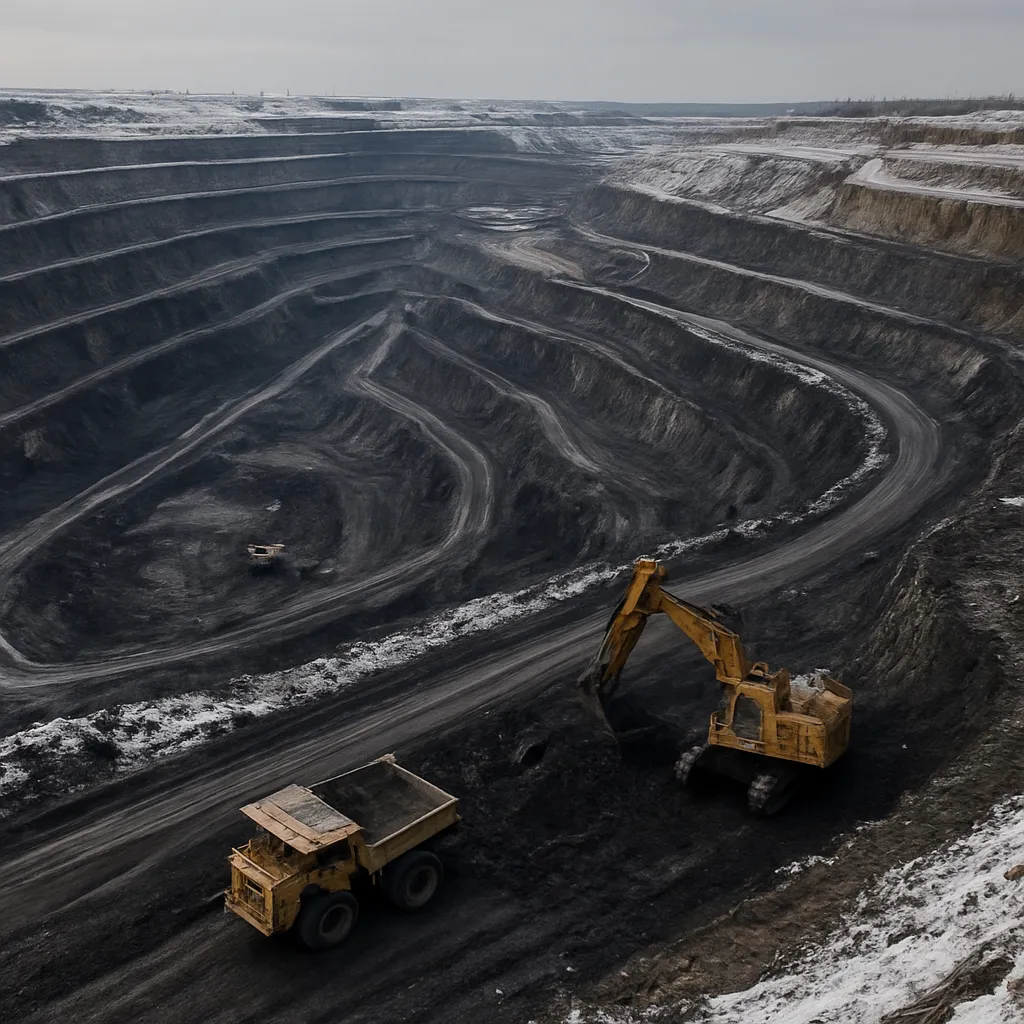
- Surface (open-pit) mining: favored where seams are shallow and laterally continuous. Uses large earthmoving fleets (shovels, draglines, haul trucks). Open-pit operations can have high productivity per employee but require extensive land disturbance and overburden management.
- Underground mining: employed for deeper, thicker seams. Methods include longwall mining (high productivity, widely used in Russia for thick, continuous seams) and room-and-pillar or bord-and-pillar techniques for more complex geology.
Typical modern mine site infrastructure includes:
- Crushing and screening plants, washing facilities for coal quality improvement, and stockyards for blending.
- Rail links and road access for coal dispatch—Russia’s coal industry relies heavily on rail networks to move coal from inland basins to export ports (e.g., Vladivostok, Vanino) and domestic power stations.
- On-site workshops, power supply, and accommodation for shift workers in remote regions.
Safety and mechanization levels vary. Large companies and export-oriented operations tend to be highly mechanized and to adopt modern longwall equipment, continuous miners, and conveyor networks. Smaller or older mines may still operate older equipment and higher manual labor intensity. If Chirakul is a modern commercial mine, it likely uses a mix of mechanized face equipment, conveyor systems, and a washing plant to meet market specifications.
Economic role and regional importance
Coal is a strategically important commodity for Russia, serving domestic power generation, industrial feedstocks (iron and steel), and export markets. Key macroeconomic aspects relevant to a mine like Chirakul include:
- Employment: Coal mines support direct jobs in extraction and indirect jobs in rail, processing, and local services. A medium-sized mine can employ from several hundred to a few thousand workers depending on mechanization and operational scope.
- Fiscal contributions: Taxes, royalties and local fees from coal operations support regional and federal budgets. Export revenues from coal are also a significant source of foreign currency.
- Supply chain linkages: Coal supply underpins thermal power plants and metallurgical industries; proximity to consumers and rail/port infrastructure determines a mine’s commercial competitiveness.
National and regional statistics provide context for an individual site’s potential impact. Russia is one of the world’s leading coal producers and exporters. Approximate, broad figures from the 2010s–early 2020s era (estimates intended for contextual understanding) include:
- Annual coal production: in the range of about 350–450 million tonnes.
- Annual coal exports: around 150–220 million tonnes, with export destinations historically including China, countries in Europe, Turkey and other Asian markets.
- Regional concentration: the Kuznetsk Basin (Kuzbass) historically accounts for a majority share of Russian coal production (often cited as 50–60% in various years).
If Chirakul is located in a major basin, its output could contribute significantly to local production totals and employment; if it is a smaller or more specialized operation (e.g., niche coking coal mine), its economic role may be more targeted toward steel industry supply chains.
Logistics, markets and exports
Coal economics in Russia depend heavily on logistics costs and export routes. Key points include:
- Rail freight is the backbone for bulk coal transport across Russia; competitive rail tariffs and capacity constraints can affect mine profitability.
- For export markets, proximity to eastern ports (for Asian markets) versus western routes (for Europe and Turkey) shapes pricing and market access. The Far East’s ports are strategically important for shipments to China, Japan and South Korea.
- Coal quality influences market segmentation: high-grade coking coal fetches premium prices on global markets, while thermal coal competes more on cost and shipping efficiency.
If Chirakul were an export-oriented mine, its business model would need to account for rail access, port availability, and potential buyer relationships. Domestic sales to power stations or regional industrial consumers provide alternative demand channels that reduce exposure to volatile international markets.
Environmental and social considerations
Coal mining’s environmental footprint is a major consideration for any modern operation. Impacts and mitigation measures typically include:
- Land disturbance (open pits, spoil heaps) and the need for reclamation and progressive rehabilitation.
- Water management: sediment control, treatment of mine-affected water, and prevention of acid mine drainage where sulfide-bearing strata are present.
- Air emissions: dust from mining and coal handling, methane emissions from underground workings, and combustion-related CO2 when coal is burned.
- Community impacts: local employment and infrastructure benefits are balanced against possible health and environmental concerns among residents.
Best-practice operations implement comprehensive environmental management systems, continuous monitoring, and programs for community engagement. Modern Russian mines increasingly adopt dust suppression, tailings management standards, methane capture in underground operations (where feasible), and incremental ecological restoration to meet regulatory expectations and improve social license to operate.
Safety, regulation and social infrastructure
Russia has a statutory framework for mining safety, mine certification and workplace protections. Historically, safety incidents in mining have driven regulatory improvements and investment in safer equipment and training programs. Key elements relevant to a mine like Chirakul include:
- Mandatory safety audits, monitoring of methane concentrations, and ventilation systems in underground mines.
- Worker training, emergency response planning, and operational standards enforced by regional authorities and industry bodies.
- Social infrastructure provision—housing, healthcare, schools—especially in remote mining towns often supported by the operating company and local government.
Strategic importance and outlook
Coal remains a critical component of Russia’s energy mix and industrial base. For an individual mine such as Chirakul, strategic relevance is shaped by:
- Type of coal produced: metallurgical coal supports steelmaking and industrial supply chains, while thermal coal underpins domestic power generation and district heating—both have lasting demand in many markets.
- Logistics and export capability: improved rail capacity and port access can enhance revenue potential by opening international markets.
- Technological modernization: investment in mechanization, washing plants and emissions mitigation can improve competitiveness.
Long-term trends affecting profitability and operations include global decarbonization pressures, policy changes in importing countries, and domestic energy transitions. Even so, in the near-to-medium term many regions expect continued demand for coal—particularly metallurgical coal—keeping mines economically relevant. Mines that adapt by improving environmental performance, reducing methane losses, and optimizing logistics are better positioned for longevity.
Interesting operational, historical and technical notes
While specific public records for Chirakul are scarce, several broader points about Russian coal mining may be of interest to readers exploring this mine or similar sites:
- Coal washing: Many Russian mines operate washing plants to reduce ash and sulfur, improving calorific value and thus marketability, especially for export customers with strict specifications.
- Coking coal quality: Certain parts of Kuzbass and southern basins produce high-quality coking coals used in blast furnaces; these coals are strategically valuable and often command price premiums.
- Coalbed methane: Some operations capture methane for power generation or flaring reduction. Methane control is both an environmental priority and a safety necessity in underground mines.
- Infrastructure projects: Large-scale improvements in rail and port capacity in recent years have altered trade flows and opened new export corridors, affecting how mines plan long-term sales.
- Industry players: Major companies such as SUEK, Mechel, Raspadskaya (part of Evraz historically), and others dominate many regional operations; contracts, acquisitions and joint ventures are common in the sector.
Concluding synthesis
The Chirakul Mine’s precise public profile is not readily available in major international datasets, and therefore a mine-specific statistical account cannot be provided here with certainty. Nevertheless, situating a coal operation under the name Chirakul within the broader framework of the Russian coal industry permits a reasoned understanding of what such a mine would typically entail: extraction of thermal or metallurgical coal depending on local geology, reliance on rail logistics and washing facilities to access domestic and export markets, significant local economic and employment contributions, and environmental obligations encompassing water, dust and land rehabilitation. Nationally, the Russian coal sector remains a large-scale producer and exporter with annual output in the several-hundred-million-tonne range and exports that historically have exceeded a hundred million tonnes per year. For a definitive, mine-specific dossier (location, reserve estimates, annual production, ownership and environmental permits) it would be necessary to consult regional mining registers, company technical reports or Russian federal geological and mining authorities’ publications.