This article offers a comprehensive overview of the Adag Tolgoi mining site in Mongolia, placing the deposit within its geological, economic and social context. It outlines what is extracted at Adag Tolgoi, the likely characteristics of the coal, how operations are conducted, and the broader significance of this and neighboring coal fields to Mongolia’s industry, exports and local communities. Where available, numbers and estimates are presented cautiously and described as approximate or reported values.
Location and Geological Setting
Adag Tolgoi is located in southern Mongolia, within the greater Gobi region that hosts some of the country’s most important mineral resources. The name Tolgoi, which appears in several major Mongolian coal deposits, means “head” or “cap” and is commonly used to denote distinct coalfields in the Ömnögovi and Khentii provinces. Adag Tolgoi sits in proximity to larger, better-known deposits such as Tavan Tolgoi and forms part of the sequence of coal-bearing basins that extend across the southern steppe and semi-desert.
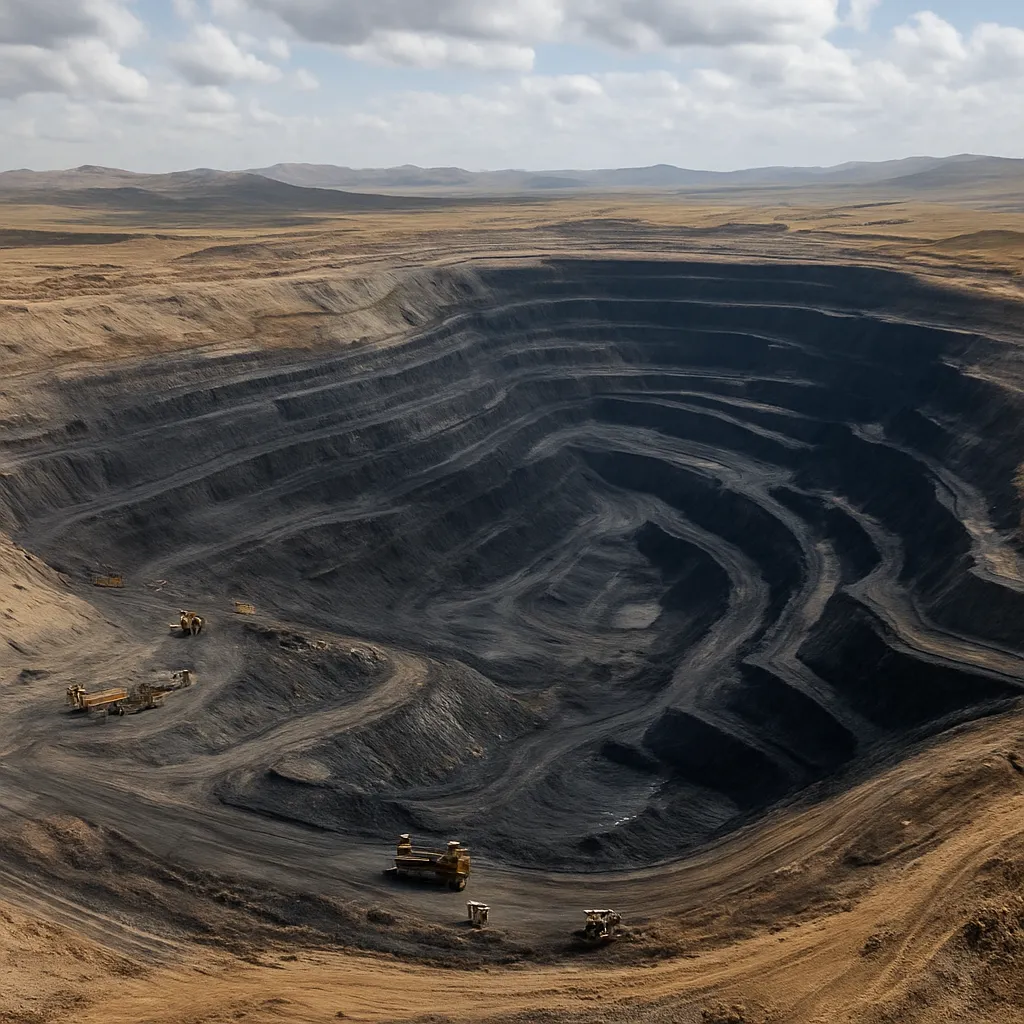
Geologically, the coal deposits in this region are associated with Mesozoic sedimentary sequences—fluvial and lacustrine formations where plant matter accumulated, was buried and transformed into coal under heat and pressure over millions of years. As with other Gobi coalfields, seams at Adag Tolgoi are typically amenable to surface mining because of their relative shallowness and lateral continuity. The deposit’s exact stratigraphy, seam thicknesses and quality distribution vary within the field; public reporting on Adag Tolgoi often describes it as a smaller satellite deposit compared with the extremely large Tavan Tolgoi complex.
Type of Coal and Quality Characteristics
Coal at Adag Tolgoi is generally described as falling within the spectrum of Mongolian coals that range from sub-bituminous to bituminous types, with variable coking potential. In southern Mongolia:
- Thermal coal (used for power generation and heating) is common and tends to have moderate calorific value, with ash and sulfur contents that vary by seam and require beneficiation for premium markets.
- Coking or metallurgical coal (suitable for steelmaking) can occur locally in the region, although the highest-quality coking coals are concentrated in particular seams at larger deposits such as Tavan Tolgoi.
- Coal from Adag Tolgoi is typically processed or blended to meet buyer specifications, which influences its market destination—domestic power plants, regional industrial consumers, or export clients across the border in China.
Publicly available technical analyses specific to Adag Tolgoi are less extensive than for flagship projects, but the deposit’s economic viability depends on seam quality, washability, and proximity to transport corridors that link to export markets.
Mining Methodology and Local Operations
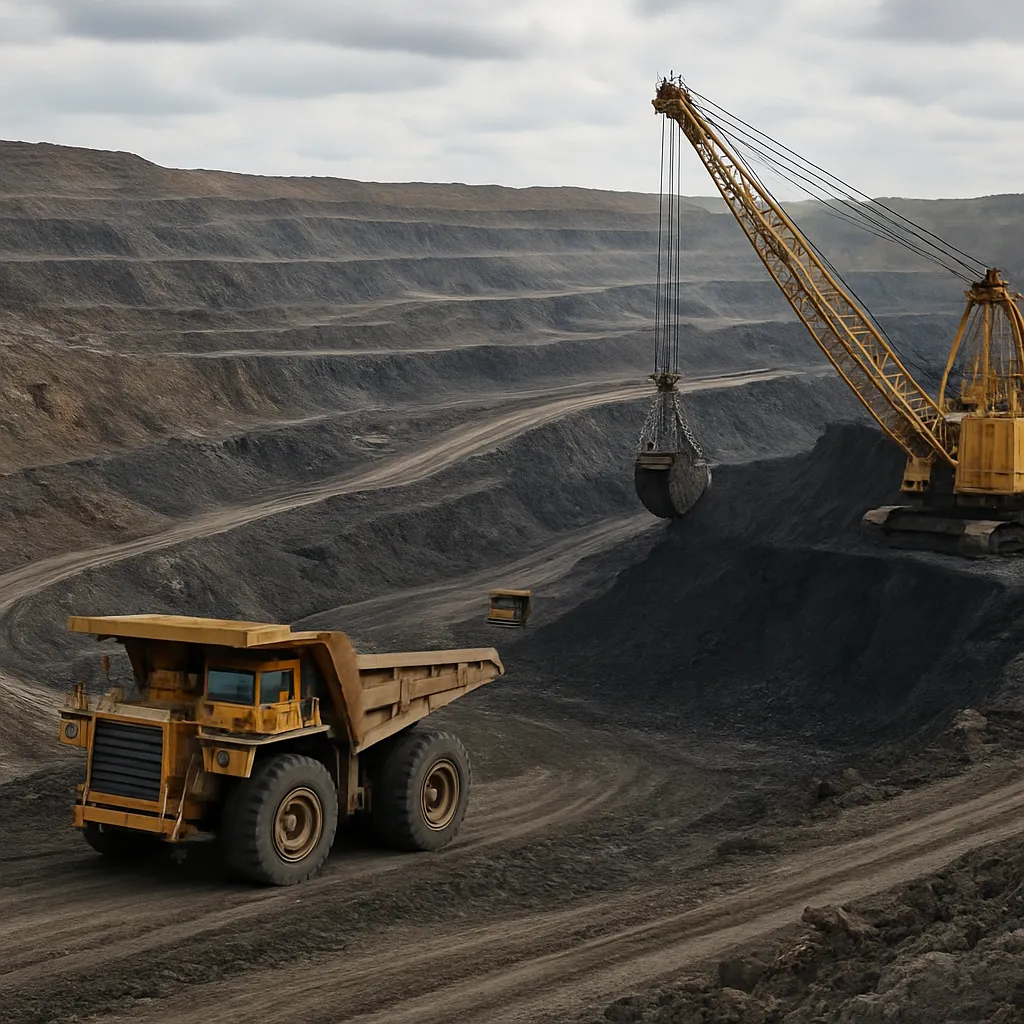
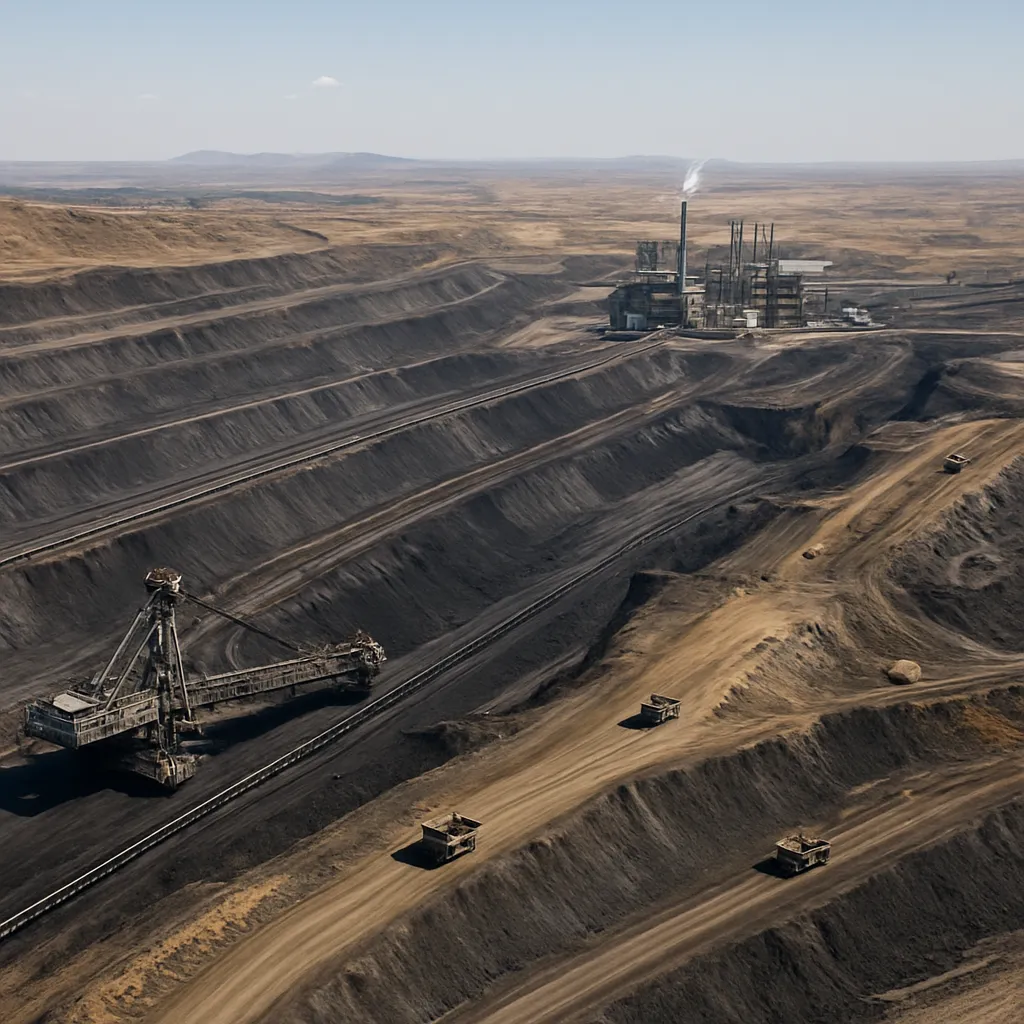
The predominant method for exploiting coal in the Gobi region is large-scale open-pit mining. Adag Tolgoi, like neighboring mines, is best suited to surface extraction due to shallow overburden and broad seam geometry. Typical operational elements include:
- Removal of overburden with heavy earthmoving fleets (excavators, shovels, haul trucks)
- Coal extraction, crushing and on-site screening or washing to improve product quality
- Temporary stockpiling and blending to meet contractual calorific and ash limits
- Road haulage to border crossings or loading points; where available, rail spurs improve economics significantly
Smaller deposits like Adag Tolgoi are often developed by national companies, private Mongolian firms, or joint ventures with foreign investors. Operations must balance rapid production with requirements for dust suppression, water management, and progressive land rehabilitation—factors of growing regulatory and social importance.
Production, Reserves and Statistical Context
Precise, widely published figures for Adag Tolgoi are relatively limited in the public domain compared with Mongolia’s headline mines. Data commonly available for the Mongolian coal sector provides useful context:
- National scale: Mongolia is one of the world’s significant coal exporters, primarily to neighboring regions of China. In recent years Mongolia’s annual coal exports have fluctuated substantially in response to Chinese demand, domestic logistics constraints, and global market prices.
- Reserves: Adag Tolgoi is typically characterized as a modest-to-medium sized deposit within the southern coal province; resource estimates reported by various industry notices and exploration statements often place such satellite fields in the tens to low hundreds of millions of tonnes of in-place resources, although recoverable reserves are lower after considering mining recovery and economic cutoffs.
- Annual output: Smaller mining operations in the region commonly produce from hundreds of thousands up to a few million tonnes per year depending on scale, processing facilities, and access to export routes. Adag Tolgoi’s realistic production range will be governed by investment in equipment, the ability to transport product to market and offtake agreements.
Because reporting standards and project disclosures vary, any specific number for reserves or annual production at Adag Tolgoi should be checked against the latest company submissions or Mongolian government mining registries for precision. Nonetheless, the deposit forms a meaningful part of regional mining activity, contributing both raw product and supporting regional service industries.
Economic and Industrial Significance
Coal mining is central to Mongolia’s economy. The sector has been a major source of export revenue, foreign direct investment, and government income through royalties and taxes. Even smaller mines like Adag Tolgoi contribute in several ways:
- Employment: Direct mining jobs, contract support roles (equipment maintenance, transport, catering) and indirect service employment in nearby towns.
- Local economic activity: Income and business opportunities for regional suppliers of goods and services, often in areas where alternative livelihoods are limited.
- State revenue: Royalties and taxes derived from production increase government budgets for infrastructure, social programs or further mineral development.
- Export earnings: Even modest outputs add to national export totals; together with larger fields, coal drives Mongolia’s trade balance with major partner countries.
At the industrial level, coal from Adag Tolgoi and neighboring sites supports thermal power generation (domestic electricity and heating) and industrial users. Where higher-quality coal is available, it may feed into the metallurgical sector, either domestically or as part of export consignments targeting steelmakers.
Infrastructure, Transport and Market Access
The commercial value of a coal deposit in Mongolia is tightly linked to transport infrastructure. The Gobi region is remote, and costs to move coal to ports or border crossings often dominate the delivered cost. Key infrastructure considerations for Adag Tolgoi include:
- Road network: Primary method for many mines to reach border transfer points. Road haulage is responsive but expensive per tonne, especially in harsh seasonal conditions.
- Rail connections: Rail access transforms project economics. Mongolian rail expansions in recent decades have prioritized connecting major mines to export corridors. For Adag Tolgoi, proximity or links to rail spurs, or plans to construct them, determine scale-up potential.
- Border crossings and ports: China is the principal export market, with Mongolian coal transiting border crossings such as Ceke or Gashuunsukhait (depending on route and logistics). Efficient customs, weighbridges and transshipment facilities reduce bottlenecks.
- Processing and value-add: Coal-washing plants, blending yards and logistics hubs close to mines add value and enable access to higher-priced markets by reducing ash content and improving calorific value.
Investments in transport and processing infrastructure—often involving Chinese partners or multinational financiers—can determine whether Adag Tolgoi remains a modest regional supplier or scales into a larger export operation.
Social and Environmental Considerations
Mining in the Gobi has profound social and environmental implications. For Adag Tolgoi, stakeholders include local herder communities, regional authorities and national regulators. Important themes include:
- Water scarcity: The Gobi is arid. Mining operations must manage consumption for processing and dust suppression while protecting groundwater resources used by pastoralists.
- Land use and pastoral livelihoods: Open-pit mining transforms grazing lands. Compensation schemes, relocation arrangements and benefit-sharing are critical to maintaining social license to operate.
- Dust and air quality: Haulage and stockpiles generate dust that affects health and livestock; mitigation measures such as water sprays, windbreaks and sealed roads are commonly required.
- Rehabilitation: Progressive reclamation of disturbed land, re-contouring and re-vegetation form part of responsible closure planning, though complete restoration in semi-desert environments is challenging.
- Climate policy: Coal faces long-term demand uncertainty due to global decarbonization trends. Mines and governments are increasingly pressured to balance immediate economic benefits with commitments to reduce greenhouse gas emissions.
Many operators pursue community development programs (schools, health clinics, vocational training) and environmental monitoring programs to reduce negative impacts and support sustainable local development.
Regional and Geopolitical Impacts
Coal from Adag Tolgoi contributes to regional energy security and cross-border trade dynamics. Mongolia’s mineral exports, particularly to China, influence bilateral relations and investment flows. Key geopolitical points include:
- Dependence on a single market: A heavy reliance on Chinese demand makes Mongolian coal producers sensitive to policy shifts in Beijing, such as import quotas, environmental restrictions, or infrastructure controls.
- Foreign investment: Chinese companies have been important financiers and buyers of Mongolian coal. Agreements may include offtake contracts, infrastructure investment or joint ventures.
- National strategy: Mongolia has sought to diversify export routes and buyers, including exploring rail links to Russian ports or value-added processing domestically, to capture more downstream value from raw coal.
Adag Tolgoi’s strategic value therefore goes beyond its tonnage: smaller deposits aggregated across a region can underpin long-term export capacity and resilience if logistics and policy permit.
Economic Risks, Market Drivers and Future Prospects
The outlook for Adag Tolgoi depends on several interacting factors:
- Global coal demand: Thermal coal demand is linked to electricity generation trends, fossil fuel price cycles and the pace of decarbonization. Metallurgical coal demand is tied to steel production and its own decarbonization pathway.
- Price volatility: Coal prices can swing widely due to supply disruptions, demand changes or policy interventions, affecting margins for Mongolian producers.
- Infrastructure investments: New rail spurs or improved border facilities can lower transport costs and open up larger markets, enabling production scale-up.
- Regulatory environment: Licencing, royalties and environmental standards imposed by the Mongolian government directly influence project economics and investor appetite.
- Technological developments: Advances in washing, emissions control, and carbon capture (if applied at scale downstream) could alter the marketability of coal from deposits like Adag Tolgoi.
Practical future scenarios for Adag Tolgoi range from steady, modest production serving regional buyers to potential scale-up if linked with a broader infrastructure program and long-term offtake agreements. Conversely, sustained declines in global coal demand or transport bottlenecks could limit exploitation.
Interesting and Lesser-Known Aspects
Beyond the operational and economic facts, several notable features highlight why deposits such as Adag Tolgoi matter:
- Clusters of small-to-medium deposits create a resilient regional mining ecology where service providers, maintenance hubs and skilled labor can be shared across projects.
- Local traditional knowledge and pastoral practices coexist with mining; successful operations often integrate nomadic schedules and grazing patterns into planning.
- Resource mapping and advanced remote sensing have improved exploration precision in Mongolia, meaning previously overlooked datasets like Adag Tolgoi are increasingly well understood.
- There is growing interest in adding value locally via coal washing, briquetting or partial gasification—options that could raise revenues from sites that produce lower-grade raw coal.
Concluding Remarks
Adag Tolgoi is one of the many coal deposits that together form the economic backbone of Mongolia’s extractive sector. While not as globally prominent as some giant fields, its value lies in contributing to provincial employment, regional logistics networks and the aggregate export capacity of the country. The mine’s future hinges on commodity markets, transport infrastructure, environmental management and the broader geopolitical relationship with export markets—particularly China.
Key themes to watch for Adag Tolgoi and similar projects are investments in rail and processing facilities, policy shifts in major buyer countries, and Mongolia’s own approach to balancing short-term fiscal gains with long-term environmental and social sustainability. For those tracking the Mongolian coal sector, Adag Tolgoi exemplifies how smaller deposits play a strategic role within a national resource mosaic.