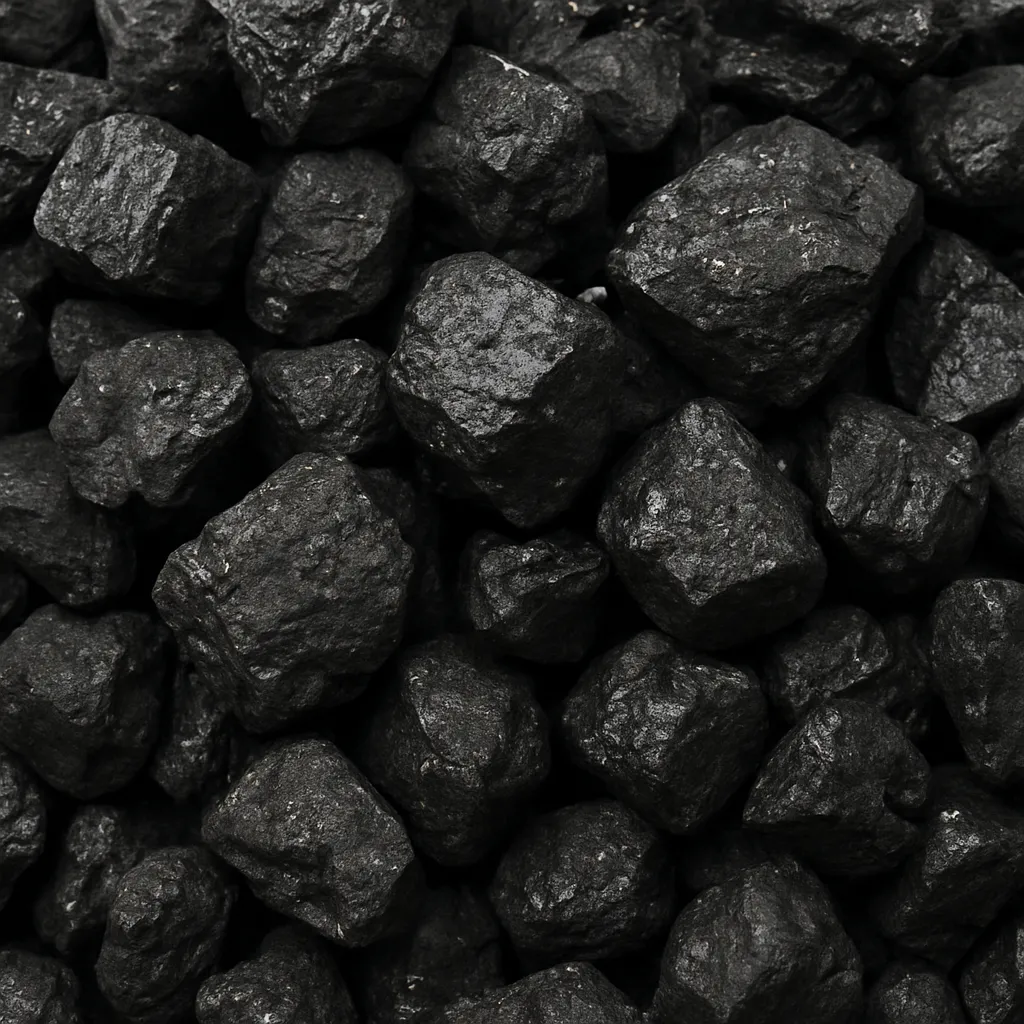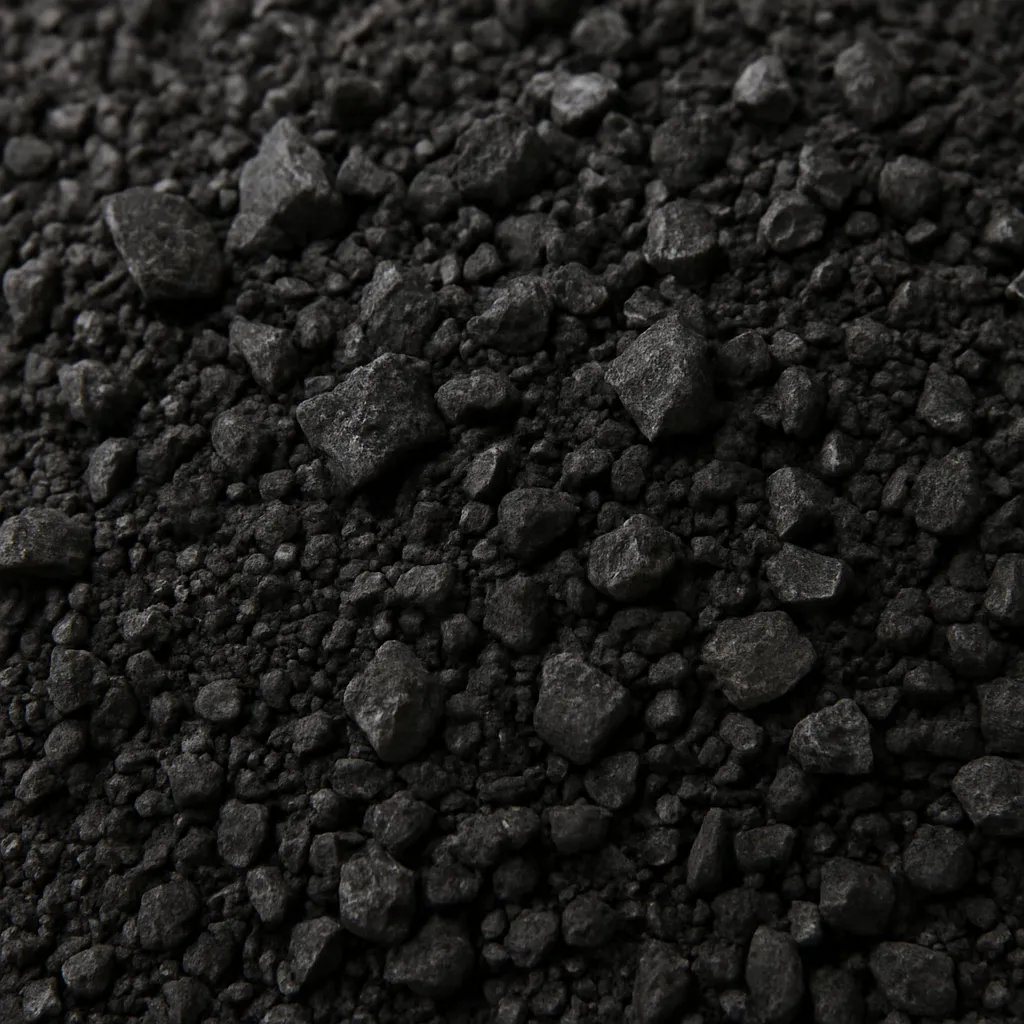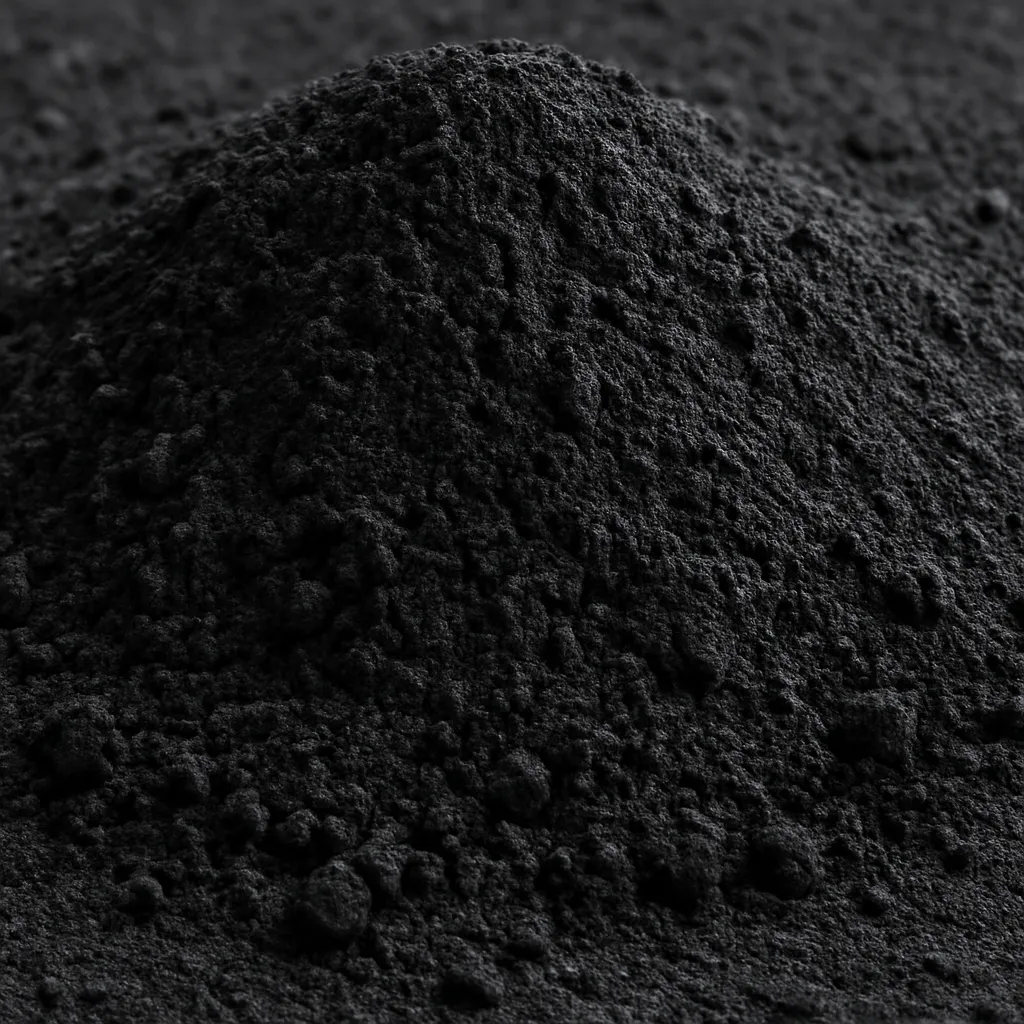
Super-fine coal powder occupies an important, though often overlooked, niche in the global energy and materials landscape. Produced either intentionally through milling or as a by-product of mining and preparation, this extremely fine particulate coal finds uses across power generation, metallurgy, chemical conversion and even materials manufacturing. The following article explores where super-fine coal powder occurs, how and where it is produced and traded, its economic and industrial significance, environmental and safety implications, and the technological trends shaping its future. Key concepts such as super-fine particle size, pulverized preparation, and applications like PCI and gasification are highlighted throughout.
Occurrence, geology and sources of super-fine coal powder
Super-fine coal powder is not a separate geological commodity but rather a physical form of conventional coal. It is generated in two principal ways: naturally as extremely fine material in certain depositional environments and mechanically during mining, handling and beneficiation processes.
Natural origins
Some coal seams, especially those that accumulated under low-energy or highly disturbed conditions, contain higher proportions of very fine organic matter. Peat and coals formed from highly degraded plant material may break down into finer fragments. These occurrences tend to be localized and are typically exploited as part of normal coal extraction rather than selectively mined for fine powder.
Mechanical generation during mining and preparation
The majority of super-fine coal powder results from mechanical processes:
- Drilling and blasting in underground and surface mines create coal fines of varying sizes.
- Crushing and grinding at coal preparation plants produce pulverized fractions tailored for specific uses, often below 75–100 µm for specialized applications.
- Washing, screening and handling generate fine tailings that are concentrated by flotation and dewatering to recover combustible fines.
Where it is produced and mined
Because super-fine powder is derived from general coal production, its geographic distribution mirrors global coal production patterns. Major coal-producing regions that are also significant sources of fine coal include:
- China: Shanxi, Inner Mongolia, Shaanxi and northeast provinces produce large volumes of coal and associated fines. China is by far the world’s largest coal producer and consumer.
- Russia: The Kuzbass (Kemerovo) basin and other Siberian deposits yield both lump coal and fine fractions.
- United States: Appalachia and the Powder River Basin generate significant volumes of fines during mining and preparation.
- India: Jharkhand, Odisha, Chhattisgarh and West Bengal are major coal-producing states with associated fine coal streams.
- Australia and Indonesia: Both are major exporters of thermal coal; handling and port operations create fine coal that is often recovered and sold or blended.
In short, wherever bulk coal production and handling occur, there will be a by-product stream of finer particles that can be refined into marketable coal powder.
Production volumes, trade and economic context
Quantifying the volume of super-fine coal powder specifically is difficult because global statistics typically record coal by weight and rank (thermal vs metallurgical) rather than particle size. Nevertheless, several broad statistical and economic observations can be made.
Global coal production and the share that becomes fines
According to industry organizations and public energy agencies, global coal production and consumption in the early 2020s were on the order of roughly 7–8 billion tonnes annually. China accounts for about half of this total, with other major producers including India, the United States, Indonesia, Australia and Russia. Of total mined coal, a notable percentage (commonly several percent up to double-digit percentages depending on mining method and geology) becomes coal fines during extraction and processing. This means hundreds of millions of tonnes of fine coal are generated worldwide annually, though a significant portion is reprocessed, used locally or lost to tailings ponds.
Seaborne trade and export markets
The seaborne market—critical for international trade—transports roughly one billion tonnes per year of coal (thermal and metallurgical combined) in typical market years. Major exporters such as Australia and Indonesia supply markets in East and South Asia, where fine coal may be blended or separated for specific uses. Export logistics and port handling are both sources and consumers of fine coal: fines are produced during ship loading and unloading, and ports often operate fines-recovery systems to capture and sell material that would otherwise be waste.
Value addition and markets for fine coal
Transforming low-value fines into saleable products (e.g., slurry fuels, briquettes, feedstock for gasification) adds economic value. Processing options include flotation to upgrade quality, dewatering and thermal drying, pressing into briquettes, and pelletization. Markets for treated super-fine powder include:
- Power plants configured for pulverized fuel firing or coal-water slurry combustion;
- Steel plants using PCI (pulverized coal injection) to reduce coke use;
- Chemical plants for coal-to-chemicals or coal-to-liquids conversion;
- Domestic or industrial briquette markets where fines are densified.
Because processing and transport costs can be substantial for high-moisture fines, economic viability often depends on proximity to end-users or availability of upgrading facilities. In some regions, fines are low-cost feedstock that can undercut higher-grade coal on an energy-cost basis, especially where environmental controls allow their use.
Industrial uses and technological applications
Super-fine coal powder’s small particle size gives it unique properties—fast combustion, large surface area for chemical reactions, and suitability for suspension in liquids—making it attractive for several industrial processes.
Power generation
Pulverized coal combustion is a mature technology for power generation. When coal is ground to fine powder, it burns quickly and completely in suspension, enabling more efficient boiler operation and better control of combustion. Ultra-supercritical (USC) and advanced pulverized coal boilers rely on finely milled coal to achieve high combustion efficiency and reduced unburnt carbon in ash. Coal-water slurry fuel (CWS) is another application in which super-fine particles are suspended in water for stable combustion and easier handling in some contexts.
Metallurgy and PCI
In the steel industry, PCI is a major use for pulverized coal, where fine coal is injected into the blast furnace to partially replace metallurgical coke. Benefits include reduced coke consumption, lower costs and potentially lower overall CO2 per tonne of steel if managed in conjunction with other measures. Modern injection rates can significantly displace coke, though the exact substitution ratio depends on furnace design and coal characteristics.
Gasification, chemicals and synthetic fuels
Small particle size favors rapid gasification, which is why super-fine coal is a preferred feedstock for entrained-flow gasifiers used in integrated gasification combined cycle (IGCC) power plants and coal-to-liquids or coal-to-chemicals plants. The high surface area promotes fast conversion to syngas (CO + H2), which can then be converted to liquids, hydrogen, or chemical feedstocks. The technology offers pathways to higher-value products from otherwise low-grade fines.
Materials and specialty uses
Fine coal can be a precursor for activated carbon production, carbon additives in foundries, and specialty carbon products when suitably upgraded. Briquetting and pelletization transform fines into dense fuels for industrial heating and small-scale power generation, improving handling and reducing dust.
Processing, handling, safety and environmental considerations
While super-fine coal powder has useful industrial roles, it also brings specific operational challenges and environmental risks that must be managed.
Processing and upgrading methods
- Dry and wet milling produce controlled particle-size distributions; wet milling is often used when subsequent flotation is planned.
- Flotation and hydrosizers concentrate combustibles and reject ash-forming mineral matter.
- Dewatering (filter presses, centrifuges) and thermal drying prepare fines for transport or briquetting.
- Briquetting or pelletizing with binders produces stable, denser products with lower fugitive dust emissions.
Occupational health and safety
Fine coal dust is a recognized occupational hazard. Key issues include:
- Dust explosion risk: Coal dust suspended in air can be explosive under certain concentrations and confinement. Facilities handling super-fine powder must implement dust control, inerting, and explosion suppression systems.
- Respiratory disease: Prolonged inhalation of coal dust can lead to coal workers’ pneumoconiosis (black lung) and other respiratory conditions; effective dust suppression and personal protective equipment are essential.
- Spontaneous combustion: Fine coal, particularly if stockpiled with moisture and oxygen, can oxidize and self-heat, creating fire risk in storage heaps and tailings.
Environmental impacts
The environmental concerns associated with super-fine coal powder mirror those of coal in general but can be amplified by the particle size:
- Fugitive dust contributes to local air quality problems and particulate pollution.
- Runoff from stockpiles or slurry ponds can carry fine coal and associated contaminants into waterways.
- Combustion of coal powder releases CO2 and other pollutants (SOx, NOx, mercury) unless controlled by emissions abatement technologies.
Mitigation measures include enclosures and negative-pressure handling systems, wet suppression, covered conveyors and storage, wastewater treatment for tailings and slurries, and advanced emission control technologies at combustion sites (e.g., FGD, SCR, particulate capture).
Economic and policy drivers, and the path ahead
The role of super-fine coal powder in the global energy mix is shaped by economics, technological innovation and policy pressures aimed at decarbonization and pollution control.
Cost advantages and competitive position
Because fines are generated as a by-product, they often have lower feedstock cost than higher-grade lump coals. When upgraded and delivered to proximate buyers, they can be economically attractive as a lower-cost fuel or feedstock. In steelmaking, PCI with pulverized coal can substantially reduce coke costs, improving competitiveness where environmental and regulatory frameworks allow coal use.
Policy, regulation and environmental targets
Global policy trends toward decarbonization present both challenges and opportunities:
- Stricter emissions regulations force more investment in flue gas cleaning and ash management for coal-fired plants using powdered coal.
- Carbon pricing or emissions trading systems increase the effective cost of using coal, incentivizing either cleaner conversion technologies (e.g., gasification with carbon capture) or fuel switching to natural gas and renewables.
- In regions with strong industrial demand for coal-derived chemicals, fines represent an accessible feedstock for transitional technologies, especially if combined with carbon capture and utilization.
Technological trends
Innovations that shape the future of super-fine coal powder include:
- Improved beneficiation and dewatering technologies that reduce losses and produce transportable, higher-quality slurry or dried powders.
- Advances in entrained-flow gasifiers and catalysts that increase conversion efficiency for fine feedstocks, making coal-to-liquids and coal-to-chemicals more viable in certain markets.
- Integration of carbon capture, utilization and storage (CCUS) with coal-fired and gasification plants to reduce net CO2 emissions when coal use continues.
Practical considerations for industry users and communities
Stakeholders handling super-fine coal powder must balance operational goals with health, safety and environmental responsibilities.
Best practices
- Recover fines at source and evaluate upgrading options to convert a waste stream into a saleable product.
- Design handling systems with dust control, enclosed transport and explosion protection features.
- Consider briquetting or pelletizing to add value and reduce fugitive dust and spontaneous combustion risks.
- Engage with local communities and regulators to ensure transparent management of tailings, air emissions and water impacts.
Opportunities for circular economy approaches
Fine coal streams can be integrated into circular economy strategies: recovered fines can supply local power plants, feedstock for industrial processes, or raw material for products like activated carbon and briquettes. Such approaches reduce waste, limit environmental footprint from tailings ponds, and create local economic value.
Concluding observations and interesting facts
Super-fine coal powder is an adaptable material: a low-cost by-product that can be a problem when poorly managed or a strategic resource when upgraded and used wisely. A few notable points:
- Particle size matters: Super-fine particles burn faster and react more efficiently in gasifiers, but they also present higher dust and explosion risks.
- Large coal producers generate significant volumes of fines—transforming these streams into usable products enhances resource efficiency.
- In the steel sector, PCI has been widely adopted because it can lower coke demand and production costs.
- For future viability, combining coal-derived technologies with carbon management (CCUS) may be essential where coal remains part of the energy or feedstock mix.
From a practical perspective, companies and regions that manage super-fine coal powder responsibly stand to gain both environmental and economic benefits. Where policy and technology align, fines can shift from waste streams to valuable inputs for diverse industrial processes, supporting jobs and local economies while presenting challenges that can be mitigated by modern engineering, careful regulation and investment in upgrading infrastructure.