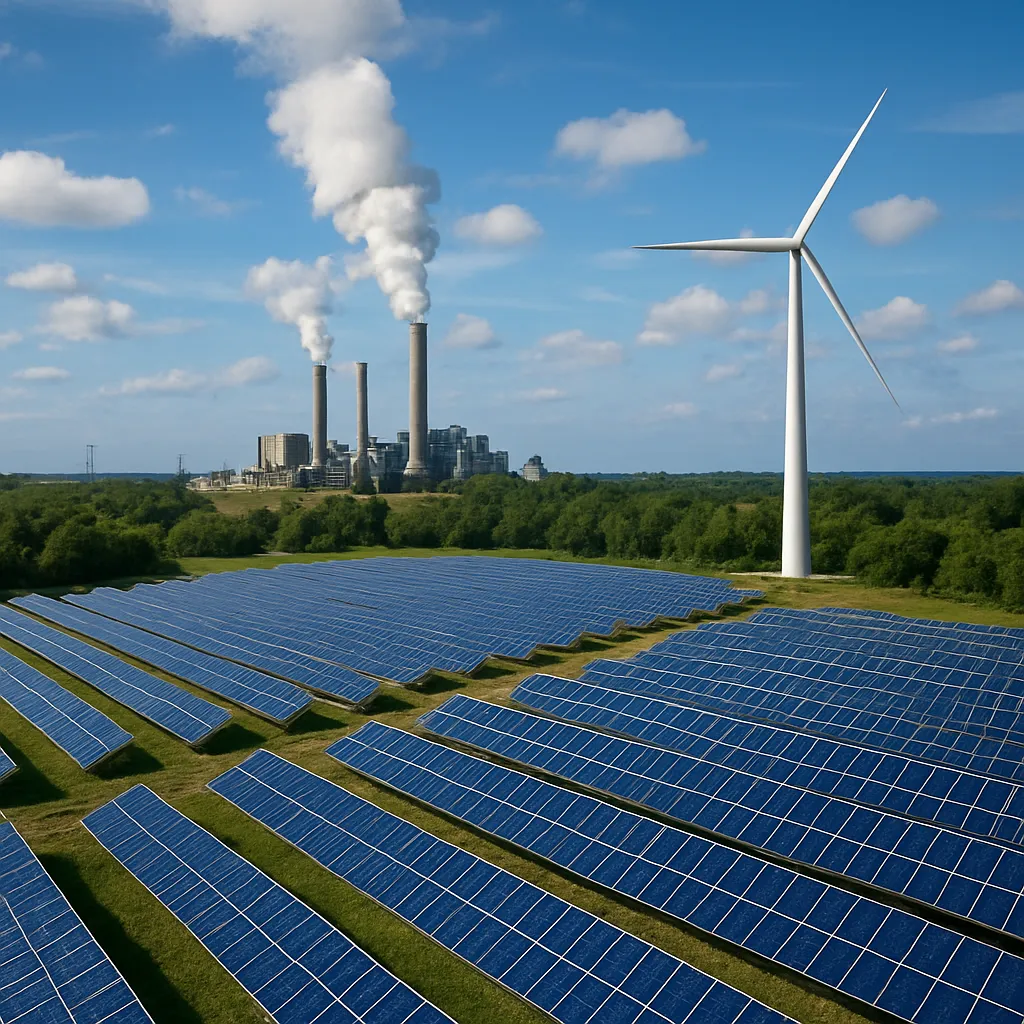
The global shift away from traditional fossil fuels has tasked regions and stakeholders with redefining the future of energy, economy, and society. Coal, once the backbone of industrial growth, now faces mounting pressure from environmental goals, market forces, and evolving investor sentiment. Simultaneously, the fate of coal stock, encompassing both physical reserves and publicly traded equities, has become a barometer for broader economic realignments. This article explores critical aspects of coal usage, market dynamics, and the most successful projects demonstrating a transition from coal dependency to a cleaner, more resilient energy landscape.
Global Landscape of Coal and Stock Dynamics
Although coal continues to supply a significant portion of energy demand in many nations, its standing has eroded amid concerns over climate change and air quality. Major economies have announced ambitious targets for phasing out unabated coal generation, shifting investor preferences away from fossil-based portfolios.
Market Trends and Shifting Demand
Worldwide coal consumption peaked in the late 2010s, driven by rapid industrialization in Asia. Since then, heightened awareness of carbon footprints and the rising competitiveness of renewables like solar and wind have tempered demand. Coal plant retirements in Europe and North America outpace new installations, while emerging markets evaluate the trade-offs between reliable base-load capacity and environmental commitments.
Investor Perspective on Coal Stock
Equity analysts and fund managers increasingly price in risks associated with coal stocks. Stranded asset potential, tightening emission regulations, and reputational impacts prompt stakeholders to reallocate portfolios toward green technologies. Divestment campaigns and climate-focused indices have further dampened appetite for direct investment in coal companies, spurring many to diversify operations or seek mergers with cleaner energy firms.
Successful Coal Transition Projects Worldwide
Across continents, pioneering efforts illustrate how regions can repurpose infrastructure, revitalize communities, and embrace new industries. The following case studies highlight exemplary models for a sustainable shift away from deep coal reliance.
- Germany’s Ruhr Region: Once Europe’s largest coal-mining hub, the Ruhr underwent a comprehensive economic restructuring plan. Federal and state authorities channeled funds into photovoltaic parks, green hydrogen pilot facilities, and advanced manufacturing clusters. Retraining programs helped former miners secure roles in the emerging technology sector, preserving local heritage while advancing decarbonization.
- United States—Appalachian Powerhouse: In Appalachia, the Just Transition framework enabled collaboration between coal companies, labor unions, and universities. DOE grants supported carbon capture demonstration plants, while community colleges offered curricula in renewable energy installation and digital skills. As a result, unemployment in former mining areas fell by over 15% within five years.
- China’s Shanxi Carbon Capture Project: Shanxi Province, rich in thermal coal deposits, launched one of the world’s largest post-combustion capture facilities. The captured CO2 feeds into enhanced oil recovery operations and clean-chemical manufacturing. By integrating decarbonization technology directly into existing plants, the project achieved a 40% reduction in net emissions without halting coal-fired output.
- Australia’s Hunter Region Diversification: Facing mine closures, the Hunter Region pivoted to large-scale battery storage and pumped hydro initiatives. Public-private partnerships accelerated wind farm development, while heritage tourism programs celebrated mining history. Strategic land-use planning ensured that former pit sites became recreational lakes or research campuses.
- South Africa’s Limpopo Just Transition: A holistic approach integrated local community ownership of small-scale solar installations, co-funded by international climate finance. Proceeds support education and healthcare, fostering resilience. Training centers emphasize agroforestry and eco-tourism, providing alternative income streams beyond coal extraction.
Pioneering Community-Led Initiatives
Grassroots organizations in regions such as Colombia’s El Cerrejón and Poland’s Silesia have driven micro-solutions, from rooftop solar cooperatives to biomass conversion of idle equipment. Their success underscores the power of local leadership and adaptive reuse, fostering pride and a sense of agency in shaping a low-carbon future.
Economic, Social, and Technological Drivers
Transitioning away from coal demands coordination among policymakers, financiers, industry, and civil society. Key mechanisms include leveraging innovative technology, aligning regulatory frameworks, and ensuring equitable outcomes for affected workers.
Decarbonization Technologies
Advanced solutions like chemical looping, oxy-fuel combustion, and high-efficiency particulate capture have extended the life cycle of existing coal assets under stricter emissions targets. Additionally, hybrid gasification plants co-fire biomass and waste, reducing carbon intensity. Research into modular reactors and geothermal integration promises next-generation pathways for former coal sites.
Financing and Policy Instruments
Green bonds, transition bonds, and sustainability-linked loans have unlocked capital for retrofits, reclamation, and renewable deployments. Governments employ carbon pricing, auction schemes, and tax incentives to favor low-carbon alternatives. In parallel, social safety net programs—wage top-ups, relocation assistance, and small-business grants—mitigate hardships for displaced miners and their families.
Challenges and Lessons Learned
Despite notable successes, transitions encounter pitfalls. Overoptimistic timelines, inadequate stakeholder engagement, and inflexible regulations can stall progress. Effective transitions share common pillars:
- Early, transparent dialogue with community and labor representatives.
- Phased decommissioning schedules aligned with renewable rollout.
- Targeted investment in human capital, ensuring skill portability.
- Adaptive governance frameworks that evolve with technological breakthroughs.
- Robust monitoring to track emissions reductions and socioeconomic indicators.
Future Directions for a Just Transition
Looking ahead, scaling up renewables must coincide with innovative grid management and storage solutions to maintain reliability. Electrification of transport and industry presents further opportunities to absorb excess renewable supply. Regions rich in former coal infrastructure can become testbeds for diversification strategies, from green hydrogen hubs to data-center campuses powered by local solar arrays.
The journey from coal dependency to a low-carbon economy is neither linear nor uniform. Yet, the success stories detailed here demonstrate that, with strategic collaboration and forward-thinking policies, it is possible to transform legacy industries into engines of sustainable growth and resilience.