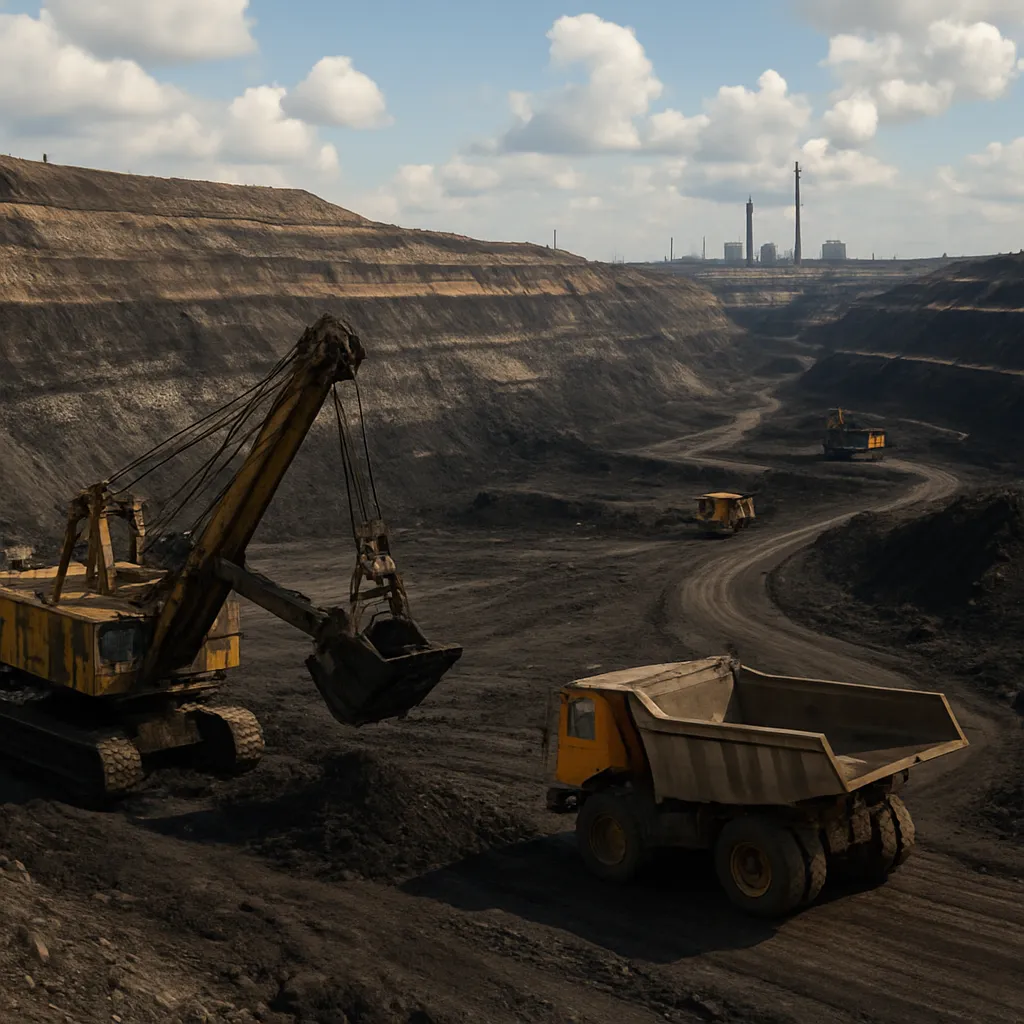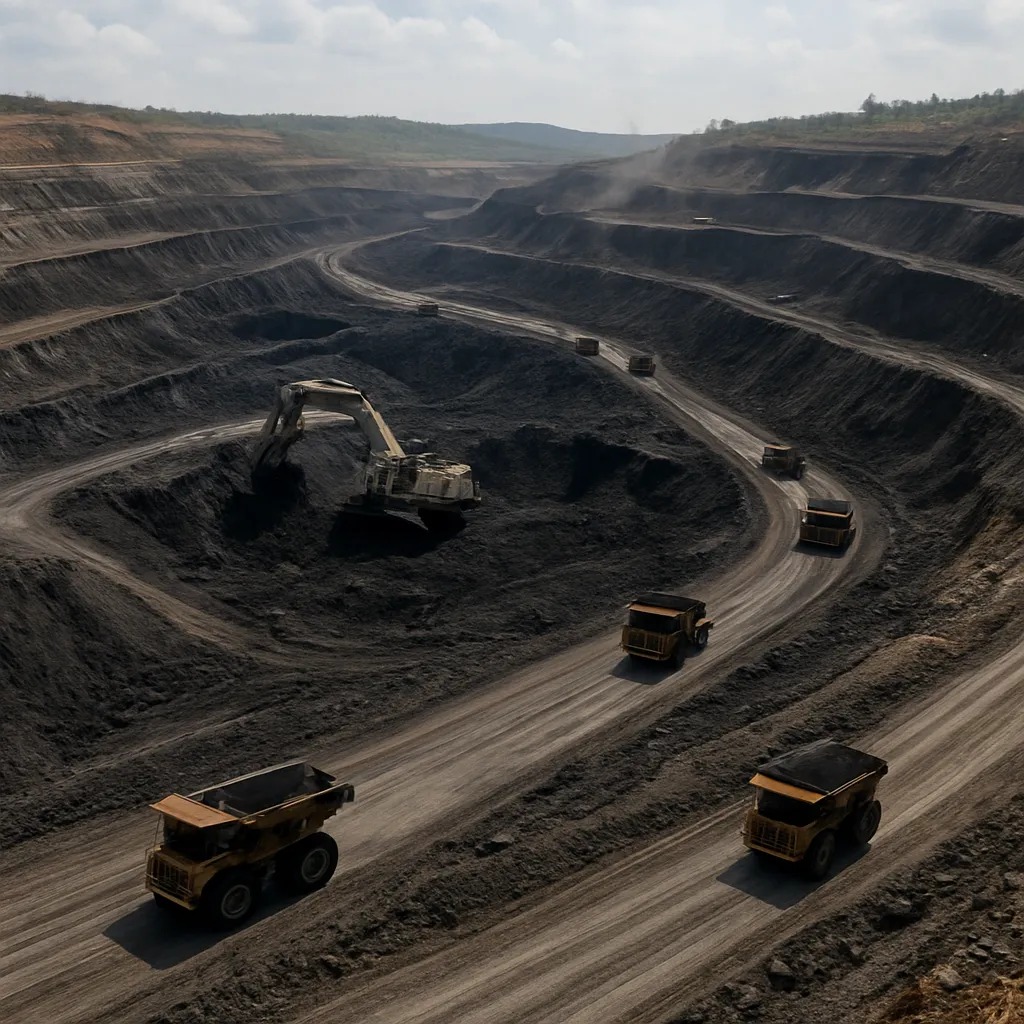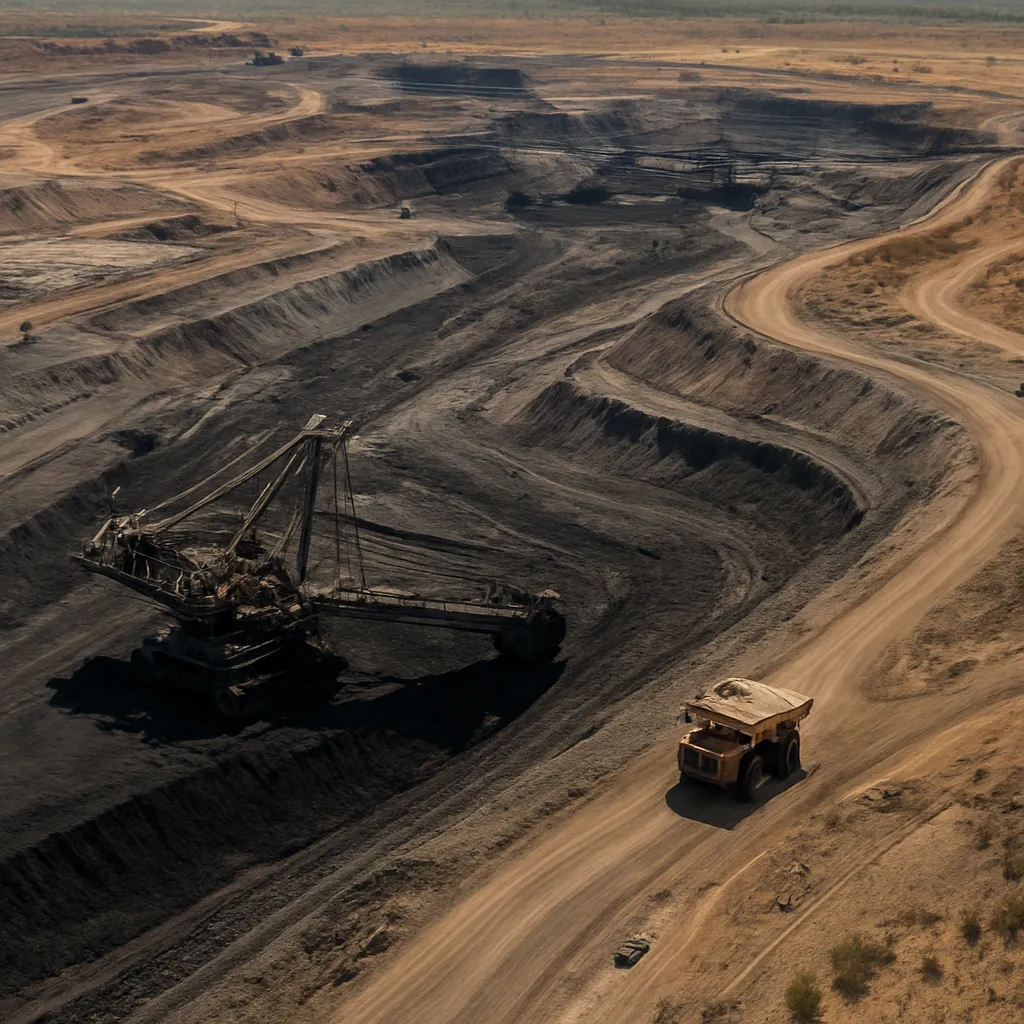
The Grasstree Mine is one of several coal operations located in central Queensland’s productive coalfields. While smaller in scale compared with some of the very largest Australian operations, Grasstree plays a distinct role in the regional mining network, supplying coal to domestic and export markets, supporting local employment, and contributing to the broader Australian coal industry. This article outlines the mine’s geological setting and location, the types of coal produced and mining methods used, the mine’s economic and industrial significance, environmental and community considerations, and available statistical and operational information that helps place Grasstree in context.
Location and geological setting
Grasstree Mine is situated in the Bowen Basin region of Queensland, part of a vast Permian-aged basin that hosts many of Australia’s most important coal deposits. The Bowen Basin stretches across central Queensland and contains numerous underground and open-cut mines producing both thermal and metallurgical coal. The mine’s location within this basin gives it access to well-characterised, thick coal seams that have been the focus of mining activity for decades.
The geology of the Bowen Basin is dominated by sequences of sandstones, siltstones and multiple coal seams formed in deltaic and fluvial settings during the Permian. Coal seams in this region vary in depth and seam thickness, with many mines exploiting seams at depths suitable for underground longwall or bord-and-pillar mining. Grasstree, like other underground operations, works seams that are generally valued for their consistent quality and continuity, facilitating mechanised extraction techniques.
Coal type and quality
Coal from the Grasstree area is typically classified among the bituminous ranks relevant to either metallurgical (coking) or thermal uses, depending on the seam and wash plant processing. In the Bowen Basin, it is common to find both high-quality low-ash coking coals used in steelmaking and lower-ranked thermal coals used for power generation. The specific characteristics associated with Grasstree coal include:
- Moderate to high calorific value, suitable for industrial and power-generation use.
- Typical moisture, ash and volatile matter contents consistent with Bowen Basin bituminous seams.
- Potential for washing and beneficiation to meet export product specifications.
Depending on mine planning and market demand, coal from Grasstree can be blended with products from nearby operations to achieve target qualities for domestic power utilities or international steelmakers.
Mining methods and operations
Grasstree is principally an underground operation using mechanised techniques common to the region. The two most relevant underground methods are longwall mining and bord-and-pillar, and operations choose the method that best suits seam geometry, depth and geotechnical conditions. Longwall mining allows high productivity from continuous mining faces and is often employed where seams are relatively uniform and of sufficient thickness.
Key operational features typically associated with Grasstree-style underground mines include:
- Use of roof supports and hydraulic shields in longwall faces to maintain workplace safety and manage strata movement.
- Continuous miners and conveyors for material handling in development headings.
- On-site processing (wash plant) or trucking to nearby preparation facilities to produce saleable coal products.
- Integration with regional infrastructure—rail, port access, and road networks—for export and domestic supply.
Operational planning for such mines prioritises efficiency and worker safety, with an emphasis on automation, remote monitoring and continuous improvement in ground control and ventilation systems.
Economic and industrial significance
Although Grasstree is not the largest producer in Australia, its role is multifaceted and includes contributions to the local economy, the supply chain for international consumers, and to industry support services.
- Employment: Underground coal mines like Grasstree are significant employers in regional Queensland, supporting both direct mine employees and indirect jobs in contracting, trucking, maintenance, and services. These operations typically provide hundreds of full-time positions during normal operations, with additional contracting roles fluctuating with maintenance and capital projects.
- Regional economic impact: Through wages, procurement of goods and services, and royalties and taxes paid to state and federal governments, the mine contributes to local councils’ revenue bases and funding for community infrastructure.
- Export earnings: Coal from the Bowen Basin forms a substantial portion of Australia’s coal exports. Mines like Grasstree feed the export supply chain that includes rail haulage to port and shipment to major markets in East Asia and beyond. Australia is one of the world’s largest coal exporters, and operations in the Bowen Basin are central to that status.
- Supply chain integration: Coal-producing mines support a network of service industries—equipment manufacturers, engineering services, logistics companies and financial and legal services—strengthening the industrial base of the region.
In the broader context, mines such as Grasstree contribute to Australia’s energy security and industrial raw material supply, particularly for steel production where metallurgical coal is required. The mine’s output, even if modest compared with mega-operations, helps meet contractual obligations to customers and stabilises local supply.
Statistics and operational data
Precise, up-to-date figures for Grasstree’s annual production, reserves, workforce numbers and financial metrics are typically reported by the mine operator or in industry datasets. Publicly available aggregate statistics for the Bowen Basin and Queensland coal sector provide useful context:
- Australia is consistently one of the world’s largest coal exporters; in recent years total coal exports have been in the order of hundreds of millions of tonnes annually.
- The Bowen Basin accounts for a significant share of Queensland’s coal output, with dozens of active mines producing both thermal and metallurgical products.
- Underground mines of the Grasstree type commonly have production rates ranging from under 1 million tonnes per annum to several million tonnes per annum, depending on the size of the operation, the number of longwall panels in operation, and market conditions.
- Mines with similar characteristics typically operate on multi-year plans that define extractable reserves, long-term coal supply contracts, and staged rehabilitation commitments.
Because individual mine metrics change with investment cycles, commodity prices and operational events, the latest operator reports or regulatory filings (such as those submitted to Queensland state authorities) are the best source for accurate numerical data on yearly production, proven and probable reserves, employment numbers, and capital expenditure.
Environmental management, rehabilitation and regulation
Environmental performance and regulatory compliance are central concerns for modern coal mines in Australia. Grasstree operates (or would be expected to operate) under a suite of environmental conditions set by Queensland state regulators, which stipulate requirements for water management, noise and dust control, progressive rehabilitation and post-mining land use.
Key environmental practices
- Water management: Underground mining requires careful handling of groundwater and mine-affected water, with systems to treat, reuse and, where appropriate, discharge water under licence.
- Dust and air quality: Measures such as water sprays, sealed conveyors and covered stockpiles limit fugitive dust emissions, protecting worker health and nearby communities.
- Progressive rehabilitation: Surface disturbance is progressively rehabilitated where possible to reduce the footprint and restore land for agricultural, conservation or other uses following mine closure.
- Biodiversity protection: Environmental management plans typically include measures to protect native flora and fauna, manage offsets where necessary, and monitor ecosystem health.
Stringent occupational health and safety standards govern underground operations. Practices include gas monitoring, ventilation management, rock and strata control, emergency response planning and continuous training to mitigate the hazards inherent in underground coal mining.
Community engagement and social license
The social dimension of Grasstree’s operations is as important as the physical extraction of coal. Community engagement programs, local procurement policies and investment in community initiatives help build and maintain a social license to operate. Common elements of such engagement include:
- Employment and training programs directed at local residents and Indigenous communities.
- Support for local schools, health services and community groups through sponsorships and partnerships.
- Transparent communication about mine plans, potential impacts and mitigation strategies.
- Grievance mechanisms and community consultation processes for landholders and residents.
Successful long-term operations tend to invest in predictable, transparent relationships with stakeholders—local councils, landholders, traditional owner groups and industry peers—to reduce conflict and support mutually beneficial outcomes.
Technological trends and innovation
Underground coal mines like Grasstree have adopted modern technologies to improve productivity, safety and environmental performance. Examples include:
- Automation and remote operation of longwall equipment and continuous miners, reducing exposure to hazardous conditions.
- Real-time monitoring systems for ventilation, gas detection and equipment performance to enhance safety and operational decision-making.
- Advanced modelling and geotechnical monitoring for ground control and subsidence management.
- Process improvements in coal washing and blending to raise product value and meet stringent customer specifications.
Investments in these areas often deliver operational efficiencies, cost reductions and improved compliance with regulatory and customer requirements.
Challenges and opportunities
Like many coal operations globally, Grasstree and other mines in the Bowen Basin face challenges and opportunities driven by market dynamics, regulatory changes and societal expectations. Key factors include:
- Market volatility: Global coal prices and demand—especially for metallurgical coal—can fluctuate significantly, influencing mine planning and profitability.
- Energy transition: Longer-term shifts toward decarbonisation in some markets create uncertainty for thermal coal demand; however, metallurgical coal used in steelmaking has remained strategically important.
- Operational costs: Labour, energy, and compliance costs affect margins and necessitate efficiency improvements.
- Regulatory and social pressures: Increasing community expectations for environmental performance and rehabilitation, and evolving regulatory frameworks, shape operational strategies.
- Opportunity for diversification: Mines and their associated companies may explore diversification into services, rehabilitation projects, or transitioning workforce skills to support renewable energy or other sectors.
Interesting facts and broader context
To better appreciate Grasstree’s place within the Australian mining landscape, consider these contextual points:
- The Bowen Basin has produced coal for more than a century and remains integral to Australia’s export economy.
- Underground mines contribute to the resilience of regional towns by providing high-skilled mining jobs and stable economic activity.
- Coal quality and consistency from Bowen Basin seams make this region attractive to steelmakers and power utilities around the world.
- Modern mines frequently undertake rehabilitation and post-mining land-use planning years before closure to ensure a smooth transition and reduce long-term liability.
Where to find authoritative data
Readers seeking the most accurate and up-to-date numerical data for Grasstree Mine—such as annual production volumes, proven and probable reserves, workforce numbers, capital expenditure and emissions—should consult:
- Official operator publications and annual reports, which typically include mine-level statistics and operational highlights.
- Queensland state government resources and mining department databases, which publish regulatory filings, environmental approvals and compliance reports.
- Industry bodies and market analysts that aggregate regional coal production, export and price data.
- Peer-reviewed geological and engineering studies focusing on the Bowen Basin and specific seam characteristics.
These sources provide the best foundation for any detailed financial, technical or environmental analysis pertaining to Grasstree and its peers.
Concluding perspective
Grasstree Mine exemplifies a modern underground coal operation within one of Australia’s most important coal provinces. It contributes to regional employment, supports export supply chains, and operates within a framework of environmental and safety regulations designed to manage impacts and protect stakeholders. While the coal industry faces structural and market changes, mines like Grasstree continue to shape the economic and industrial landscape of central Queensland. Advances in technology, active community engagement, and transparent environmental management will remain critical as the mine and its operators navigate both short-term market cycles and long-term trends in energy and industrial demand.