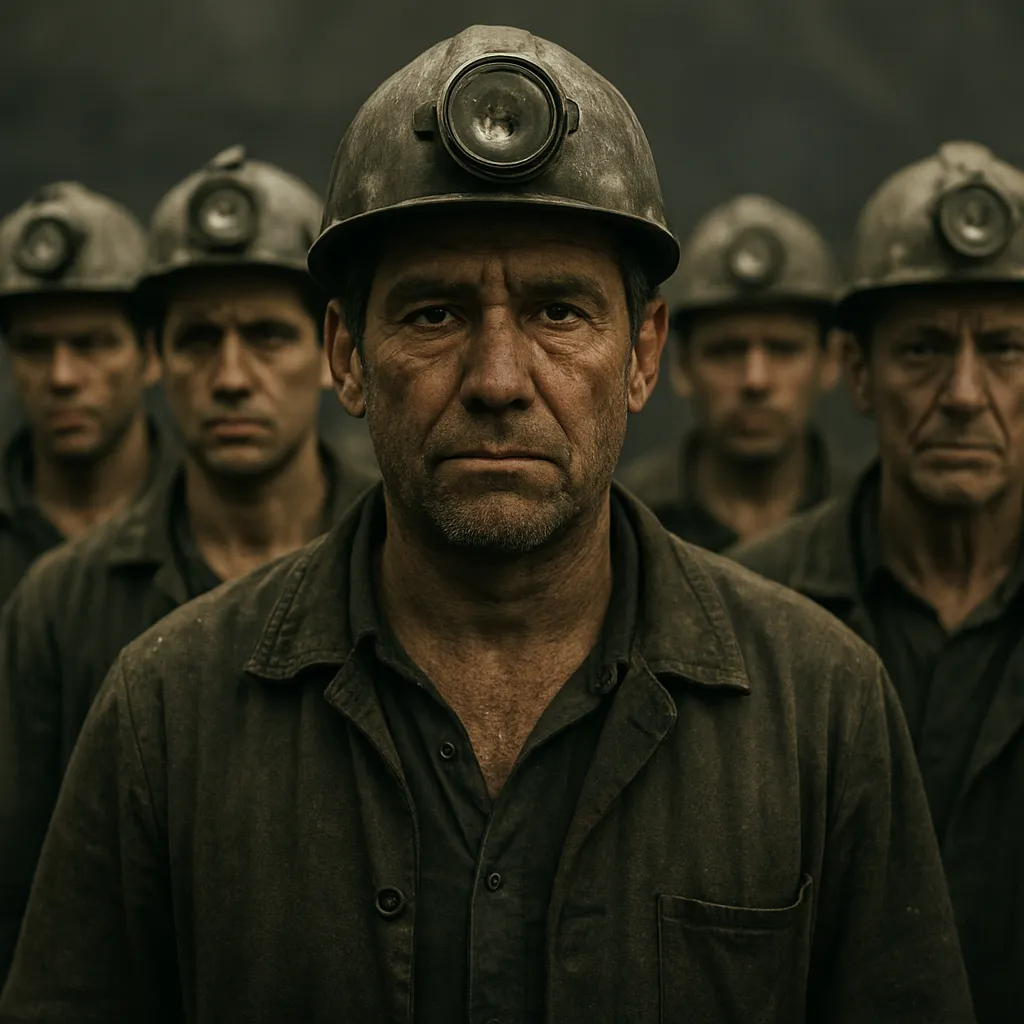
Coal remains one of the most influential and controversial commodities in the global energy system. Its abundant reserves and established infrastructure have provided reliable energy security for decades, yet its environmental footprint sparks intense debate. Investors, policymakers, and researchers all watch the performance of coal stocks closely, as shifts in regulation, technology, and market sentiment can drive significant volatility. This article explores the multifaceted world of coal: its role in the modern energy mix, the dynamics of coal-related equities, and the wave of innovation aimed at mitigating its carbon impact.
Coal in the Modern Energy Mix
Historical Background
The industrial revolution propelled coal to prominence, powering steam engines and steel mills. Over time, it evolved into a primary fuel for electricity generation, heating, and manufacturing. Even as renewables expand, coal still accounts for roughly one-third of global power output. Major economies, especially in Asia, depend on it to meet surging demand. However, concerns over air pollutants and greenhouse gas emissions have prompted many nations to reconsider their reliance on coal-fired plants.
Environmental and Social Impacts
Burning coal releases sulfur dioxide, nitrogen oxides, and particulate matter, contributing to acid rain and respiratory illnesses. The extraction process—be it surface mining or underground drilling—can devastate landscapes and displace communities. Despite these drawbacks, coal remains attractive in regions with limited access to natural gas or renewable infrastructure. Balancing the economic benefits of cheap, reliable fuel with the imperative of environmental protection remains a core challenge for governments and industry stakeholders worldwide.
Coal Stocks and Market Dynamics
Factors Influencing Share Prices
The valuation of companies involved in coal mining, transport, and power generation is sensitive to a range of variables:
- Global demand fluctuations based on seasonal energy use and economic cycles
- Regulatory changes, such as carbon pricing or emissions caps
- Competition from alternative fuels like natural gas and renewables
- Currency exchange rates impacting export revenues
- Progress in carbon capture and storage technologies
Analysts often highlight that a single policy announcement—such as a carbon tax increase—can trigger sharp sell-offs in coal equities. Conversely, unexpected supply disruptions or energy shortages may drive share prices upward as utilities scramble to secure adequate fuel supplies.
Investment Strategies
Investors considering coal stocks can employ diverse approaches:
- Value Investing: Seeking firms trading below book value due to temporary challenges.
- Income Investing: Targeting miners or utilities with consistent dividend payouts.
- ESG Screening: Excluding companies with poor environmental records.
- Hedging: Using futures and options to manage commodity price risk.
While some portfolio managers avoid coal entirely due to environmental, social, and governance concerns, others view it as an undervalued opportunity—especially in emerging markets where demand remains robust.
Technological Innovations and Clean Coal
Carbon Capture and Storage (CCS)
CCS systems aim to trap CO₂ emissions at the smokestack, compress them, and inject them into geological formations for long‐term storage. Large-scale pilot projects have demonstrated capture rates exceeding 90%. Despite promising results, high capital costs and energy penalties—often dubbed the “energy penalty” of CCS—have hampered widespread adoption. Governments in Europe, North America, and Asia have begun funding research to drive down costs, hoping to make clean energy from coal commercially viable.
Coal Gasification and Liquefaction
Advanced coal conversion techniques such as gasification produce synthetic gas (syngas) that can be burned more cleanly or processed into chemicals and fuels. Integrated Gasification Combined Cycle (IGCC) plants integrate gasification with high-efficiency turbines, achieving thermal efficiencies above 45%. Although IGCC remains more expensive than conventional coal-fired units, its ability to co-produce electricity and hydrogen makes it a versatile component in future low-carbon energy systems.
Emission Control Systems
Retrofitting existing plants with flue gas desulfurization (FGD), selective catalytic reduction (SCR), and electrostatic precipitators can dramatically cut sulfur, nitrogen, and particulate emissions. These upgrades extend the operational lifespan of coal plants while bringing environmental performance closer to regulatory standards. Some utilities view emission controls as a bridge toward fully transitioning to lower-carbon sources.
Future Outlook and Challenges
Global Policy Trends
International accords like the Paris Agreement have committed signatories to reduce carbon intensity, indirectly pressuring coal-dependent economies. Many countries are setting timelines for phasing out unabated coal, while financing institutions withdraw support for new coal projects. However, policy gaps and geopolitical tensions can slow or even reverse momentum in certain regions. The interplay between energy security and climate goals will shape the trajectory of coal in the coming decades.
Economic Considerations
Coal remains one of the least expensive energy sources on a per-megawatt-hour basis, especially where mines, rail networks, and power plants are already in place. For developing nations, the cost advantage is hard to ignore. Yet, as carbon costs rise and renewable technologies fall in price, the long-term economic case for new coal investments weakens. Financial institutions are increasingly assessing the risks of “stranded assets” in coal reserves and infrastructure.
Social Dimensions
Communities that depend on coal mining and power generation for employment face a complex transition. Job retraining programs, regional development funds, and social safety nets are essential to mitigate the impacts of coal plant closures. Some regions have successfully repurposed former mine sites for recreational, industrial, or ecological use—turning a symbol of the industrial past into a resource for a sustainable future.
Conclusion
The story of coal is far from over. While environmental concerns and market dynamics push toward cleaner alternatives, technological advancements and economic realities ensure coal will remain part of the conversation for years to come. Stakeholders across the public and private sectors must collaborate on policies, investments, and innovations that balance immediate energy needs with longer-term climate objectives. As the world navigates this transition, coal’s evolving role will continue to influence markets, communities, and the planet’s environmental health.