The coal industry has undergone dramatic changes over the last century, evolving from a dominant source of energy to a sector facing intense environmental scrutiny and shifting market dynamics. This article explores the multifaceted world of coal and its related financial instruments, examining historical roots, modern trading strategies, environmental pressures, and the future outlook for an industry at the crossroads of traditional power generation and emerging technologies.
Historical Context of Coal Development
The story of Coal extraction and consumption dates back centuries, when wood shortages in industrializing Europe led miners to dig deeper for black carbon deposits. Early mining techniques were rudimentary, and dangerous conditions claimed countless lives. Nevertheless, the advent of steam engines in the late 18th century catalyzed demand, transforming coal into the lifeblood of industrial expansion. British and American entrepreneurs rapidly expanded mines, laying rail networks to transport this vital resource.
By the early 20th century, coal was responsible for powering factories, locomotives, warships and even homes. The synergy between mining operations and heavy industry established a robust infrastructure that formed the backbone of modern economies. Miners’ unions grew in strength, negotiating wages and safety regulations with mine owners. While accidents remained common, technological innovations—such as mechanized cutting machines and ventilation systems—gradually improved working conditions.
Coal’s Role in Global Industrialization
- Expansion of railroads: Coal-fired locomotives enabled fast, reliable transport of goods and passengers.
- Steel production: Metallurgical coal (coking coal) became essential for producing steel with the Bessemer process.
- Electricity generation: Early power plants burned coal to generate electricity at scale, illuminating cities.
These developments cemented coal’s position as the primary driver of the Industrial Revolution and the early decades of the modern era. However, the relationship between coal and global economic growth would later face critical scrutiny due to air pollution and greenhouse gas emissions.
Coal Market Dynamics and Stock Performance
In financial circles, investing in coal companies or commodity futures has historically been viewed as a bet on ongoing industrial demand. Coal prices are influenced by geopolitical events, weather patterns, regulatory policies, and competition from alternative renewable sources. Traders often monitor stockpiles reported by major producing nations, shipping data from seaborne routes, and seasonality—demand typically spikes during winter months.
Key Drivers of Coal Prices
- Global demand trends: Rapid industrialization in emerging markets can drive consumption higher.
- Regulations and taxes: Emission limits and carbon pricing schemes increase operating costs.
- Fuel competition: Natural gas prices and the growth of solar and wind impact coal’s share.
Coal companies themselves issue stock shares on public exchanges, offering investors exposure to mining operations and power generation assets. Analysts look at production volumes, cost per ton, and reserve grades when valuing these firms. A surge in commodity prices can boost revenues significantly, but persistent regulatory headwinds may dampen long-term profitability. Institutional investors may balance portfolios by including coal stocks alongside other energy assets, hedging against volatility with diversified holdings.
Another avenue is trading coal futures contracts on commodities exchanges. These derivatives allow market participants to lock in prices for future delivery, betting on upward or downward price movements. However, futures markets can be highly volatile. Sudden policy announcements—like a ban on coal-fired power plants—or abrupt weather shifts can trigger rapid price swings, offering both risk and opportunity.
Environmental Challenges and the Path to Transition
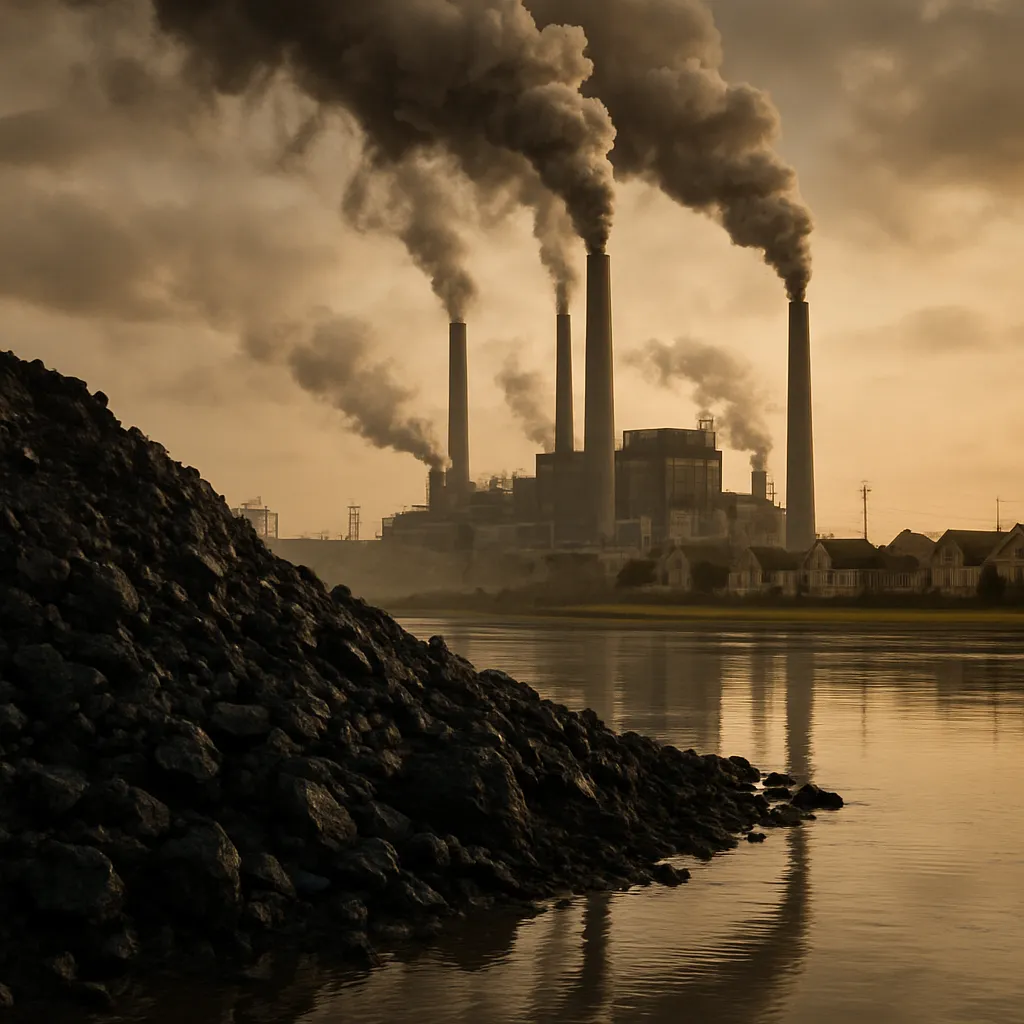
Coal combustion has long been criticized for its environmental impact. Air pollutants such as sulfur dioxide, nitrogen oxides, and particulate matter harm human health, contributing to respiratory illnesses. Even more pressing is the release of carbon dioxide, a greenhouse gas driving climate change. Governments worldwide have responded with regulations aimed at reducing coal’s environmental footprint and encouraging cleaner energy solutions.
Mitigation Technologies
- Scrubbers and filters: Installed in smokestacks to remove sulfur compounds and particulates.
- Carbon Capture and Storage (CCS): Captures CO₂ emissions before they reach the atmosphere, storing them underground.
- Efficiency improvements: Upgrading turbines and boilers to burn coal more cleanly and reduce waste heat.
Despite technological advances, the consensus among scientists is clear: a swift transition away from coal is necessary to meet climate goals set under international agreements. This shift pressures traditional coal plants to adopt retrofits or face closure, while utilities increase investments in natural gas, hydroelectric dams, and sustainability-focused solutions.
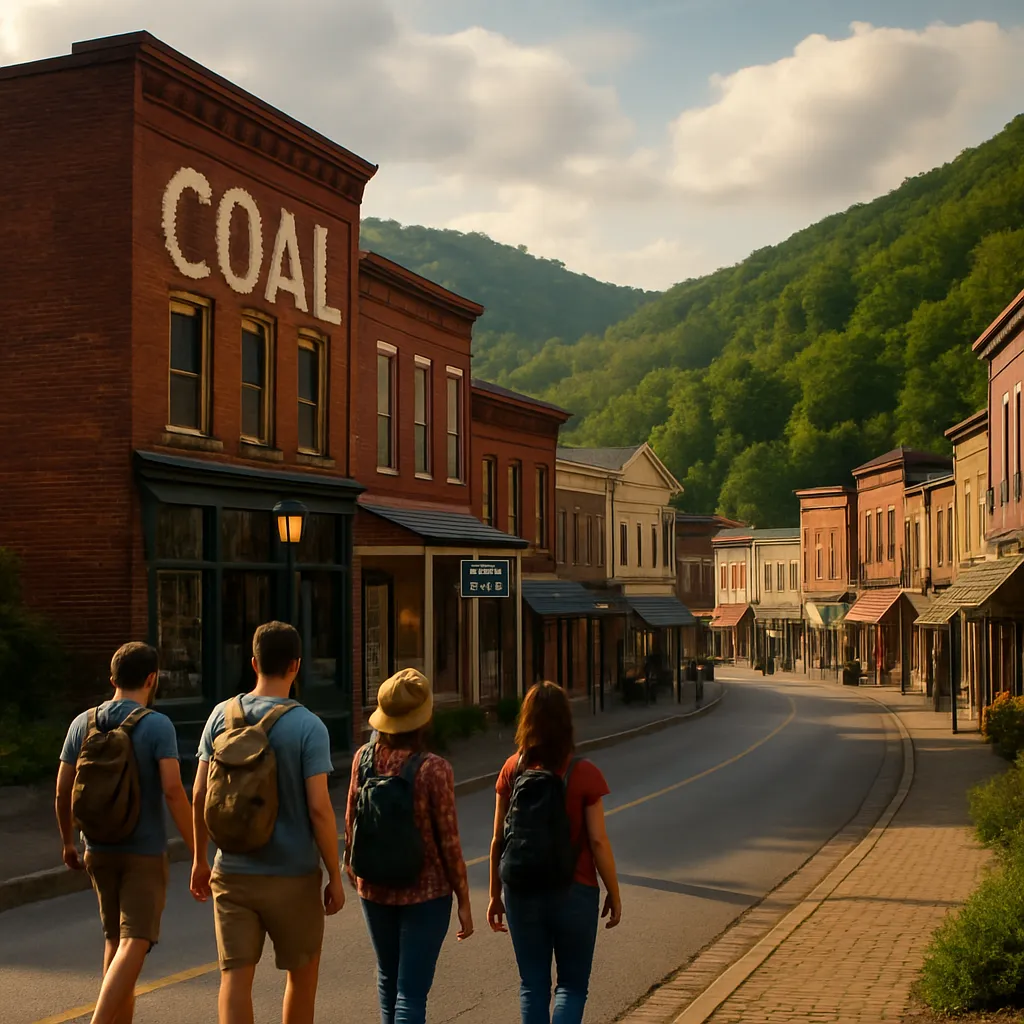
Communities that have long depended on coal mining confront economic disruption as mines close and plants shut down. Policymakers are exploring “just transition” frameworks that aim to provide retraining programs, social safety nets, and alternative employment opportunities in green industries. In regions where mining heritage is deeply ingrained, tourism initiatives and heritage centers have emerged, preserving local culture and history while stimulating new revenue streams.
Future Outlook and Innovations
Looking ahead, the coal industry faces both challenges and niches of opportunity. Some producers are pivoting to high-grade coking coal essential for steelmaking, where alternatives are limited. Others emphasize cleaner burning processes and partnerships with carbon capture ventures to extend the operational life of existing assets under stricter emission regimes.
Emerging Trends
- Hydrogen co-firing: Mixing coal with hydrogen in power plants to reduce CO₂ emissions.
- Digital mining: Utilizing automation, drones, and AI to increase safety and reduce operational costs.
- Resource recycling: Repurposing mine sites for solar farms, pumped-storage hydro, or ecological restoration projects.
Investment firms and governments are increasingly weighing the long-term viability of coal against its environmental liabilities. Sovereign and private wealth funds may divest from coal-heavy portfolios, redirecting capital toward clean investment vehicles. Nevertheless, in countries where energy demand continues to climb, coal might remain a transitional bridge until renewables and storage technologies can meet baseload needs reliably.
In conclusion, the narrative of coal is one of evolution—born from centuries-old mining traditions, entangled in global markets, challenged by environmental imperatives, and poised for reinvention. Stakeholders across industry, government, and finance will determine whether coal endures as a strategic energy source or fades in favor of novel, low-carbon solutions that redefine how we power our world.