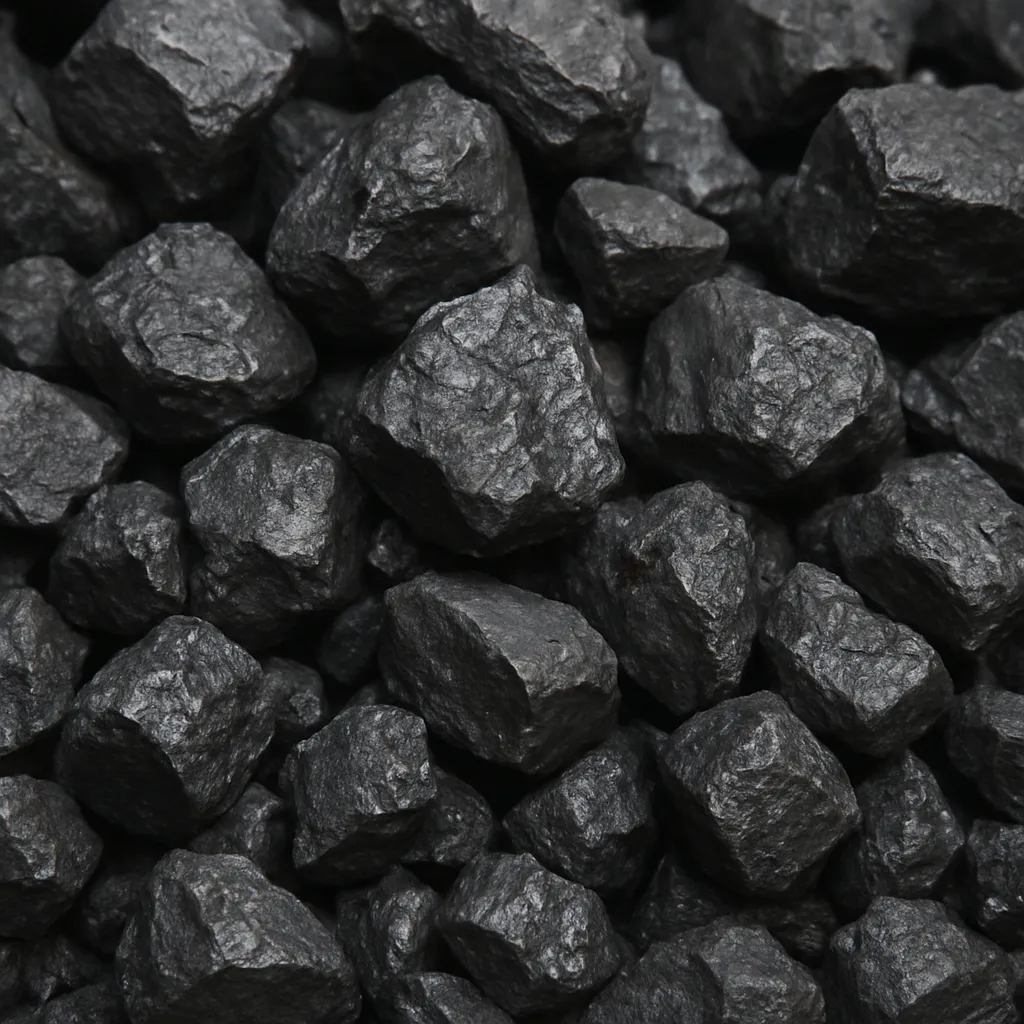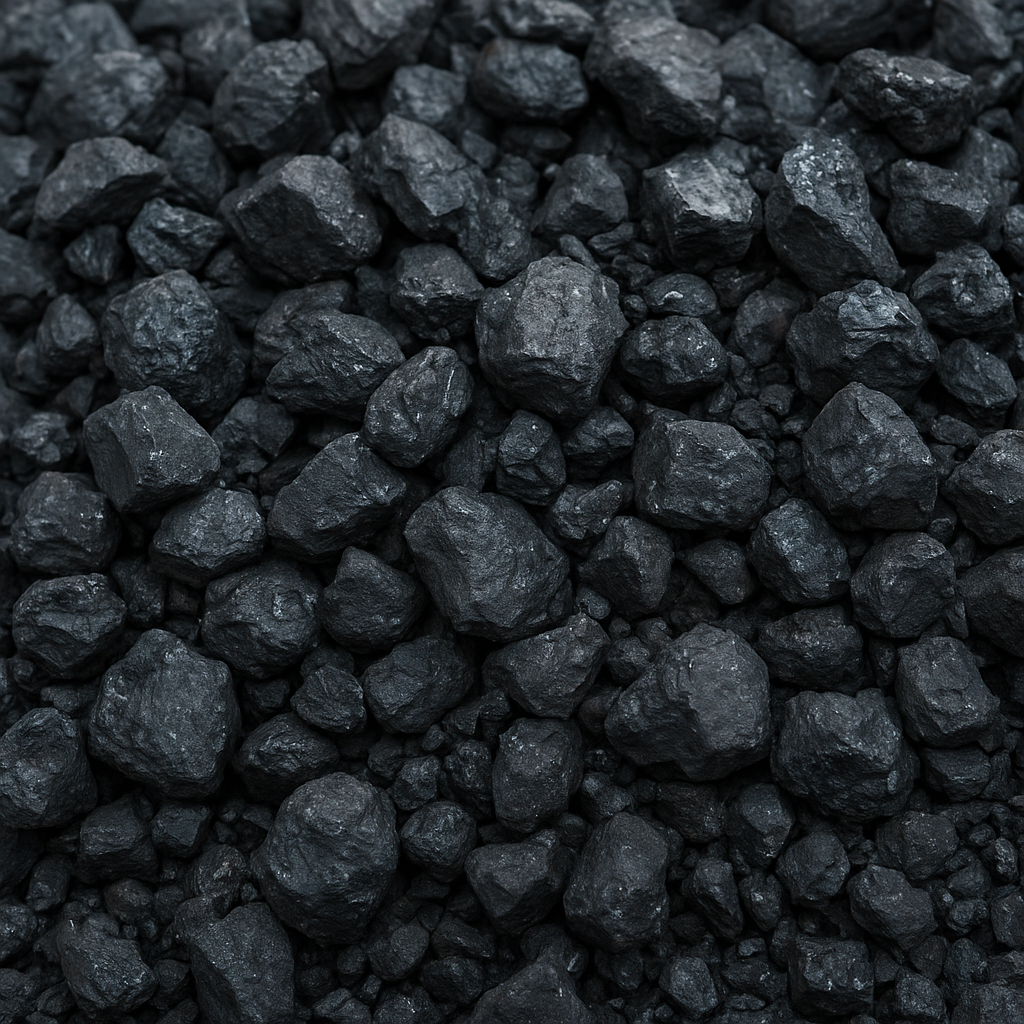
This article examines the characteristics, occurrences, extraction, economic roles and industrial importance of low-calorific-value coal—commonly referred to as low-BTU coal. It presents geological and geographical contexts, outlines the technological and market constraints that shape its use, and describes opportunities for upgrading and cleaner utilization. The text is intended as a comprehensive overview for readers who want to understand why this category of coal remains important in some regions despite environmental pressures and changing energy markets.
What is low-BTU coal? Physical and chemical characteristics
Low-BTU coal refers to coal with a relatively low gross calorific value per unit mass. This class typically includes high-moisture, low-rank coals such as lignite and many sub-bituminous coals. Key physical and chemical traits are:
- Lower energy density (lower heat content per tonne) compared with higher-rank coals (bituminous, anthracite).
- High moisture content—often 20–60% for lignite—reducing usable heating value and complicating transport and storage.
- Elevated volatile matter and lower fixed carbon, making combustion behavior different from higher-rank coals.
- Typically low sulfur content, which can be an advantage for meeting sulfur emission limits, but sometimes higher ash content depending on the bedrock and deposit.
- Greater susceptibility to spontaneous combustion in stockpiles because of fine particle size, high moisture, and oxidation potential.
To give a practical threshold for classification, many practitioners treat coals with gross calorific values below roughly 10,000 Btu/lb (≈23 MJ/kg) as low-BTU. Within this range, lignite often sits at the very low end (single-digit MJ/kg to ~20 MJ/kg), while some sub-bituminous seams may approach or slightly exceed that threshold.
Where low-BTU coal occurs and where it is mined
Low-rank coals occur widely wherever peatlands were buried and lightly metamorphosed through geological burial and compaction. Major deposits and producing regions include:
- United States — Extensive lignite basins in Texas, North Dakota, and Montana; the Powder River Basin (PRB) in Wyoming and Montana produces vast quantities of sub-bituminous coal with relatively low BTU but low sulfur, widely used in power generation.
- Germany — Large open-pit lignite mines in the Rhineland (Garzweiler, Hambach) and Lusatia, historically central to base-load electricity production and important to regional economies.
- Poland and Eastern Europe — Lignite basins (e.g., Bełchatów in Poland) supply local power plants; countries such as Greece, Serbia and Türkiye also have lignite operations.
- China — Significant low-rank coal reserves across northern and northwestern provinces; China uses a range of low-grade coals for power and industrial heat.
- India — Lignite deposits in Gujarat, Tamil Nadu and Rajasthan are mined for local power generation and industrial uses.
- Australia — While much of Australia’s coal exports are higher-rank thermal and metallurgical coals, some domestic and export operations involve sub-bituminous coals of lower calorific value.
- Other regions — Indonesia, Turkey, Greece and several Balkan countries have lignite and sub-bituminous deposits exploited primarily for nearby power generation.
Most low-BTU coal is mined by open-pit (surface) methods because deposits are often shallow and widely distributed. Underground mining does occur where seams are deeper or if environmental and land-use constraints restrict surface mining.
Production volumes, trade and transportation economics
Because low-BTU coal has a lower energy content per tonne, its economics depend heavily on proximity to the end user. The two main patterns are:
- Mine-mouth fuel: Large lignite fields are typically paired with dedicated nearby power plants operating on a mine-to-plant model that minimizes transportation costs and handles the high moisture and low energy density efficiently.
- Bulk transport of sub-bituminous coal: Some lower-BTU sub-bituminous coals (e.g., Powder River Basin) are shipped by rail to distant power plants, taking advantage of economies of scale and low sulfur content despite lower energy density.
Representative production context and statistics (indicative ranges rather than exhaustive, and reflecting trends up to the early 2020s):
- Powder River Basin: historically one of the world’s largest single coal-producing regions; annual production has been in the several hundred million short tons range in peak years prior to market contractions—most PRB coal is low-BTU sub-bituminous (low-sulfur).
- U.S. lignite production: typically on the order of tens to low hundreds of million short tons annually, concentrated in a few states (Texas, North Dakota).
- Germany and Poland: lignite mining historically produced tens of millions of tonnes per year in each country to supply large, nearby lignite-fired plants.
- Global trade in low-BTU coal is limited relative to higher-quality thermal coal because low energy density increases transport cost per unit of delivered energy.
These patterns explain why many low-BTU operations emphasize local power generation, integrated mine-plant logistics, and in some cases conversion to higher-value products on-site before shipping.
Industrial uses and technological applications
Low-BTU coal has both traditional and developing applications. Traditional uses prioritize proximity to demand and include:
- Electricity generation at mine-mouth or near-mine thermal plants.
- District heating and industrial steam generation in regions where lignite is abundant.
- Briquetting and pelletizing for improved handling and higher energy density relative to raw coal.
Advanced or higher-value applications focus on upgrading low-rank feedstock:
- Drying and thermal upgrading — Technologies to remove moisture and increase calorific value include mechanical thermal drying, hot recycled flue gas drying, and fluidized-bed dryers. Dried material has better transportability and combustion efficiency.
- Gasification and combined-cycle systems — Integrated gasification combined cycle (IGCC) and other gasification approaches convert low-grade coal to a synthesis gas (syngas) for power generation, chemical feedstocks, or coal-to-liquids processes. Gasification can be paired with carbon capture more easily than conventional combustion in some designs.
- Coal-water slurry or briquettes — These forms facilitate transport and handling; slurry transport has been trialed in specific contexts but is not widely adopted due to pipeline and drying costs.
- Underground coal gasification (UCG) — In-situ conversion has been piloted in several countries to exploit seams that are uneconomic to mine conventionally.
One long-standing example of technology adaptation is the Great Plains Synfuels Plant in North Dakota (USA), which historically converted local lignite into synthetic natural gas and chemicals—demonstrating that lignite can be a feedstock for gasification and downstream chemical manufacture when economically justified.
Economic and regional impacts
Low-BTU coal operations often have outsized regional economic importance:
- Employment and local revenues: Open-pit lignite mines and adjacent power plants can be major employers in rural areas, providing direct and indirect jobs and significant local tax or royalty revenues.
- Energy security and fuel diversity: In countries with large low-rank coal deposits, using those resources can enhance domestic energy security and reduce dependence on imported fuels.
- Mine-mouth power economics: When transportation is minimal, cost per delivered MWh can be competitive even for low energy-density fuels. This is why lignite remains the primary fuel for some baseload plants in Europe and elsewhere.
- Capital investment and transition risks: Regions dependent on lignite face transition risks as national and international climate policies tighten and markets shift toward low-carbon generation. Closure schedules for mines and plants require planning to mitigate economic disruption.
Environmental and regulatory considerations
Low-BTU coal poses several environmental challenges as well as some potential advantages:
- Higher emissions per unit of delivered energy: Because more mass of low-BTU coal must be burned to deliver the same energy output, raw emissions of CO2 per tonne mined can be lower or higher depending on carbon content; however, per MWh of electricity produced the CO2 intensity can be relatively high unless offset by technology such as carbon capture.
- Lower sulfur but variable trace elements: Many low-rank coals have low sulfur, easing compliance with sulfur dioxide (SO2) controls; mercury and other trace element concentrations are variable and must be monitored.
- Water and land impacts: Surface mining produces large disturbed land areas requiring reclamation; lignite-fired power plants can be water-intensive, and wet flue gas desulfurization or coal drying may increase water demand.
- Spontaneous combustion and dust: Handling and stockpiling require controls to reduce fire risks and particulate emissions.
- Policy pressure and decarbonization: As governments pursue emissions reduction goals, low-BTU coal faces both regulatory pressure and market risk, making investments in emissions control and CCS more attractive in some cases but also uncertain economically.
Upgrading and mitigation technologies
Improving the usability and environmental footprint of low-rank coal involves several technological pathways:
- Moisture removal and densification — Reducing moisture via thermal drying, belt dryers, or other heat recovery systems raises calorific value and reduces transport penalties.
- Thermal or chemical upgrading — Torrefaction and mild pyrolysis can create a hydrophobic, coal-like product with improved grindability, energy density and storage stability.
- Gasification paired with CCS — Gasification converts coal to syngas, which can be cleaned of impurities and combined with carbon capture systems to reduce net emissions per unit of useful energy or chemical feedstock.
- Selective combustion and co-firing — Co-firing with biomass or higher-grade coals in boilers designed to accept mixed fuels can lower average carbon intensity and maintain operations while lowering coal consumption.
Case studies and policy influences
Several national and regional examples highlight how policy, markets and technology interact around low-BTU coal:
- Germany: Historically large-scale lignite mining fed major power plants; in recent years, political decisions to phase out coal have placed lignite regions under economic transition programs and mine closures, with implications for jobs, power grids and emissions targets.
- Poland: Significant lignite-based generation remains central to some local grids. Modernization investments and EU environmental regulation shape plant operations and closure timelines.
- United States (PRB and lignite basins): PRB’s low-sulfur sub-bituminous coal shaped nationwide generation strategies for decades, while lignite basins supported regional power in the U.S. Midwest and Plains. Market competition from cheap natural gas and renewables has reduced demand for thermal coal in many U.S. markets.
- China and India: Continued use of low-rank coals for power and industrial heat reflects domestic resource utilization, though both countries are also investing heavily in renewables and emissions reduction measures. Upgrading and gasification programs have been trialed to extract more value and reduce emissions.
Future outlook and research directions
The future role of low-BTU coal depends on several interacting factors:
- Policy and carbon pricing — Strong carbon prices or strict emissions limits tend to disadvantage unabated low-BTU coal, unless retrofitted with effective CCS or converted to cleaner products via gasification.
- Cost of upgrading technologies — Advances in efficient drying, torrefaction and gasification that lower capital and operating costs could extend economic uses for low-rank coal.
- Local energy planning — Regions with abundant lignite may prioritize just transition strategies, carbon-neutral electricity alternatives, or niche upgrading industries to sustain local economies.
- Innovation in utilization — Combining low-BTU coal with biomass or using it as a feedstock in chemical manufacturing could help maintain market value with lower net emissions.
Practical considerations for stakeholders
For policymakers, industry and local communities, pragmatic approaches include:
- Assessing the true delivered cost of energy which incorporates mining, drying/upgrading, transport and emissions control, not just the nominal price per tonne.
- Designing transition policies that include retraining, economic diversification, and phased closure plans for mine-mouth generation assets.
- Evaluating strategic investments in gasification, carbon capture, and other technologies where local geology, infrastructure and markets support long-term payback.
- Enforcing environmental safeguards for land reclamation, water management and airborne emissions to minimize local health and ecological impacts.
Key takeaways
- Low-BTU coal (largely lignite and some sub-bituminous coals) remains economically viable where it is mined close to its point of use or when upgraded locally.
- Its advantages include domestic resource utilization and often low sulfur content; disadvantages include high moisture, lower energy density and environmental challenges.
- Technologies such as drying, densification, gasification and carbon capture can improve performance and reduce emissions, but their adoption depends on capital costs, policy incentives, and market conditions.
Conclusion
Low-BTU coal occupies a distinctive niche in the global energy landscape. While declining in some markets under the pressure of cheaper gas and renewables, it continues to be a cornerstone of local energy systems in many regions where mine-mouth economics, industrial demand and legacy infrastructure converge. The balance between economic benefit and environmental cost drives technological innovation—particularly in upgrading and emissions mitigation—and sets the terms for how long and in what form low-BTU coal will remain part of national energy mixes. Stakeholders who manage the social, economic and technical aspects of this resource will determine whether it becomes a transitional fuel, an upgraded feedstock for new industries, or a legacy commodity phased out in the clean-energy transition.