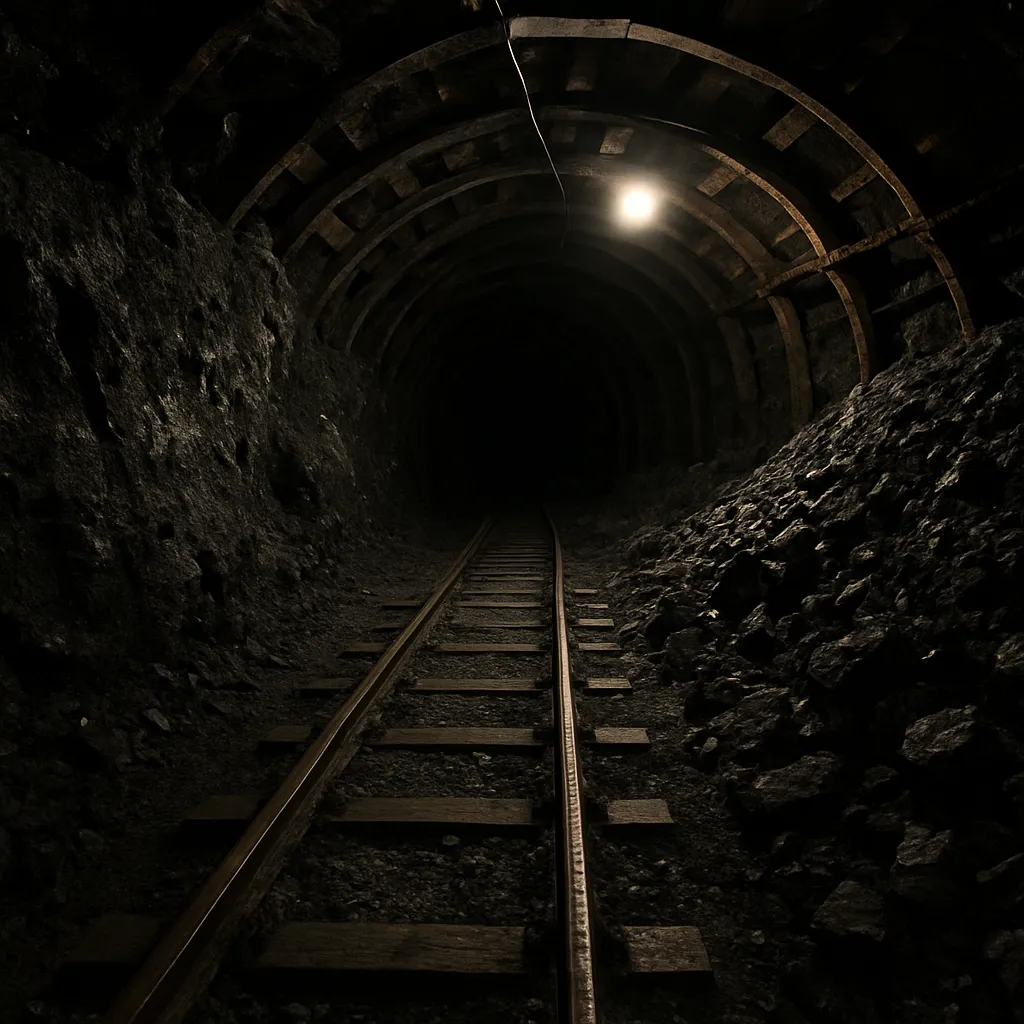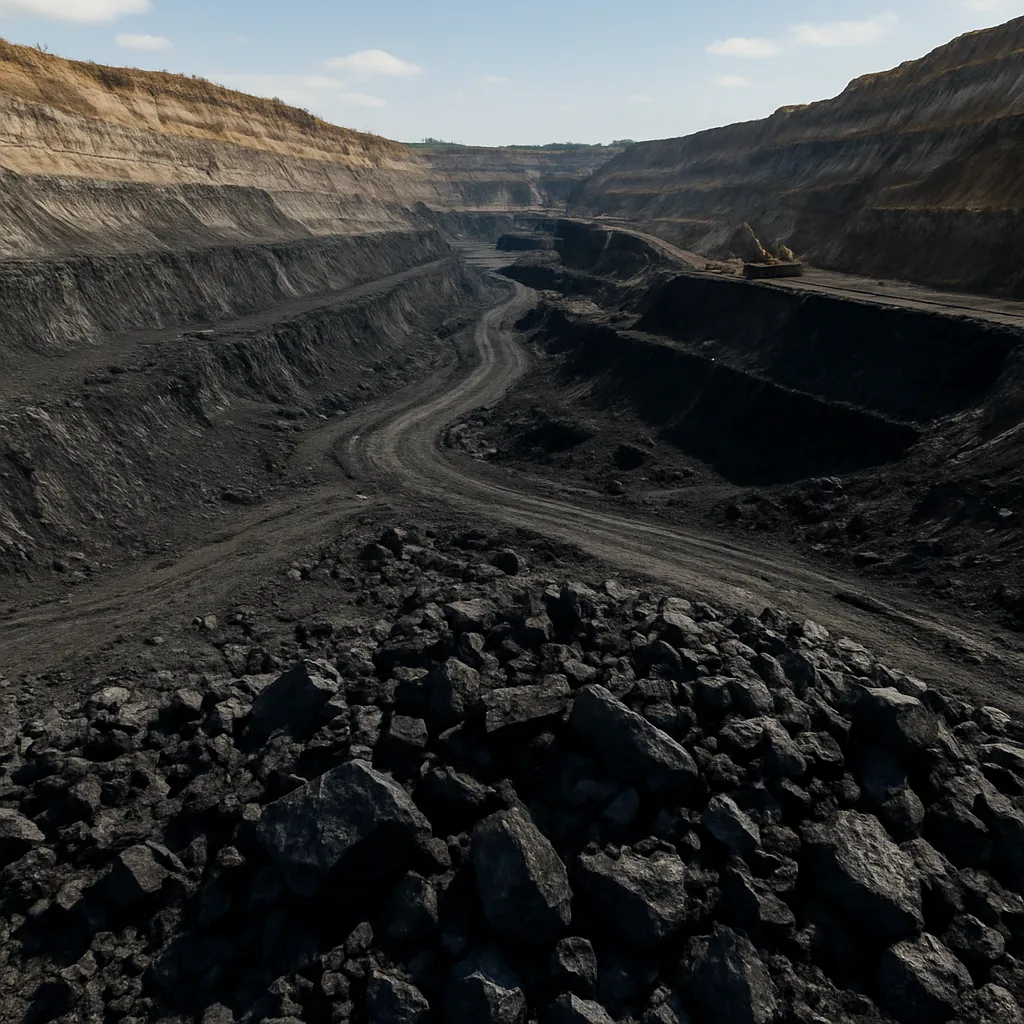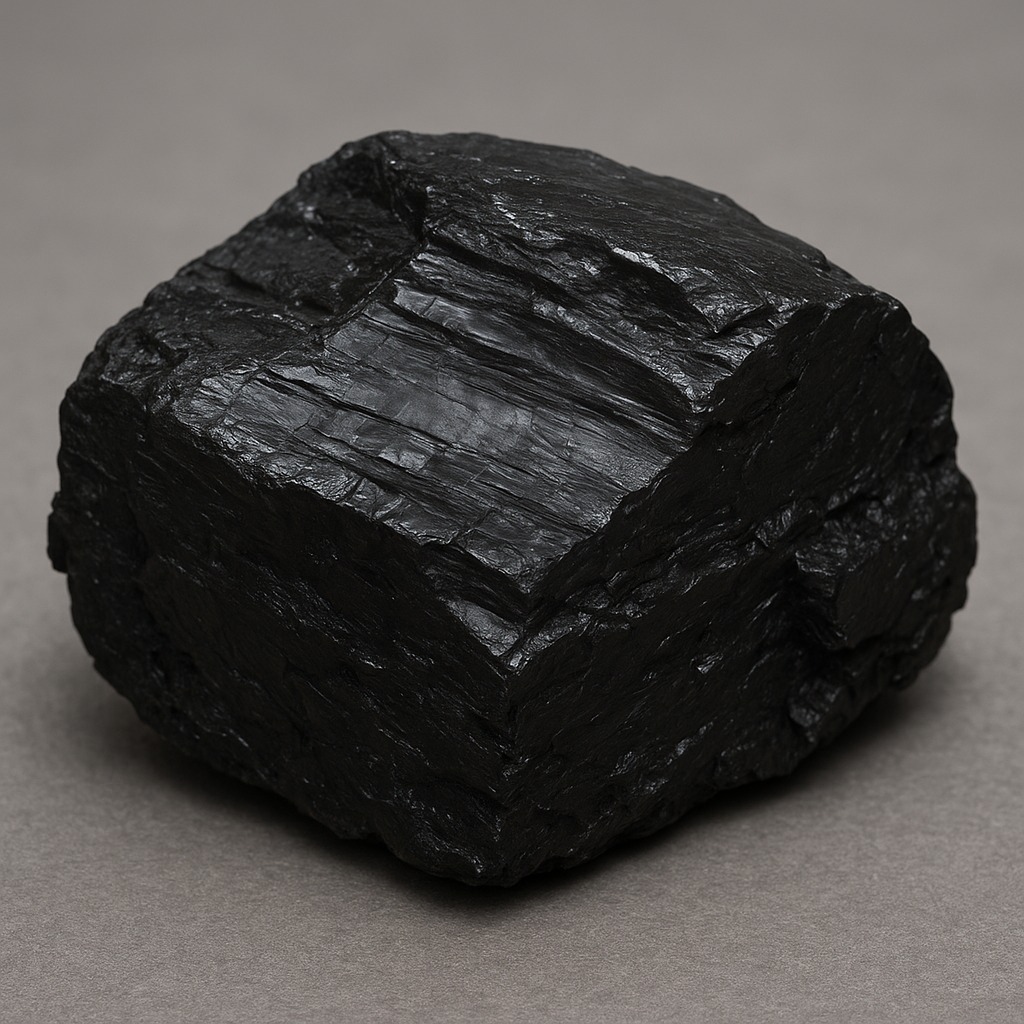
The term ultra-cleaned thermal coal refers to thermally graded coal that has undergone intensive beneficiation and cleaning processes to remove ash, sulfur, moisture and other impurities, producing a fuel with higher calorific value and lower pollutant content than standard washed coal. This article examines where such coal occurs and is mined, the technologies used to produce it, its economic and industrial importance, available statistical perspectives, environmental implications, and likely future developments. The goal is to provide a comprehensive overview useful for energy analysts, policymakers, industry professionals and informed readers.
Geology, Types and Natural Occurrence
Coal forms from accumulated plant matter that has been subjected to pressure, heat and geological time. Natural variations produce different ranks—lignite, sub-bituminous, bituminous and anthracite—with most commercial thermal coal falling in the sub-bituminous to bituminous range. Ultra-cleaned thermal coal is normally produced from coals that are amenable to washing and beneficiation, typically higher-rank bituminous and some sub-bituminous seams.
Key geological factors that determine suitability for ultra-cleaning include the initial ash content, distribution of mineral matter, sulfur forms (organic vs. pyritic), and moisture. Coals with significant visible mineral bands or high inorganic content can be beneficiated effectively by conventional methods such as dense medium separation or fine coal flotation. Conversely, coal with finely disseminated mineral matter or high inherent sulfur is more challenging and may require advanced chemical or biological treatments.
Where It Is Mined: Major Regions and Basins
Commercial production of thermal coal suitable for ultra-cleaning occurs in many of the world’s major coal basins. Important producing regions include:
- Australia — Queensland and New South Wales (Bowen and Surat/Clarence-Moreton basins) supply high-quality thermal coals that are widely exported. Australia is a global leader in high-quality steam coal exports.
- Indonesia — Kalimantan and Sumatra contain large volumes of sub-bituminous coals; many exporters use washing and blending to meet seaborne market specs.
- United States — Powder River Basin (Wyoming, Montana) produces vast quantities of low-rank, relatively low-sulfur coal; Appalachian basins supply higher-grade bituminous coals that can be beneficiated.
- China — numerous basins including Shanxi, Inner Mongolia and Shaanxi supply both domestic and processed coals; China also invests in beneficiation to upgrade local resources.
- Russia — Kuznetsk Basin (Kuzbass) and the Far East supply thermal coals that can be washed and upgraded.
- South Africa — Mpumalanga and Waterberg regions provide thermal coal for domestic power and export markets with beneficiation increasingly applied.
- Colombia — produces high-quality thermal coals for export that are often low in sulfur and ash and therefore competitive in washed and low-emission markets.
Export dynamics shape where ultra-cleaned product is most economically produced. Regions with low-cost mining and access to washing and logistics infrastructure (rail, port handling and transshipment) are favored when producing premium cleaned coals for international markets.
Processing and Technologies for Ultra-cleaning
Producing ultra-cleaned thermal coal involves several sequential and sometimes parallel processes. Typical stages are:
- Size classification and crushing to liberate mineral matter.
- Heavy-media separation (dense medium cyclones) to remove coarse mineral matter.
- Fine coal flotation or hydrocyclones for finer particle sizes.
- Fine dewatering and drying — including thermal drying, centrifuges and advanced filter presses — to reduce moisture and improve calorific value.
- Chemical leaching, thermal pre-treatment or biological desulfurization for removing chemically bound sulfur or trace metals in challenging ores.
- Advanced dry separation methods (air-dense medium, triboelectrostatic) for water-scarce regions.
Emerging and R&D technologies include microwave-assisted liberation, ultrasonic enhancement of flotation, biodesulfurization using specialized microbes, and integration with coal-to-liquids/gasification feedstock preparation to meet stringent impurity limits. Furthermore, process integration can be optimized to produce tailored coal blends for particular boilers or gasifiers.
Quality Metrics and Typical Specifications
Ultra-cleaned thermal coal is specified by a set of standard metrics that determine its performance and price:
- Calorific value (gross/as-received and dry basis) typically expressed in kcal/kg or MJ/kg. Ultra-clean products often achieve higher values by removing inert ash and moisture; many premium grades exceed 6,000 kcal/kg (≈25 MJ/kg) on an as-received basis depending on starting coal.
- Ash content — a critical metric for ultra-clean coal; target ash levels commonly are <5% and in some ultra-clean products below 3%.
- Sulfur content — low-sulfur targets (<0.5% or lower) are important to limit SOx emissions and regulatory costs.
- Moisture — lower moisture improves heating value per tonne and reduces transport of water weight.
- Volatile matter, fixed carbon, and trace elements (mercury, arsenic) which affect combustion behavior and emissions control requirements.
Specifications are negotiated between producers and buyers; utilities and industrial consumers often require tight tolerances to preserve boiler performance and reduce emissions control burdens.
Economic and Market Considerations
Ultra-cleaned thermal coal occupies a price premium niche relative to raw, unwashed coal due to higher processing costs and the value of reduced impurities. Premiums depend on regional market dynamics, shipping distances, local environmental regulations and the availability of alternative fuels.
Key economic drivers include:
- Price premiums for higher calorific value and lower ash/sulfur, which translate into greater plant efficiency and lower emissions treatment costs.
- Logistics and shipping — reducing moisture and ash lowers freight costs per unit of useful energy and can influence port handling efficiency.
- Regulatory drivers — stringent air quality standards or emissions limits raise the value of cleaner coal.
- Competition from gas, renewables and nuclear — in markets where low-carbon targets accelerate, ultra-clean coal is often positioned as a near-term transitional fuel if paired with emissions mitigation technologies.
Globally, thermal coal remains a substantial component of energy systems. In the early-to-mid 2020s, total global coal production was in the order of several billion tonnes annually, with thermal coal accounting for a major share of that tonnage. Production and trade are dominated by a handful of countries: China is the largest consumer and producer, while exporters such as Australia, Indonesia, and Russia supply most of the seaborne market. Price volatility — influenced by geopolitics, weather, and policy — affects the economics of investing in ultra-clean processing facilities.
Statistical Perspectives and Market Data
While the market for “ultra-cleaned” thermal coal is a subset of the broader thermal coal market, several statistical indicators are useful:
- Global coal production: measured in billions of tonnes per year (thermal + metallurgical). Growth and contraction trends follow macroeconomic activity, energy mix shifts and policy decisions.
- Seaborne steam coal trade: a multi-hundred-million-tonne annual market historically dominated by Australia and Indonesia, with buyers in East Asia, South Asia and Europe.
- Quality premiums: contract premiums for low-ash, low-sulfur coals can vary significantly; as an illustration, utilities may pay double-digit percent premiums (10–30% or more) compared to lower-grade blends during periods of tight supply.
- Beneficiation capacity: many large coal-producing regions report significant installed washing capacity (millions of tonnes/year), and investments in fine coal handling and dewatering have increased in water-limited basins.
Specific numerical values fluctuate yearly; stakeholders typically consult datasets from national statistical agencies, industry groups (e.g., International Energy Agency, World Coal Association), and commercial price reporting agencies for up-to-date tonnenage and pricing. When evaluating a mine’s potential to produce ultra-cleaned coal, engineers model yield (recovery %) and ash rejection to estimate finished product volumes relative to ROM (run-of-mine) input.
Industrial Applications and Significance
Ultra-cleaned thermal coal is primarily used in:
- Utility power generation—where it provides predictable combustion behaviour, higher boiler efficiency and lower emissions of particulates and SOx.
- Industrial steam and process heat—industries that require stable, high-quality fuel for continuous operations (cement, pulp and paper, chemicals).
- Specialized thermal processes—some gasifiers and coal-to-liquids plants require low-ash, low-sulfur feedstock to avoid operational issues and catalyst poisoning.
The practical benefits for operators include higher energy yield per tonne, reduced ash disposal costs, diminished slagging and fouling in boilers, and lower capital and operational expenditure on flue gas desulfurization and particulate control systems. For utilities facing emissions limits, blending or switching to ultra-cleaned coal can be a lower-cost compliance route relative to major retrofits.
Environmental, Health and Regulatory Impacts
Cleaning coal reduces many impurities and therefore lessens certain environmental and public health impacts per unit of energy produced:
- Lower ash and inert content reduce particulate emissions and the volume of coal ash requiring disposal.
- Reduced sulfur decreases SOx emissions, which contribute to acid rain and air quality deterioration.
- Lower trace metal concentrations (mercury, arsenic) can be achieved by some advanced cleaning methods, improving environmental outcomes in combustion and ash disposal.
However, coal—cleaned or not—remains a significant source of CO2. Ultra-cleaning improves efficiency and reduces non-CO2 pollutants, but unless paired with carbon capture, utilization and storage (CCS) or substitution by low-carbon sources, it does not eliminate greenhouse gas emissions. Moreover, beneficiation generates its own environmental footprint: waste streams (middlings, fine tailings), water usage for washing, and energy consumption in processing must be managed with modern environmental controls and tailings management practices.
Costs: Capital, Operating and Lifecycle Considerations
Investing in ultra-clean coal production requires capital for washing plants, fine coal treatment, dewatering and sometimes chemical or biological treatment units. Operating costs include energy, consumables (media, reagents), water treatment, and tailings handling. Economically justifiable projects often depend on:
- Access to markets willing to pay quality premiums.
- Availability of cost-effective water sources or investment in dry beneficiation technologies where water is scarce.
- Regulatory incentives or penalties that value lower-emission fuels.
From a lifecycle perspective, analysts compare the total CO2 and pollutant emissions per unit of electricity or heat produced when using ultra-clean coal versus untreated coal and alternative fuels. While ultra-cleaning shifts emissions profiles positively for non-CO2 pollutants, its net climate benefit is generally modest without concurrent carbon mitigation technologies.
Interesting Technical and Market Developments
Several trends and innovations are shaping the ultra-cleaned thermal coal space:
- Integration with CCS and high-efficiency coal-fired technologies to position coal as a transitional low-emission fuel in certain markets.
- Advanced sensor-based sorting and automation improving recovery and reducing operating costs.
- Increased use of dry beneficiation to reduce water footprint and enable upgrading in arid mining regions.
- Market segmentation—utilities and industrial users increasingly contract for tailored coal qualities enabling premium product lines for export and domestic markets.
- Linkages to metallurgy and chemical sectors where ultra-clean coal provides consistent feedstock for gasification and synthesis routes.
Challenges and the Path Forward
Challenges for ultra-cleaned thermal coal include capital intensity, water management, disposal of beneficiation wastes, price competitiveness relative to gas and renewables, and the overriding policy trend towards decarbonization in many countries. Opportunities hinge on niche markets where low-ash, low-sulfur coal yields operational savings, and in regions where energy security and system inertia maintain coal’s role.
Strategically, producers and policymakers can enhance the viability of ultra-clean coal by:
- Investing in waste minimization, water recycling and tailings remediation to reduce environmental impacts.
- Linking coal-upgrading projects with carbon mitigation strategies to address climate concerns.
- Developing contractual frameworks that recognize the full societal and operational value of reduced-pollutant fuels (e.g., health-cost savings from lower particulate emissions).
Concluding Observations
Ultra-cleaned thermal coal represents a technological and commercial response to demands for cleaner-burning, higher-efficiency solid fuel. It delivers tangible advantages in terms of lower ash, reduced sulfur and improved calorific value, which translate into operational efficiencies and some emissions reductions for users. Nevertheless, it remains fossil carbon, and its role in the long-term energy mix will be influenced strongly by climate policies, the pace of renewable adoption and advances in carbon capture and conversion technologies. For regions and industries where coal continues to be necessary in the medium term, ultra-cleaned variants offer a pragmatic way to lower local pollution impacts and optimize fuel handling and combustion performance.