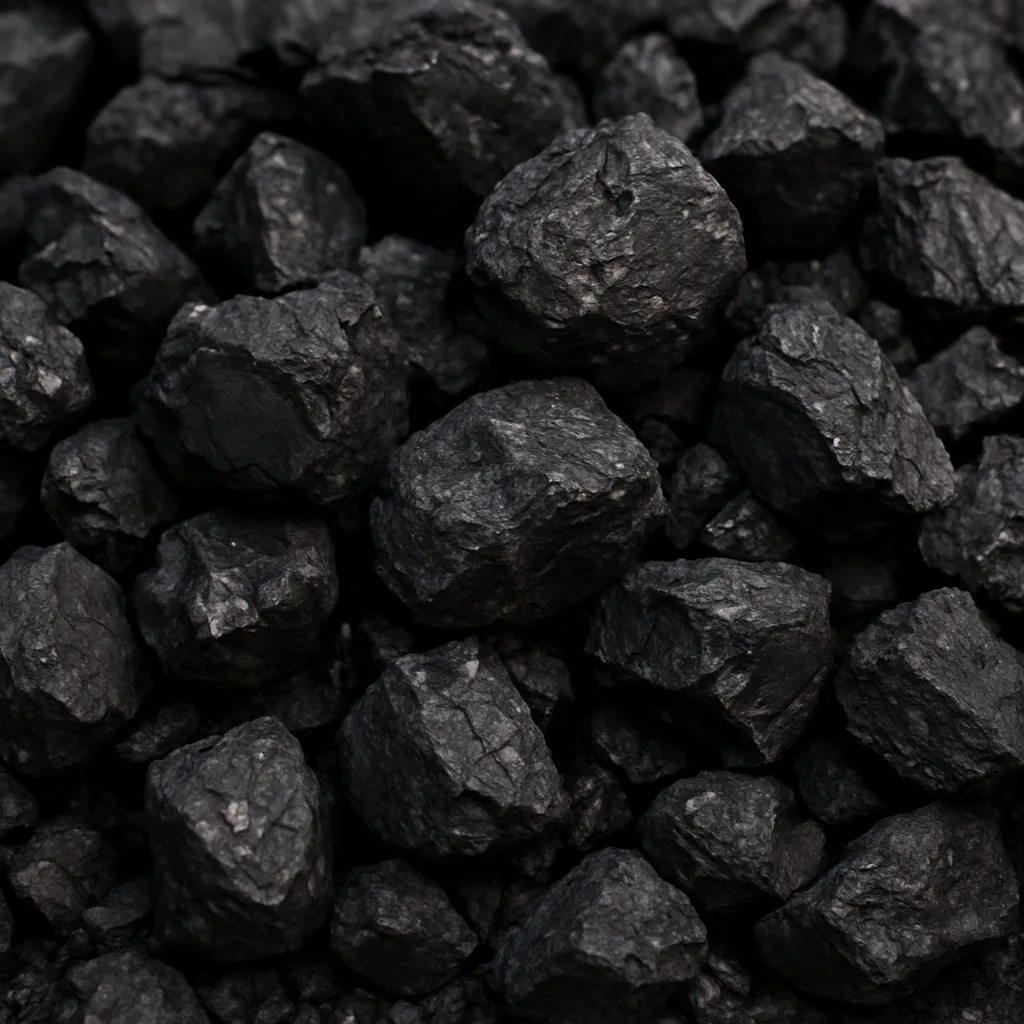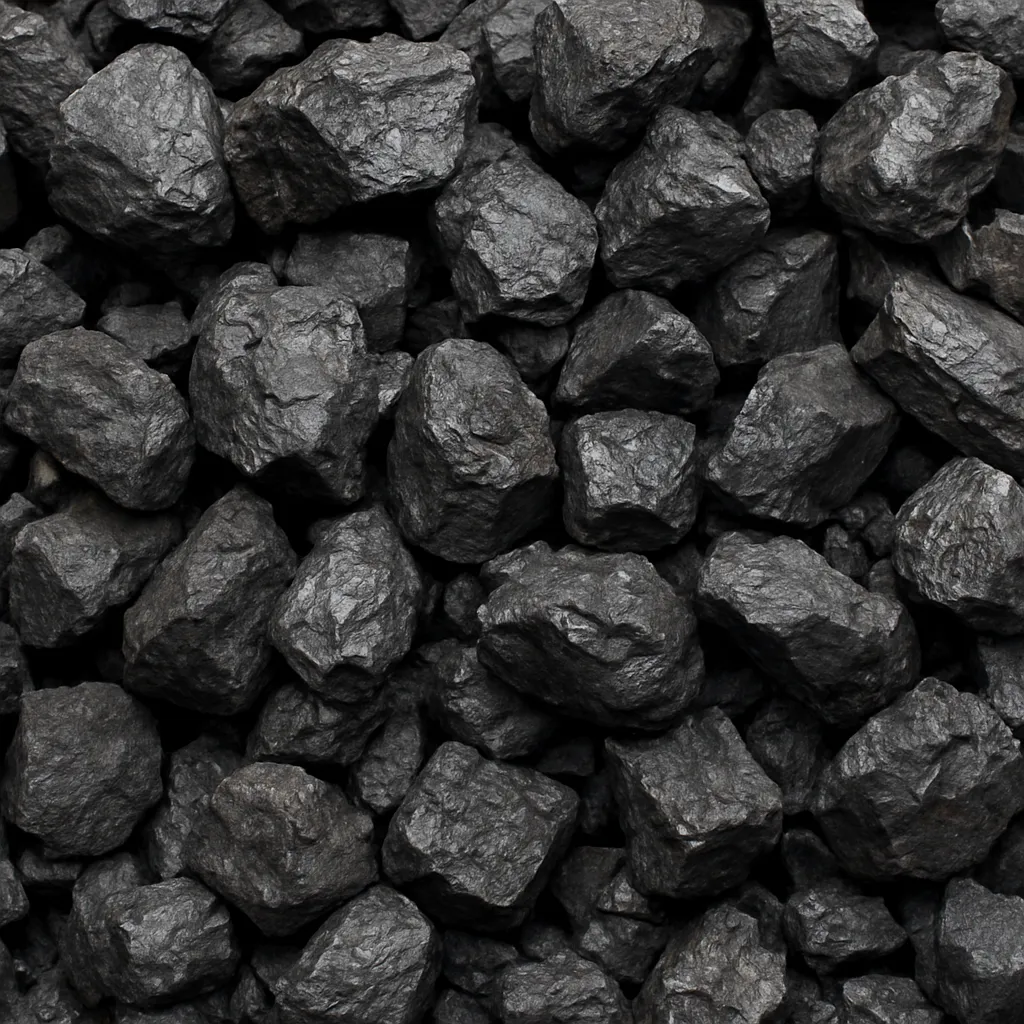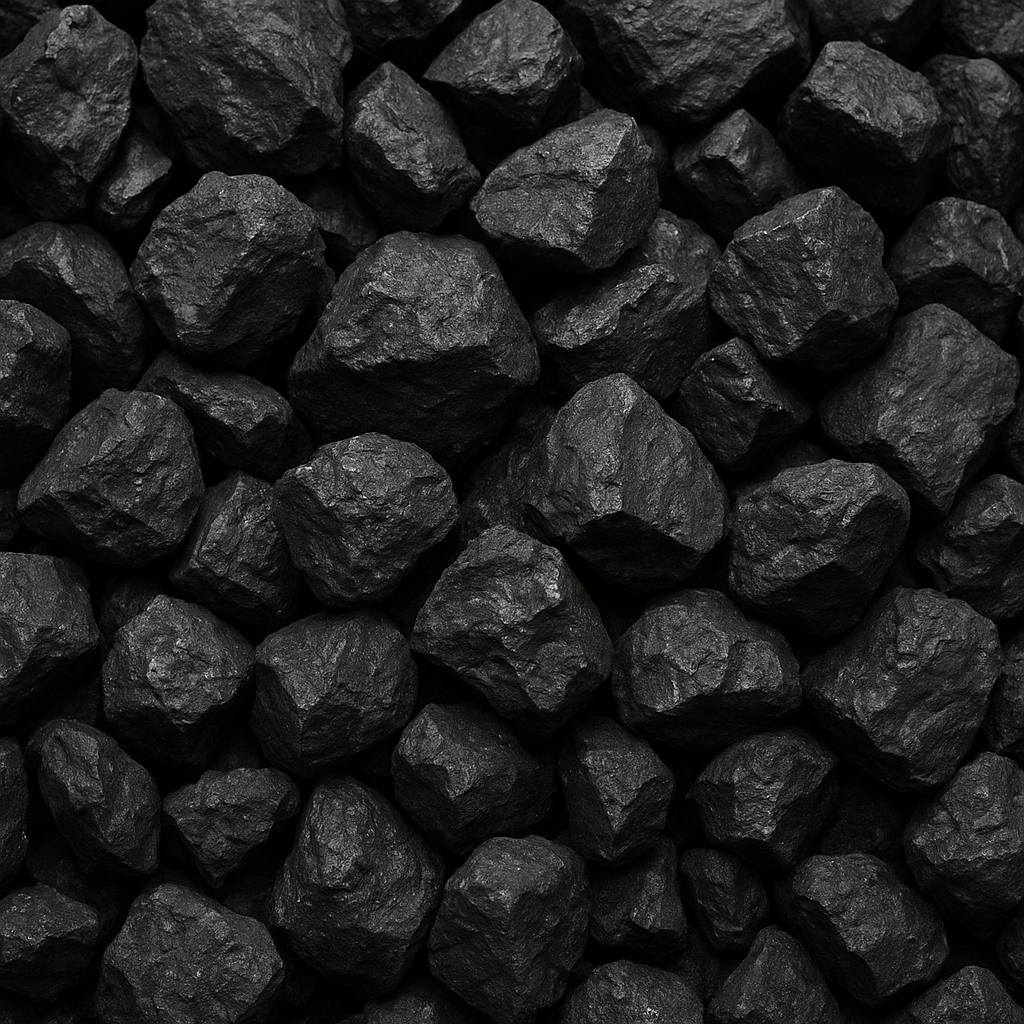
Low-moisture coal occupies a particular niche in the global coal complex: it is valued for its higher energy density, better handling characteristics and improved performance in many industrial processes compared with higher-moisture coals. This article outlines what low-moisture coal is, where it occurs and is produced, how it is processed and traded, its economic and industrial significance, environmental aspects and likely future trends. The goal is to provide a balanced, data-informed overview useful for industry professionals, policymakers and researchers.
Definition and key physical properties
Low-moisture coal is not a single geological category but rather a class of coals (and upgraded coal products) defined by relatively small inherent or as-received moisture content. In practice this includes higher-rank coals such as bituminous and anthracite coals and upgraded subbituminous coals whose moisture content has been reduced through drying or beneficiation. Typical moisture levels for low-moisture coal are below 10% on an as-received basis; many anthracites and some high-quality bituminous coals have moisture contents of 3–6%. By contrast, low-rank coals like lignite and some subbituminous coals can contain 20–40% moisture or more when mined.
Key physical and chemical characteristics that make low-moisture coal attractive:
- Higher calorific value per unit mass (higher gross calorific value and higher net calorific value on an as-received basis).
- Lower transport cost per unit of energy, because moisture is “dead weight” that contributes no useful heat.
- Improved burn characteristics and combustion efficiency in pulverized coal boilers and industrial furnaces.
- Lower risk of spontaneous combustion and reduced moisture-related handling problems during storage and shipping.
- For metallurgical applications, some low-moisture coals meet the physical and coking properties required for metallurgical coal (coking coal) markets.
Geological occurrence and major producing regions
Low-moisture coals are predominantly found where coal rank is higher (greater carbon content and lower volatile matter) and where geological conditions during coalification favored drying and compaction. Major global regions with substantial low-moisture coal resources include:
China
China hosts large reserves of medium- and high-rank coals including anthracite and bituminous coal in regions such as the northern and northeastern provinces and parts of Shanxi, Shaanxi and Inner Mongolia. China is the world’s largest coal producer and consumer; a significant share of China’s production is higher-rank, relatively low-moisture coal used both domestically for power and industry and for some trade.
Russia
Russia’s coal basins, notably the Kuznetsk Basin (Kuzbass), Pechora and the Far Eastern basins, contain substantial volumes of bituminous and semi-hard coals with relatively low moisture. Russia is an important exporter of high-quality thermal and metallurgical coals, many of which exhibit lower as-received moisture than tropical, high-moisture coals.
United States
The US produces anthracite (small volumes) and a range of bituminous coals from Appalachian basins and the Illinois Basin. The Powder River Basin (PRB) in Wyoming and Montana produces large quantities of subbituminous coal but typically with higher moisture; however, some US coals are low-moisture and targeted to metallurgical applications or specialized energy markets.
Australia
Australia is a key source of both high-quality thermal and metallurgical coals—particularly from the Bowen and Surat basins, Hunter Valley and other Queensland and New South Wales fields. Many Australian coals exported to Asia are relatively low in moisture and are sold at a premium for their higher calorific value and predictable performance.
South Africa and Colombia
South Africa’s high-grade bituminous coals (used in power, synthetic fuels and export markets) and Colombia’s thermal coals (often low in sulfur and with favorable moisture and ash characteristics) also contribute to the global low-moisture coal supply.
Mining, processing and coal-upgrading technologies
Low-moisture coal can be naturally occurring (mined at low inherent moisture) or produced by upgrading higher-moisture coals. Current mining and processing technologies relevant to low-moisture coal include:
- Conventional underground and open-pit mining, followed by beneficiation to remove impurities (fractions of rock, clay and ash) that can hold water.
- Mechanical drying via thermal drying (hot-air, fluidized bed dryers, rotary drum dryers) to reduce free moisture after mining.
- Innovative low-temperature technologies such as Coldry, hydrothermal carbonization (HTC) variants and proprietary molecular drying processes designed to reduce moisture with minimal damage to fuel quality.
- Blending strategies: mixing high-rank low-moisture coal with higher-moisture coal to produce a saleable, stable product for a specific market or boiler design.
- Pelletizing and briquetting of dried fine coal to stabilize and improve handling characteristics while preserving elevated calorific value.
Drying or upgrading coal has trade-offs: energy consumed in drying reduces net energy gains and increases processing costs; capital expenditure and operational complexity rise; however, the value gained from higher energy per tonne, improved boiler efficiency, reduced freight and lower emissions per unit of delivered energy can make upgrading economically attractive when market premiums for high-energy coal exist.
Economic and trade considerations
Low-moisture coal typically commands a price premium in many markets because buyers effectively purchase energy rather than simply mass. Several economic factors influence that premium and the trade flows:
- Seaborne coal markets: The global seaborne trade has historically traded around 1.0–1.4 billion tonnes per year (varying by year and including both thermal and metallurgical coal). Within this trade, low-moisture, high-calorific coals are highly sought by East Asian importers (China, Japan, South Korea, Taiwan) and by Europe in certain periods.
- Price formation: Indices (such as API2, API4 and various metallurgical coal indices) reflect market values. Periods of supply tightness (for example, 2021–2022 energy market stress) have widened premiums for high-quality low-moisture coals.
- Transport economics: Lower moisture increases effective energy-per-tonne, so freight and handling costs per unit of energy decrease. This improves competitiveness of distant suppliers for markets where shipping is the dominant cost element.
- Operational savings: Power plants burning lower-moisture coal often enjoy improved boiler efficiency, reduced corrosion and fouling, and lower pulverizer wear, translating to operational cost savings that can justify paying a premium.
- Market segmentation: Metallurgical coal markets (coking coal) are separate and typically pay higher prices for coals with specific coking and low-moisture properties. Thermal coal buyers may also segment by calorific value, sulfur content, ash and moisture.
Approximate global context: global coal production in recent years has been on the order of 7–8 billion tonnes annually, with China responsible for roughly half of that output. Major exporters by tonnage include Indonesia and Australia (each hundreds of millions of tonnes per year in export), Russia and the United States. These broad figures mask differences in quality—only a fraction of global production fits the “low-moisture” profile attractive to premium markets.
Industrial uses and strategic importance
Low-moisture coal has a range of industrial end-uses where quality matters:
- Power generation: Utilities with advanced pulverized coal boilers or combined-cycle systems favor coals with stable moisture and predictable combustion characteristics. Lower moisture means higher plant efficiency and lower fuel input per MWh.
- Steelmaking: Metallurgical coal for coking must meet stringent rank and volatile matter specifications. Low-moisture, high-carbon coals are essential feedstocks for blast furnaces and cokemaking operations.
- Industrial heating and boilers: Cement plants, chemical plants and large industrial boilers obtain improved calorific performance and reduced process variability from low-moisture coals.
- Gasification and coal-to-liquids (CTL): High-rank, low-moisture feedstocks reduce the energy penalty and complexity of gasification and liquefaction processes.
- Export markets and energy security: For import-dependent countries, reliable access to stable-quality low-moisture coal can be a strategic priority for grid stability and industrial competitiveness.
Environmental and regulatory considerations
Although lower moisture improves efficiency and reduces CO2 emissions per unit of useful energy, low-moisture coal remains a fossil fuel with significant greenhouse gas and air pollutant emissions when combusted. Key environmental considerations include:
- CO2 intensity per MWh: Drying increases net energy delivered per tonne and therefore can lower lifecycle CO2 per MWh compared with wet coal, but absolute emissions remain high compared with low-carbon alternatives (e.g., renewables, nuclear).
- Local pollutants: Lower moisture coals can reduce particulate emissions and improve combustion stability, but emissions of NOx, SO2 and mercury depend largely on sulfur content and plant control technologies rather than moisture alone.
- Processing impacts: Coal-drying plants consume energy (often fossil-derived), producing upstream emissions; water use and effluent from beneficiation can create local environmental impacts.
- Regulatory drivers: Stricter emissions standards and carbon pricing can increase the relative attractiveness of low-moisture coals (due to better fuel efficiency) while also accelerating transitions to lower-carbon fuels in power and industry.
Statistical notes and measurable benefits
Quantitative effects of moisture reduction vary by coal type and processing method. Representative ballpark figures:
- Calorific value: Moving from 20% moisture to 10% moisture in a subbituminous coal can increase as-received gross calorific value by several MJ/kg (e.g., from ~17–18 MJ/kg to ~19–20 MJ/kg), depending on base dry coal quality. High-rank coals with initial moisture of 5%–8% can exceed 25 MJ/kg on an as-received basis.
- Transport and shipping: Reducing moisture by 5–10 percentage points can improve effective energy carried per tonne by 5–10%, lowering freight cost per GJ accordingly.
- Combustion efficiency: Power plant thermal efficiency can see modest improvements (often a fraction of a percent to a few percent) from drier fuel, but the actual gain depends on plant design and baseline moisture.
- Market premiums: In many years, premium high-calorific low-moisture coals (and metallurgical coals) have traded at substantial premiums relative to generic low-grade thermal coal, though price spreads fluctuate widely with global market conditions.
Note: Precise numerical benefits depend on coal rank, plant design, distance to market, and the drying method used. Buyers and sellers typically evaluate net benefits using plant-specific heat rates and delivered-cost models.
Challenges and limitations
Several factors constrain the expansion of low-moisture coal supply and its universal economic advantages:
- Upgrading energy penalty: Drying consumes energy, which offsets some of the net calorific gain unless waste heat or low-carbon heat sources are used.
- Capital costs: Building and operating drying/beneficiation facilities requires investment; small or remote mines may lack scale to justify this.
- Market volatility: Coal price swings alter the payback for upgrading investments; in low-price environments, upgrading may be uneconomic.
- Environmental policy risk: Stricter climate policies and accelerating electrification can reduce long-term demand for coal even if its quality improves.
Trends and future outlook
The future for low-moisture coal will be shaped by a combination of market, technological and policy drivers:
- Short–medium term: In markets where coal remains essential for baseload power and steelmaking, demand for higher-quality, lower-moisture coals is likely to persist or grow, especially where energy security and industrial needs are paramount.
- Technology adoption: Improvements in low-energy drying, use of waste heat or electrified drying fed by low-carbon electricity, and integration with carbon capture and storage (CCS) may improve the environmental profile and economic case for upgraded coal products.
- Steel sector dynamics: If hydrogen-based direct-reduced iron (DRI) or electrified steelmaking scale up, the long-term demand for metallurgical coal could fall; but this transition will take decades, and high-quality metallurgical coals will remain strategically important in the interim.
- Geopolitics and trade realignment: Shifts in trade flows—driven by sanctions, regional sourcing preferences, and new supply investments—can alter which low-moisture coals find premium markets.
Interesting industry examples and innovations
Several real-world examples illustrate the diversity of approaches to low-moisture coal:
- Drying and upgrading projects in Australia and the United States that supply premium thermal coal to Asian utilities, often marketed on an energy-content basis rather than simple tonne weight.
- Producers in Russia and Colombia exporting naturally low-moisture, low-sulfur coals to European and Asian steel and power markets.
- Experimental and commercial uses of coal-drying integrated with waste heat recovery from mine operations or power plants to reduce net energy penalty.
- Coal-to-chemicals and gasification projects that prefer low-moisture, high-rank feedstock to improve process stability and conversion efficiency.
Concluding remarks
Low-moisture coal occupies a valuable position where quality, predictability and energy-per-tonne matter. Whether naturally occurring or produced through upgrading, low-moisture coals provide operational, economic and sometimes environmental advantages over wetter alternatives. Nonetheless, the long-term trajectory of demand will be influenced strongly by climate policy, decarbonization of industry and power, and the pace of technology change in both coal processing and alternative energy pathways. For the foreseeable future, however, markets that require reliable, high-energy fuel—especially steelmaking and some power generation sectors—will continue to prize low-moisture coal and invest in supply chains that ensure its availability.