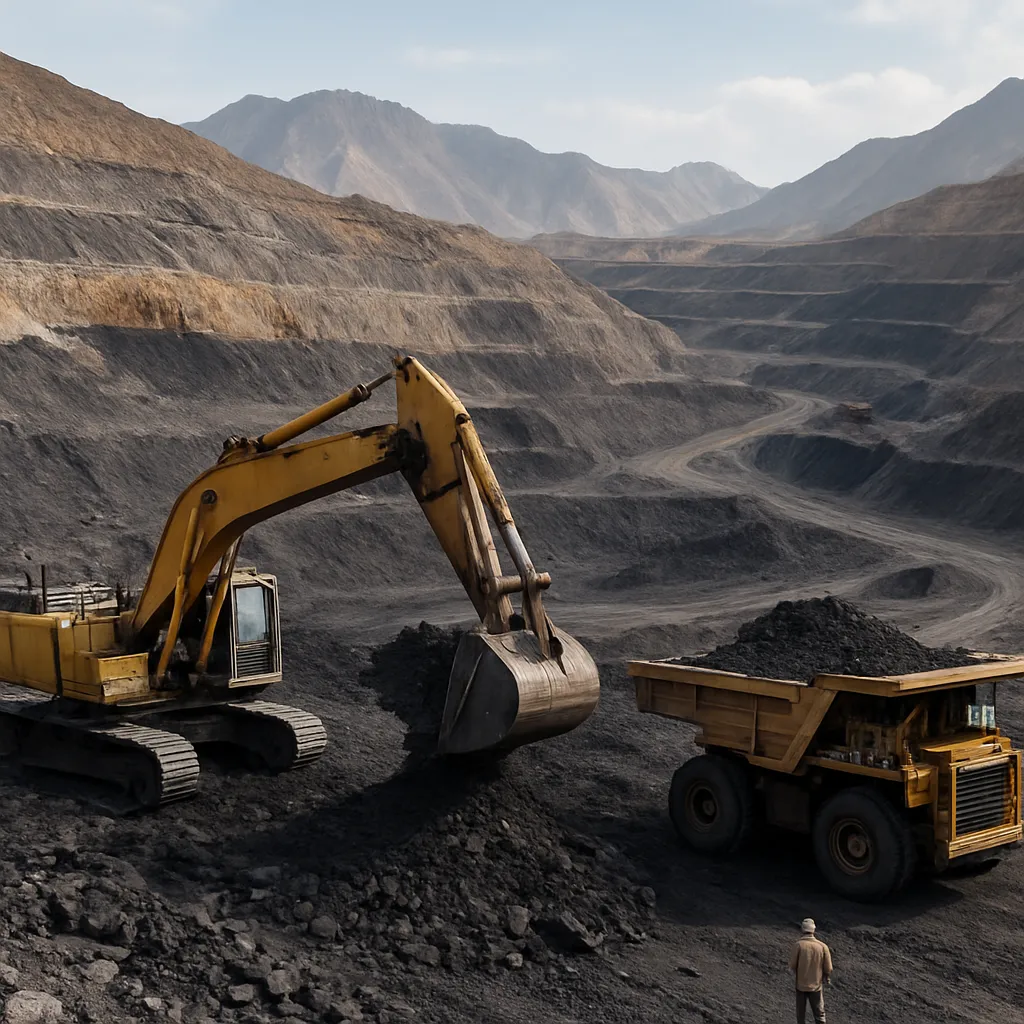
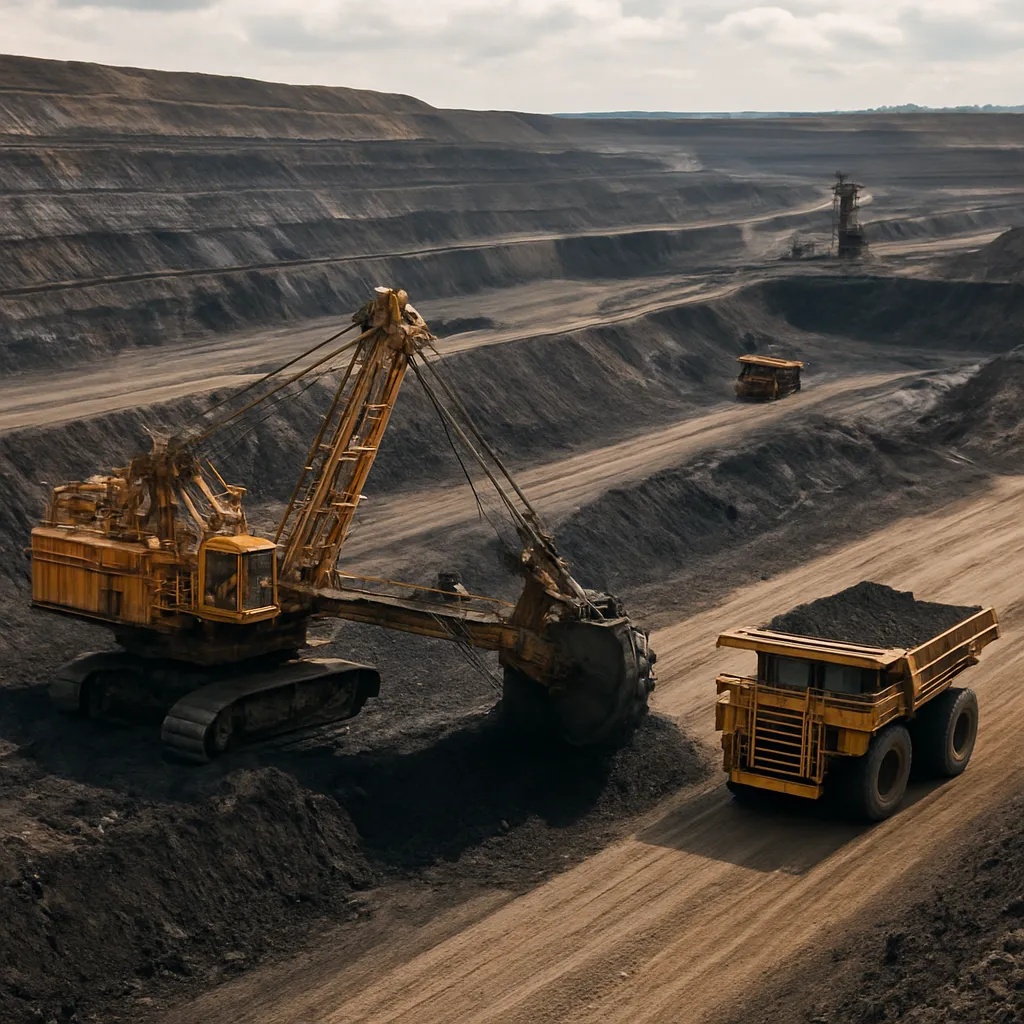
This article provides a comprehensive overview of the coal mining complex centered on Pingdingshan in central China. It describes the location and geology, the types of coal produced, the mining methods and technologies employed, economic and industrial significance, social and environmental impacts, as well as recent trends and future prospects. Where firm statistics are available or commonly reported in public sources, they are noted; where exact figures vary by source or over time, ranges and contextual explanations are provided. The aim is to offer a balanced and informative profile useful for researchers, industry observers and the general public interested in one of China’s longstanding coal-producing areas.
Location and Geological Overview
The mining complex around Pingdingshan is located in central Henan Province, in the North China Plain transitional zone toward the Qinling foothills. The wider Pingdingshan area is part of a larger coal-bearing region that has been exploited since the mid-20th century and today hosts multiple collieries, coking plants, and ancillary industrial facilities. The geological setting is typical of many Chinese coal basins: Permian and Carboniferous sedimentary sequences with multiple coal seams occurring at varying depths and thicknesses.
Geologically, the area contains a sequence of strata in which coal seams range from thin to moderately thick, with local seams suitable for extraction by conventional underground methods. The coal-bearing strata often contain intercalations of mudstone, siltstone and sandstone, and varying degrees of metamorphism and weathering have produced coals of distinct ranks. Structural complexity—folds, faults and local discontinuities—affects seam continuity and mine planning. The resource base in Pingdingshan and surrounding coalfields has historically been described as sizeable enough to sustain multi-decade extraction and to justify considerable investment in mining infrastructure and downstream industries.
Coal Types, Uses and Quality
Pingdingshan’s output covers a mix of coal types that serve diverse industrial needs. The two broad categories most prevalent in the region are bituminous coals used both for thermal power and as feedstock in coking and chemical processes, and coals suitable for metallurgical conversion (i.e., coking coal) to supply the steel industry. In practice, coal grades vary seam by seam; many collieries sort and blend material to meet specific market specifications.
Key end uses of coal from Pingdingshan include:
- Electricity generation (pulverized coal fired power stations and industrial boilers) using thermal coal.
- Coking and metallurgical processes where higher-volatile bituminous coals are blended and processed to produce coke for steelmaking.
- Chemical feedstocks and coal-to-chemical facilities; in recent years China has expanded coal-based chemical industries that convert coal to methanol, olefins and other intermediates.
- Local heating and industrial fuel for cement, brick and tile plants, and district energy systems.
The calorific value, ash content, sulfur and moisture levels vary; some seams offer middling to good calorific values with moderate ash content, making them attractive for both thermal and metallurgical uses after beneficiation. Coal preparation plants and washing facilities are common at large collieries to improve product quality and reduce impurities before sale or on-site utilization.
Mining Methods and Technologies
Extraction in the Pingdingshan area primarily employs mechanized underground mining techniques, with longwall operations dominating in many of the larger collieries. Longwall systems—combined with modern roof support and high-capacity conveyors—enable efficient recovery of continuous seams where geology permits. In some locations, room-and-pillar or mechanized bord-and-pillar methods are used when seam geometry or structural constraints make longwall impractical.
Key technical features at contemporary operations include:
- High-capacity shearer loaders and powered roof supports for longwall faces.
- Integrated belt conveyor systems and underground logistics for coal transport.
- Mine ventilation systems designed to manage gas and dust concentrations, an essential safety component in coal mines.
- Use of remote monitoring, automation and information systems to supervise face equipment, gas levels, and production throughput.
- Coal preparation plants for washing, sizing and blending to create marketable products and reduce environmental impacts from high-ash raw coal.
Given China’s push to improve mining safety and efficiency, many Pingdingshan operations have modernized equipment, implemented stricter safety protocols and invested in training programs. In addition to conventional mining, there has been growing interest in capturing and utilizing coalbed methane (CBM) and associated gas to reduce emissions and provide an additional energy product, though the scale of CBM recovery varies by site depending on reservoir characteristics.
Economic and Industrial Significance
Pingdingshan is historically and economically significant as a coal production center. The coal industry in and around the city has been a major driver of local GDP, industrialization and urban development. Coal mining has supported ancillary industries including coal washing, coke production, power generation, machinery manufacturing, transport and local services. The regional industrial chain often integrates extraction with on-site coke plants and small coal chemical units, creating value-added outputs that supply broader national markets.
While figures differ by year and reporting source, several general points about scale and impact are widely noted:
- Annual coal production from the Pingdingshan region and its major corporate operators typically amounts to multiple millions to several tens of millions of tonnes per year—placing it among the significant coal-producing zones in China.
- Large local employers include state-owned and collective enterprise groups that operate numerous mines and processing plants, creating employment for tens of thousands directly and many more indirectly through supply chains and service industries.
- Revenue from coal and coal-related industries forms a substantial portion of municipal and county-level fiscal receipts, supporting infrastructure, education and social services.
A major company associated with the area, Pingdingshan Coal Group, exemplifies the local industry’s scale: such conglomerates typically combine mining, processing, logistics and downstream chemical or metallurgical businesses. These groups historically received preferential investment and policy support as part of central and provincial strategies to secure domestic energy supply and industrial raw materials.
Statistics and Production Trends
Precise statistics for mines can change yearly due to production adjustments, mine closures, consolidation and regulatory measures. The most reliable up-to-date numbers are usually reported by provincial statistical bureaus, industry associations and company annual reports. Typical publicly reported metrics relevant to Pingdingshan include:
- Annual coal output (total tons produced at the municipal or company level).
- Recoverable reserves and proven reserves estimates for specific coalfields or collieries.
- Workforce numbers and safety incident statistics (injuries, fatalities and lost work time).
- Production efficiency metrics such as tons per miner per year, mechanization rates and equipment utilization.
- Environmental metrics including emissions intensity, wastewater discharge volumes and land reclamation areas.
Over the past two decades, production in many Chinese coal regions—including Pingdingshan—has exhibited the following trends: consolidation of smaller pits into larger, more mechanized operations; capacity rationalization responding to national supply-demand management; and increasing application of mechanized longwall and automation to improve productivity and safety. At the same time, policy-driven efforts to reduce high-polluting, small-scale operations have occasionally led to temporary declines in local production as mines are upgraded or closed.
Environmental and Social Impacts
Coal mining brings substantial environmental and social consequences. In the Pingdingshan region, common issues associated with conventional coal operations include ground subsidence, disturbance of surface ecosystems, dust and particulate emissions, water contamination risks, and large volumes of waste rock and coal gangue. Many collieries operate coal gangue disposal facilities; in recent years, there has been increased attention to gangue utilization—converting waste into construction materials or power—both to reduce environmental footprints and to add economic value.
Air quality is a significant concern: emissions from coal combustion in local power plants and industrial boilers contribute to regional PM2.5 and SO2 levels, affecting urban populations. To address these impacts, local and provincial authorities have implemented measures such as:
- Emission controls on power plants and industrial boilers (desulfurization, denitrification, and particulate removal systems).
- Encouraging mine reclamation, re-greening and land rehabilitation once mining ceases in specific areas.
- Programs to capture methane and improve ventilation to reduce greenhouse gas emissions and explosion risk.
- Relocation and social compensation frameworks where mining operations require resettlement or where subsidence has affected buildings and infrastructure.
Socially, coal mining has shaped local communities—providing livelihoods, identity and infrastructure—but also creating vulnerabilities when markets or policies shift. Efforts to diversify local economies, develop vocational retraining, and attract non-coal investment are part of longer-term planning to reduce dependence on extractive industries.
Safety Record and Regulatory Context
Mine safety is a critical dimension of mining in China and in Pingdingshan. Over the decades, China has implemented progressively stricter safety standards, inspections, and penalties for non-compliance. These policies have led to measurable declines in fatality rates per ton of coal produced, though isolated accidents still occur. The major themes in safety improvement include mechanization to reduce manual exposure to hazards, improved gas monitoring and ventilation, emergency response systems and worker training.
Regulatory oversight is exercised by provincial safety bureaus and national ministries. Mining enterprises are required to meet licensing, environmental impact assessment, and occupational health standards before operations proceed. Public and third-party scrutiny—through media reporting, research institutions and environmental NGOs—also plays a role in encouraging transparency and adherence to regulations.
Downstream Industries and Value Chains
Pingdingshan’s coal is integrated into several downstream value chains that amplify its economic importance:
- Coke and steel: Local coke ovens supply steel mills regionally and nationally.
- Coal-to-chemicals: Plants producing methanol, ammonia or coal-derived olefins (where present) convert coal into higher-value chemicals used in plastics, fertilizers and synthetic fibers.
- Power generation: Dedicated coal-fired plants provide electricity to industry and households; some facilities operate as captive plants for large industrial complexes.
- Logistics and trade: Rail and road networks transport coal to domestic markets; some coal products are transported to ports for coastal or international shipment.
The vertical integration of mining with processing and chemical conversion can increase local employment multipliers and fiscal receipts but also concentrates environmental risks. Industrial modernization efforts emphasize cleaner production, energy efficiency and circular economy practices—such as using waste heat recovery and converting coal gangue into construction materials.
Recent Developments and Policy Drivers
Several national and provincial policy trends affect Pingdingshan and similar Chinese coal regions:
- Energy security and coal stockpiling: In periods of high demand or supply constraint, coal production in established basins may be incentivized to stabilize supply.
- Capacity control and “supply-side reforms”: Central government campaigns have sought to eliminate inefficient small mines and to encourage consolidation under larger, more regulated operators.
- Environmental regulation tightening: Stricter air quality and emissions standards have pushed operators to improve pollution controls or reduce production at high-emission units.
- Economic restructuring and diversification: Provincial strategies increasingly seek to develop alternative industries—advanced manufacturing, services and high-tech sectors—to lessen dependence on coal.
- Technological upgrading: Government support for mechanization, automation, digitalization and methane capture aims to improve safety, lower emissions and raise productivity.
These trends imply a mixed future: while coal will remain an important energy and industrial feedstock in the near term, the sector is undergoing structural change—fewer, larger and cleaner operations, with a gradual shift of capital toward higher-efficiency or higher-value activities.
Future Outlook and Strategic Considerations
The outlook for Pingdingshan’s coal complex balances several competing forces. Domestically, China’s continuing industrial demand—especially for steel and chemicals—ensures ongoing requirements for certain coal grades. However, national climate commitments, air quality priorities and economic rebalancing exert pressure to reduce carbon intensity and local pollution. For Pingdingshan, strategic priorities likely include:
- Upgrading remaining mines to higher mechanization and safety standards to sustain economically-viable production.
- Investing in emissions controls and coal cleanliness to meet regulatory thresholds and protect public health.
- Pursuing value-added downstream projects (e.g., metallurgical coking, chemical conversion, clean coal technologies) where economically justified.
- Promoting land reclamation and post-mining land uses—urban development, agriculture or ecological restoration.
- Facilitating worker retraining and industrial diversification to reduce social vulnerability as the coal sector evolves.
On a practical level, investors and policymakers assessing Pingdingshan should weigh resource quality and remaining reserves, the cost and feasibility of modernization, environmental liabilities, transport connectivity and the trajectory of national energy policy. Opportunities exist to convert legacy assets into cleaner, higher-value operations, but such transitions demand capital, technology and coordination among local, provincial and national stakeholders.
Interesting and Lesser-Known Aspects
A few points that may interest readers beyond standard economic and geological descriptions:
- Urban development in Pingdingshan has long been shaped by coal: many neighborhoods, schools and hospitals trace their origin to mine-era investments and enterprise welfare systems.
- Coal gangue—a byproduct of mining—has been the focus of research into reuse as brick, cement additive or aggregated material, turning a disposal problem into economic opportunity.
- Some local initiatives have tested combined heat-and-power (CHP) and waste heat recovery in industrial plants to enhance energy efficiency and reduce emissions intensity.
- Historically, the discovery and exploitation of coal in the area accelerated post-1949 industrial policy, making the coalfield a central element in regional economic planning during the 20th century.
- Community heritage: mining museums, memorials and worker culture preserve aspects of the industrial and social history tied to coal mining, even as the region adapts to new economic realities.
Concluding Remarks
The Pingdingshan coal complex remains an important element in China’s coal landscape. It provides essential inputs for power generation, steelmaking and chemical feedstocks, while also presenting typical challenges of modern mining regions: environmental management, safety, social adaptation and strategic economic transformation. The future of Pingdingshan will be shaped by national energy policy, market demand for coal-related products, technological adoption in mining and processing, and local efforts to diversify the economic base and remediate environmental impacts. For stakeholders, a careful balancing of continued production with modernization and sustainability measures will be crucial to ensuring that Pingdingshan’s mining legacy translates into long-term regional prosperity rather than short-term extraction alone.