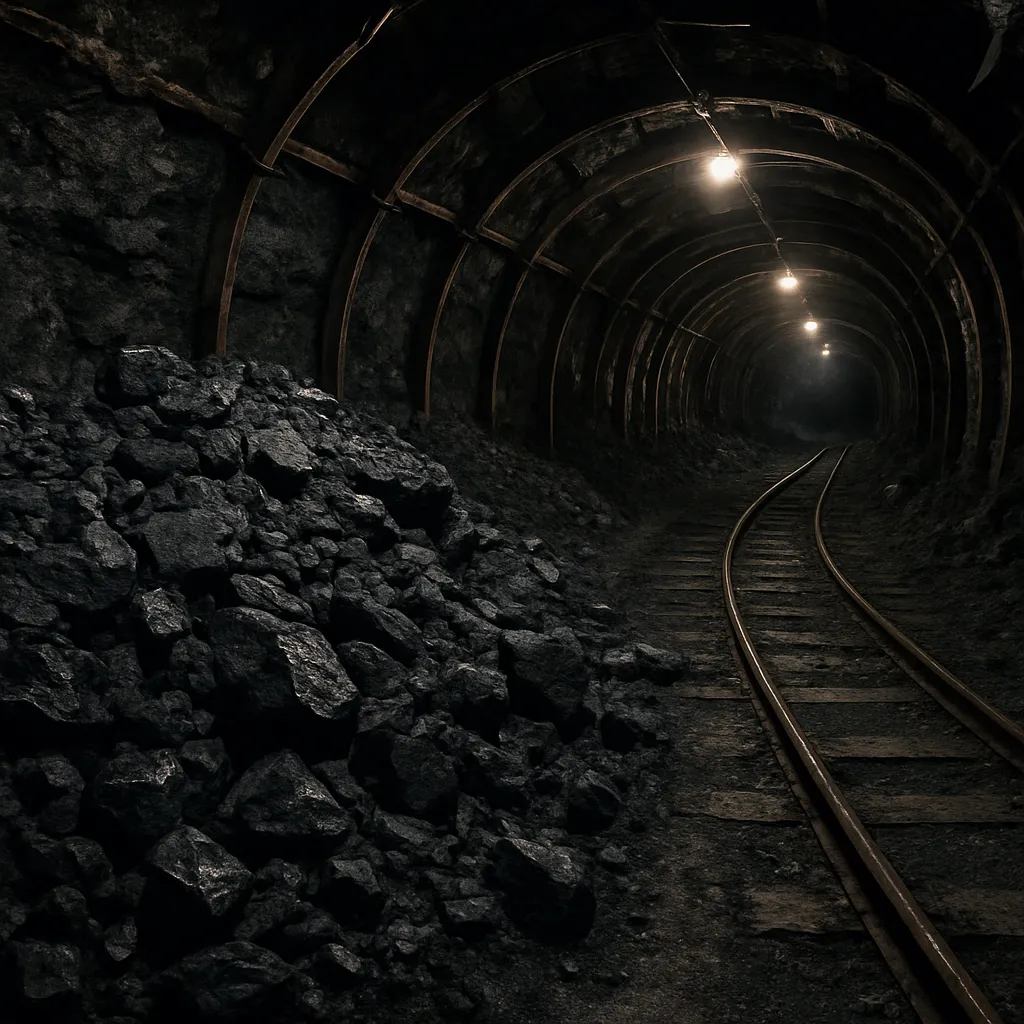
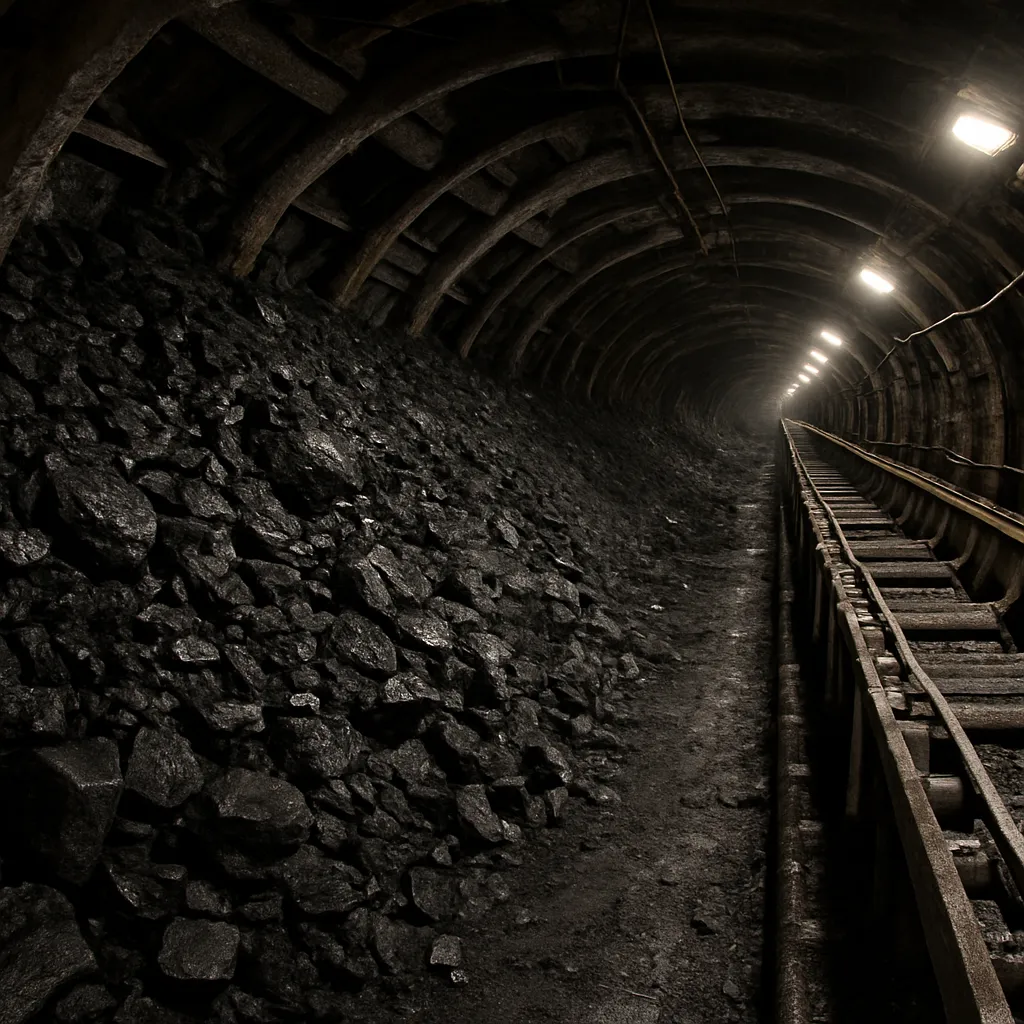
Ultra-low-ash coal occupies a niche but increasingly important position within the global coal complex. Defined by its exceptionally low residue after combustion or processing, this coal type serves as a feedstock for high-value industrial applications where impurities and mineral matter must be minimized. Below is a detailed examination of the geology, distribution, extraction, market dynamics, industrial uses, and environmental implications of ultra-low-ash coal.
Characteristics, Classification and Geological Origins
Ultra-low-ash coal is typically characterized by an ash content substantially lower than common thermal coals. While typical coal ash values for commercial coals range from roughly 5% to 25% by mass, ultra-low-ash coals commonly present ash values below 5% and in some specialized cases below 1–3%. The coal rank most frequently associated with ultra-low-ash material is medium- to high-rank bituminous and anthracite, though very pure high-quality sub-bituminous seams can occasionally meet ultra-low-ash criteria after beneficiation.
Geologically, ultra-low-ash seams form where organic accumulation occurred under conditions that minimized the incorporation of inorganic detritus, or where diagenetic processes removed mineral matter. Host environments include peat swamps fed by relatively clean water and protected from clastic input, and certain coal-forming basins that experienced tectonic or hydrothermal alteration which effectively removed mineral matter. Subsequent geological factors—such as burial depth, thermal maturity and fracturing—affect the final coal rank and ash distribution within the seam.
Petrographic analysis of ultra-low-ash coals often shows a dominance of vitrinite and inertinite macerals with a limited presence of mineral matter visible under microscopy. Trace elements and mineral loads (sulfur, iron, aluminosilicates) are correspondingly lower, which is a major reason for the material’s attractiveness in high-purity industrial processes.
Where It Occurs and Where It Is Mined
Ultra-low-ash coal is not confined to a single country or basin. It appears intermittently in several major coal-producing regions worldwide. Production locations and basins of note include:
- Australia: Known for its range of high-quality coking and thermal coals, parts of the Bowen Basin, Surat Basin and other Queensland/New South Wales deposits produce coals that can be beneficiated to ultra-low-ash specifications. Australia is a dominant exporter of premium coals to Asia.
- Russia: Some seams in the Kuzbass and other Siberian basins yield high-rank coals with relatively low mineral matter; however, beneficiation is often required to meet ultra-low-ash thresholds.
- United States: Select coal seams in Appalachian basins and some Western deposits (after processing) can produce low-ash material suitable for specialty markets.
- Colombia: Known for low-ash thermal coals and premium export quality, Colombian seams are often clean and can meet lower ash specifications, especially after washing.
- China: Northern anthracite basins (e.g., Shanxi, Inner Mongolia provinces) produce high-rank, low-ash coals in places; China also uses beneficiation to create ultra-low-ash feedstocks for industrial uses.
- South Africa and other African basins: While much of South African coal tends to be higher in ash, there are localized deposits and processed products that meet low-ash standards for specific uses.
Because ultra-low-ash coal is a specialty product rather than a bulk commodity, it is often obtained by selective mining within conventional coal operations and by intensive beneficiation and processing at coal preparation plants. Techniques such as dense media separation, froth flotation, oil agglomeration, and advanced physical/chemical cleaning are used to separate mineral matter. In many cases the initial seam may not be ultra-low-ash straight from the face, but can be upgraded economically to ultra-low-ash through modern processing.
Economic and Market Dynamics
The market for ultra-low-ash coal is small in volume but significant in value. Several economic characteristics define this niche:
- Premium pricing: Ultra-low-ash coals typically command a substantial price premium relative to standard thermal coals. The premium arises from lower downstream processing costs, improved product quality for metallurgical uses, reduced disposal liabilities and regulatory compliance advantages. Premiums are highly cyclical and tied to demand from steelmakers, specialty carbon product manufacturers and power plants with strict emission controls.
- Demand drivers: Key buyers include steel producers (for coke and PCI), producers of activated carbon and specialty carbon materials, chemical industry feedstock users, and power plants seeking to reduce ash handling and particulate emissions. Industrial growth in Asia—particularly in steelmaking in China, India and Southeast Asia—has historically supported demand for premium coking and low-ash coals.
- Supply constraints: Ultra-low-ash material is rare relative to total coal resources. Global coal production is on the order of several billion tonnes per year (hard coal + lignite), while the metallurgical coal subset—where much demand for low-ash material originates—typically amounts to roughly one billion tonnes annually. Ultra-low-ash coals represent only a small fraction of these totals, often concentrated in specific seams or produced by intensive cleaning, which creates supply tightness during demand spikes.
- Price volatility: Because the market is relatively thin, prices for ultra-low-ash coal can move substantially with changes in steel output, energy policy, shipping rates and currency movements. Periods of strong steelmaking or supply disruption in key exporting countries can produce rapid price escalation for premium coals.
To illustrate scale: while global coal production typically ranges around 7–8 billion tonnes annually (hard coal and lignite combined), the high-value ultra-low-ash segment is measured in the low tens of millions of tonnes at most—concentrated into metallurgical and specialty markets. Exact figures vary year to year and by definition because product specifications (e.g., what qualifies as “ultra-low-ash”) differ among users.
Industrial Applications and Importance
The industrial significance of ultra-low-ash coal stems from the direct benefits of having substantially lower mineral content. Major applications include:
- Steelmaking and coking: In blast furnace coke-making and pulverized coal injection (PCI), ash behaves as an unwanted diluent, introducing refractory slag, decreasing coke reactivity, and potentially introducing harmful impurities (e.g., phosphorus). Ultra-low-ash coals yield cleaner coke with improved mechanical strength and fewer deleterious elements, contributing to higher process efficiency and longer furnace campaign life.
- Activated carbon and specialty carbons: Feedstock purity is critical for high-performance activated carbons, carbon blacks, and precursors for engineered carbon materials (e.g., anode materials for batteries or components for advanced composites). Low ash improves carbon yield and reduces contamination of end-products.
- Coal gasification and synthesis: For chemical synthesis (e.g., methanol, Fischer–Tropsch liquids) and integrated gasification combined cycle (IGCC) power, lower ash means lower slagging, reduced maintenance and higher syngas quality—leading to improved plant efficiency and lower operating costs.
- Power generation with stringent emissions: Plants that must meet tight particulate and heavy-metal emission standards benefit from coals with minimal mineral matter. Lower ash also reduces the volume and cost of ash handling, disposal and potential leachate treatment.
- Specialty industrial uses: Ultra-low-ash coals are used in certain chemical processes, the production of metallurgical coke blends for foundry applications and in small-scale markets where material purity directly affects product performance.
Because of these applications, ultra-low-ash coal plays a disproportionately large role in high-value segments of industry despite its limited tonnage relative to overall coal trade.
Processing Technologies and Supply Chain
Turning raw coal into an ultra-low-ash product requires both selective extraction and advanced processing. Key steps and technologies include:
- Selective mining: Targeted extraction to avoid high-ash bands and maximize the proportion of low-mineral-matter coal sent to the preparation plant.
- Physical separation: Dense media separation (DMS), jigging, and gravity separation can remove coarse mineral matter effectively.
- Fine separation: Froth flotation, spiral concentrators, and oil agglomeration are used to reduce ash in fine- and ultrafine coals.
- Chemical and thermal treatments: In some cases, chemical leaching or thermal treatments remove remaining mineral or volatile impurities to reach ultra-low-ash levels.
- Product blending and quality control: Blending streams from different seams and processing stages to achieve consistent ash specifications is a common commercial practice.
The supply chain for ultra-low-ash coal tends to be more vertically integrated than that for standard thermal coal. Steelmakers, specialty carbon producers or trading houses often secure long-term contracts or equity positions in mines or preparation plants to guarantee feedstock quality and continuity. Logistics are also critical: premium low-ash coals command high freight values in international trade because buyers are selective and often located distance from the producing basins.
Environmental Impacts and Regulatory Context
Ultra-low-ash coal can offer environmental benefits compared with higher-ash alternatives, but it also raises particular considerations:
- Lower particulate and ash waste: Combustion or processing of low-ash coal reduces the mass of ash produced for disposal, which can lower landfill volumes and long-term management costs. Reduced ash also lessens fly ash emissions when controls are suboptimal.
- Trace elements: Although bulk mineral matter is lower, trace element concentrations (e.g., mercury, arsenic) depend on geology and are not automatically lower just because ash is lower. Therefore, comprehensive elemental analysis is required to assess environmental risk.
- Beneficiation by-products: Coal cleaning and flotation generate middlings and tailings that contain concentrated mineral matter and potentially hazardous elements. Proper management, storage and remediation of these wastes remain regulatory concerns.
- Greenhouse gas emissions: From a CO2 perspective, coal remains a carbon-intensive fuel. Ultra-low-ash coal does not change the fundamental carbon dioxide emissions per unit of carbon combusted; however, in some processes (e.g., gasification with carbon capture, or feedstock for carbon products), the net lifecycle emissions may be lower depending on process design.
Regulatory regimes that set limits on particulate emissions, ash disposal, and heavy metals have improved the commercial attractiveness of low-ash coals in many jurisdictions. At the same time, long-term climate policies aimed at reducing coal use in power generation pose a structural challenge to coal markets, including specialty coals.
Statistical Context and Market Trends
Precise global statistics specifically for ultra-low-ash coal are scarce because most statistical agencies aggregate coal types by thermal vs. metallurgical or by rank rather than by ash thresholds. However, several contextual points help frame the market:
- Global coal production (hard coal and lignite combined) is on the order of several billion tonnes per year—typically cited in the range of 7–8 billion tonnes in recent years, varying with cycles in demand and policy.
- Global production of metallurgical coal (used to make coke) is smaller—commonly near or just over one billion tonnes per year—making this segment a primary market for low-ash products.
- Ultra-low-ash volumes are a small fraction of both totals and are concentrated in the metallurgical and specialty carbon sectors. Even in years of strong steel production, the ultra-low-ash segment typically measures in tens of millions of tonnes or less.
- Price dynamics: premium coking and low-ash coals can trade at very large premiums over benchmark thermal indices during tight markets—premiums of tens to hundreds of dollars per tonne have been observed at various times depending on specification, timing and logistics.
Major coal-exporting countries that provide premium coals (Australia, Colombia, Russia, the United States and Canada) are key suppliers to the ultra-low-ash markets, while the principal buyers are steelmakers and specialty carbon producers in Asia, Europe and North America. Longer-term demand will follow trends in steel production methods (e.g., shift to electric arc furnaces vs. blast furnaces), growth in advanced carbon materials, and the pace of decarbonization in heavy industry.
Future Outlook, Innovation and Strategic Importance
The role of ultra-low-ash coal in future industrial systems depends on several interlocking trends:
- Decarbonization of heavy industry: As steelmakers pursue lower emissions, some will switch to electric arc furnaces (EAFs) powered by scrap and renewable electricity, reducing demand for coking coal. Others will adopt technologies such as hydrogen-based direct reduced iron (DRI) processes, which further shift feedstock needs. However, many regions and applications will continue to require metallurgical coal for years or decades, sustaining a market for ultra-low-ash products.
- High-value carbon materials: Growth in battery technologies, advanced composites and specialty carbons could increase demand for ultra-pure carbonaceous feedstocks. Coals that can be processed into high-grade anode material or activated carbons may find expanding markets even under aggressive decarbonization scenarios.
- Technology-driven beneficiation: Continued advances in coal cleaning, fine particle recovery and chemical upgrading can expand the volume of material that can economically be converted into ultra-low-ash specifications, altering supply dynamics.
- Integration with carbon capture and utilization: Gasification of low-ash coals offers possibilities for integration with carbon capture and sequestration (CCS) or for production of synthesis gas for chemical feedstocks with lower emissions intensity. The economics of such systems will determine the scale of uptake.
Strategically, ultra-low-ash coal remains a valuable input where material purity matters: in metallurgical processes, advanced materials manufacturing and certain chemical pathways. The balance between policy-driven coal decline in power generation and sustained industrial demand for high-quality carbon feedstocks will shape the market out to mid-century.
Interesting Technical and Historical Notes
Several supplemental points add texture to the subject:
- Historically, the search for cleaner coals has driven both mine planning and post-extraction processing for over a century. The industrial revolution created the first large-scale demand for high-grade coals, initially for steam engines and later for metallurgical processes.
- Some industrial processes historically used coal with very low ash as a raw material for early carbon products, and modern specialty industries (e.g., carbon fiber precursors and certain electrode materials) represent a contemporary parallel.
- Ultra-low-ash coals are also of interest for research into carbon sequestration and advanced material science because their unique mineral and maceral makeup affects reactivity during thermal and chemical transformation.
In summary, ultra-low-ash coal is a specialized product with important roles in high-value industrial applications. While small in total tonnage relative to global coal production, its impact on processes such as steelmaking, specialty carbon production and advanced gasification can be large. The market outlook is shaped by industrial demand patterns, technological advances in beneficiation, and broader energy and climate policy trends that will determine how this niche evolves in the coming decades.